Skip to content

Smart Dog Care Blog

Tips, Guides & Insights
for Dog Owners

Expert advice on health, behaviour, training, and building a community—powered by AI and written by people who love dogs.

Why Do Dogs Sleep So Much?

Why Do Dogs Sleep So Much?

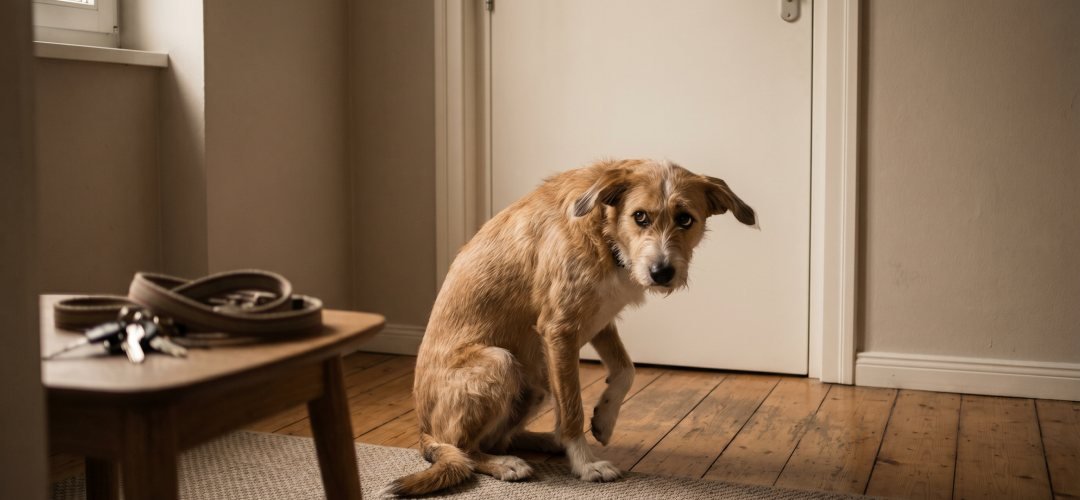
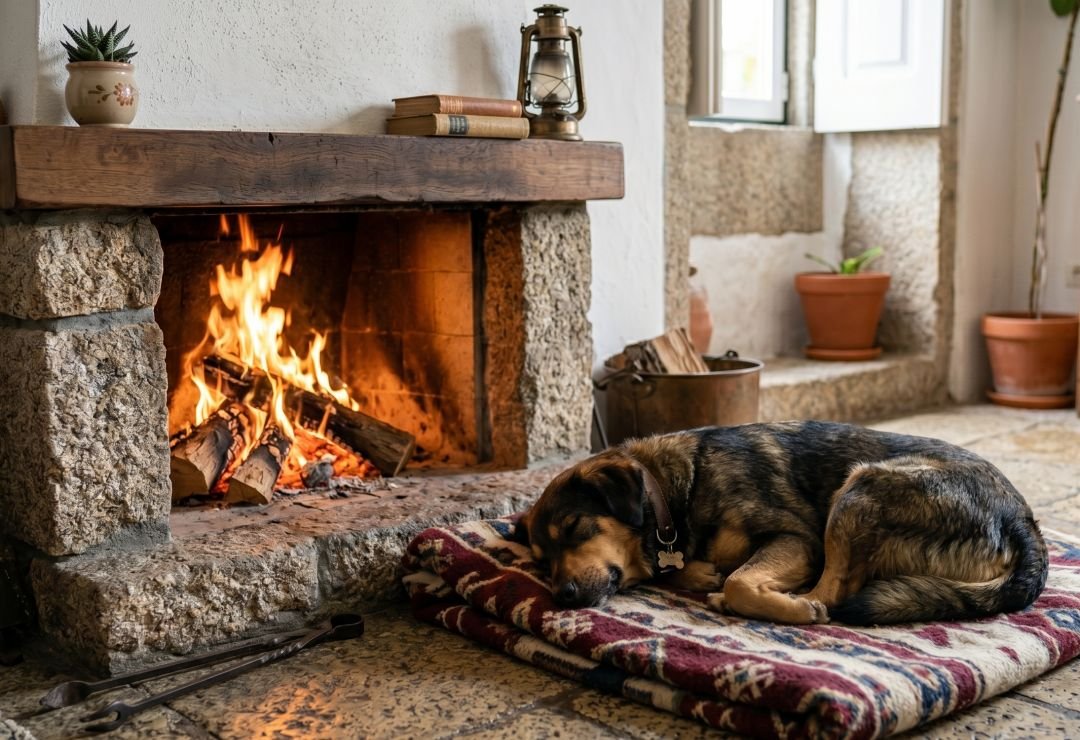
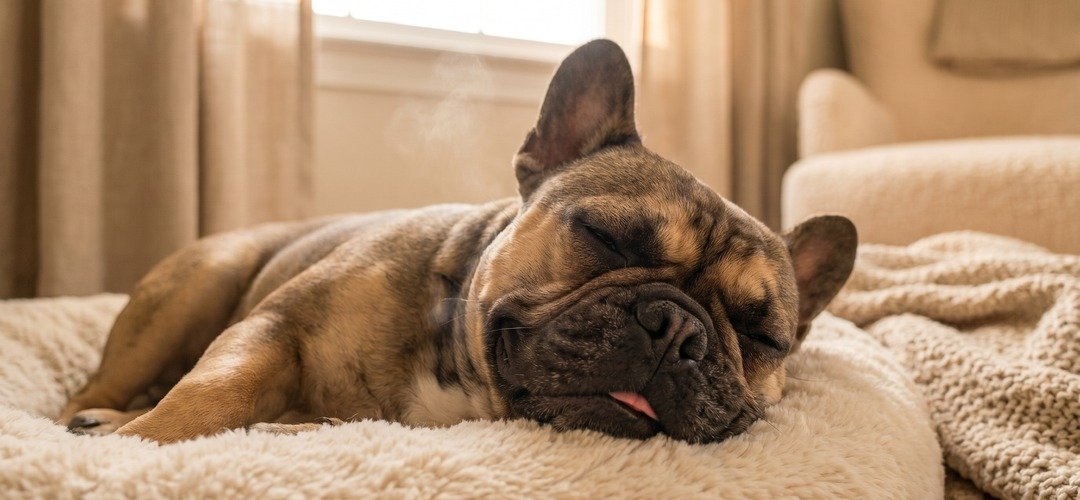
Many dog owners notice their pets sleeping for large parts of the day. A dog might be playing one minute and then fast asleep the next. This can make people ask, why do dogs sleep so much? It's a normal question, and the answer is that a dog's need for sleep is very different from a human's. Their age, the kind of dog they are, and even their daily life play a big part in how much they rest. For dogs, sleeping a lot is not a sign of being lazy. It is a natural behavior that is important for their health. Sleep helps their bodies grow, repair themselves, and save energy. An average adult dog can sleep for 12 to 14 hours a day, and this is completely normal. Understanding their sleep helps owners know what is normal for their furry friend. The Way Dogs Sleep Dogs do not sleep in one long stretch like most people do at night. Instead, they sleep in shorter periods throughout the day and night. This is because their sleep cycles are much shorter than human sleep cycles. A dog can go through a full sleep cycle in about 45 minutes, while a person's cycle is much longer. This means that even if it looks like a dog is sleeping all the time, much of that sleep is light. They are often just dozing and can wake up very quickly if they hear something interesting, like the sound of a food bag opening. This ability to wake up fast comes from their ancestors, who needed to be ready for danger at any moment. Because they get less deep sleep, they need more total sleep time to feel rested. Different Stages of Sleep Just like people, dogs have different stages of sleep. They start with a light sleep where their breathing slows down and they relax. After about 10 minutes, they can enter a deeper sleep called REM sleep. This is the stage where dogs often dream. During REM sleep, a dog might twitch its legs, wag its tail, or make little noises. This is all a normal part of dreaming. However, dogs spend only about 10% of their sleep time in this deep REM stage, while humans spend much more. Because they spend less time in the deepest, most restful stage of sleep, they need to sleep for more total hours to make up for it. The Role of Boredom Sometimes, a dog sleeps simply because there is nothing else to do. If the house is quiet and everyone is busy or away, a dog will often choose to nap. This is a way for them to pass the time until something more exciting happens, like when their owner comes home. This doesn't mean the dog is unhappy. It's just a normal way for them to save energy when things are calm. Giving a dog enough playtime and exercise can help make sure their waking hours are more active, but it will not change their basic need for a lot of rest. Why Do Dogs Sleep So Much? Here Are The Answers The main reasons why dogs sleep so much are their age, breed, level of activity, and natural sleep patterns. Puppies and older dogs need much more sleep than healthy adult dogs. The type of dog also matters, as very large breeds and certain working breeds have different energy needs that affect their sleep. Dogs are also designed to be ready for action at a moment's notice, which means a lot of their sleep is light dozing. To get the deep rest they need to…

Hanna FurHanna Fur
Homemade Dog Food

Homemade Dog Food Recipes and Benefits

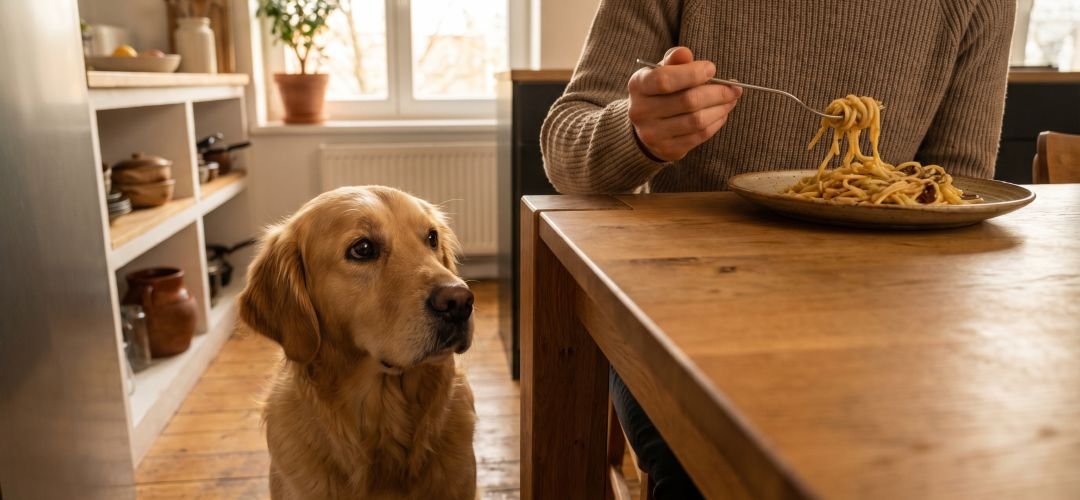
Many dog owners want to know exactly what is in their dog's food bowl. This has made some people think about making food for their dogs at home. The idea of using fresh ingredients is appealing, and it allows owners to control every part of their dog's meal. Learning about homemade dog food is the first step for anyone thinking about this option. Making food for a dog at home is more than just sharing leftovers. It requires a good understanding of what dogs need to be healthy. A dog's diet must be balanced with the right amounts of different nutrients. Without this balance, a dog can get sick. This article will provide information about the key parts of homemade food for dogs. What Dogs Need in Their Food A dog's body needs a mix of different things to work correctly. Just like people, dogs need protein, fats, and carbohydrates for energy and to keep their bodies strong. They also need very small amounts of vitamins and minerals for their overall health. When food is made at home, it is very important that it has all of these parts in the right amounts. If something is missing, it can cause problems over time. For example, a lack of calcium can lead to weak bones. It is a big responsibility to make sure a homemade diet is complete. The Role of Protein Protein is one of the most important parts of a dog's diet. It helps build and repair muscles and other body parts. Good sources of protein for dogs are lean meats. Safe protein choices include: Chicken Turkey Lean beef Fish like salmon Eggs (cooked) These foods give dogs the building blocks their bodies need to stay strong and active. It is important to cook meat well to kill any bad bacteria. Fats and Carbohydrates for Energy Fats give dogs a lot of energy. They also help the dog's body absorb some vitamins and keep their skin and coat healthy. Good fats can come from fish oil or flaxseed oil. Carbohydrates also give dogs energy and fiber, which helps with digestion. Not all dogs need a lot of carbs, but they can be a helpful part of a balanced meal. Safe carbohydrates include brown rice, sweet potatoes, and oatmeal. Understanding Homemade Dog Food Homemade dog food is a diet for dogs made at home from fresh ingredients that people might also eat. This is different from buying dog food in a bag or can from a store. The main idea is to give the dog a meal that is fresh and has no extra fillers or artificial ingredients. Creating a balanced meal is the most important part of this process. A common mistake is not providing all the needed nutrients. A simple mix of chicken and rice, for example, is not enough for a dog to eat every day for a long time. It would be missing key vitamins and minerals. A lot of care and knowledge is needed to make proper homemade dog food. Important Vitamins and Minerals Vitamins and minerals are necessary for a dog's health, even though they are needed in small amounts. For example, calcium and phosphorus work together to build strong bones and teeth. Zinc helps keep a dog's skin healthy and their immune system strong. These nutrients are often where homemade diets can go wrong. Many recipes found online do not have the right balance of vitamins and minerals. This…

John SpencerJohn Spencer
Dog Walking Tips

Making Dog Walks Better

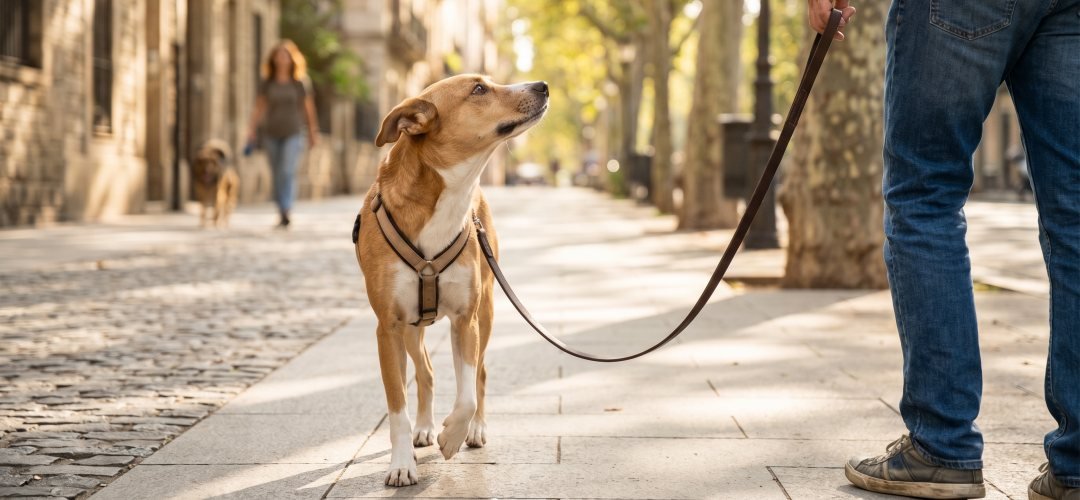
Walking a dog is a big part of being a dog owner. It's more than just a potty break; it's important for the dog's body and mind. For many owners, using good dog walking tips can change a hard walk into a happy one. This article gives simple advice to help make every walk with a dog a good experience. A walk is a great time for a dog to explore the world. They get to smell new smells and see new things. It is also a key way for them to get exercise, which keeps them healthy. Knowing the right way to walk a dog helps the owner lead and keeps the dog safe and happy. Getting Ready for the Walk Before even stepping outside, a good walk starts inside the house. The way a person gets ready can set the mood for the whole walk. If the dog is very excited and jumping around, it is better to wait for it to be calm before putting on the leash. This teaches the dog that calm behavior is needed for a walk to start. Being prepared with the right things is also very important. This means having a good leash and collar or harness, bags to clean up poop, and maybe some water, especially on warm days. Having everything ready makes the walk go more smoothly and shows the dog that the owner is in control. Choosing the Right Gear The kind of collar, harness, and leash used can make a big difference. It is important to find what works best for each dog. Collars and Harnesses: A simple flat collar is good for many dogs, but for dogs that pull a lot, a harness might be better. A harness that clips on the front can help stop pulling by turning the dog back toward the owner when they pull. It is important that any collar or harness fits right so it doesn't hurt the dog or let them slip out. Leashes: A leash that is about 4 to 6 feet long is usually best. It gives the dog some room to move but still lets the owner have control. Leashes that can be made longer and shorter are not usually recommended because they can make it hard to control the dog if something happens suddenly. The Person Leads the Way On a walk, the person should be the leader, not the dog. This means the person should walk out the door first. It sends a message to the dog that the person is in charge of the walk. This simple step can help with many walking problems. The dog should walk next to or a little behind the person. If the dog walks in front, it might think it is the one leading the walk. This can lead to pulling and the dog not listening. Keeping the dog in the right spot helps them understand that the owner is the leader. The Best Dog Walking Tips The best dog walking tips involve being a calm and sure leader, using the right tools, and being aware of what is around you. It is important to let the dog have time to sniff and explore, as this is how they learn about their world. But, the owner should decide when and where this happens. This keeps the walk structured and reminds the dog who is in charge. Being ready for different things that can happen on a walk is also key. This means watching out for other dogs, people, and cars. Keeping a safe distance and being able to get the dog's attention helps prevent problems. With these simple ideas, walking the dog can become a relaxing time for…

John SpencerJohn Spencer
Why Dogs Lick You

Figuring Out Why Dogs Lick You

Many dog owners have felt the wet swipe of their dog's tongue. It can happen during a happy greeting or a quiet moment on the couch. This common action often makes people ask, why do dogs lick you? The answer is not just one thing; it is a mix of instinct, communication, and learned habits. Understanding this behavior helps people know their dogs better. Licking is a natural way for dogs to act that starts when they are puppies. As they grow, they use licking for many reasons, including showing feelings, asking for things, and exploring the world. This article will look into the different reasons behind this slobbery show of attention. A Natural Way to Communicate For dogs, licking is a basic way to talk and interact. This behavior starts from the moment they are born. Mother dogs lick their puppies to clean them, help them start breathing, and show them care. This first experience teaches puppies that licking is a way to bond and communicate. As puppies grow, they lick their mother and other dogs to show they are not a threat and to ask for food. This is an old instinct from their wild ancestors, like wolves, where pups would lick the mother's mouth to get her to bring up food for them. Even though house dogs do not need this anymore, the habit remains. Showing Love and Care One of the most common reasons people think dogs lick is to show love. In many cases, this is true. Licking can be like a dog's version of kissing. It releases good-feeling chemicals called endorphins in the dog's brain, which makes them feel calm and happy. This feeling is similar to the comfort they felt from their mother's licks as a puppy. A dog might also lick a person to show care. If a person is sad or not feeling well, a dog might lick them as a way to comfort them. They use licking to groom each other, and they might try to "groom" their owner as a sign of being part of the family. The question of *why do dogs lick you* often comes down to this simple show of affection. A Sign of Respect In a group of dogs, licking can be a way to show respect to a more dominant dog. A dog that is lower in the group will lick a higher-ranking dog to show they are not a challenge. This helps to keep peace within the group. When a dog licks its owner, it can sometimes be a sign that they see the person as the leader of the pack. This act of licking is a way for the dog to show that it understands its place in the family and respects the owner's role. It's a polite social action that helps everyone get along. Why do dogs lick you? The answer to why dogs lick you is that it is a complex behavior with many meanings, including affection, communication, taste, and learned responses. Licking is a natural instinct for dogs that serves many purposes throughout their lives. While many people see it as a sign of love, it can also be a way for a dog to ask for attention, show it respects you, or simply because it likes the salty taste of your skin. Sometimes, the reason a dog licks is learned. If a dog licks a person and gets petted or a happy response, it learns that licking leads to good things. Over time, the dog will repeat this action to get more attention. Looking at when and how a…

Hanna FurHanna Fur
Why Dogs Eat Grass

Understanding Why Dogs Eat Grass

It is very common to see a dog eating grass in a park or a backyard. Many dog owners see this and feel confused. They wonder if their dog is sick or just hungry. Knowing the reasons for this can help owners understand their pets better. This article will explain in a simple way the different reasons that lead to wondering why dogs eat grass. It's a normal act for most dogs and often not a reason to worry. Sometimes, the reason is very simple, like they just enjoy the taste of grass. Other times, it can be a sign that they need something more in their food. By looking at a dog's daily habits and food, it is possible to find out the cause. The Main Reasons for a Dog to Eat Grass Seeing a dog chew on grass can seem strange. People often think it means the dog is sick and trying to throw up. While that can be true sometimes, it is not the most common reason. There are many simple and normal reasons for this action. Most of the time, eating grass is a safe and natural thing for dogs to do. Their ancestors in the wild used to eat plants. So, this can be an old habit that is still with them today. It is also possible that a dog is bored or wants attention from its owner. Instinctive Behavior One of the oldest reasons is instinct. The family of animals that dogs come from, which includes wolves, used to eat plants along with meat. This means that eating both plants and animals is a natural part of their history. Even though house dogs now eat food from a bag, this old habit can still show up. They are natural scavengers, which means they are used to looking for food. Eating grass can be a part of this old need to search for and find things to eat. Your Dog's Diet What a dog eats every day is very important for its health. Sometimes, a dog's food might not have everything it needs. Eating grass can be a sign that something is missing from its diet. Need for Fiber: Grass has a lot of fiber. Fiber helps a dog's body break down food and helps them poop more easily. If a dog's food is low in fiber, it might eat grass to help its stomach work better. Missing Nutrients: A dog might also eat grass if it is missing other important things from its food, like vitamins or minerals. This action of eating non-food items is called pica. It can be a sign that the dog's body is trying to get something it needs. Why dogs eat grass The reasons why dogs eat grass are varied; it could be because they feel sick, are bored, or simply enjoy the taste and texture. Studies show that a small number of dogs show signs of being sick before eating grass, and not many of them throw up after. This tells us that making themselves sick is not the main reason. A dog might just like the way grass tastes, especially new, fresh grass in the spring. It can also be a way for a dog to get attention from its owner. If a dog feels lonely or is not getting enough playtime, it might start eating grass to pass the time. This behavior often becomes more frequent when the dog spends less time with its owner. Understanding the cause is a key part of learning about why dogs eat grass. Sickness and Upset Stomachs It's a popular belief that dogs eat grass to make themselves throw up when they feel…

Hanna FurHanna Fur

Give Your Dog the Care They Deserve

Join a growing community of dog owners who trust AI to keep their pets healthy, happy, and safe. Download free today.

Free to download. Pro AI Plan available for unlimited features.