Tosa
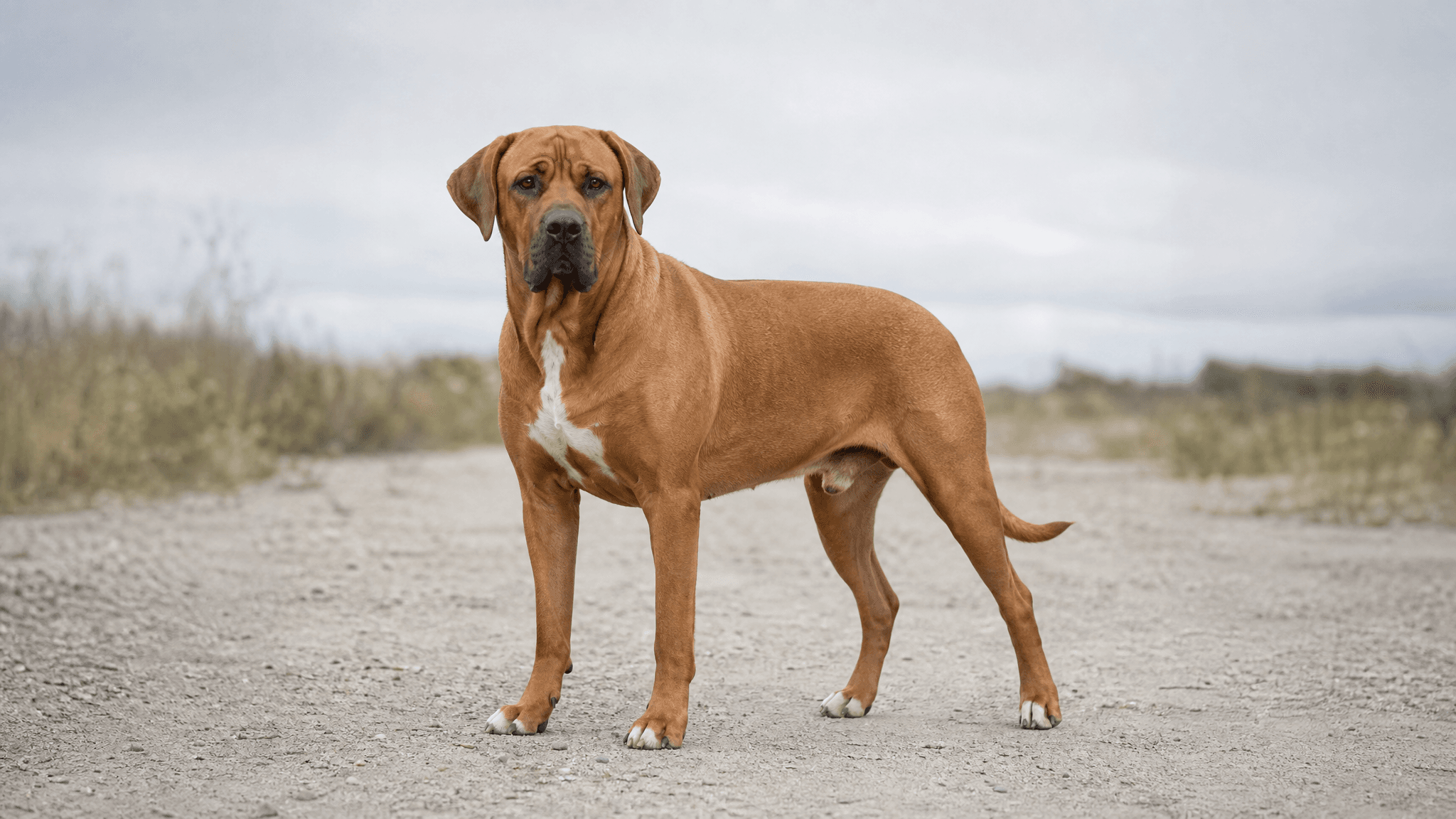
Summary
The Tosa Inu is the only Molossoid breed originating from Japan, developed in the Tosa region (present-day Kochi Prefecture) from the 19th century onward, crossing native Japanese dogs with European breeds such as the English Mastiff, the Great Dane, the Bulldog, and the Bullmastiff. It was bred specifically for dog fighting, a Japanese tradition still legal in certain forms. It is considered a "samurai of dogs" — noble, silent, and courageous.
Physical Characteristics
- Size
- Large to giant
- Height (male)
- 60–70 cm
- Height (female)
- 55 cm
- Weight (male)
- 36–90 kg
- Weight (female)
- 25–50 kg
- Life Expectancy
- 10–12 years
- Coat
- Short, dense, hard
- Common Colors
- Red, fawn, brindle, or with white markings on chest and paws
Temperament & Personality
A well-bred Tosa is a calm, serene, and very dignified dog. It rarely barks without reason — Japanese fighting dogs were trained for silence during combat. It is extremely loyal to its owner but requires intensive socialisation with people and other animals. Its physical strength and guarding potential make it unsuitable for inexperienced owners.
Activity & Exercise
- Energy Level
- Moderate
- Recommended Daily Exercise
- 60–90 minutes
- Suitable for Apartment
- Not recommended
Grooming & Care
- Grooming Needs
- Low
- Shedding
- Moderate
- Bathing Frequency
- Every 6–8 weeks
Health
- Common Health Issues
- Gastric torsion
- Heart disease
- Hip dysplasia
- Skin fold dermatitis
- Recommended Health Tests
- Cardiac examination
- Hip radiography
Compatibility
- With Children
- Moderate
- With Other Dogs
- Can be difficult
- With Cats
- Can be difficult
- For First-Time Owners
- Not recommended
Is a Tosa right for you?
A Tosa may suit you if:
- You can provide 60 to 90 minutes of moderate daily exercise to keep your dignified companion content.
- You enjoy a calm, serene home environment where a silent, watchful presence is appreciated.
- You appreciate a loyal, dignified, and calm temperament in a canine friend who forms a deep bond.
- You are prepared to commit to consistent, intensive socialization and training from a young age.
- You are comfortable with minimal grooming, consisting of occasional brushing and bathing every 6 to 8 weeks.
- You are willing to manage the natural guarding instincts and immense physical strength of a powerful Molossoid breed.
Think twice if:
- You expect immediate and unquestioning obedience from a breed known for its independent and strong-willed nature.
- You frequently leave your dog alone for long periods, as Tosas thrive on companionship and consistent human interaction.
- You have other pets or small children, as Tosas require careful, intensive socialization to coexist peacefully.
- You are unwilling to dedicate 60 to 90 minutes daily to exercise, which is crucial for their physical and mental well-being.
- You live in an apartment or lack a securely fenced yard suitable for a large to giant breed.
- You are not prepared to handle a powerful dog that can weigh up to 90 kg and requires firm, confident guidance.
Living with a Tosa Inu is a unique journey that demands profound commitment. While their dignified silence and unwavering loyalty are deeply rewarding, their immense strength and specific needs mean they aren't for the faint of heart or the inexperienced. For those prepared to invest in their intensive socialization and consistent guidance, a Tosa offers a truly noble and devoted companion for 10 to 12 years.
Training a Tosa
Training a Tosa requires a calm, consistent, and patient approach, rooted in positive reinforcement to build on their inherent loyalty and desire to please their owner. These dignified dogs respond best to short, engaging sessions that end on a high note, preventing boredom or frustration. Given their quiet and serene nature, harsh corrections or inconsistent training methods will not only be ineffective but can also damage the deep bond you need to establish. A Tosa's immense physical strength and guarding instincts mean that a handler's mistakes, especially a lack of early, intensive socialization, can lead to significant behavioural challenges, making clear communication and trust paramount from day one.
Begin with:
- Attention to name with distractions
- Recall on a long line
- Loose-leash walking
- Leave it and drop it
- Calm greetings without jumping
- Settling on a mat or bed
- Cooperative handling for care
- Waiting at doors and gates
Guarding instincts and reactivity
Tosas possess a strong guarding potential and, despite their silent nature, can be reactive towards unfamiliar people or animals if not properly socialized. From a young age, expose your Tosa to a wide variety of sights, sounds, people, and other calm, well-behaved dogs in controlled, positive environments. Always supervise interactions closely and advocate for your dog, removing them from overwhelming situations before they react. Continue this intensive socialization throughout their lives to help them develop into a confident, well-adjusted companion.
When encountering new dogs or people, ensure your Tosa feels safe and secure. Use positive reinforcement to reward calm behaviour, and consider parallel walking with other dogs before direct introductions. If your Tosa shows signs of discomfort, create distance and redirect their attention. For more guidance, our Behaviour AI feature can help you understand and work on specific reactions.
Leash manners and strength
A Tosa's impressive size and strength mean that pulling on the leash can quickly become unmanageable, especially for an inexperienced owner. Start loose-leash training early and consistently, using positive reinforcement to reward your Tosa for walking calmly by your side. Practice in quiet environments first, gradually introducing more distractions as they improve. Remember, a Tosa needs 60–90 minutes of daily exercise, so good leash manners are crucial for enjoyable and safe walks.
Invest in appropriate training equipment, such as a front-clip harness, which can help redirect your Tosa's forward momentum without causing discomfort. Avoid retractable leashes, as they teach dogs to pull. If you're struggling, consider seeking guidance from a professional trainer. For more tips on managing pulling, check out our guide on how to stop a puppy pulling on the leash.
Boredom and destructive urges
Despite their calm demeanor, Tosas require their recommended 60–90 minutes of daily exercise and consistent mental stimulation. Without sufficient outlets for their moderate energy and intelligent minds, they can become bored, leading to undesirable behaviours such as destructive chewing, excessive vigilance, or even anxiety. Ensure their daily routine includes structured walks, playtime in a secure yard, and engaging training sessions.
Provide puzzle toys, enrichment activities, and chew items to keep their minds active when you can't actively engage with them. Given their loyalty, prolonged periods of being left alone without adequate preparation can also lead to separation-related stress. Gradually accustom them to your absence and ensure they have a comfortable, safe space. Our guide on stress signs can help you identify if your Tosa is struggling.
Tosa — Frequently Asked Questions
What is the Tosa?
The Tosa, often called the Tosa Inu, is a truly magnificent and unique dog breed originating from Japan, specifically the Tosa region (present-day Kochi Prefecture). It's the only Molossoid breed from Japan, belonging to FCI Group 2, which includes Mastiff types. These large to giant dogs are renowned for their noble, silent, and courageous demeanor, often referred to as the "samurai of dogs." They possess a calm, serene, and very dignified presence, making them quite striking.
What was the Tosa originally bred for?
The Tosa was developed in Japan from the 19th century onward with a very specific purpose: dog fighting. This tradition, still legal in certain forms in Japan, led to the breed's development by crossing native Japanese dogs with powerful European breeds like the English Mastiff, Great Dane, Bulldog, and Bullmastiff. This selective breeding aimed to create a formidable, silent, and courageous fighter, earning them the moniker "samurai of dogs." Their historical role speaks volumes about their inherent strength and dignified temperament.
How much exercise does a Tosa need?
Despite their large size, Tosas have a moderate energy level, meaning they don't require an extreme amount of exercise but certainly need regular activity to stay healthy and happy. We recommend providing your Tosa with 60–90 minutes of daily exercise. This could include brisk walks, supervised playtime in a securely fenced yard, or engaging in mentally stimulating activities. Consistent physical activity helps maintain their muscle tone and prevents boredom, contributing to their overall well-being and serene disposition.
Is the Tosa a good family dog?
A well-bred Tosa is incredibly loyal and forms deep bonds with its owner, displaying a calm and serene nature. However, due to their large size, immense strength, and natural guarding potential, they are not suitable for inexperienced owners. Intensive socialization from a very young age with various people and other animals is absolutely crucial for them to develop into well-adjusted companions. With proper training, consistent socialization, and experienced handling, they can be a dignified and loyal part of a family, but careful supervision is always necessary, especially around children and other pets.
Is the Tosa easy to train?
Tosas are intelligent dogs with a calm, dignified temperament and are extremely loyal to their owners, which can make them eager to please. However, their physical strength and strong will mean they thrive with consistent, firm, and positive reinforcement training from an experienced hand. Their historical training for silence during combat highlights their capacity for discipline. Early and intensive socialization is paramount to help them become well-mannered adults. While not for first-time dog owners, a well-trained Tosa is a truly magnificent, serene, and obedient companion.
What health issues are common in the Tosa?
Like many large and giant breeds, Tosas can be prone to certain health concerns, and it's important for owners to be aware of these. Documented health issues in the breed include gastric torsion, a serious condition often referred to as bloat, and various forms of heart disease. Hip dysplasia, a common orthopedic issue in larger dogs, is also a concern. Additionally, some Tosas may experience skin fold dermatitis, particularly in areas where their skin folds can trap moisture. Regular veterinary check-ups and a healthy lifestyle are key to managing these risks.
What is the Tosa's coat like and how much grooming does it need?
While specific details about the Tosa's coat weren't provided, dogs of this size and Mastiff type typically have a short, dense coat that is relatively low-maintenance. Regular brushing, perhaps once or twice a week, will help keep their fur healthy, minimize shedding, and is a wonderful way to bond with your Tosa. Beyond brushing, routine grooming should include nail trims to prevent overgrowth and discomfort, as well as regular ear checks to ensure cleanliness and prevent infections. A healthy coat is often a reflection of a healthy dog, so a balanced diet also plays a vital role.
What is the typical lifespan of a Tosa?
The Tosa is a large and robust breed, and with proper care, nutrition, and regular veterinary attention, they generally enjoy a good lifespan. The typical lifespan for a Tosa ranges from 10 to 12 years. Providing a high-quality diet, consistent exercise within their moderate energy needs, and proactive health management, including awareness of common breed-specific health concerns, will help your Tosa live a full and happy life by your side. They truly are a long-term commitment and a wonderful companion.
Community
Talk to real Tosa owners
This guide covers the breed on paper. In the app, the Tosa community covers it in real life: photos from other owners, questions answered by people who live with the breed, and a directory of dogs you can browse.
- Photos & pollsSee what Tosa owners are sharing today.
- Questions & answersAsk anything and hear from people who own one.
- Dog directoryBrowse Tosas from around the world.
You join automatically when you add a Tosa to your profile.