Pyrenean Mountain Dog
Summary
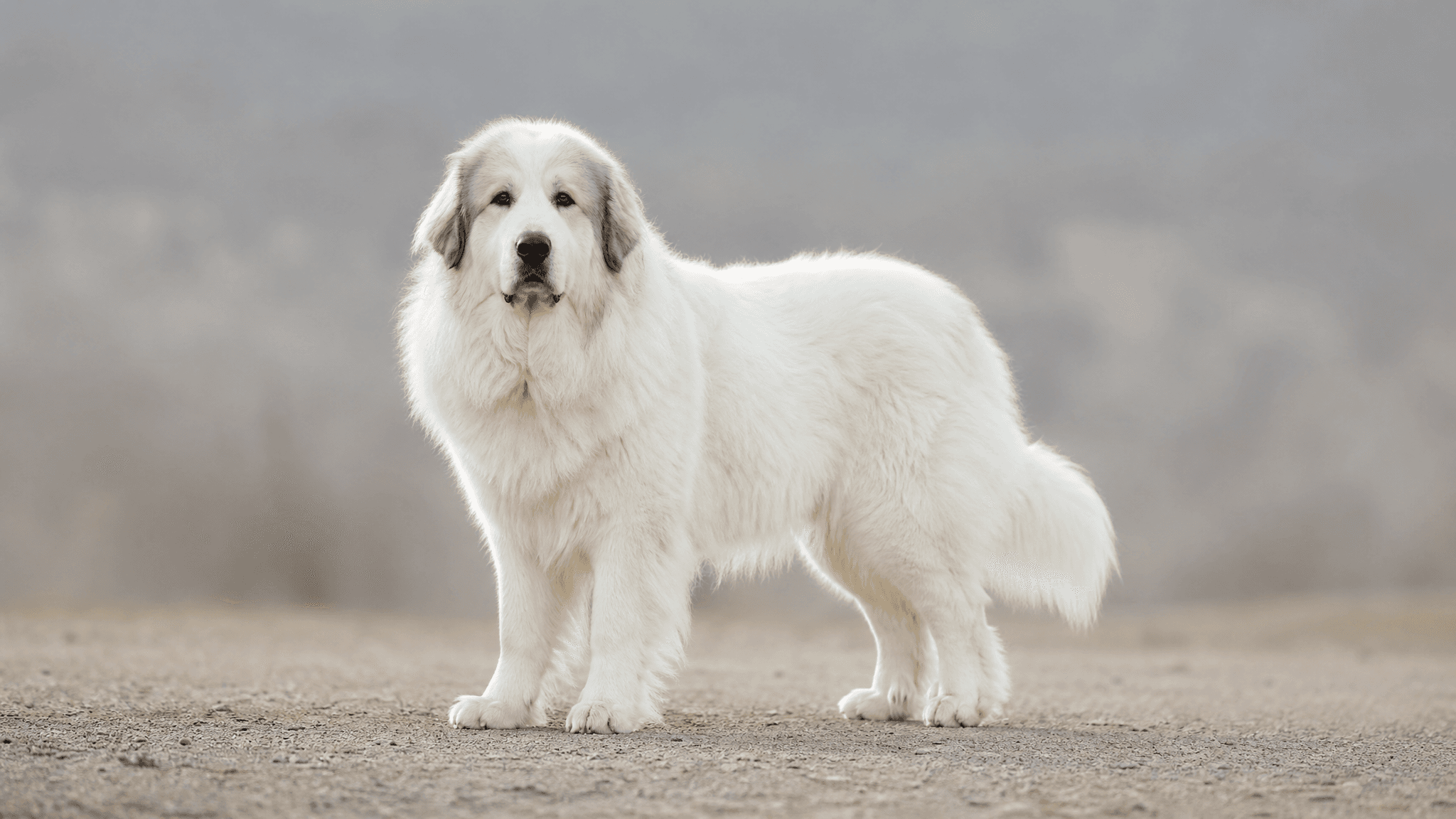
The Great Pyrenees is a majestic flock guardian originating from the French Pyrenees, where it protected sheep from bear and wolf attacks for at least a thousand years. Its thick white coat confused it with the flock, making it less visible to predators. It was also the favourite dog of French nobility since Louis XIV, who declared it the "Royal Dog of France" in 1675.
Physical Characteristics
- Size
- Large to giant
- Height (male)
- 70–82 cm
- Height (female)
- 65–74 cm
- Weight (male)
- 50–70 kg
- Weight (female)
- 35–55 kg
- Life Expectancy
- 10–12 years
- Coat
- Long, thick, flat or slightly wavy; very dense undercoat
- Common Colors
- White (pure or with grey, yellow, or brown markings on the head or tail)
Temperament & Personality
The Great Pyrenees is gentle, patient, and affectionate with its family, but always maintains the independent character typical of flock guardians. It is active at night (a habit developed for guarding the flock while the shepherds slept) and has a tendency to bark — especially at night. With strangers, it can be reserved. It is an excellent family dog but needs a spacious and fenced garden.
Activity & Exercise
- Energy Level
- Moderate
- Recommended Daily Exercise
- 60–90 minutes
- Suitable for Apartment
- Not recommended
Grooming & Care
- Grooming Needs
- High
- Shedding
- Heavy
- Bathing Frequency
- Every 6–8 weeks
Health
- Common Health Issues
- Deafness
- Epilepsy
- Eye anomalies
- Hip dysplasia
- Panosteitis (bone inflammation in young dogs)
- Patellar luxation
- Recommended Health Tests
- Eye and hearing evaluation
- Hip radiography
Compatibility
- With Children
- Good
- With Other Dogs
- Good
- With Cats
- Moderate
- For First-Time Owners
- Not recommended
Is a Pyrenean Mountain Dog right for you?
A Pyrenean Mountain Dog may suit you if:
- You are prepared to provide 60 to 90 minutes of daily exercise to keep their moderate energy levels happy.
- You enjoy a quiet evening at home, understanding their natural inclination to be more active and watchful at night.
- You appreciate an independent yet affectionate companion who forms deep bonds with their family.
- You are prepared for consistent, patient training, understanding their independent, guardian nature.
- You are happy to commit to regular grooming sessions for their beautiful, thick coat to manage heavy shedding.
- You are willing to manage their natural guarding instincts, which include a tendency to bark, particularly at night.
Think twice if:
- You expect instant obedience and a dog that is always eager to please, as their independent spirit requires patience.
- You have a busy lifestyle that frequently leaves a dog alone for long periods, as they thrive on companionship.
- You are unwilling to supervise initial interactions with smaller household pets, especially cats, despite their generally good nature.
- You are not prepared for consistent daily exercise or the significant grooming required to maintain their majestic coat.
- You live in an apartment or do not have a securely fenced, spacious garden for them to patrol and enjoy.
- You are not prepared to handle a large, powerful dog during their boisterous adolescence and beyond.
Living with a Pyrenean Mountain Dog is a truly rewarding experience for the right family. They offer unwavering loyalty and gentle affection, but their ancient guardian instincts mean they are not for everyone. Be prepared for their independent nature, vocal tendencies, and significant grooming needs, and you'll gain a magnificent, devoted companion for 10-12 years.
Training a Pyrenean Mountain Dog
Your Pyrenean Mountain Dog, with its deeply ingrained independent spirit as a flock guardian, learns best through positive reinforcement and short, engaging sessions. They thrive on praise and gentle guidance, not harsh corrections, which can easily make them shut down or become stubborn. Consistency is key; their intelligence means they’ll quickly understand what you want, but their independence means they’ll choose to respond only if they see value in it and trust your leadership. Rushing or becoming frustrated will only hinder progress with this sensitive giant.
Begin with:
- Attention and response to name around distractions
- Recall on a long line
- Loose-leash walking
- Leave it and drop it
- Calm greetings without jumping
- Settling on a mat or bed
- Cooperative handling for grooming, ears, feet and teeth
- Waiting at doors and gates
Independent Guarding Instinct
Your Pyrenean is a natural guardian, bred to make independent decisions to protect its flock. This strong instinct can manifest as selective hearing, especially if they perceive a situation requires their judgment. Early and consistent socialization to various people, places, and sounds from a young age is crucial to help them discern true threats from everyday occurrences.
When your Pyrenean barks, acknowledge their alert, then redirect them to a calmer activity. Teach a "quiet" command by rewarding silence after an alert. Remember, their tendency to bark, especially at night, is deeply ingrained, so managing it through consistent training routines and environmental control is more effective than trying to eliminate it entirely.
Leash Management
Given their large to giant size and substantial weight (up to 70 kg for males), a Pyrenean Mountain Dog can be incredibly strong on the leash. Starting loose-leash training early, ideally as a puppy, is vital. Use a front-clip harness or head halter for better control, as these distribute pressure more effectively and discourage pulling without causing discomfort.
Practice short, frequent walks in low-distraction environments, rewarding every step your Pyrenean takes with a loose leash. If they pull, stop walking immediately. Only resume when the leash slackens. For more detailed guidance, consider our force-free plan to stop leash pulling.
Boredom and Barking
Pyrenean Mountain Dogs have a moderate energy level and require 60-90 minutes of daily exercise, but they also need mental stimulation. If under-exercised, under-stimulated, or left alone too often, they can become bored, leading to destructive behaviors like digging, chewing, or excessive barking – particularly at night, a habit from their guarding heritage.
Ensure your Pyrenean has a securely fenced garden, as they are not recommended for apartments and may try to roam if bored. Provide puzzle toys and regular training sessions to engage their minds. Consider using a dog walker or pet sitter if you must leave them for extended periods, and explore our Behaviour AI feature for insights into managing their independent nature.
Pyrenean Mountain Dog — Frequently Asked Questions
What is the Chien de Montagne des Pyrenees (Pyrenean Mountain Dog)?
The Chien de Montagne des Pyrenees, often known as the Pyrenean Mountain Dog or Great Pyrenees, is a truly majestic and ancient breed originating from the beautiful French Pyrenees mountains. Classified in FCI Group 2 as a Mountain type dog, these magnificent canines are renowned for their impressive large to giant size and their stunning, thick white coats. They embody a gentle yet watchful spirit, originally bred to be formidable flock guardians. Their defining characteristics include a calm demeanor, immense strength, and a naturally protective instinct, making them a truly special companion.
What was the Chien de Montagne des Pyrenees (Pyrenean Mountain Dog) originally bred for?
For at least a thousand years, the Chien de Montagne des Pyrenees was primarily bred as a dedicated flock guardian in the rugged French Pyrenees. Their vital role was to protect sheep from dangerous predators like bears and wolves, a task they performed with remarkable courage and vigilance. Their thick white coats were not just beautiful; they served a practical purpose, helping them blend in with the flock and making them less visible to lurking predators. This noble breed also captured the hearts of French nobility, becoming a favorite of figures like Louis XIV, who famously declared it the "Royal Dog of France" in 1675.
How much exercise does a Chien de Montagne des Pyrenees (Pyrenean Mountain Dog) need?
Despite their large size, the Chien de Montagne des Pyrenees has a moderate energy level, meaning they don't require an extreme amount of exercise, but they certainly enjoy their daily outings! We recommend around 60 to 90 minutes of exercise per day to keep them happy and healthy. This could include leisurely walks, playtime in a secure yard, or exploring new scents. Because of their size and independent nature, having a spacious and securely fenced garden is ideal for them to roam and fulfill their natural patrolling instincts, ensuring they get enough activity in a safe environment.
Is the Chien de Montagne des Pyrenees (Pyrenean Mountain Dog) a good family dog?
Absolutely! The Chien de Montagne des Pyrenees is an excellent family dog, known for being incredibly gentle, patient, and affectionate with its human family, including children and other pets. They possess a wonderful, calm temperament that makes them a joy to have around the home. However, it's important to remember their independent character as flock guardians; they can be reserved with strangers and are naturally active at night, often barking to alert to anything unusual. A spacious and securely fenced garden is a must for these wonderful companions to thrive and feel secure in their role as family protector.
Is the Chien de Montagne des Pyrenees (Pyrenean Mountain Dog) easy to train?
Training a Chien de Montagne des Pyrenees requires patience and consistency, as they possess an intelligent mind coupled with an independent spirit, typical of their flock guardian heritage. While they are gentle and eager to please their family, their protective instincts mean they might be reserved with strangers and have a tendency to bark, especially at night. Positive reinforcement methods work best, focusing on building a strong bond and clear communication. Early socialization and consistent training from a young age are key to nurturing their wonderful temperament and ensuring they grow into well-behaved, confident companions.
What health issues are common in the Chien de Montagne des Pyrenees (Pyrenean Mountain Dog)?
Like all breeds, the Chien de Montagne des Pyrenees can be predisposed to certain health conditions, and being aware of these can help you provide the best care. Some documented health concerns for this magnificent breed include hip dysplasia, which affects the joints, and patellar luxation. They can also experience eye anomalies, deafness, and epilepsy. Additionally, young Pyrenean Mountain Dogs may sometimes encounter panosteitis, which is an inflammation of the bone. Regular veterinary check-ups and a healthy lifestyle are vital to help manage and monitor these potential issues, ensuring your furry friend stays as happy and healthy as possible.
What is the Chien de Montagne des Pyrenees (Pyrenean Mountain Dog)'s coat like and how much grooming does it need?
The Chien de Montagne des Pyrenees boasts a truly magnificent and thick double coat, typically pure white, which historically helped them blend in with their flocks. This luxurious coat is not just beautiful; it's designed to protect them from harsh weather conditions. To keep their coat healthy, clean, and free of mats, regular grooming is essential. Weekly brushing, perhaps more frequently during shedding seasons, will help remove loose hair and prevent tangles. While their coat is stunning, it does require dedication to maintain its pristine condition, ensuring your Pyrenean looks and feels their best.
What is the typical lifespan of a Chien de Montagne des Pyrenees (Pyrenean Mountain Dog)?
The Chien de Montagne des Pyrenees, with proper care and a loving environment, typically enjoys a wonderful lifespan of 10 to 12 years. Providing them with a balanced diet, regular veterinary check-ups, appropriate exercise, and plenty of affection are all key ingredients to helping your majestic companion live a long, happy, and healthy life by your side. These years are filled with their gentle companionship, unwavering loyalty, and the quiet dignity that makes this breed so incredibly special to their families.
Community
Talk to real Pyrenean Mountain Dog owners
This guide covers the breed on paper. In the app, the Pyrenean Mountain Dog community covers it in real life: photos from other owners, questions answered by people who live with the breed, and a directory of dogs you can browse.
- Photos & pollsSee what Pyrenean Mountain Dog owners are sharing today.
- Questions & answersAsk anything and hear from people who own one.
- Dog directoryBrowse Pyrenean Mountain Dogs from around the world.
You join automatically when you add a Pyrenean Mountain Dog to your profile.