Tibetan Mastiff
Summary
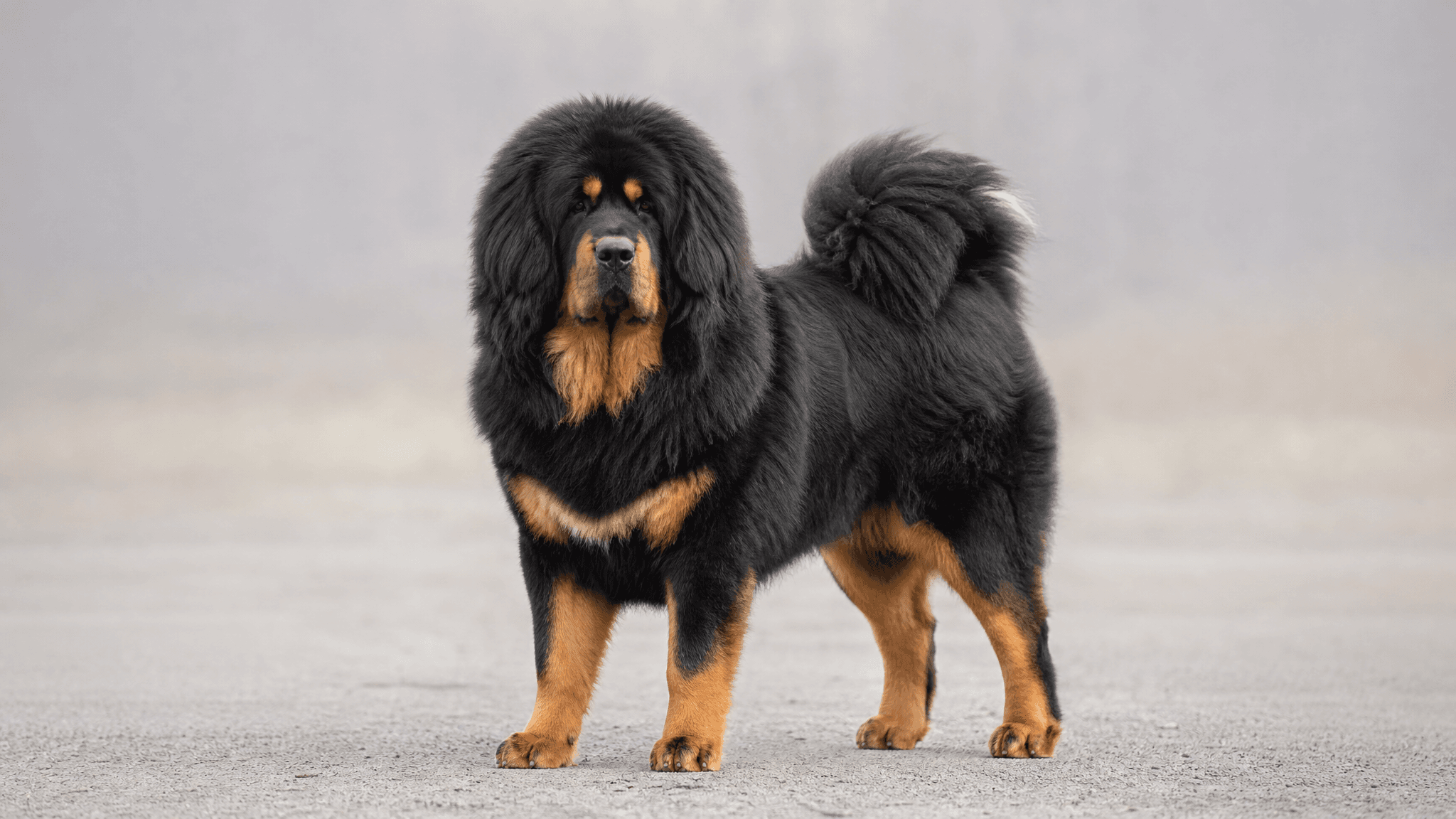
The Tibetan Mastiff is one of the oldest breeds in the world, with a history spanning several thousand years on the Tibetan Plateau, where it guarded flocks and villages against predators such as wolves, snow leopards, and bears. It is considered the primitive ancestor of all the great European Molossoid breeds. In Tibet, it is called "Do-Khyi" — the "chained dog" — because it was tied up during the day and released at night to guard.
Physical Characteristics
- Size
- Large to giant
- Height (male)
- 71–76 cm
- Height (female)
- 61 cm
- Weight (male)
- 45–73 kg
- Weight (female)
- 34–54 kg
- Life Expectancy
- 10–12 years
- Coat
- Double, very dense; outer coat coarse and long; undercoat soft and woolly
- Common Colors
- Black, black and tan, brown, gold, blue-grey and tan
Temperament & Personality
The Tibetan Mastiff is an independent and intelligent guardian with a strong personality of its own. It is very loyal to its family but deeply suspicious of strangers, making it an exceptional guard. It is not an obedient dog in the conventional sense — it has an independent mind that requires an owner who respects and understands it. Nocturnal by nature, it can be very vocal at night, which should be taken into account.
Activity & Exercise
- Energy Level
- Moderate
- Recommended Daily Exercise
- 60–90 minutes
- Suitable for Apartment
- Not recommended
Grooming & Care
- Grooming Needs
- High
- Shedding
- Heavy
- Bathing Frequency
- Every 6–8 weeks
Health
- Common Health Issues
- Hip and elbow dysplasia
- Hot spots (acute moist dermatitis)
- Hypothyroidism
- Progressive retinal atrophy (PRA)
- Recommended Health Tests
- Eye examination
- Hip and elbow X-rays
- Thyroid evaluation
Compatibility
- With Children
- Moderate
- With Other Dogs
- Moderate
- With Cats
- Moderate
- For First-Time Owners
- Not recommended
Is a Tibetan Mastiff right for you?
A Tibetan Mastiff may suit you if:
- You can provide 60 to 90 minutes of daily exercise and engaging mental stimulation for their moderate energy.
- You enjoy a lifestyle that respects and appreciates a watchful, independent guardian with a deep loyalty to family.
- You are prepared to embrace a dog with a strong personality who thrives on understanding rather than conventional obedience.
- You are committed to consistent, patient training and socialization, respecting their intelligent, independent nature.
- You are prepared for high grooming needs, including regular brushing of their dense double coat to manage heavy shedding.
- You are willing to manage their natural nocturnal tendencies, which may include being vocal at night.
Think twice if:
- You expect a dog that is conventionally obedient and always eager to please with every command.
- You have a routine where your dog will be left alone frequently, especially during the evening and nighttime hours.
- You are looking for a breed that is automatically accepting of all unfamiliar children or other pets in your home.
- You are unwilling to commit to 60-90 minutes of daily exercise or regular, intensive grooming for their dense coat.
- You live in an apartment or lack a securely fenced, spacious outdoor area for a large to giant breed.
- You are a first-time dog owner seeking an easy-to-manage puppy or adolescent dog.
- You desire a dog that will enthusiastically greet every stranger who approaches your home.
The Tibetan Mastiff is a magnificent, ancient breed offering unparalleled loyalty and protection to its chosen family. However, living with this independent guardian requires deep understanding and commitment, not just affection. Their strong will, nocturnal instincts, and inherent suspicion of strangers mean they thrive with experienced owners who respect their unique nature and are prepared for a truly dedicated partnership.
Training a Tibetan Mastiff
Training a Tibetan Mastiff is a journey built on mutual respect and understanding, rather than strict obedience. These intelligent, independent guardians thrive on positive reinforcement and short, engaging sessions that celebrate their unique personality. They aren't conventional 'yes-dogs' and will quickly disengage or rely on their own judgment if training becomes repetitive, harsh, or fails to acknowledge their strong will. Successful training means fostering a partnership where your Mastiff chooses to cooperate, motivated by praise, treats, and a clear, consistent approach that respects their ancient instincts.
Begin with:
- attention and response to name around distractions
- recall on a long line
- loose-leash walking
- leave it and drop it
- calm greetings without jumping
- settling on a mat or bed
- cooperative handling for grooming, ears, feet and teeth
- waiting at doors and gates
Guarding instincts and suspicion
Your Tibetan Mastiff's inherent guarding instincts and natural suspicion of strangers are deeply ingrained. To help them navigate the world calmly, prioritize early, positive socialization. Introduce them gradually and positively to a variety of people, sounds, and environments from a young age, always ensuring these experiences are safe and pleasant. Reward calm, neutral behavior around new stimuli to build their confidence and trust in your guidance.
Given their nocturnal nature and role as guardians, excessive vocalization, especially at night, can be a challenge. Provide a secure, comfortable sleeping area and ensure their 60-90 minutes of daily exercise and mental stimulation are met during the day. If nighttime barking persists, consult with a professional trainer to explore specific strategies for managing this deeply rooted behavior.
Leash pulling and independence
A Tibetan Mastiff's impressive size and strength, with males reaching up to 76 cm and 73 kg, combined with their independent nature, can make loose-leash walking a significant training goal. Start training from puppyhood, using positive reinforcement to reward every step taken with a slack leash. Consistency is key, as is making walks an enjoyable and engaging experience for your Mastiff.
Avoid relying on force, which can cause resistance in this strong-willed breed. Instead, focus on building a strong bond and using methods that encourage cooperation. Consider appropriate walking equipment, such as a front-clip harness, to help manage their strength while you work on foundational skills. For more detailed guidance, check out our top dog walking tips.
Boredom and vocalization
While Tibetan Mastiffs have a moderate energy level, they require a consistent 60-90 minutes of daily exercise and plenty of mental stimulation to prevent boredom. An under-exercised or under-stimulated Mastiff, especially one left alone for extended periods or confined without purpose, can become destructive, excessively vocal, or develop other undesirable behaviors as they find their own 'jobs' to do.
Provide a secure, spacious yard (as they are not recommended for apartments) where they can patrol and observe, alongside structured walks and training sessions. Incorporate puzzle toys and enrichment activities to keep their intelligent minds engaged. Consistent training, including a solid recall on a long line, can also provide mental exercise and strengthen your bond, helping to channel their energy positively.
Tibetan Mastiff — Frequently Asked Questions
What is the Do-Khyi (Tibetan Mastiff)?
The Do-Khyi, more commonly known as the Tibetan Mastiff, is a magnificent and ancient breed originating from the Tibetan Plateau in China. Belonging to FCI Group 2 (Mountain type), these impressive dogs are truly giants, known for their majestic presence and powerful build. They are considered the primitive ancestor of all the great European Molossoid breeds, carrying a history spanning several thousand years. The name "Do-Khyi" itself means "chained dog" in Tibet, reflecting their traditional role. They are characterized by their independent and intelligent nature, making them truly unique companions.
What was the Do-Khyi (Tibetan Mastiff) originally bred for?
With a history stretching back thousands of years on the rugged Tibetan Plateau, the Do-Khyi was originally bred for a vital and challenging purpose: guarding. These formidable dogs were indispensable protectors of flocks and entire villages against dangerous predators like wolves, snow leopards, and bears. Their traditional lifestyle involved being tied up during the day to conserve energy and then released at night to patrol and guard their territory. This ancient role has deeply ingrained their protective instincts and independent spirit, making them exceptional guardians even today.
How much exercise does a Do-Khyi (Tibetan Mastiff) need?
Despite their large to giant size, Do-Khyi (Tibetan Mastiffs) have a moderate energy level, meaning they don't require an excessive amount of strenuous exercise. However, they still benefit greatly from regular activity to keep them healthy and happy. We recommend providing your Do-Khyi with about 60 to 90 minutes of exercise each day. This can include leisurely walks, supervised playtime in a securely fenced yard, or exploring new scents. Consistent, moderate activity helps maintain their physical condition and mental well-being without over-exertion.
Is the Do-Khyi (Tibetan Mastiff) a good family dog?
The Do-Khyi is incredibly loyal and devoted to its own family, forming deep bonds with its human companions. However, their strong guardian instincts mean they are deeply suspicious of strangers, making them exceptional protectors but requiring careful socialization. While they can be wonderful family members, their independent nature and protective drive mean they need consistent guidance and supervision, especially around children and other pets. Early and ongoing socialization is key to helping them understand their place in the family and interact appropriately with the world around them.
Is the Do-Khyi (Tibetan Mastiff) easy to train?
Training a Do-Khyi (Tibetan Mastiff) requires a unique approach, as they are not "obedient dogs" in the conventional sense. They possess an independent and intelligent mind with a strong personality, often preferring to make their own decisions rather than blindly follow commands. This means they are not considered easy to train for beginners. Success comes from an owner who respects and understands their independent nature, using positive reinforcement, patience, and consistency. Building a trusting relationship is paramount, as they respond best to guidance rather than forceful methods, truly thriving with an owner who appreciates their unique spirit.
What health issues are common in the Do-Khyi (Tibetan Mastiff)?
Like all breeds, Do-Khyi (Tibetan Mastiffs) can be prone to certain health conditions, and being aware of these can help you provide the best care. Some documented health concerns for the breed include hip and elbow dysplasia, which are joint conditions that can affect mobility. They can also experience hot spots (acute moist dermatitis), which are skin irritations, and hypothyroidism, a thyroid gland disorder. Additionally, progressive retinal atrophy (PRA), an eye condition, has been noted. Regular veterinary check-ups and a healthy lifestyle are crucial for monitoring and managing these potential issues.
What is the Do-Khyi (Tibetan Mastiff)'s coat like and how much grooming does it need?
The Do-Khyi (Tibetan Mastiff) boasts a magnificent double coat, perfectly suited for the harsh climates of its ancestral home. This thick, dense coat consists of a softer undercoat and a coarser outer coat, providing excellent insulation. While they don't require constant grooming, regular maintenance is essential to keep their coat healthy and prevent matting. Brushing them a few times a week will help remove loose hair and distribute natural oils. During seasonal shedding periods, typically twice a year, you'll find they need more frequent brushing to manage the increased hair loss.
What is the typical lifespan of a Do-Khyi (Tibetan Mastiff)?
The Do-Khyi (Tibetan Mastiff) is a robust and resilient breed, and with proper care, they can enjoy a good, long life by your side. The typical lifespan for a Do-Khyi ranges from 10 to 12 years. Providing them with a high-quality diet, appropriate exercise, regular veterinary check-ups, and a loving environment are all key factors in helping your majestic companion live a full and healthy life within this expected range. Cherish every moment with these incredible dogs!
Community
Talk to real Tibetan Mastiff owners
This guide covers the breed on paper. In the app, the Tibetan Mastiff community covers it in real life: photos from other owners, questions answered by people who live with the breed, and a directory of dogs you can browse.
- Photos & pollsSee what Tibetan Mastiff owners are sharing today.
- Questions & answersAsk anything and hear from people who own one.
- Dog directoryBrowse Tibetan Mastiffs from around the world.
You join automatically when you add a Tibetan Mastiff to your profile.