Thai Ridgeback Dog
Summary
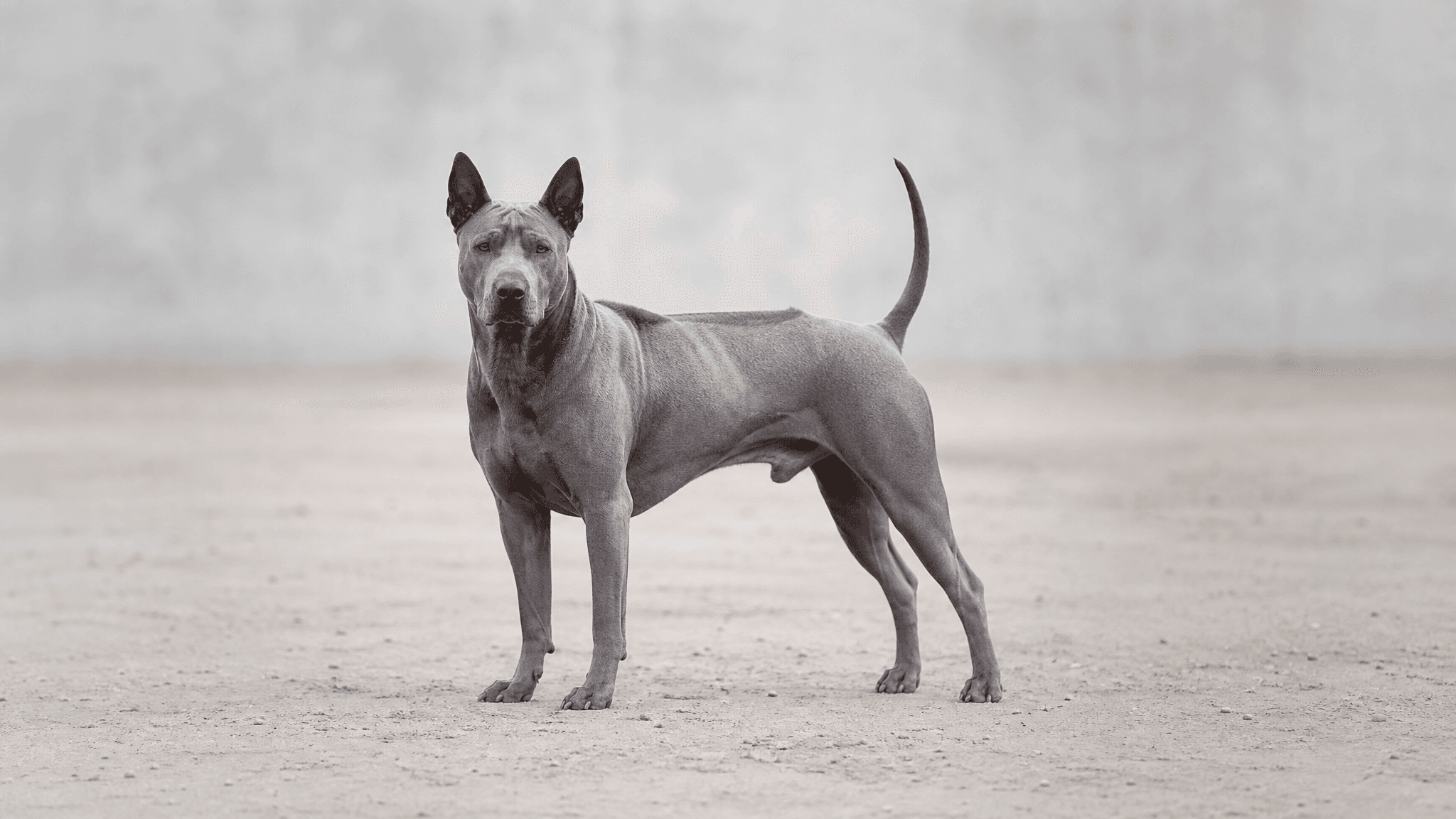
The Thai Ridgeback Dog is a primitive Thai breed, documented in Thai manuscripts over 350 years old. Like the Rhodesian Ridgeback, it has a dorsal ridge of hair that grows in the opposite direction to the rest of the coat — with eight different ridge patterns existing. It is an agile, active hunter with great jumping ability, historically used to hunt snakes and small to medium-sized animals.
Physical Characteristics
- Size
- Medium
- Height (male)
- 56–61 cm
- Height (female)
- 51–56 cm
- Weight (male)
- 23–34 kg
- Weight (female)
- 16–27 kg
- Life Expectancy
- 12–13 years
- Coat
- Short coat (3–5 mm) very close-lying, with a dorsal ridge of reverse growth; no undercoat
- Common Colors
- Blue-grey, black, red-fawn, Isabella (pale fawn); solid color
Temperament & Personality
The Thai Ridgeback Dog is a very loyal dog to its owner but suspicious and reserved with strangers. It has a strong survival and protection instinct, being an excellent guard dog. It is not suitable for inexperienced owners — it requires intensive and early socialization. With the family, it is affectionate and protective.
Activity & Exercise
- Energy Level
- High
- Recommended Daily Exercise
- 90 minutes
- Suitable for Apartment
- Not recommended
Grooming & Care
- Grooming Needs
- Minimal
- Shedding
- Minimal
- Bathing Frequency
- Every 4–6 weeks
Health
- Common Health Issues
- Hip dysplasia
- Midline dermoid sinus (hereditary skin cyst)
- Recommended Health Tests
- Hip evaluation
- Midline dermoid screening
Compatibility
- With Children
- Moderate
- With Other Dogs
- Can be difficult
- With Cats
- Can be difficult
- For First-Time Owners
- Not recommended
Is a Thai Ridgeback Dog right for you?
A Thai Ridgeback Dog may suit you if:
- You are prepared to provide at least 90 minutes of vigorous daily exercise to satisfy their high energy.
- You enjoy an active lifestyle that includes engaging your dog in hunting games or agility sports.
- You appreciate a loyal and protective companion who forms a deep bond with their family.
- You are committed to intensive early socialization and consistent, positive reinforcement training.
- You prefer a low-maintenance dog with minimal grooming needs and shedding.
- You are willing to manage a dog with a strong prey drive and impressive jumping ability.
Think twice if:
- You expect immediate obedience from a dog, as this primitive breed can be independent and strong-willed.
- You have a busy schedule that leaves a dog alone for long periods, as they thrive on companionship and activity.
- You have young children or other small pets, as their strong prey drive and protective nature require careful management.
- You are not prepared for a long-term commitment to daily vigorous exercise and ongoing training.
- You live in an apartment or do not have a securely fenced yard to contain an active and agile dog.
- You are not confident in handling a medium-sized, powerful dog with a protective instinct and reserved nature towards strangers.
Bringing a Thai Ridgeback into your life is a journey of deep loyalty and unique challenges. While they offer unwavering affection to their family, their independent spirit and protective instincts demand an experienced hand. With consistent training and dedicated socialization, you'll be rewarded with a truly devoted companion for their 12-13 year lifespan.
Training a Thai Ridgeback Dog
Training a Thai Ridgeback Dog is a rewarding journey that requires patience, consistency, and a deep understanding of their unique personality. These intelligent, primitive dogs thrive on positive reinforcement, responding best to short, engaging sessions that make them feel like they're choosing to participate. They are highly motivated by high-value treats, praise, and interactive play. If training becomes repetitive, harsh, or inconsistent, a Thai Ridgeback can quickly become bored, stubborn, or even reactive, disengaging entirely. Their independent nature means they need to see the value in what you're asking, so make it fun and clear.
Begin with:
- Attention and response to name around distractions
- Recall on a long line
- Loose-leash walking
- Leave it and drop it
- Calm greetings without jumping
- Settling on a mat or bed
- Cooperative handling for grooming, ears, feet and teeth
- Waiting at doors and gates
Prey drive and recall
Thai Ridgebacks possess a strong prey drive, historically hunting small to medium-sized animals. This instinct can make recall a significant challenge, especially in environments with tempting distractions like squirrels or birds. To counteract this, always start recall training in a secure, distraction-free area, gradually introducing more stimulating environments while your dog is on a long line. Use extremely high-value rewards that your dog rarely gets otherwise, making coming back to you the most exciting option available. Consistency is key, and never punish your dog for eventually returning, even if it took a while.
Managing their environment is crucial. Keep your Thai Ridgeback leashed in unfenced areas or use a long line for extra safety. Continue to practice recall regularly, even when you think they've mastered it, to reinforce this vital life skill. Remember, their agility and speed mean they can cover a lot of ground quickly if they decide to chase something.
Leash pulling and reactivity
Given their medium size and high energy, a Thai Ridgeback can be quite strong on the leash. Their reserved nature with strangers and potential difficulty with other dogs also means leash reactivity can be a common issue. Start loose-leash training early, using positive reinforcement to reward your dog for walking calmly by your side. Avoid pulling back on the leash, as this can often make the pulling worse; instead, stop walking when they pull and only resume when the leash is slack. For practical tips, check out this guide.
If your Thai Ridgeback shows reactivity towards other dogs or people, focus on creating positive associations from a distance. Keep walks structured and engaging, using treats and praise to keep their attention on you. Gradually decrease the distance to triggers as your dog becomes more comfortable, always staying below their threshold where they react. Intensive and early socialization is vital for this breed to help them navigate the world calmly.
Boredom and destructive behavior
Thai Ridgebacks are high-energy dogs, requiring around 90 minutes of exercise daily. If under-exercised or under-stimulated, they can become bored and channel their energy into destructive behaviors like chewing, digging, or excessive barking. They are not recommended for apartment living precisely because they need space and activity. Ensure they receive plenty of physical activity, including varied walks, runs, and playtime, to keep their bodies tired and their minds engaged.
Beyond physical exercise, provide mental stimulation through puzzle toys, scent work, and regular short training sessions. A bored Thai Ridgeback can also develop separation anxiety if left alone for long periods without adequate preparation and mental enrichment. Watch for signs of stress and consider professional help if separation anxiety becomes severe.
Thai Ridgeback Dog — Frequently Asked Questions
What is the Thai Ridgeback Dog?
The Thai Ridgeback Dog is a captivating medium-sized breed with a rich history, originating from Thailand. Recognized by the FCI in Group 5 as a Primitive Type - Hunting Dog, its most defining characteristic is the unique dorsal ridge of hair that runs along its back, growing in the opposite direction to the rest of its sleek coat. There are even eight distinct patterns for this ridge! These dogs are known for their agility, active nature, and impressive jumping ability, traits that reflect their ancient heritage and purpose.
What was the Thai Ridgeback Dog originally bred for?
The Thai Ridgeback Dog boasts a fascinating and ancient lineage, with its presence documented in Thai manuscripts dating back over 350 years. Originally, these agile and intelligent dogs were bred for their exceptional hunting prowess. They were historically utilized by people in Thailand to hunt a variety of prey, including snakes and other small to medium-sized animals. Their keen senses, speed, and great jumping ability made them invaluable companions for survival and protection in their native land, showcasing their natural instincts and resilience.
How much exercise does a Thai Ridgeback Dog need?
Thai Ridgeback Dogs are wonderfully active and energetic companions, so they definitely need a good amount of exercise to stay happy and healthy! With their high energy level, they thrive on regular physical activity. We recommend providing at least 90 minutes of dedicated exercise each day. This could include brisk walks, jogging, engaging playtime in a secure yard, or even activities like hiking. Their natural agility and jumping ability mean they love to move, so ensuring they get ample opportunity to burn off that energy is key for their well-being.
Is the Thai Ridgeback Dog a good family dog?
Bringing a Thai Ridgeback Dog into your family can be a truly rewarding experience, as they are incredibly loyal and protective of their loved ones, forming deep bonds and showing great affection within their family. However, their strong protective instincts mean they can be suspicious and reserved with strangers, making early and intensive socialization absolutely crucial. They are not typically recommended for first-time dog owners. With consistent guidance and proper introduction, they can thrive as devoted family members, and with careful supervision, they can do well with children and other pets.
Is the Thai Ridgeback Dog easy to train?
Training a Thai Ridgeback Dog requires a dedicated and experienced owner, as they are known for their independent spirit and strong will. While intelligent and loyal to their owners, their primitive nature and strong survival instincts mean they are not typically considered easy to train for beginners. Intensive and early socialization is absolutely essential to help them become well-adjusted companions, especially given their reserved nature with strangers and protective instincts. Consistent, positive reinforcement methods, patience, and firm but gentle leadership will yield the best results in shaping a well-behaved Thai Ridgeback.
What health issues are common in the Thai Ridgeback Dog?
Like all breeds, Thai Ridgeback Dogs can be prone to certain health conditions, and it's wonderful to be aware of these so you can provide the best care. Two documented health concerns for this breed are hip dysplasia and midline dermoid sinus. Hip dysplasia is a condition affecting the hip joints, which can be managed with veterinary care. Midline dermoid sinus is a hereditary skin cyst that typically appears along the spine. Responsible breeders screen for these conditions, and regular veterinary check-ups are always important for early detection and management, helping your furry friend live a long, healthy life.
What is the Thai Ridgeback Dog's coat like and how much grooming does it need?
The Thai Ridgeback Dog boasts a truly unique and striking coat, defined by its namesake dorsal ridge of hair. This remarkable feature runs along their back, with the hair growing in the opposite direction to the rest of their sleek, short coat. Interestingly, there are eight distinct patterns for this ridge! Beyond this captivating characteristic, their short coat is generally low-maintenance, requiring minimal grooming to keep it looking its best. A quick brush a few times a week is usually sufficient to remove loose hairs and maintain its healthy shine, making them a relatively easy breed to care for in terms of coat upkeep.
What is the typical lifespan of a Thai Ridgeback Dog?
It's always lovely to know how long you can expect to share your life with your beloved canine companion! The typical lifespan of a Thai Ridgeback Dog is generally between 12 and 13 years. With proper nutrition, regular exercise, consistent veterinary care, and plenty of love, these wonderful dogs can enjoy a full and vibrant life by your side. Providing them with a healthy environment and attentive care will help ensure they reach their full potential and bring joy to your home for many years.
Community
Talk to real Thai Ridgeback Dog owners
This guide covers the breed on paper. In the app, the Thai Ridgeback Dog community covers it in real life: photos from other owners, questions answered by people who live with the breed, and a directory of dogs you can browse.
- Photos & pollsSee what Thai Ridgeback Dog owners are sharing today.
- Questions & answersAsk anything and hear from people who own one.
- Dog directoryBrowse Thai Ridgeback Dogs from around the world.
You join automatically when you add a Thai Ridgeback Dog to your profile.