Anjing Kintamani-Bali
Summary
The Kintamani-Bali Dog is the only FCI-recognized breed originating from Indonesia, native to the village of Sukawana, in the Kintamani district, on the outskirts of the Batur volcano in Bali. It developed from Balinese street dogs in a high-altitude region (1,500 m above sea level), where the cooler climate favored a thicker coat than in coastal dogs. Definitively recognized by the FCI in 2019.
Physical Characteristics
- Size
- Medium
- Height (male)
- 49–57 cm
- Height (female)
- 44–52 cm
- Weight (male)
- 15–18 kg
- Weight (female)
- 13–16 kg
- Life Expectancy
- 12–15 years
- Coat
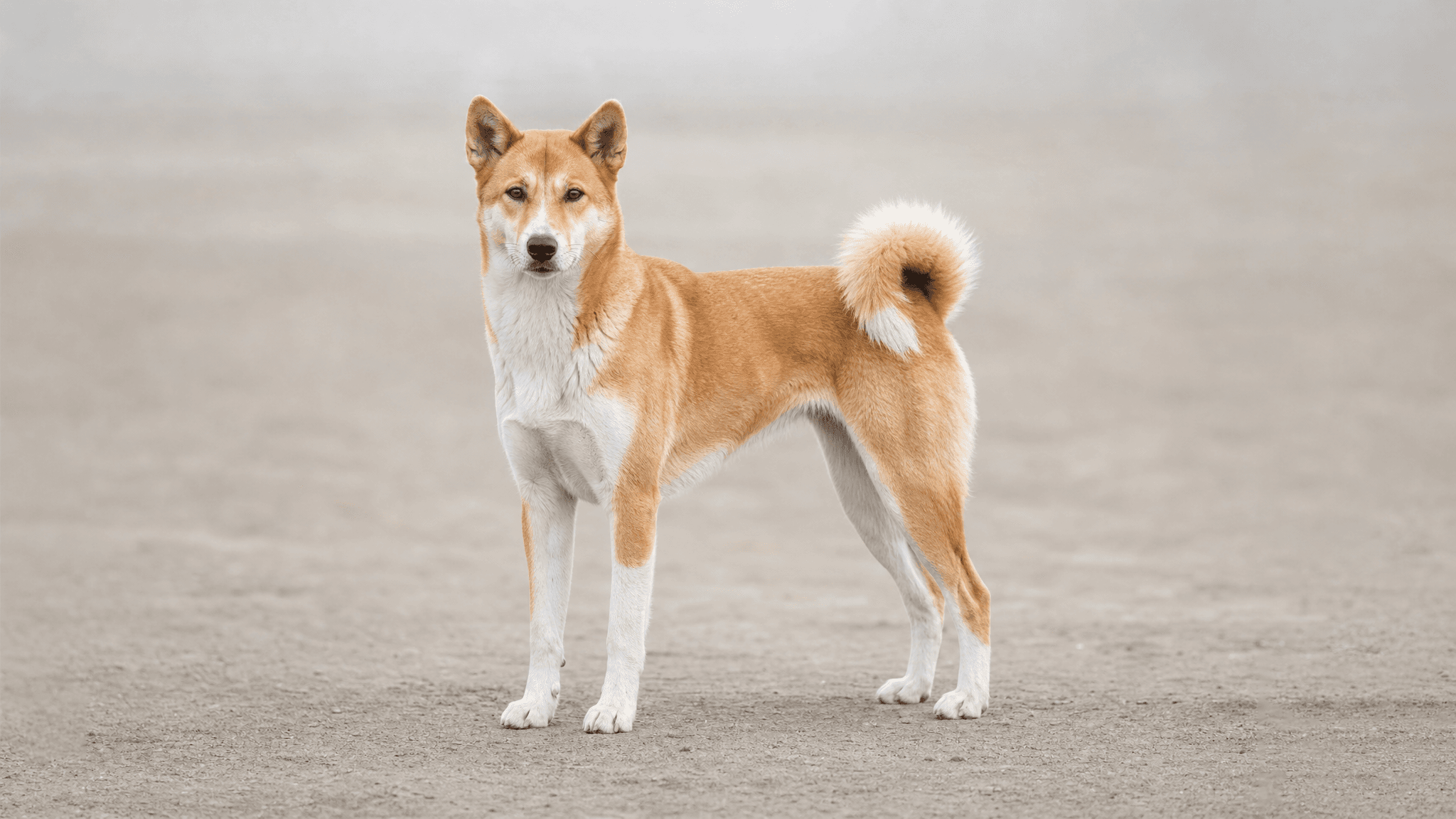
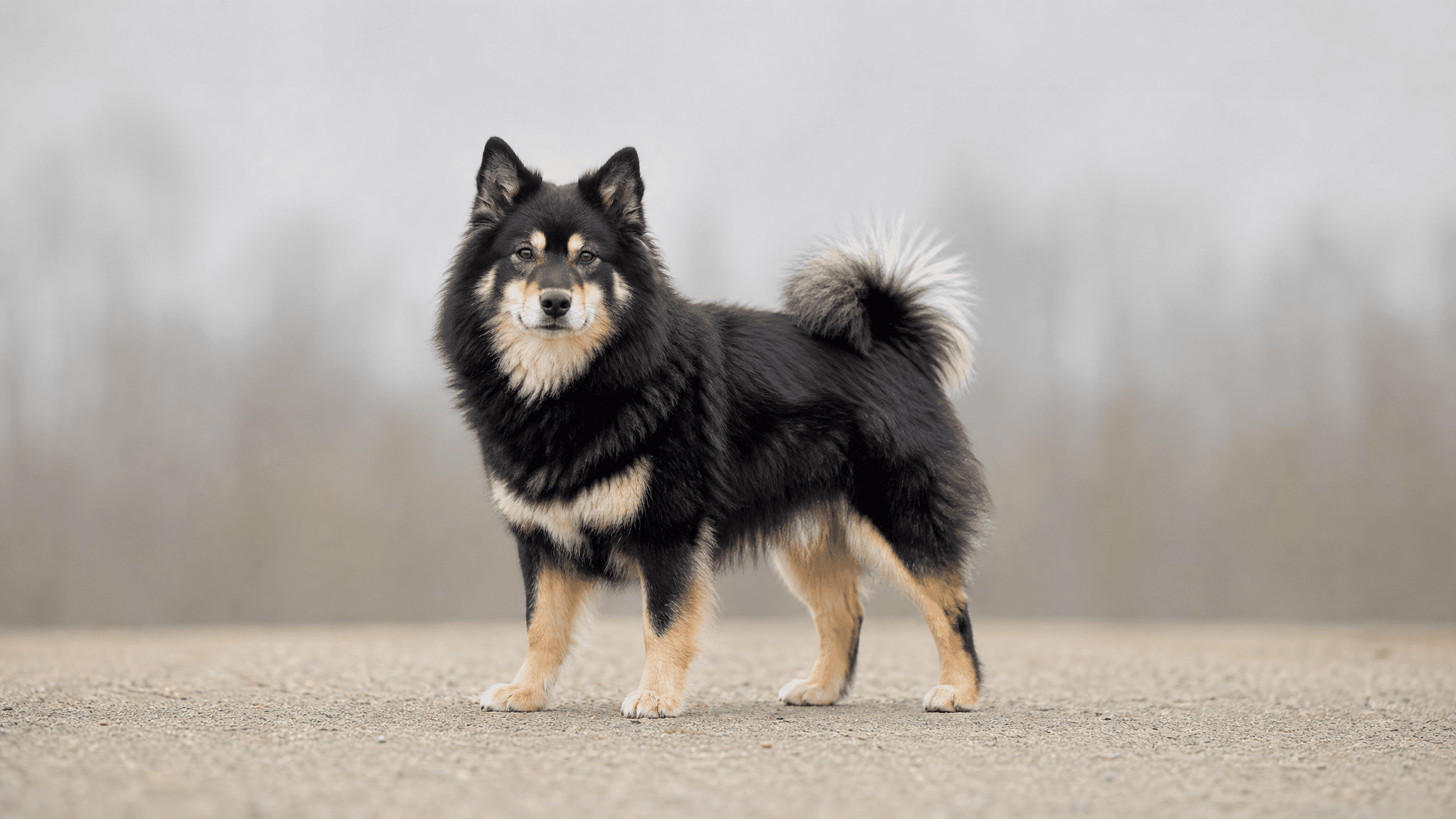
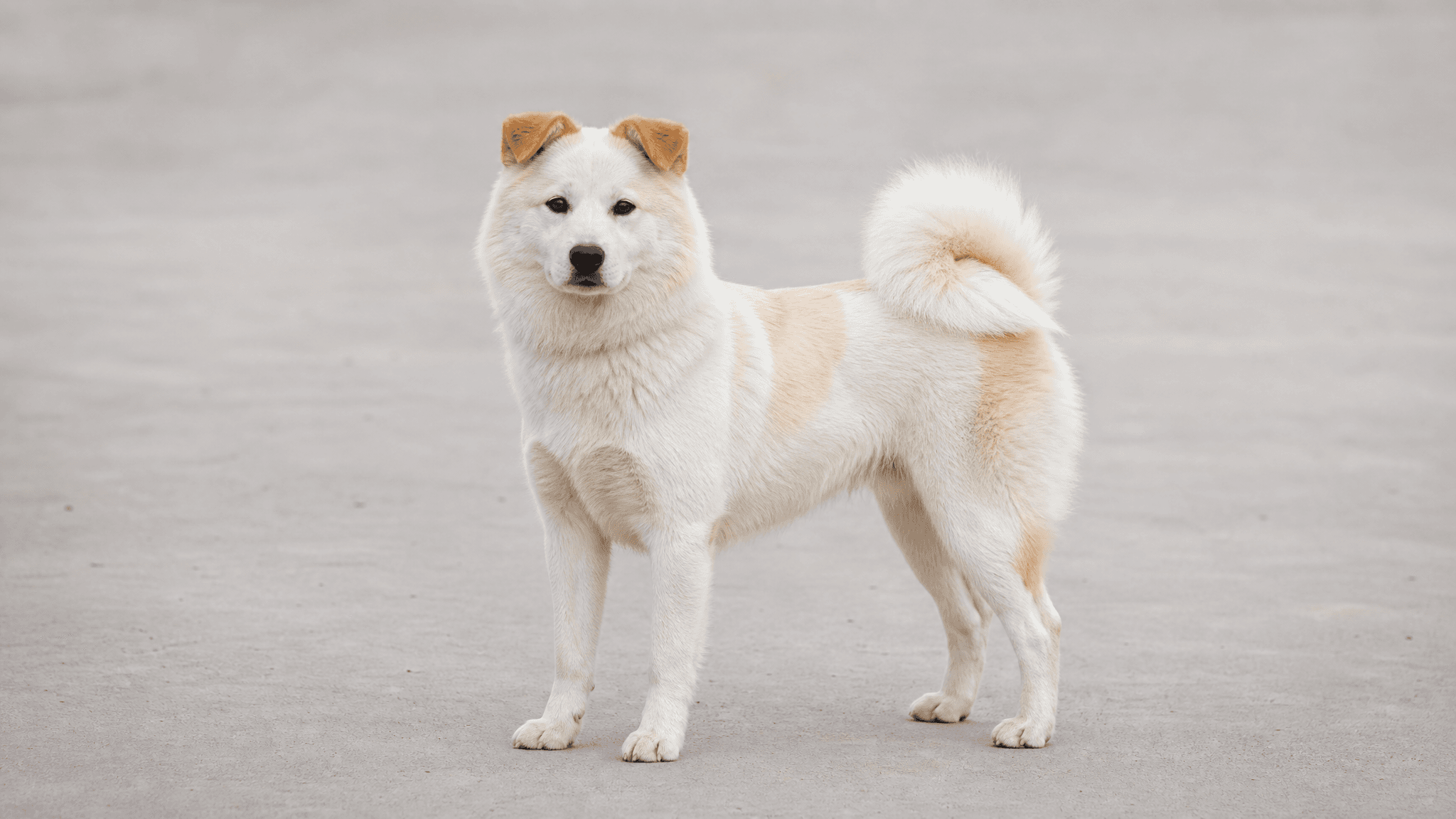
- Double; long outer coat; dense undercoat; semi-erect ears with tips folded forward
- Common Colors
- White (preferred, often with biscuit/apricot ear tips), fawn, red, brindle, black; black mask preferred in non-white colors
Temperament & Personality
The Kintamani-Bali Dog is intelligent, loyal, and independent, with a highly developed alert instinct. It is an excellent guard dog for the family. It can be reserved with strangers but is not excessively aggressive. Its independence reflects centuries of semi-domestication in Balinese villages.
Activity & Exercise
- Energy Level
- Moderate to high
- Recommended Daily Exercise
- 60 minutes
- Suitable for Apartment
- Yes with exercise
Grooming & Care
- Grooming Needs
- Moderate
- Shedding
- Moderate
- Bathing Frequency
- Every 6–8 weeks
Health
- Common Health Issues
- Breed with a relatively small population outside Indonesia
- Hip dysplasia
- Recommended Health Tests
- Hip evaluation
Compatibility
- With Children
- Good
- With Other Dogs
- Good
- With Cats
- Moderate
- For First-Time Owners
- Acceptable
Is an Anjing Kintamani-Bali right for you?
An Anjing Kintamani-Bali may suit you if:
- You are prepared to provide at least 60 minutes of engaging exercise daily to satisfy their moderate to high energy.
- You enjoy outdoor adventures and can incorporate your intelligent companion into an active, stimulating lifestyle.
- You appreciate a loyal, independent, and alert companion who will be a dedicated guardian for your family.
- You are committed to consistent, positive training methods to guide an intelligent and independent spirit.
- You are willing to provide moderate grooming, including regular brushing of their beautiful double coat.
- You are ready to manage their natural guarding instincts and reserved nature towards new people.
Think twice if:
- You expect immediate, unwavering obedience from a highly independent and free-spirited breed.
- You plan to leave your dog alone for long periods each day, which can be challenging for this loyal breed.
- You have cats and are not prepared for a careful, gradual introduction and ongoing supervision.
- You are unable to commit to at least an hour of daily exercise or regular moderate grooming.
- You lack a secure living space or are unprepared for their potential vocalizations and need for secure containment.
- You are not prepared for the consistent guidance and firm, yet gentle, handling an independent adolescent dog requires.
The Anjing Kintamani-Bali offers a unique blend of ancient independence and deep loyalty. While they are intelligent and make devoted family guardians, their free-spirited nature means they thrive with owners who appreciate their distinct personality. Be ready to embrace their spirited independence with consistent guidance, and you'll gain a truly special companion for 12 to 15 years.
Training an Anjing Kintamani-Bali
Training an Anjing Kintamani-Bali is a rewarding experience, as these intelligent and loyal dogs thrive on positive reinforcement. Their independent nature, a reflection of centuries of semi-domestication, means they respond best to short, engaging sessions filled with praise and high-value treats. Avoid repetitive drills or harsh corrections, as these can quickly lead to disengagement or stubbornness. Consistency is key, as is understanding their highly developed alert instinct; distractions can easily derail a session if not managed. Your Kintamani-Bali wants to please you, but they also think for themselves, so make training a fun, cooperative partnership.
Begin with:
- Attention and response to name around distractions
- Recall on a long line
- Loose-leash walking
- Leave it and drop it
- Calm greetings without jumping
- Settling on a mat or bed
- Cooperative handling for grooming, ears, feet and teeth
- Waiting at doors and gates
Alertness and reactivity
The Anjing Kintamani-Bali possesses a highly developed alert instinct and is an excellent guard dog. This natural trait means they can be reserved with strangers and may react to new sights, sounds, or people in their environment. Early and consistent socialization from a young age is crucial to help them learn that new experiences are safe and positive. Expose them to a variety of environments, people, and other well-behaved dogs in a controlled, positive manner.
Focus on rewarding calm behavior around novel stimuli. If your Kintamani-Bali barks or reacts, gently redirect their attention and reward them for looking at you or being quiet. Managing their environment to avoid overwhelming situations can also be helpful while you build their confidence and appropriate responses.
Independent leash walkers
Given their moderate to high energy levels and independent spirit, Kintamani-Bali dogs can be strong pullers on the leash, especially when their alert instinct kicks in and they spot something interesting. Consistent loose-leash walking training from puppyhood is essential. Use positive reinforcement, rewarding your dog frequently for walking nicely by your side without tension on the leash. Make walks engaging and varied to hold their attention.
If you're struggling with leash pulling, remember that patience and consistency are your best tools. Consider using a front-clip harness for better control without discomfort, and check out our guide on stopping leash pulling for practical steps you can implement today.
Unchanneled energy
With a recommended daily exercise of 60 minutes and a moderate to high energy level, an under-exercised or under-stimulated Kintamani-Bali can quickly develop unwanted behaviors. Their intelligence and independence mean they need more than just physical activity; mental enrichment is equally important. Without sufficient outlets for their energy and minds, they might resort to destructive chewing, excessive barking (due to their alert nature), or digging in the yard.
Ensure your Kintamani-Bali receives their daily exercise, incorporating varied activities like walks, hikes, or playtime in a secure area. Supplement this with puzzle toys, scent work, and regular training sessions to keep their intelligent minds engaged. For more ideas on how to keep your dog mentally stimulated and prevent boredom, explore our training feature which can help you build a consistent routine.
Anjing Kintamani-Bali — Frequently Asked Questions
What is the Anjing Kintamani-Bali?
Oh, let me tell you about the wonderful Anjing Kintamani-Bali! This charming medium-sized dog is Indonesia's only FCI-recognized breed, hailing specifically from the Kintamani district in Bali, near the majestic Batur volcano. They developed from local street dogs in a high-altitude region (1,500 m above sea level), which explains their beautiful, thicker coat compared to other Balinese dogs. As a member of FCI Group 5, the Asian Spitz and Related Breeds, they share characteristics with other spitz-type dogs, known for their alert nature and striking appearance. They were definitively recognized by the FCI in 2019, bringing this unique Balinese treasure to global attention.
What was the Anjing Kintamani-Bali originally bred for?
The Anjing Kintamani-Bali has a fascinating history rooted deeply in Balinese village life! For centuries, these intelligent and loyal dogs lived in a state of semi-domestication, developing their strong independent spirit and remarkable alert instincts. They weren't specifically 'bred' in the modern sense but evolved naturally within the communities, becoming invaluable companions and protectors. Their natural vigilance and protective nature made them excellent guard dogs for families and homes, always ready to alert their loved ones to anything unusual. This rich heritage contributes to their unique temperament today, making them truly special companions.
How much exercise does an Anjing Kintamani-Bali need?
Keeping your Kintamani-Bali happy and healthy means ensuring they get enough activity! These wonderful dogs have a moderate to high energy level, so they thrive with regular exercise. We recommend at least 60 minutes of daily activity to keep them physically fit and mentally stimulated. This could be a brisk walk, a fun game of fetch in the yard, or even exploring new scents on a hike. Consistent exercise helps manage their energy, prevents boredom, and strengthens your bond, making for a well-adjusted and joyful companion. They truly love to be active with their people!
Is the Anjing Kintamani-Bali a good family dog?
Absolutely, the Anjing Kintamani-Bali can be a wonderful addition to the right family! They are incredibly loyal to their loved ones and possess a highly developed alert instinct, making them excellent guard dogs who will protect their home and family. While they can be a bit reserved with strangers, they are not excessively aggressive, preferring to observe first. Their independent nature, stemming from centuries of semi-domestication, means they appreciate clear boundaries and consistent training. With proper socialization from a young age, they can integrate beautifully into a family setting, offering unwavering devotion and a watchful presence.
Is the Anjing Kintamani-Bali easy to train?
Training an Anjing Kintamani-Bali can be a rewarding experience, thanks to their intelligence and loyalty! They are certainly smart dogs, which means they can pick up commands quickly. However, their independent spirit, a trait developed over centuries of semi-domestication, means they thrive with consistent, positive reinforcement training. Patience and understanding are key, as they might test boundaries. While they are loyal to their family, their reserved nature with strangers means early socialization is important. With a gentle yet firm approach, you'll find them eager to please and capable of learning a great deal, making them well-behaved companions.
What health issues are common in the Anjing Kintamani-Bali?
Like all breeds, the Anjing Kintamani-Bali can be prone to certain health considerations, though generally, they are a robust breed. One concern that has been documented is hip dysplasia, a condition affecting the hip joints. It's always wise to choose a reputable breeder who screens their dogs for such issues to help ensure the healthiest start for your puppy. Because they have a relatively small population outside of Indonesia, comprehensive health data can be less extensive than for more common breeds. Regular veterinary check-ups and a healthy lifestyle are your best tools for keeping your Kintamani-Bali happy and thriving throughout their life.
What is the Anjing Kintamani-Bali's coat like and how much grooming does it need?
The Anjing Kintamani-Bali boasts a beautiful, thick coat that is one of its defining features! This dense double coat developed naturally in their high-altitude Balinese homeland, providing excellent insulation against cooler temperatures. To keep their coat healthy and prevent matting, especially during shedding seasons, regular grooming is essential. Brushing them a few times a week will help remove loose hair, distribute natural oils, and keep their fur looking its best. While they aren't typically high-maintenance in terms of professional grooming, consistent home care will ensure their stunning coat remains a source of pride and comfort.
What is the typical lifespan of an Anjing Kintamani-Bali?
It's wonderful to think about the many years of companionship you can share with an Anjing Kintamani-Bali! These lovely dogs typically enjoy a healthy lifespan of 12 to 15 years. Providing them with excellent nutrition, regular veterinary care, plenty of exercise, and a loving home environment are all key factors in helping them reach their full potential and live a long, happy life by your side. They truly become cherished family members, and their longevity means more precious moments together.
Community
Talk to real Anjing Kintamani-Bali owners
This guide covers the breed on paper. In the app, the Anjing Kintamani-Bali community covers it in real life: photos from other owners, questions answered by people who live with the breed, and a directory of dogs you can browse.
- Photos & pollsSee what Anjing Kintamani-Bali owners are sharing today.
- Questions & answersAsk anything and hear from people who own one.
- Dog directoryBrowse Anjing Kintamani-Balis from around the world.
You join automatically when you add a Anjing Kintamani-Bali to your profile.