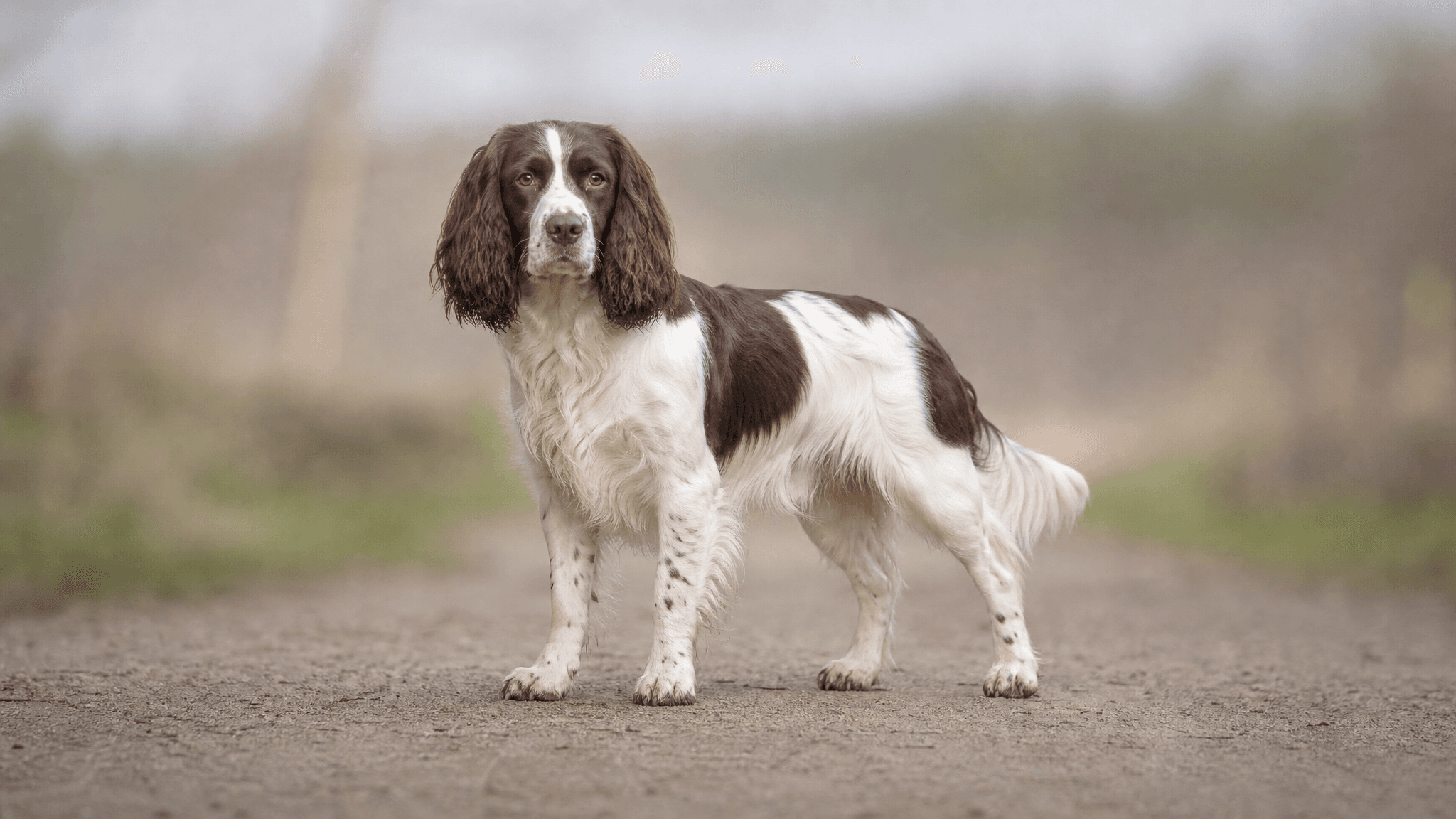
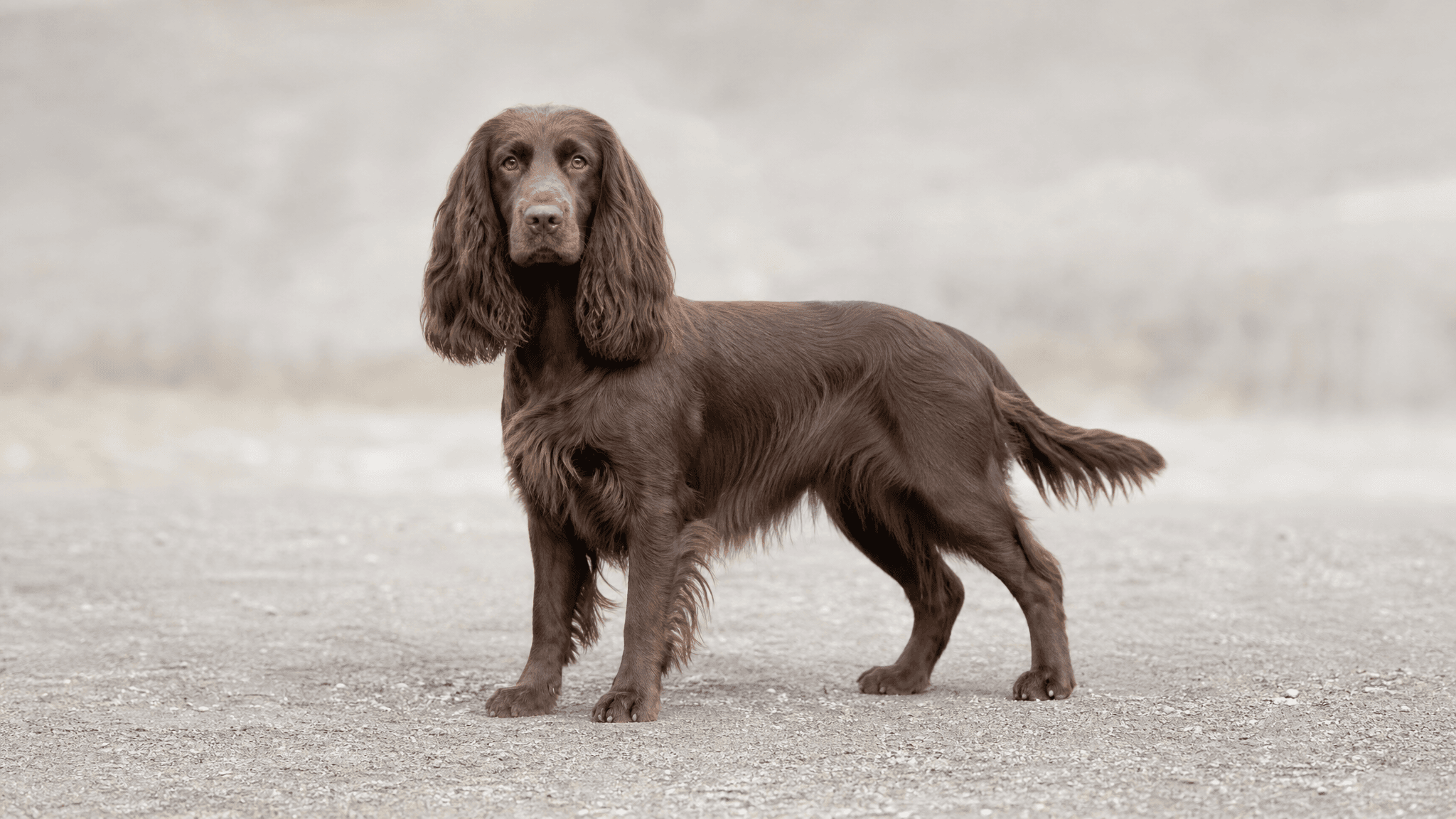
Sussex Spaniel

Summary
The Sussex Spaniel is a rare and distinct breed, originating from the county of Sussex in England, where it was developed in the early 19th century specifically to work in very dense cover and difficult terrain. It is one of the slowest and most deliberate spaniels, but with an exceptional nose and great perseverance. Its serious and melancholic expression curiously contrasts with its genuinely cheerful and affectionate temperament.
Physical Characteristics
- Size
- Medium
- Height (male)
- 33–38 cm
- Height (female)
- 33–38 cm
- Weight (male)
- 16–20 kg
- Weight (female)
- 16–20 kg
- Life Expectancy
- 13–15 years
- Coat
- Abundant, wavy, with rich golden sheen; feathering on the ears, legs, and belly
- Common Colors
- Exclusively golden liver — the only dog breed with this mandatory exclusive color
Temperament & Personality
The Sussex Spaniel has a calm, patient, and very affectionate nature. It is extremely loyal and attached to its family — it tends to follow its owners from room to room. Its serious and frowning expression is deceptive: inside it is a cheerful and loving dog. In the field, it is a slow but determined worker, known for its characteristic voice (it barks while tracking game, unlike other spaniels).
Activity & Exercise
- Energy Level
- Low to moderate
- Recommended Daily Exercise
- 30–45 minutes
- Suitable for Apartment
- Yes with exercise
Grooming & Care
- Grooming Needs
- Moderate
- Shedding
- Moderate
- Bathing Frequency
- Every 4–6 weeks
Health
- Common Health Issues
- Congenital heart disease
- Hip and elbow dysplasia
- Intervertebral disc disease (IVDD)
- Otitis
- Pyruvate dehydrogenase deficiency (PDH1 — a serious genetic disease that causes exercise intolerance)
- Recommended Health Tests
- Cardiac examination
- Genetic test for PDH1
- Hip radiography
Compatibility
- With Children
- Excellent
- With Other Dogs
- Good
- With Cats
- Good
- For First-Time Owners
- Recommended
Is a Sussex Spaniel right for you?
A Sussex Spaniel may suit you if:
- You are prepared to offer 30-45 minutes of daily exercise, enjoying their deliberate pace and keen nose for exploration.
- You enjoy a companion who will devotedly follow you from room to room, thriving on close family bonds.
- You appreciate a calm, patient, and deeply affectionate dog whose serious expression hides a truly cheerful heart.
- You are ready to engage in consistent, positive training with a dog known for its perseverance and biddable nature.
- You are happy to commit to moderate grooming, keeping their abundant, wavy coat with its beautiful feathering looking its best.
- You can appreciate their characteristic voice, especially if they use it to enthusiastically announce a discovery on a walk.
Think twice if:
- You expect instant, robot-like obedience, as their deliberate nature means they prefer to think things through.
- You often leave dogs alone for long periods, as this breed thrives on constant companionship and can become anxious without it.
- You are unwilling to provide their consistent moderate grooming, which is essential to prevent matting in their beautiful coat.
- You have an unfenced yard or believe a medium-sized dog can be left unsupervised outside, as they are determined explorers.
- You expect a puppy to be instantly calm and composed, rather than navigating the spirited, inquisitive nature of a growing spaniel.
- You dislike a dog with a distinctive voice, as Sussex Spaniels are known to vocalize when on a scent.
The Sussex Spaniel is a delightful paradox: a calm, loyal companion with a deceptively serious face, hiding a cheerful, affectionate soul. While they adore being by your side and are generally easygoing, their spaniel heritage means they possess a determined spirit and a keen nose that loves to explore. Embracing their unique blend of laid-back charm and enthusiastic scent-driven curiosity is key to a truly harmonious life together.
Training a Sussex Spaniel
Training a Sussex Spaniel is a truly rewarding experience, thanks to their calm, patient, and deeply affectionate nature. These loyal companions thrive on positive reinforcement, responding beautifully to cheerful praise, gentle encouragement, and tasty treats from their beloved family. Keep training sessions short, fun, and consistent to match their 'slow but determined' working style. Impatience or harsh methods will quickly shut down their sensitive spirit, leading to a confused and withdrawn pup rather than a willing learner. Consistency is key to building their confidence and ensuring they understand what's expected.
Begin with:
- Attention and response to name around distractions
- Recall on a long line
- Loose-leash walking
- Leave it and drop it
- Calm greetings without jumping
- Settling on a mat or bed
- Cooperative handling for grooming, ears, feet and teeth
- Waiting at doors and gates
Scent-driven distractions
Your Sussex Spaniel's exceptional nose and strong instinct as a flushing dog mean they can become incredibly engrossed in a scent trail. This natural drive, combined with their characteristic barking while tracking, can make recall a real challenge, especially in stimulating outdoor environments. To help them master coming back to you, start practicing recall in a quiet, low-distraction area, using high-value treats and enthusiastic praise.
Gradually introduce more distractions as they improve, always ensuring their safety with a long line until their recall is rock-solid. Remember, patience is vital; their determination means they won't give up on a scent easily, so you need to be even more engaging. For more detailed guidance, check out our guide on teaching a dog to come when called.
Pulling on the leash
While they have a low to moderate energy level, a Sussex Spaniel's medium size (typically 16-20 kg) and determined nature mean they can pull with surprising strength on the leash, particularly when they catch an interesting scent. This can make your daily 30-45 minutes of exercise less enjoyable for both of you. Starting early with loose-leash training is crucial for this breed.
Use positive reinforcement to reward them for walking nicely by your side. Practice changing directions frequently during your walks; this keeps their attention on you rather than letting them fixate on the environment. For a helpful, force-free approach to tackle this common issue, take a look at this plan to stop leash pulling.
Alone time woes
Sussex Spaniels are known for being extremely loyal and attached to their families, often following their owners from room to room. This wonderful trait means they thrive on companionship, but it can also make them prone to developing separation anxiety or engaging in destructive behaviors if they are left alone for extended periods without adequate preparation or stimulation. Even with their low to moderate energy, they need their daily exercise and mental engagement.
To help your Sussex Spaniel cope with alone time, gradually accustom them to your absence, starting with very short periods and slowly increasing the duration. Provide engaging puzzle toys to keep their minds busy, and always ensure they've had their recommended 30-45 minutes of daily exercise before you leave. Understanding the signs of stress can also be very helpful; you can learn more by reading how to tell if your dog is stressed when you leave.
Sussex Spaniel — Frequently Asked Questions
What is the Sussex Spaniel?
The Sussex Spaniel is a rare, low-slung, golden-liver spaniel from Sussex, England, developed in the late 18th century by the breeder Fuller of Rosehill Park. They were bred specifically for hunting in the heavy clay soils and dense undergrowth of the Sussex countryside — working at a slow, deliberate pace that allowed hunters on foot to keep up, rather than flushing game at speed. They are one of the few spaniel breeds known for giving voice on the trail — using their melodious howl to indicate they are tracking game. They are a critically endangered breed, with very small numbers worldwide. In character they are calm, loyal, affectionate, and surprisingly stubborn.
Are Sussex Spaniels good family dogs?
Sussex Spaniels make wonderful companions for the right family. They are calm, gentle, affectionate, and devoted to their household — particularly tolerant and gentle with children. They are not hyperactive dogs and are quite content with moderate daily exercise, making them more manageable than many sporting breeds. Their stubborn streak means they need patient, consistent training. Their tendency to use their voice (howling on the trail is instinctive) means they may not be ideal for noise-sensitive households or apartments with thin walls. For a family that wants a rare, characterful, deeply loyal dog with a calm indoor temperament, the Sussex Spaniel is extraordinary.
How much exercise does a Sussex Spaniel need?
Sussex Spaniels need 45–60 minutes of moderate daily exercise. They were bred to work slowly and methodically through dense cover — they are not built for speed or high-intensity activity. Daily walks, off-leash exploring in secure areas, and gentle fieldwork keep them content. Their short legs and low body mean they do not need — or particularly enjoy — marathon hikes or running. They are particularly well-suited for nose work, tracking, and gentle field activities that engage their hunting instincts. Sussex Spaniels are suitable for less active owners who nonetheless ensure consistent daily walks — they are one of the more manageable sporting breeds in terms of exercise demands.
What health issues affect Sussex Spaniels?
The Sussex Spaniel's small population creates health monitoring challenges. Hip and elbow dysplasia are concerns — screening is important. Intervertebral disc disease (IVDD) — a spinal condition — is a risk for their low, long body type; avoid excessive jumping and manage weight carefully. Heart conditions including pulmonary stenosis and patent ductus arteriosus have been documented in the breed. Ear infections are common due to pendulous ears — regular cleaning is important. Eye conditions have been noted. Given their rarity and small gene pool, ongoing health monitoring programmes and responsible breeding are particularly critical for this breed's long-term wellbeing and survival.
How long do Sussex Spaniels live?
Sussex Spaniels have an average lifespan of 12–15 years. Their longevity factors include regular cardiac monitoring (heart conditions are documented — annual auscultation is recommended), ear cleaning (preventing chronic infections), protecting the spine from excessive strain (avoiding jumping from heights, maintaining healthy weight — very important for their long-backed type), annual vet check-ups, dental care, and consistent moderate daily exercise. Given their rarity, connecting with the national breed club and working with a knowledgeable vet familiar with the breed's specific health profile is particularly valuable. Well-cared-for Sussex Spaniels can be remarkably healthy, long-lived companions.
Why is the Sussex Spaniel so rare?
The Sussex Spaniel is one of the rarest dog breeds in the world, classified as vulnerable by The Kennel Club (fewer than 300 registrations annually in the UK). Their near-extinction has a specific history: by the end of World War II, the breed was reduced to only 10 individuals worldwide. The breed was saved from extinction by the extraordinary dedication of breeder Joy Freer, who maintained her dogs through the war years and rebuilt the breed from this tiny foundation. Today their numbers remain critically low — registrations fluctuate between 50–150 per year in the UK — making responsible breeding and breed preservation absolutely essential. For those drawn to rare breeds, owning a Sussex Spaniel means actively contributing to their survival.
Do Sussex Spaniels howl?
Yes — the Sussex Spaniel is one of very few spaniels that gives voice on the trail, using a melodious, baying howl to signal to hunters that they have found game. This characteristic was purposefully bred into them to assist foot hunters who needed to hear where the dogs were working in dense cover. As companion dogs, this instinct remains — Sussex Spaniels may howl when they pick up interesting scents outdoors, when they want attention, or when they are anxious or bored. Their howl is melodious and distinctive. Management through adequate exercise, mental stimulation, and positive training helps, but their vocal nature is an inherent breed characteristic that cannot be completely trained out.
How do you groom a Sussex Spaniel?
The Sussex Spaniel has a flat, silky, golden-liver coat with feathering on the ears, chest, belly, and legs. Their coat requires moderate grooming. Thorough brushing 2–3 times per week prevents tangles in the feathering and keeps the flat body coat lying correctly. Particular attention should be paid to the ear feathering and the feathering behind the legs, which can mat. Professional trimming or thinning every 8–12 weeks keeps the coat neat and manageable, though many owners choose to keep their coat in a more natural working trim. Ear cleaning weekly is essential — their pendulous, feathered ears restrict airflow and are prone to infection. They are moderate shedders. After muddy walks, their low-slung body picks up considerable debris.
Community
Talk to real Sussex Spaniel owners
This guide covers the breed on paper. In the app, the Sussex Spaniel community covers it in real life: photos from other owners, questions answered by people who live with the breed, and a directory of dogs you can browse.
- Photos & pollsSee what Sussex Spaniel owners are sharing today.
- Questions & answersAsk anything and hear from people who own one.
- Dog directoryBrowse Sussex Spaniels from around the world.
You join automatically when you add a Sussex Spaniel to your profile.