Field Spaniel
Summary
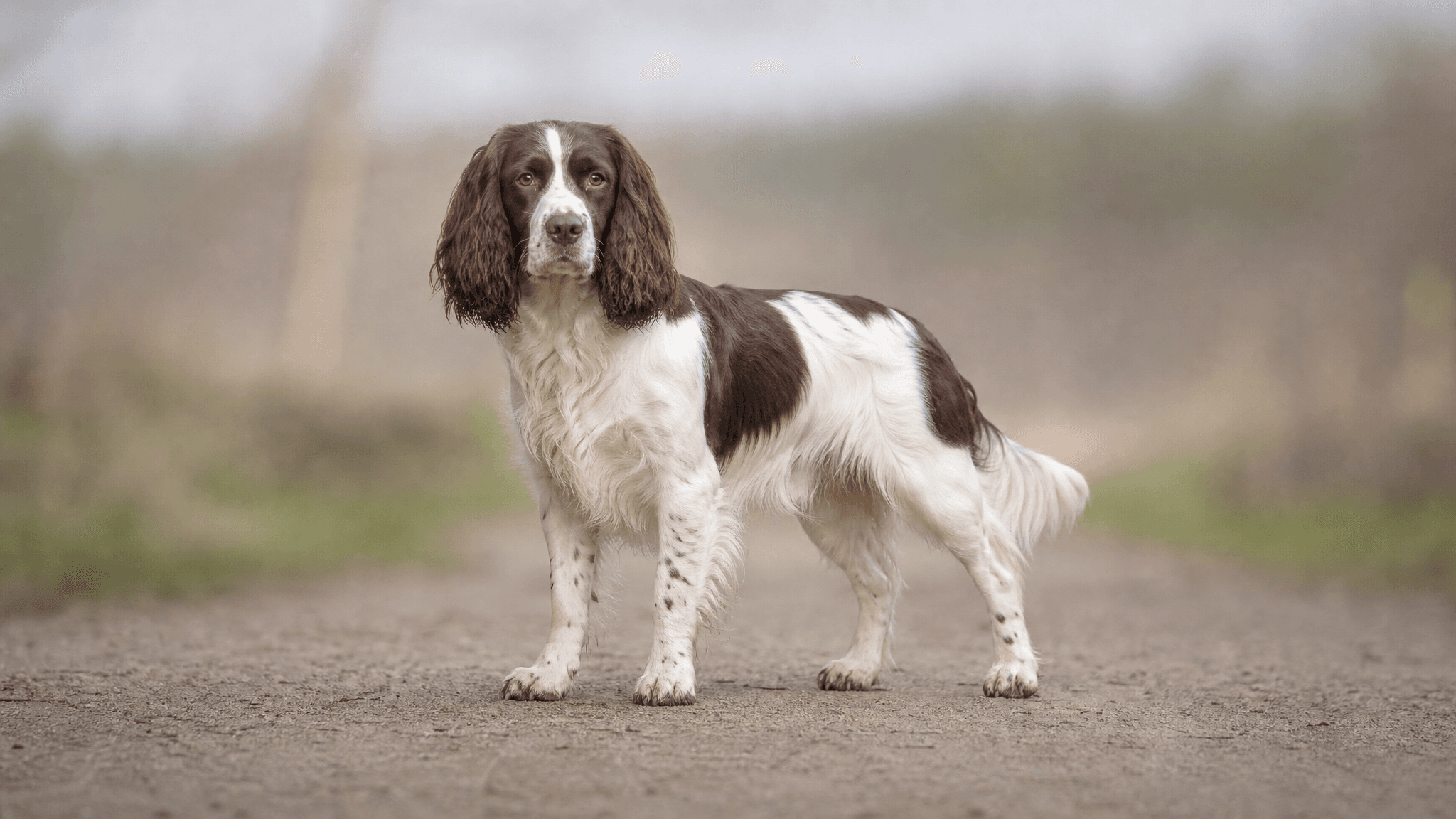
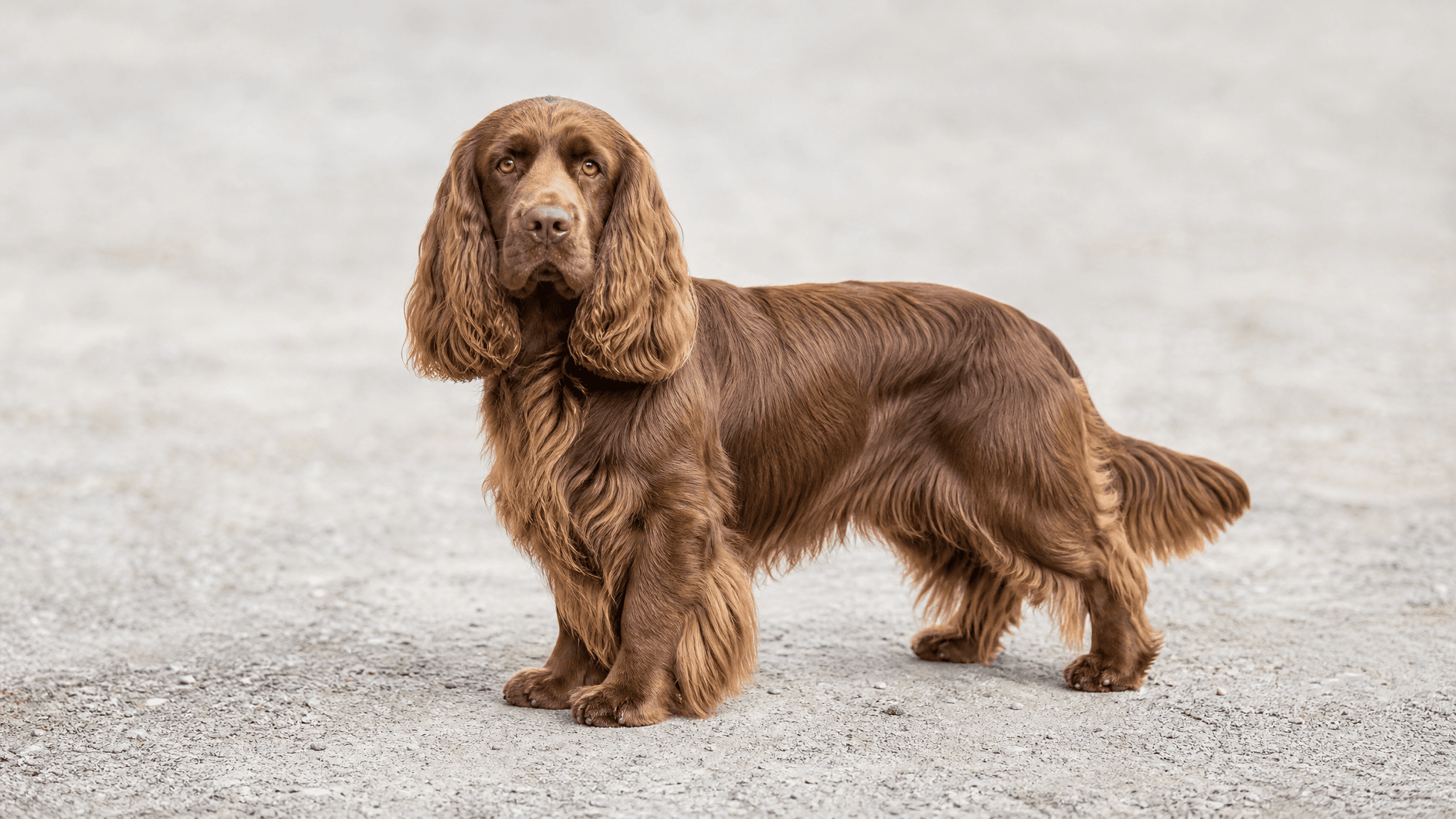
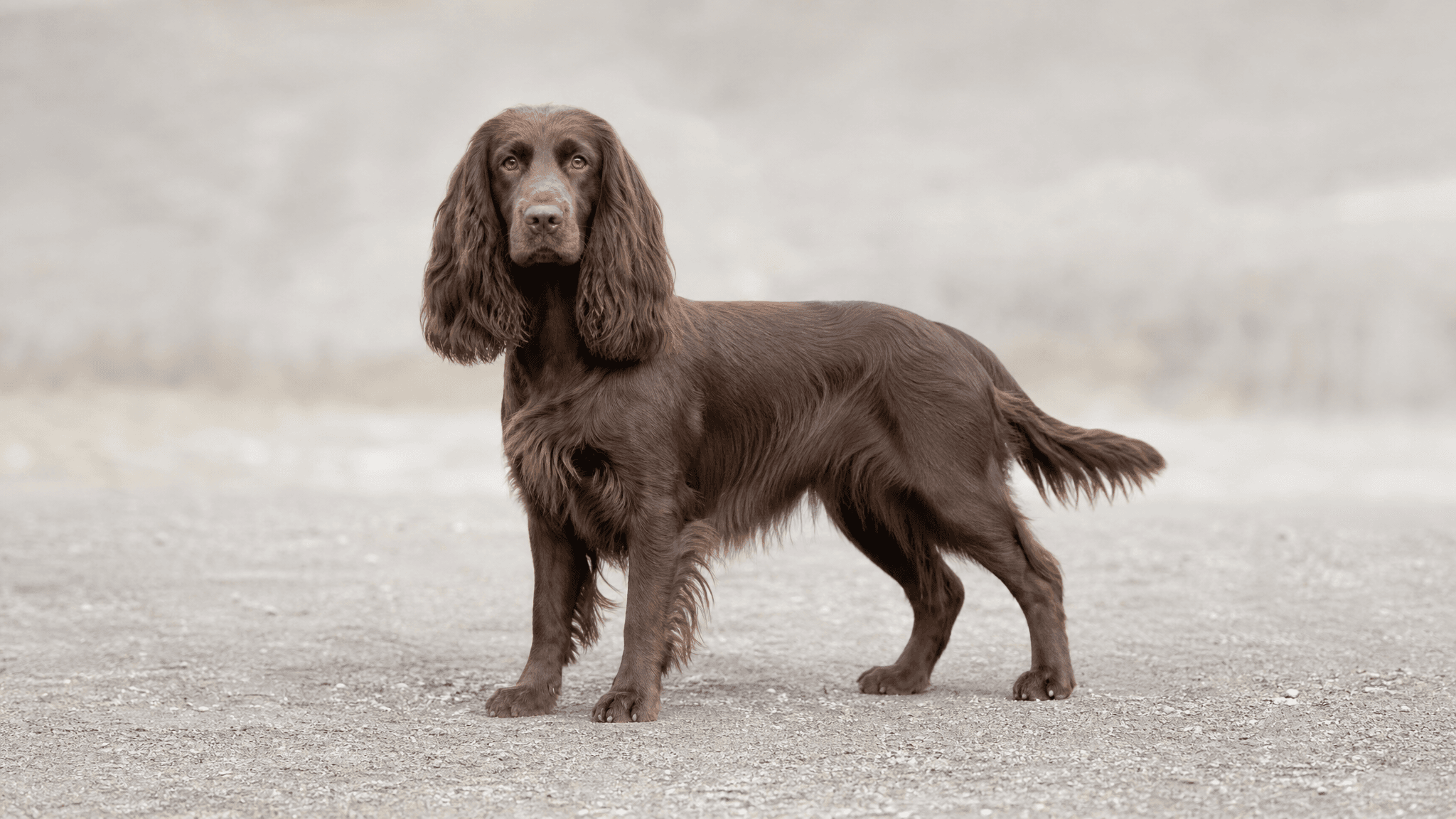
The Field Spaniel is a hunting dog little known outside specialist circles, but of great charm and versatility. Developed in the 19th century in England from the Cocker Spaniel, to work in more difficult terrain, it went through a period of decline after an extreme modification of its morphology. The breed was recovered in the 20th century to its original type: a medium-sized, robust, and functional spaniel, with a docile and affectionate temperament.
Physical Characteristics
- Size
- Medium
- Height (male)
- 46 cm
- Height (female)
- 43 cm
- Weight (male)
- 18–25 kg
- Weight (female)
- 16–23 kg
- Life Expectancy
- 12–13 years
- Coat
- Straight or slightly wavy, long and silky; with moderate feathering on the ears, chest, legs, and belly
- Common Colors
- Liver (brown), black, roan, or any of these colors with tan markings
Temperament & Personality
The Field Spaniel is described as a dog with a gentle, sensitive, and deeply affectionate temperament. It tends to be reserved with strangers but absolutely devoted to its family. It is an active dog that enjoys outdoor activities, but without the intensity and impetuousness of its more well-known cousins. Its sensitivity requires positive and patient training.
Activity & Exercise
- Energy Level
- Moderate to high
- Recommended Daily Exercise
- 45–60 minutes
- Suitable for Apartment
- Not recommended
Grooming & Care
- Grooming Needs
- Moderate
- Shedding
- Moderate
- Bathing Frequency
- Every 4–6 weeks
Health
- Common Health Issues
- Cataracts
- Hypothyroidism
- Intervertebral disc disease (IVDD)
- Otitis
- Recommended Health Tests
- Eye examination
- Hip radiography
- Thyroid function test
Compatibility
- With Children
- Good
- With Other Dogs
- Good
- With Cats
- Good
- For First-Time Owners
- Acceptable
Is a Field Spaniel right for you?
A Field Spaniel may suit you if:
- You enjoy daily outdoor adventures and are prepared to provide 45-60 minutes of engaging exercise.
- You thrive on exploring nature and appreciate a companion who loves to flush and retrieve.
- You seek a deeply affectionate and devoted family member who offers a gentle presence.
- You are prepared to invest in consistent, positive, and patient training methods.
- You are willing to commit to moderate grooming to keep their silky, feathered coat healthy and tangle-free.
- You appreciate a dog with natural instincts to explore and engage with scents on walks.
Think twice if:
- You expect instant obedience from a dog and are not prepared for a sensitive, sometimes independent learner.
- You frequently leave your dog alone for long hours, as a devoted Field Spaniel thrives on companionship.
- You expect a dog to thrive in a consistently loud or chaotic household environment.
- You are unwilling to dedicate time to daily walks and regular grooming sessions.
- You live in a small apartment and cannot provide a secure, spacious outdoor area for exploration.
- You are not prepared to manage a robust, active medium-sized dog during its energetic adolescent phase.
Field Spaniels offer immense devotion and a gentle spirit, making them wonderful family companions. However, their sensitive nature and need for consistent engagement mean they thrive best with patient owners who can provide both mental stimulation and a loving, calm environment. Embracing their active, outdoor-loving spirit while respecting their gentle disposition is key to a happy life together.
Training a Field Spaniel
Your gentle and sensitive Field Spaniel thrives on positive reinforcement and affection. These intelligent dogs learn best through short, fun, and consistent training sessions that feel like a game rather than a chore. They are deeply devoted to their families and eager to please, making them responsive to handlers who use patience and kindness. Harsh corrections or impatience will quickly shut down a Field Spaniel, leading to a loss of trust and a reluctance to engage. Keep sessions upbeat, rewarding, and always end on a positive note to build their confidence and strengthen your bond.
Begin with:
- Attention and response to name around distractions
- Recall on a long line
- Loose-leash walking
- Leave it and drop it
- Calm greetings without jumping
- Settling on a mat or bed
- Cooperative handling for grooming, ears, feet and teeth
- Waiting at doors and gates
Prey Drive and Focus
As a flushing dog, your Field Spaniel possesses a natural instinct to follow scents and pursue small game. This strong prey drive can make recall challenging, especially in stimulating outdoor environments where interesting smells abound. It's crucial to build a rock-solid recall from a young age, starting in low-distraction areas and gradually increasing the difficulty. Always make yourself the most exciting thing around, using high-value treats and enthusiastic praise when your spaniel chooses to return to you. Practice "leave it" diligently to help them disengage from tempting distractions. For more help, check out our guide on teaching recall.
When out on walks, especially in areas with wildlife, consider keeping your Field Spaniel on a long line until their recall is absolutely reliable. This allows them some freedom to explore safely while you maintain control. Remember, their moderate to high energy means they need those stimulating walks, but safety always comes first.
Leash Manners
Field Spaniels are active dogs, and their moderate size (males 18-25 kg, females 16-23 kg) means they can certainly pull on the leash if not taught proper manners. Their sensitive nature means that yank-and-pull corrections are not only ineffective but can also damage your relationship and make them more anxious on walks. Instead, focus on positive reinforcement for loose-leash walking.
Reward every step your spaniel takes with a slack leash, using treats and praise. If they pull, simply stop walking until the leash loosens, then resume. Consistency is key, and with patience, your Field Spaniel will learn that a loose leash gets them where they want to go. For a detailed plan, see this guide on stopping leash pulling.
Boredom and Anxiety
Despite being less impetuous than some cousins, Field Spaniels are active dogs with moderate to high energy levels, requiring 45-60 minutes of exercise daily. If their physical and mental needs aren't met, they can become bored, leading to undesirable behaviors like destructive chewing, excessive barking, or digging. They are also deeply devoted to their families and not recommended for apartment living, meaning they thrive with space and companionship.
Ensure your Field Spaniel receives adequate exercise and mental stimulation through training, puzzle toys, and interactive play. Because they are so family-oriented, they can develop separation anxiety if left alone for extended periods without proper conditioning. Gradually accustom them to alone time, starting with short durations, and provide enriching activities to keep them occupied. Understanding the signs of stress when left alone can help you address this proactively.
Field Spaniel — Frequently Asked Questions
What kind of personality does the Field Spaniel have?
The Field Spaniel is known for its calm, docile, and affectionate personality. They are gentle, sensitive dogs that bond closely with their family and are known for their quiet, steady temperament — a contrast to the more energetic Cocker or Springer Spaniel. They are typically good with children, other dogs, and household pets. They are not a flashy or hyperactive breed; rather, they bring a thoughtful, loyal presence to their home. Their sensitive nature means they respond poorly to harsh handling and thrive on gentle, positive guidance.
How much exercise does a Field Spaniel need?
Field Spaniels need about 1–1.5 hours of daily exercise. They are working spaniels with good stamina, originally bred for hunting in heavy cover, so they can handle extended outdoor activities. Long walks, hikes, swimming, and fetch are all excellent. Mental stimulation through scent work and training sessions is equally important. They are more manageable in their exercise needs than a Springer Spaniel but more active than a Clumber. A Field Spaniel without adequate exercise will become restless and may develop anxious behaviours.
Are Field Spaniels easy to train?
Field Spaniels are intelligent and willing to please, though they have a sensitive, gentle nature that requires patient, positive handling. They respond beautifully to reward-based training and can learn to a high level. Their sensitivity means they can become worried or shut down under harsh corrections — always use encouragement and positive methods. They can be somewhat independent in the field (reflecting their hunting heritage) but are generally cooperative in a domestic training context. Early puppy classes are beneficial for socialisation and foundation skills.
What are the health concerns for Field Spaniels?
Field Spaniels are a relatively healthy breed but have some documented concerns. Hip dysplasia can occur — OFA certification of parents is recommended. Hypothyroidism is documented in the breed. Eye conditions, including hereditary cataracts and progressive retinal atrophy, have been seen. Ear infections are common given their pendulous, feathered ears — regular ear cleaning is important. Epilepsy has been documented in some lines. As with all spaniels, their ears and coat require regular grooming attention to prevent skin problems.
Are Field Spaniels a rare breed?
Yes — the Field Spaniel is considered a rare breed. They nearly became extinct in the early 20th century due to the popularity of the Cocker Spaniel and dedicated show breeding that produced an extreme, impractical type. A careful reconstruction programme revived the breed, but numbers remain low. The Field Spaniel Society and dedicated breeders work to maintain the breed's working ability and health. Finding a puppy can take time — a waiting list with a reputable breeder is typical. Their rarity means thorough research and patience are necessary.
How long do Field Spaniels live?
Field Spaniels have an average lifespan of 11–13 years. They are a generally healthy breed when sourced from responsible breeders who screen for hereditary conditions. Regular exercise, maintaining a healthy weight, annual vet check-ups, consistent ear hygiene (preventing chronic infections), dental care, and a balanced diet all support longevity. As a relatively rare breed with conscientious breeders, the Field Spaniel gene pool tends to be more carefully managed than some popular breeds, which benefits overall health.
Do Field Spaniels get along with other pets?
Field Spaniels are generally excellent with other pets. Their gentle, non-aggressive temperament means they typically coexist harmoniously with other dogs, cats they've been raised with, and household animals. Their spaniel hunting heritage gives them a bird instinct, so outdoor birds and small prey animals may elicit a chase response. Indoors and with familiar pets, they are typically relaxed and sociable. Multi-pet households are usually a good fit. Their calm nature means they rarely initiate conflict and can be a soothing presence in a multi-dog home.
What does a Field Spaniel look like?
The Field Spaniel is a medium-sized, noble-looking dog with a rich, glossy coat in liver, golden liver, black, or roan — sometimes with tan markings. They have long, pendulous ears framed with silky feathering, a moderately long body, and a well-muscled, level topline. Their expression is gentle and dignified. Their coat is flat or slightly wavy and naturally water-repellent. They stand around 43–46 cm at the shoulder and weigh 16–22 kg — compact but sturdy, with an elegant, purposeful appearance that reflects their working heritage.
Community
Talk to real Field Spaniel owners
This guide covers the breed on paper. In the app, the Field Spaniel community covers it in real life: photos from other owners, questions answered by people who live with the breed, and a directory of dogs you can browse.
- Photos & pollsSee what Field Spaniel owners are sharing today.
- Questions & answersAsk anything and hear from people who own one.
- Dog directoryBrowse Field Spaniels from around the world.
You join automatically when you add a Field Spaniel to your profile.