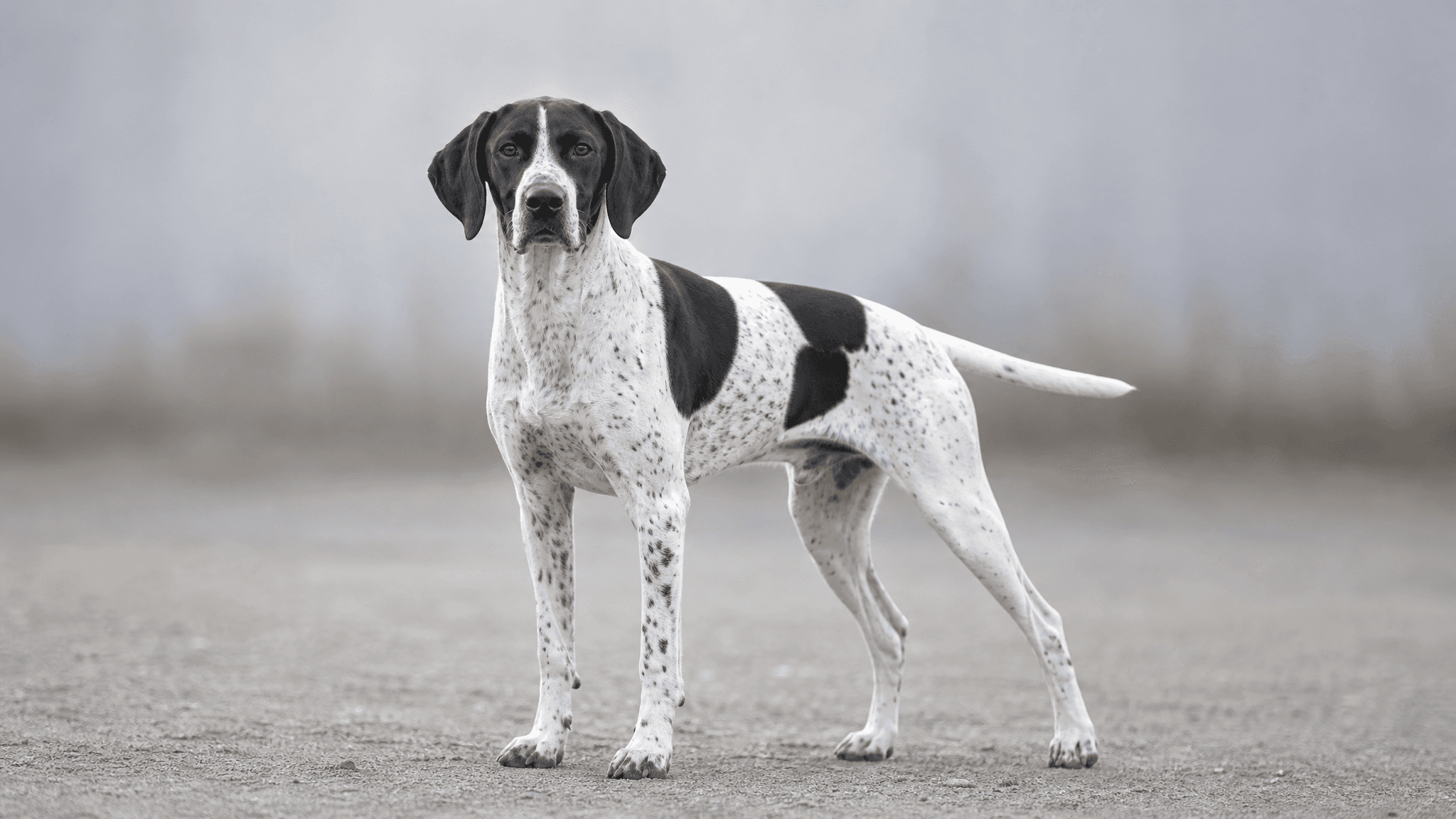
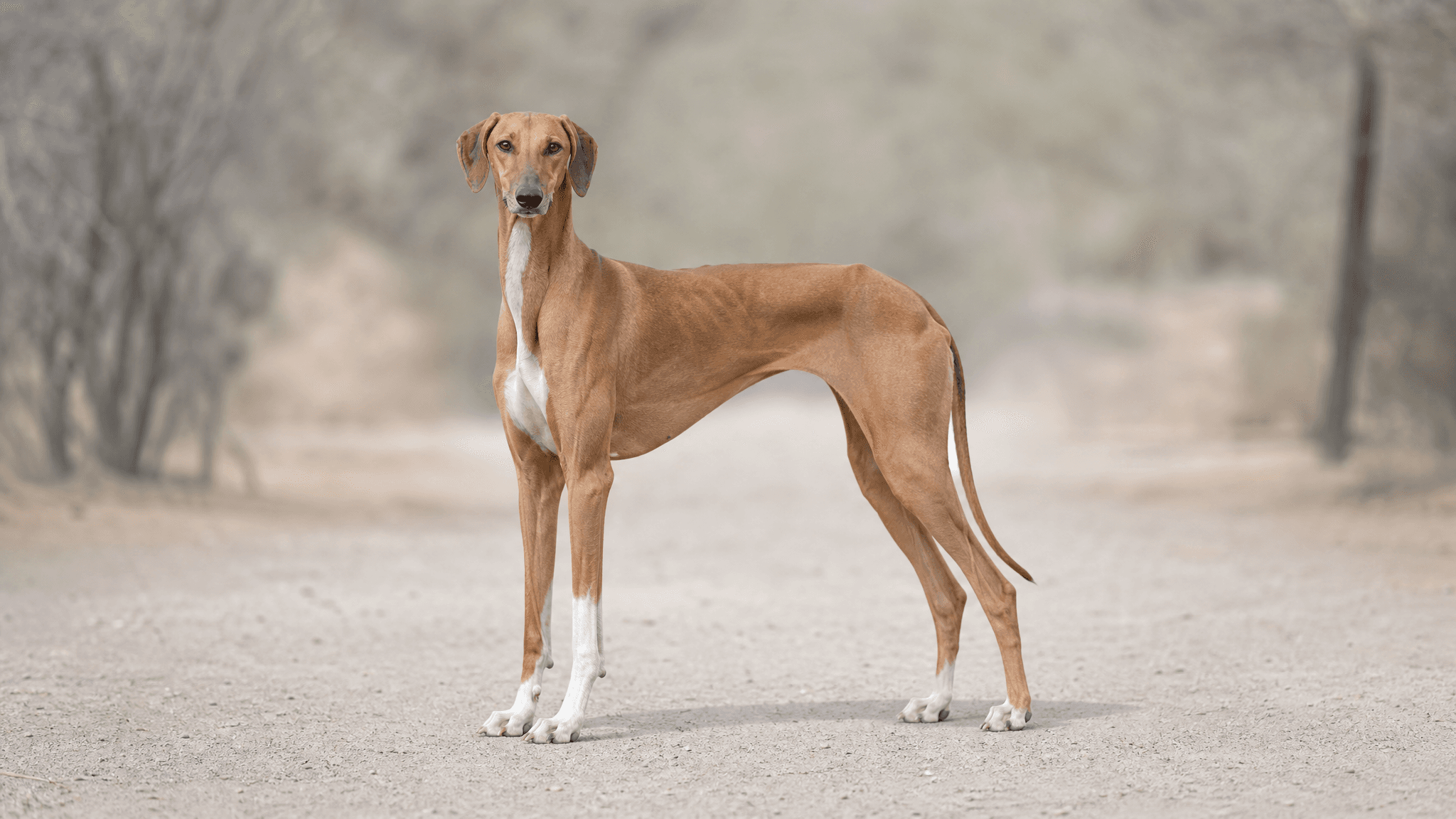
Spanish Greyhound
Summary
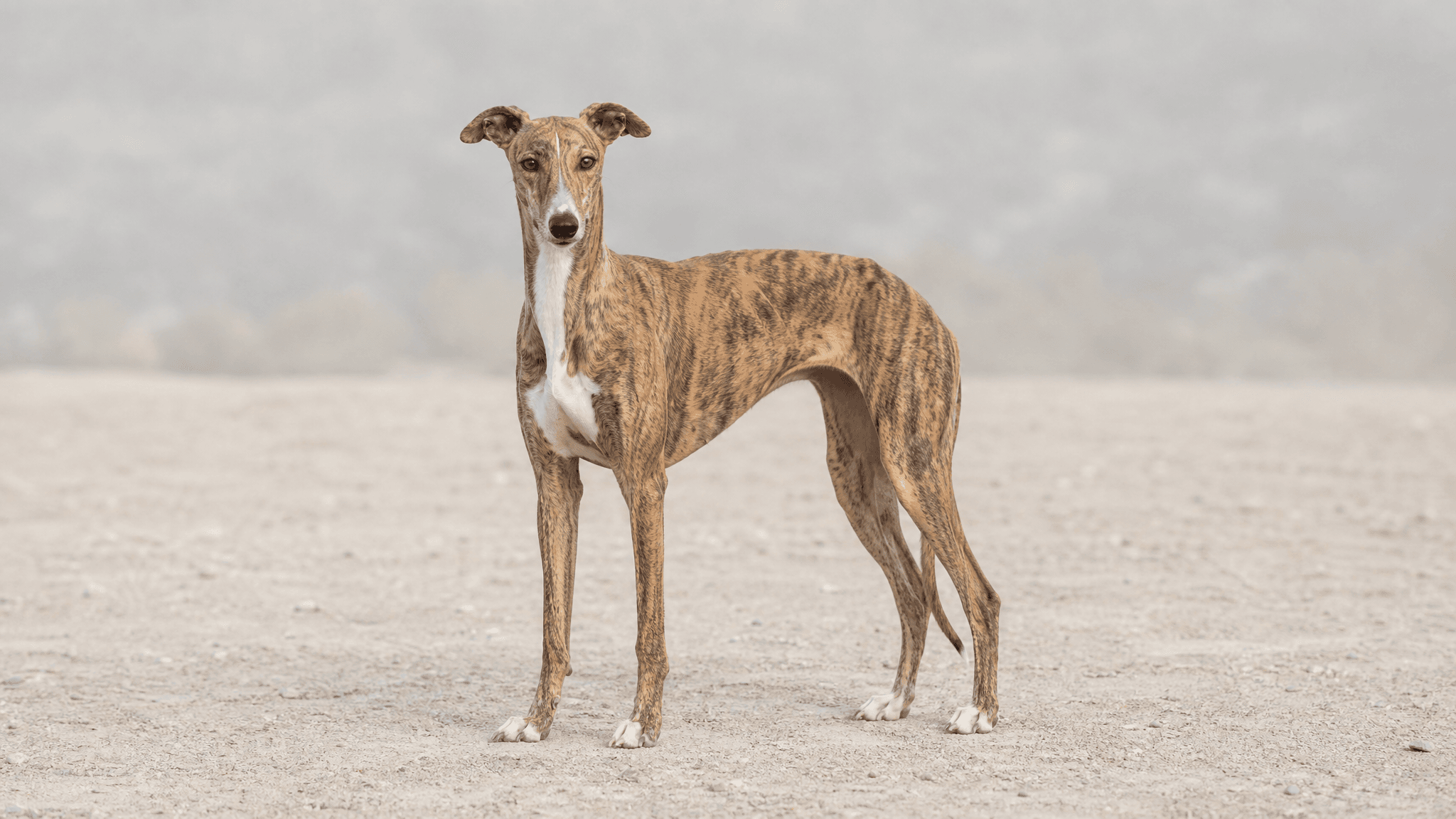
The Spanish Greyhound — _Galgo Español_ — is an Iberian sighthound of great antiquity, probably descended from Sloughis brought to the Iberian Peninsula during the Muslim conquest, crossed with Celtic sighthounds already present in the region. Historically it was the breed of Spanish nobles and hunters, used primarily for hare coursing. It is distinguished from the Greyhound by a different conformation: higher hindquarters than forequarters, flatter musculature (adapted for endurance), and a narrower and longer head. It exists in two coat varieties: smooth and rough (wiry coat).
Physical Characteristics
- Size
- Medium to large
- Height (male)
- 62–70 cm
- Height (female)
- 60–68 cm
- Weight (male)
- 25–30 kg
- Weight (female)
- 20–27 kg
- Life Expectancy
- 12–15 years
- Coat
- Two varieties accepted by the FCI — smooth (short, fine, dense) and rough/wiry (similar to rough hair); the smooth variety is the most common
- Common Colors
- All colors accepted — fawn, brindle, black, brown, red, cinnamon, white, and their respective combinations with white markings
Temperament & Personality
The Spanish Greyhound is a dog of gentle character, affectionate with the family and naturally reserved with strangers. It has more energy and a more playful spirit than the racing Greyhound, being also more curious and active. At home it is calm and discreet; outdoors it is an enthusiastic runner and chaser. Due to its history of frequent neglect and abandonment in Spain (a cultural reality that rescue organizations actively combat), adopted galgos may need time for adjustment and rehabilitation.
Activity & Exercise
- Energy Level
- Moderate to high
- Recommended Daily Exercise
- 30–60 minutes
- Suitable for Apartment
- Yes with exercise
Grooming & Care
- Grooming Needs
- Low to moderate
- Shedding
- Low to moderate
- Bathing Frequency
- Every 12–16 weeks
Health
- Common Health Issues
- Anesthesia sensitivity
- As an endurance breed
- Generally very healthy (working breed)
- Muscular injuries
- Osteosarcoma
- Spanish Greyhounds have good longevity when well cared for
- Recommended Health Tests
- Always inform the veterinarian of anesthesia sensitivity
- Cardiac and hip evaluation in breeding stock
Compatibility
- With Children
- Good
- With Other Dogs
- Excellent
- With Cats
- Can be difficult
- For First-Time Owners
- Recommended
Is a Spanish Greyhound right for you?
A Spanish Greyhound may suit you if:
- You are prepared to provide daily opportunities for enthusiastic running and mental engagement, ideally for 30 to 60 minutes.
- You enjoy a lifestyle that balances active outdoor adventures with peaceful, calm moments at home.
- You appreciate a dog with a gentle, affectionate nature towards its family, coupled with a curious and playful spirit.
- You are prepared to engage in consistent, positive reinforcement training to nurture their intelligent and sensitive nature.
- You appreciate a low to moderate grooming routine, as their smooth or rough coat requires minimal effort.
- You are prepared to manage a strong prey drive, ensuring safe and secure environments for their enthusiastic chasing instincts.
Think twice if:
- You expect immediate and unwavering obedience, as sighthounds often retain an independent spirit.
- You frequently leave your dog alone for long periods, as Spanish Greyhounds thrive on companionship and can develop separation anxiety.
- You have small, non-canine pets, especially cats, that you are unwilling to supervise closely due to their strong prey drive.
- You are unwilling to commit to at least 30 to 60 minutes of daily exercise, as they need to stretch their long legs.
- You do not have a securely fenced yard or are unable to ensure safe, contained spaces for their outdoor exercise.
- You prefer a dog that is immediately outgoing with all strangers, as Spanish Greyhounds are often reserved and need time to trust new people.
Living with a Spanish Greyhound is a beautiful balance of calm companionship and exhilarating outdoor activity. They offer deep affection and a gentle presence at home, yet possess an independent spirit and a powerful drive to run. Embracing their unique sighthound nature means providing both secure comfort and outlets for their athletic grace, leading to a truly rewarding bond.
Training a Spanish Greyhound
The Spanish Greyhound, or Galgo, is a sensitive and intelligent sighthound that thrives on positive reinforcement and gentle guidance. They learn best through short, engaging sessions filled with praise and high-value treats, as harsh corrections or loud voices can easily make them shut down or become anxious. Consistency is key, building trust and a strong bond. When training goes wrong, it's often because a handler misunderstands their gentle nature, leading to a loss of confidence in the dog and a reluctance to participate. Focus on making training a fun, rewarding experience to bring out their best.
Begin with:
- Attention and response to name around distractions
- Recall on a long line
- Loose-leash walking
- Leave it and drop it
- Calm greetings without jumping
- Settling on a mat or bed
- Cooperative handling for grooming, ears, feet and teeth
- Waiting at doors and gates
Recall and prey drive
The Galgo's strong sighthound prey drive means that if something small and fast catches their eye, their instinct to chase can override everything else. This is why a reliable recall is paramount, especially in unfenced areas. Always start recall training in a secure, distraction-free environment, gradually introducing more challenging settings. Use high-value rewards and make coming back to you the most exciting thing ever.
Even with excellent training, it's safest to keep your Galgo on a leash or in a securely fenced area when outdoors. Their speed and determination mean they can cover vast distances quickly, making recovery difficult. Consider using a long line for supervised off-leash practice in safe spaces, and never underestimate their ability to spot and pursue prey. For more in-depth guidance, check out our guide on teaching recall.
Leash manners and sensitivity
Given their medium to large size and strength, a Galgo can pull surprisingly hard on the leash if not taught good manners. However, their sensitive nature means that harsh leash corrections are counterproductive and can damage your bond. Focus on positive reinforcement techniques for loose-leash walking, rewarding them for keeping a slack leash.
Start training in quiet areas and gradually introduce more stimulating environments. If your Galgo is pulling, stop walking until the leash slackens, then continue. This teaches them that pulling gets them nowhere. For practical tips on managing this, read our advice on stopping leash pulling.
Boredom and anxiety at home
While calm and discreet indoors, Galgos have moderate to high energy levels and need their recommended 30-60 minutes of daily exercise to stay happy and healthy. Without sufficient physical and mental stimulation, they can become bored, leading to undesirable behaviours like chewing, excessive vocalisation, or restlessness. Ensure their exercise includes opportunities for enthusiastic running in safe, secure areas.
Due to their sensitive and affectionate nature, Galgos can also be prone to separation anxiety if left alone for extended periods without proper conditioning. Gradually accustom them to your absence, provide engaging puzzle toys, and create a comforting den space. If you notice signs of stress when you leave, this article can help you understand and address it.
Spanish Greyhound — Frequently Asked Questions
What is the Galgo Español?
The Galgo Español (Spanish Greyhound) is one of the oldest sighthound breeds in the world, with probable origins in ancient Persia or Egypt and documented presence in Spain for over 2,000 years. They are a large, lean, elegant coursing dog bred to hunt hare and other fast game across Spain's varied terrain — including the open plains and rough scrubland. They are distinctly different from the English Greyhound: the Galgo is slightly smaller, lighter-boned, and has a narrower head and chest. In character they are typically gentle, quiet, sensitive, affectionate with their family, and independent — with the calm, sometimes aloof dignity of the great sighthound breeds.
Are Galgo Español good pets?
Galgos Españoles make surprisingly calm and adaptable house dogs once their exercise needs are met — much like Greyhounds, they have a 'sprint and sleep' energy pattern, spending most of the day at rest. They are gentle, sensitive, and form deep bonds with their families. They are typically good with older, gentle children. They have a strong prey drive and must be kept securely fenced or on a leash — they will bolt after prey without warning. They may not be reliable with small pets (cats, rabbits). Many Galgos are rescued ex-hunting dogs that make exceptional companions; they often come from shelters already calm and ready for home life.
How much exercise does a Galgo Español need?
Despite being a sighthound built for speed, Galgos Españoles are remarkably low-maintenance in terms of daily exercise. Two walks of 30–45 minutes a day plus occasional off-leash running in a completely secure, fenced area keeps most Galgos happy and healthy. They are sprinters, not endurance athletes — after a good run they are content to rest for hours. They are not suitable for off-leash walking in open areas without fencing: their prey drive is powerful, their speed is extraordinary (up to 60 km/h), and they will chase without recall. A fenced garden or coursing field is ideal for their sprinting needs.
What health issues affect the Galgo Español?
The Galgo Español is generally a healthy, robust breed with few hereditary conditions compared to many breeds. Key concerns include anesthesia sensitivity — like all sighthounds, they metabolise drugs differently due to their very low body fat percentage; they require specialist veterinary handling for any procedure requiring sedation. Osteosarcoma (bone cancer) occurs in Galgos as in many large breeds. Heart conditions have been documented. Bloat (GDV) is a risk given their deep chest. Their thin skin and low body fat make them sensitive to cold — a coat is needed in winter. Annual vet check-ups including cardiac screening are recommended.
How long do Galgo Español live?
Galgo Españoles have an average lifespan of 12–15 years. Their generally robust constitution and relatively low rate of hereditary disease supports good longevity. Key longevity factors include ensuring their veterinarian is experienced with sighthound anesthesia protocols (critical for any medical procedure), maintaining healthy weight (they should always be lean — visible last two ribs is normal for the breed), daily adequate exercise, protecting them from cold (their low body fat makes them vulnerable), annual vet check-ups, dental care, and managing their GDV risk through sensible feeding. Rescued Galgos, even those starting with trauma or health issues, frequently go on to live long, happy lives.
Can Galgo Español live with cats or small animals?
This requires careful assessment on an individual basis. Galgos have a powerful prey drive hardwired from centuries of coursing small, fast-moving animals — many Galgos will see cats, rabbits, or small dogs as prey and chase them. That said, many Galgos — particularly those who were raised with or have lived alongside cats — can coexist peacefully with feline companions. Adoption organisations that rescue Galgos typically perform thorough cat-suitability testing and can advise which individual dogs have been proven safe with cats. Never assume a Galgo is cat-safe without proper testing and introduction, regardless of how calm or gentle they appear.
Why are so many Galgo Español in rescue?
The Galgo Español has a troubled welfare story in Spain. Traditionally used by hunters (galgueros) for hare coursing and greyhound racing, hundreds of thousands of Galgos are abandoned, discarded, or killed at the end of each hunting season — typically January or February — when they are no longer useful. This has created a massive rescue and rehoming operation, primarily driven by Spanish and international animal welfare organisations. Rescue Galgos are often underweight, fearful, and have never experienced normal home life, but with patience and care they typically become gentle, grateful, and devoted companions. Adopting a rescue Galgo is a transformative experience for both dog and owner.
How do you groom a Galgo Español?
The Galgo Español has a short, smooth, low-maintenance coat that requires minimal grooming. A weekly wipe-down with a damp cloth or rubber grooming mitt removes loose hair and keeps the coat shiny. They shed lightly year-round. Their thin skin and low body fat make them sensitive to cold and also to sun — light-coated Galgos should avoid prolonged exposure to strong sun. Nail trimming is important as they may not naturally wear nails down if their exercise is primarily on soft ground. Ear checks and dental care should be part of their routine. Overall, the Galgo is one of the easiest breeds to maintain in terms of coat care — an appealing quality alongside their elegant appearance.
Community
Talk to real Spanish Greyhound owners
This guide covers the breed on paper. In the app, the Spanish Greyhound community covers it in real life: photos from other owners, questions answered by people who live with the breed, and a directory of dogs you can browse.
- Photos & pollsSee what Spanish Greyhound owners are sharing today.
- Questions & answersAsk anything and hear from people who own one.
- Dog directoryBrowse Spanish Greyhounds from around the world.
You join automatically when you add a Spanish Greyhound to your profile.