Auvergne Pointer
Summary
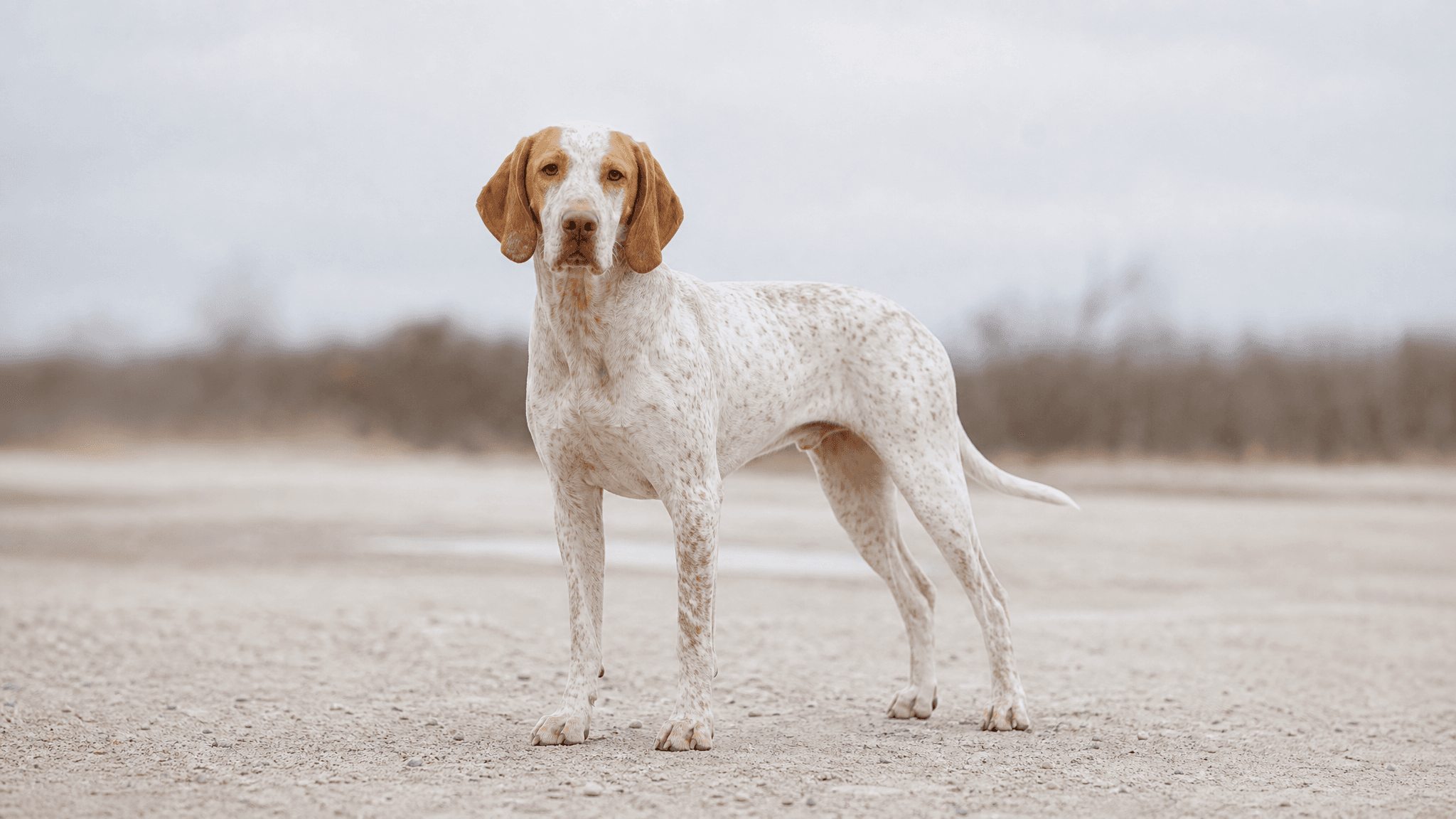
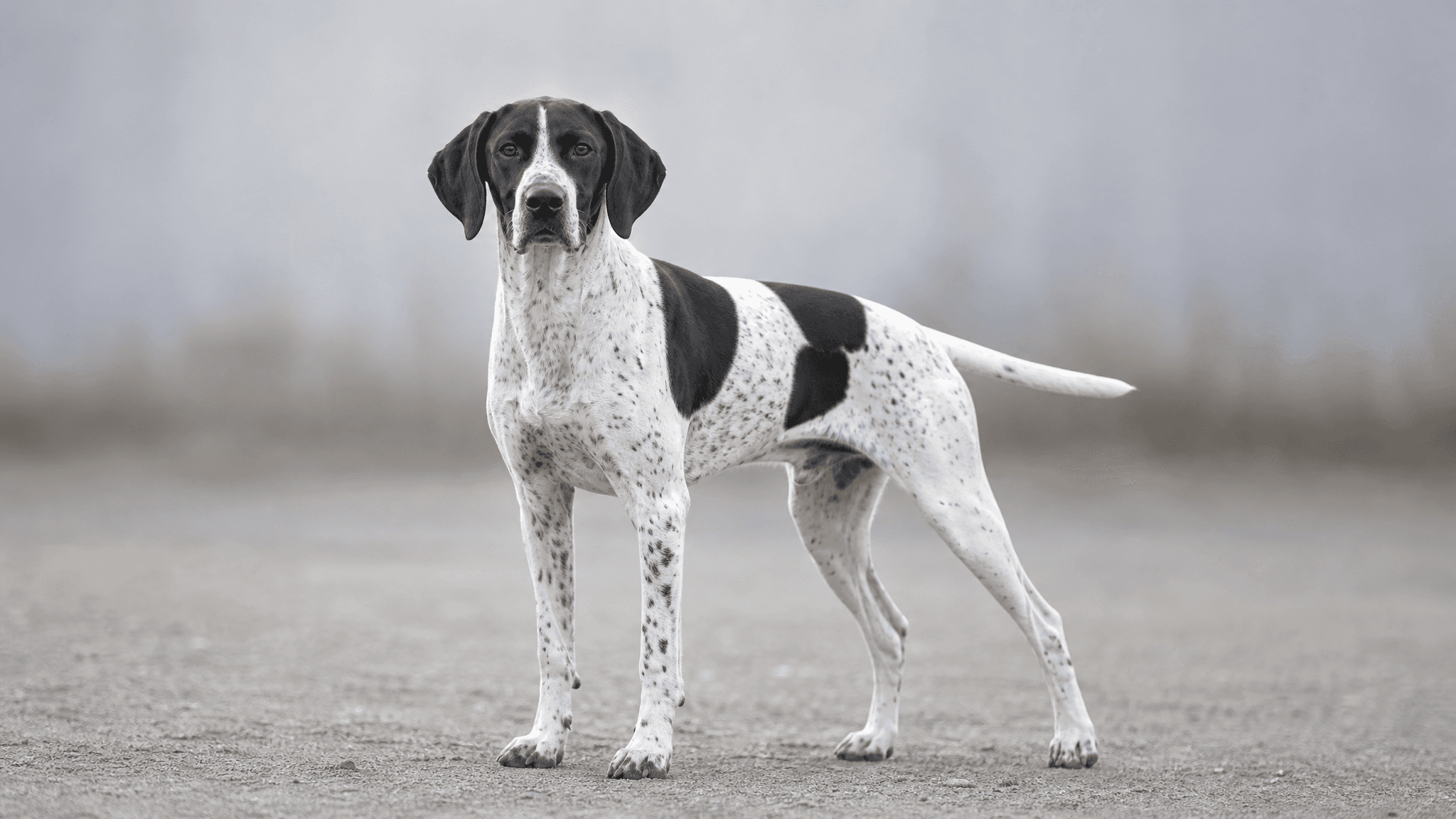
The Braco de Auvergne is a robust and elegant pointing dog originating from the volcanic region of Auvergne, in France — more specifically from the department of Cantal. Known for at least two centuries in this region, it descends from the old French Braques with possible influence from Maltese breeds brought by the Knights of Malta. It is distinguished by its characteristic black and white coat, with the head almost always black, with or without a white blaze. It is appreciated for its endurance in rugged terrain.
Physical Characteristics
- Size
- Medium to large
- Height (male)
- 53–63 cm
- Height (female)
- 51–59 cm
- Weight (male)
- 22–28 kg
- Weight (female)
- 22–26 kg
- Life Expectancy
- 12–15 years
- Coat
- Short, dense, and glossy; fine and soft; good protection against brush and moisture
- Common Colors
- White with patches and ticking of black; black head with or without a white blaze; mandatory shiny black nose
Temperament & Personality
The Braco de Auvergne is described as gentle, very affectionate, and intelligent — "a wonderful family dog" according to Royal Canin. It is docile and easy to train, responding well to the owner's instructions. As a pointing dog, it has an excellent nose and remarkable endurance for working in mountainous and high-altitude terrain. At home it is calm and sociable; in the field it is energetic and tireless.
Activity & Exercise
- Energy Level
- High
- Suitable for Apartment
- Not recommended
Grooming & Care
- Grooming Needs
- Low
- Shedding
- Moderate
Health
- Common Health Issues
- Gastric dilatation-volvulus (GDV — less frequent than in larger breeds)
- Hip dysplasia
- Joint problems
- Recommended Health Tests
- Cardiac examination
- Eye examination
- Orthopedic evaluation
Compatibility
- With Children
- Excellent
- With Other Dogs
- Good
- With Cats
- Good
- For First-Time Owners
- Recommended
Is an Auvergne Pointer right for you?
An Auvergne Pointer may suit you if:
- You are eager to provide daily vigorous exercise and engaging scent work to satisfy their high energy and keen nose.
- You enjoy an active, outdoor lifestyle, perhaps involving hiking, hunting, or long runs in varied terrain.
- You appreciate a gentle, affectionate, and intelligent companion who is calm and sociable within the home.
- You are prepared to engage in consistent, positive training, as they are intelligent and respond well to guidance.
- You are comfortable with moderate shedding and minimal grooming, requiring only occasional brushing to keep their coat healthy.
- You are ready to embrace their natural pointing instincts and provide outlets for their energetic, field-driven nature.
Think twice if:
- You expect a dog that will always prioritize your commands over the exciting scents of the outdoor world.
- You have a routine that requires your dog to be left alone for long periods, as they thrive on companionship.
- You are unwilling to commit to daily vigorous exercise and mental stimulation for a high-energy dog.
- You live in an apartment or do not have a securely fenced yard for a medium to large, active dog.
- You are unprepared for managing a strong, energetic dog during their boisterous adolescent phase.
The Auvergne Pointer offers a wonderful blend of a calm, affectionate family dog at home and an energetic, driven working dog in the field. Living with this breed means embracing their need for activity and mental engagement while cherishing their gentle companionship. They are truly devoted, but their happiness hinges on a lifestyle that meets their inherent drive.
Training an Auvergne Pointer
Your Auvergne Pointer is a truly intelligent and affectionate companion, eager to please and remarkably easy to train. They thrive on positive reinforcement, responding beautifully to praise, gentle guidance, and tasty rewards. Keep training sessions short, fun, and consistent, always ending on a high note to maintain their enthusiasm. This breed is sensitive, so harsh corrections or impatience will quickly undermine their confidence and willingness to learn, leading to a breakdown in communication. Remember, a calm and clear approach will build a strong, trusting bond, making training a joyful experience for both of you.
Begin with:
- Attention and name response
- Recall on a long line
- Loose-leash walking
- Leave it and drop it
- Calm greetings without jumping
- Settling on a mat
- Cooperative handling
- Waiting at doors and gates
Prey Drive and Recall
As a true pointing dog with an excellent nose, your Auvergne Pointer possesses a strong natural prey drive. This instinct can make recall a significant challenge, especially when they catch an interesting scent or spot something moving in the distance. It's crucial to build a rock-solid recall from an early age, starting in low-distraction environments and gradually increasing the complexity.
Always practice recall on a long line in open, safe areas to ensure their safety while they learn. Make coming back to you the most rewarding thing ever, using high-value treats and enthusiastic praise. For more detailed guidance, check out our guide on teaching recall.
Leash Manners
Given their medium-to-large size and high energy level, an Auvergne Pointer can easily develop a habit of pulling on the leash if not taught proper manners early on. Their strength, even though they are docile, means a pulling dog can be difficult to manage. Focus on teaching loose-leash walking from day one, using positive reinforcement to reward them for walking calmly by your side.
Avoid letting them pull, as this only reinforces the behavior. If they pull, stop walking until the leash slackens, then continue. Consistency is key. You might find our article on stopping puppy pulling helpful for detailed steps.
Managing High Energy
Auvergne Pointers have a high energy level and remarkable endurance, making them energetic in the field but calm and sociable at home – provided their exercise needs are met. If under-exercised or under-stimulated, they can become bored and destructive, potentially developing unwanted behaviors like excessive barking, chewing, or digging. They are not recommended for apartments for this reason.
Ensure your Auvergne Pointer receives plenty of vigorous daily exercise, including long walks, runs, or engaging play sessions. Incorporate mental stimulation through scent work, puzzle toys, and training games to keep their intelligent minds active. A well-exercised and mentally stimulated Auvergne Pointer is a happy, well-behaved companion.
Auvergne Pointer — Frequently Asked Questions
What is the Braque D'auvergne (Auvergne Pointer)?
The Braque D'auvergne, also known as the Auvergne Pointer, is a robust and elegant pointing dog originating from the volcanic region of Auvergne, France, specifically the department of Cantal. This breed has been known for at least two centuries, descending from old French Braques with possible influence from Maltese breeds. They belong to FCI group 7 (Braque type) and are instantly recognizable by their characteristic black and white coat, with the head almost always black, sometimes featuring a white blaze. These medium to large dogs are admired for their excellent nose and remarkable endurance.
What was the Braque D'auvergne (Auvergne Pointer) originally bred for?
The Braque D'auvergne was originally bred as a dedicated pointing dog, a purpose for which it has been highly valued for at least two centuries in its native France. Descending from ancient French Braques, these dogs were specifically developed to assist hunters, particularly in the challenging mountainous and high-altitude terrains of the Auvergne region. Their exceptional endurance and keen sense of smell made them indispensable companions in the field, allowing them to tirelessly locate and point out game. They are known for being energetic and focused workers when out on a hunt.
How much exercise does a Braque D'auvergne (Auvergne Pointer) need?
The Braque D'auvergne is a high-energy breed that thrives on plenty of activity! To keep your Auvergne Pointer happy and healthy, they need a significant amount of daily exercise. We recommend providing at least 90 to 120 minutes of vigorous activity each day. This isn't just a casual stroll; think long walks, runs, hiking, or engaging in dog sports. Their background as a pointing dog means they have incredible stamina and a desire to explore, so regular opportunities for physical and mental stimulation are crucial to prevent boredom and ensure their well-being.
Is the Braque D'auvergne (Auvergne Pointer) a good family dog?
Absolutely! The Braque D'auvergne is truly a wonderful family dog. They are described as gentle, very affectionate, and intelligent companions. At home, they are known for being calm and sociable, making them excellent additions to a loving household. Their docile nature means they generally get along well with children and can integrate smoothly with other pets, especially when properly socialized from a young age. Their loving temperament ensures they form strong bonds with their human family, bringing joy and companionship to everyone.
Is the Braque D'auvergne (Auvergne Pointer) easy to train?
Yes, the Braque D'auvergne is generally considered easy to train, which is fantastic news for new and experienced dog owners alike! They are intelligent and possess a docile temperament, responding very well to their owner's instructions. As a pointing dog, they naturally have an excellent ability to focus and a strong desire to please, which aids tremendously in training. Consistent, positive reinforcement methods work best with this sensitive and eager-to-learn breed, helping them quickly grasp commands and develop into well-behaved companions.
What health issues are common in the Braque D'auvergne (Auvergne Pointer)?
While generally a robust breed, Braque D'auvergnes can be prone to certain health concerns that owners should be aware of. Documented issues include hip dysplasia and other joint problems, which are common in many medium to large breeds. They can also be susceptible to Gastric Dilatation-Volvulus (GDV), or bloat, though it's less frequent than in some larger breeds. Regular veterinary check-ups, a balanced diet, appropriate exercise, and maintaining a healthy weight are all key steps you can take to help minimize risks and ensure your beloved companion lives a long, happy life.
What is the Braque D'auvergne (Auvergne Pointer)'s coat like and how much grooming does it need?
The Braque D'auvergne is distinguished by its characteristic black and white coat, which is typically short, dense, and sleek. The head is almost always black, often with or without a white blaze, creating a striking appearance. Thankfully, this elegant coat is relatively low-maintenance! Regular grooming is quite straightforward; a weekly brush with a rubber curry comb or a soft bristle brush will help remove loose hairs, keep their coat shiny, and promote healthy skin. Occasional baths are usually sufficient to keep them looking their best.
What is the typical lifespan of a Braque D'auvergne (Auvergne Pointer)?
With proper care, a Braque D'auvergne typically enjoys a wonderfully long and healthy life! Their average lifespan ranges from 12 to 15 years. To help your beloved Auvergne Pointer reach the upper end of this range, it's essential to provide them with a high-quality, balanced diet, consistent daily exercise tailored to their high energy levels, and regular veterinary check-ups. A loving home environment, combined with preventative care and prompt attention to any health concerns, will contribute significantly to their longevity and overall well-being.
Community
Talk to real Auvergne Pointer owners
This guide covers the breed on paper. In the app, the Auvergne Pointer community covers it in real life: photos from other owners, questions answered by people who live with the breed, and a directory of dogs you can browse.
- Photos & pollsSee what Auvergne Pointer owners are sharing today.
- Questions & answersAsk anything and hear from people who own one.
- Dog directoryBrowse Auvergne Pointers from around the world.
You join automatically when you add a Auvergne Pointer to your profile.