Ariege Pointing Dog
Summary
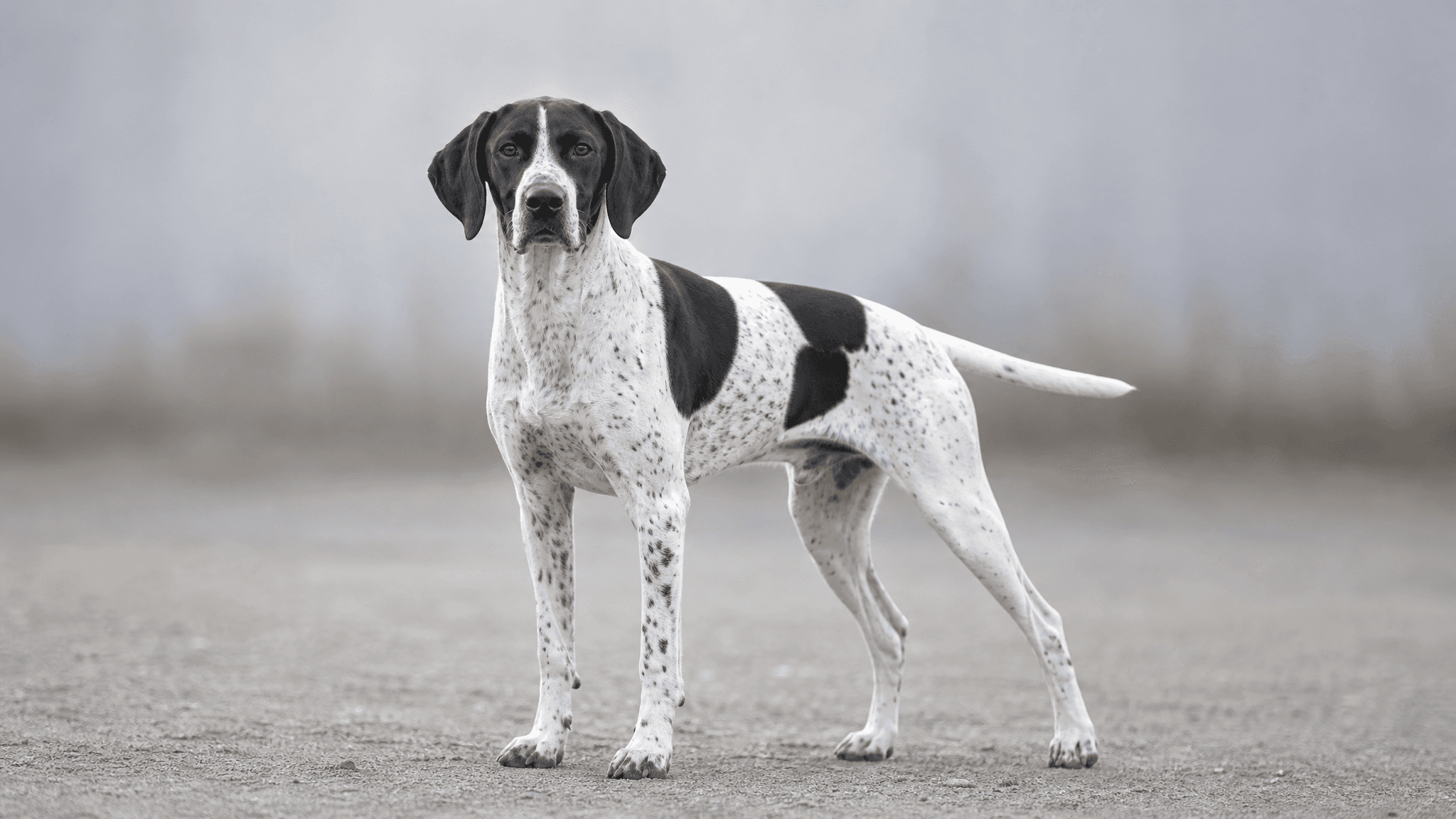
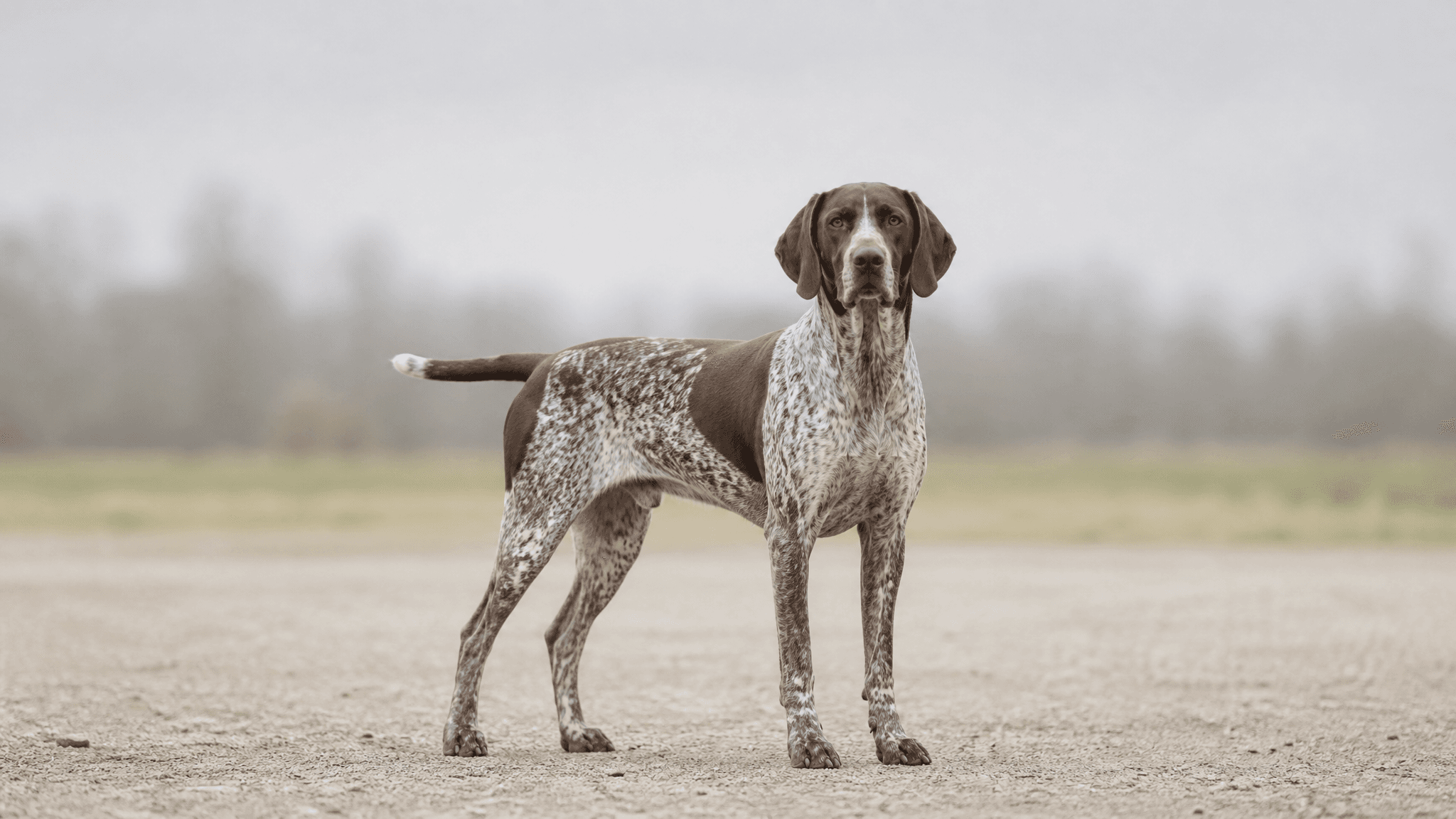
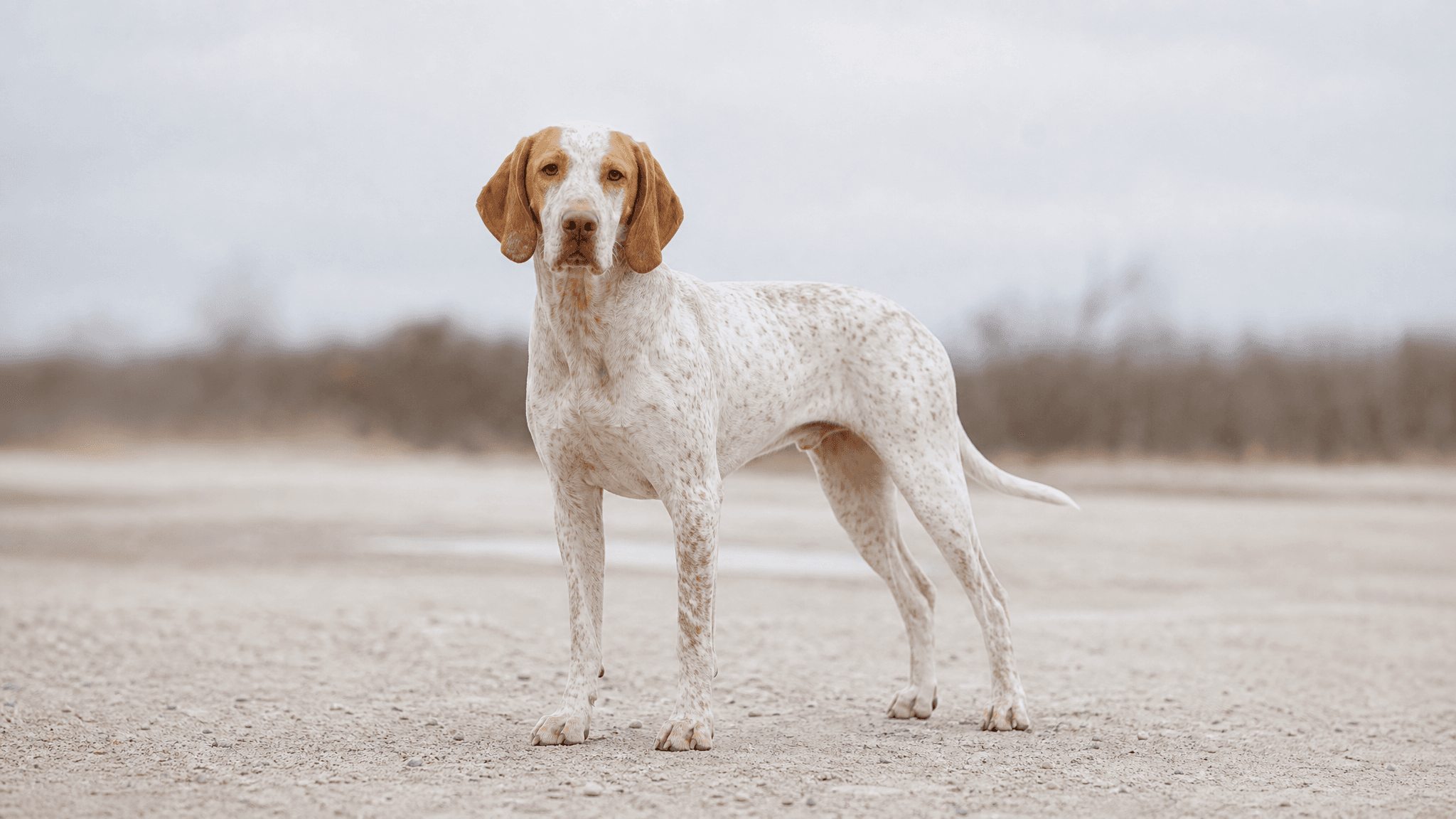
The Braco de Ariège is a French pointing dog of ancient origin, from the department of Ariège in the Occitanie region of southwestern France. Developed from the old French Braques crossed with southern orange and white Braques, as well as ancestors of the Bracco Italiano and the Perdigueiro de Burgos. Nearly extinct in the 20th century, it was recovered from 1990 by dedicated breeders. It is a powerful and elegant dog, of the traditional French "large hunting dog" type.
Physical Characteristics
- Size
- Large
- Height (male)
- 60–67 cm
- Height (female)
- 56–63 cm
- Weight (male)
- 25–30 kg
- Weight (female)
- 25–30 kg
- Life Expectancy
- 12–15 years
- Coat
- Short, fine, and dense
- Common Colors
- White flecked with orange, liver, or hazelnut patches on the head and ears; pink or light brown nose (never black); nails never black
Temperament & Personality
The Braco de Ariège is described as docile, easy to train, and adaptable to all types of hunting — an energetic dog but with remarkable mental balance. It is an independent dog in the field but loyal and affectionate with the family. Although it can be reserved with strangers, it is not aggressive. Its endurance and speed make it ideal for mountainous and hilly terrain, where it was historically used.
Activity & Exercise
- Energy Level
- High
- Recommended Daily Exercise
- 90 minutes
- Suitable for Apartment
- Not recommended
Grooming & Care
- Grooming Needs
- Low
- Shedding
- Moderate
Health
- Common Health Issues
- Ear infections
- Hip dysplasia
- Recommended Health Tests
- Orthopedic evaluation
Compatibility
- With Children
- Good
- With Other Dogs
- Good
- With Cats
- Moderate
- For First-Time Owners
- Acceptable
Is an Ariege Pointing Dog right for you?
An Ariege Pointing Dog may suit you if:
- You can commit to providing at least 90 minutes of vigorous exercise daily, coupled with engaging mental challenges.
- You enjoy an active, outdoor lifestyle, perhaps involving hiking or field activities where your dog can explore.
- You appreciate a loyal and affectionate family companion who also possesses a balanced, independent spirit.
- You are prepared to engage in consistent, positive training to harness their intelligence and biddability.
- You prefer a low-maintenance grooming routine, as their short, dense coat requires minimal effort.
- You are ready to manage a dog with a strong natural prey drive and an instinct to point during outdoor adventures.
Think twice if:
- You expect unwavering obedience in all environments, as their independent hunting instincts can sometimes take precedence.
- You frequently leave your dog alone for long periods, as their high energy and need for companionship can lead to boredom.
- You have cats and are unwilling to commit to careful, supervised introductions and ongoing management.
- You are unable to provide substantial daily exercise, as this breed requires consistent physical activity to thrive.
- You live in an apartment or lack a securely fenced outdoor space for a large, energetic dog to roam safely.
- You are unprepared for the physical demands of managing a large, powerful, and enthusiastic dog during its energetic adolescence.
The Ariege Pointing Dog offers a wonderful blend of affectionate companionship and spirited independence. While they are loyal and adaptable family members, their high energy and strong pointing instincts demand a committed owner who embraces an active lifestyle. Providing ample exercise and consistent training will unlock the full potential of this mentally balanced yet field-driven companion, ensuring a harmonious life together.
Training an Ariege Pointing Dog
Your Ariege Pointing Dog is a joy to train, known for being docile, adaptable, and possessing a remarkable mental balance. They thrive on positive reinforcement, eager to please their beloved family. Keep training sessions short, fun, and consistent, focusing on praise, treats, and play to maintain their high energy and engagement. Because they are so loyal and affectionate, a strong bond built on trust and clear communication is paramount. If training becomes inconsistent or overly repetitive, their natural independence might lead to disinterest, making it harder to capture their focus. Always aim for a positive, rewarding experience to nurture their eager spirit.
Begin with:
- Attention and response to name around distractions
- Recall, on a long line at first
- Loose-leash walking
- Leave it and drop it
- Calm greetings without jumping
- Settling on a mat or bed
- Cooperative handling for grooming, ears, feet and teeth
- Waiting at doors and gates
Prey Drive and Recall
The Ariege Pointing Dog's heritage as a powerful hunting dog means a strong prey drive is deeply ingrained. This can make recall challenging, especially when they catch a scent or spot movement. Start recall training in a secure, low-distraction environment, gradually introducing more challenging settings. Always use a long line initially to ensure safety and success, rewarding heavily when they return. Remember, their independence in the field means you need to be more engaging than any squirrel! Consider incorporating scent games or retrieving into your play to satisfy their natural instincts in a controlled way. For comprehensive guidance, explore this guide on teaching recall.
Loose-Leash Walking
With their large size, strength, and high energy, your Ariege Pointing Dog can become quite a puller on the leash if not taught otherwise. Early and consistent training is key to enjoyable walks. Reward every step taken on a loose leash, stopping immediately if they pull and only resuming when the leash slackens. Invest in a comfortable, well-fitting harness that discourages pulling, rather than a collar that might strain their neck. Remember, they need at least 90 minutes of daily exercise, so ensure walks are fulfilling, not just a tug-of-war. For more tips, check out this guide to stopping leash pulling.
Boredom and Destructive Habits
An Ariege Pointing Dog with unmet exercise or mental stimulation needs can quickly develop undesirable behaviours. Their high energy and intelligence mean that without enough to do, they might become restless, bark excessively, or engage in destructive chewing around the home. Ensure they receive their recommended 90 minutes of daily exercise, ideally incorporating varied activities like long walks, runs, or engaging play sessions. Provide plenty of puzzle toys and chew items to keep their minds busy when you're not actively interacting. If they struggle with being left alone, consider gradual desensitization training to help them feel secure and calm. You can learn more about this in our article on signs of stress when left alone.
Ariege Pointing Dog — Frequently Asked Questions
What is the Braque de L'ariège (Ariege Pointing Dog)?
The Braque de L'ariège, also known as the Ariege Pointing Dog, is a magnificent and elegant large breed hailing from the Ariège department in the Occitanie region of southwestern France. This ancient French pointing dog belongs to the FCI Group 7 (Braque type) and embodies the traditional 'large hunting dog' type. Developed from a blend of old French Braques, southern orange and white Braques, and ancestors of the Bracco Italiano and Perdigueiro de Burgos, they are truly a testament to historical breeding. After nearly facing extinction in the 20th century, dedicated breeders successfully brought this powerful and beautiful breed back from the brink starting in the 1990s.
What was the Braque de L'ariège (Ariege Pointing Dog) originally bred for?
The Braque de L'ariège was originally bred with a singular, noble purpose: to be an exceptional pointing dog. With ancient origins deeply rooted in the hunting traditions of France, these dogs were specifically developed to assist hunters by locating game and 'pointing' to its position. Their remarkable endurance and impressive speed made them perfectly suited for working in the challenging mountainous and hilly terrains of their homeland. They are incredibly adaptable to all types of hunting, showcasing an independent spirit in the field while maintaining a deep loyalty to their human companions.
How much exercise does a Braque de L'ariège (Ariege Pointing Dog) need?
Oh, these wonderful dogs have a high energy level and truly thrive on activity! As a large, athletic pointing breed, the Braque de L'ariège needs a significant amount of exercise to stay happy and healthy. We recommend at least 90 minutes of vigorous physical activity every single day. This isn't just a suggestion; it's essential for their well-being! Think long walks, energetic runs, engaging games of fetch, or even canine sports. Providing them with ample opportunities to run, explore, and use their keen senses will prevent boredom and ensure they remain the well-balanced companions they're meant to be.
Is the Braque de L'ariège (Ariege Pointing Dog) a good family dog?
Absolutely! Despite their independent nature in the field, the Braque de L'ariège is renowned for being a loyal and incredibly affectionate family dog. They possess a remarkable mental balance and a docile temperament, making them wonderful companions in a home setting. While they might be a little reserved with strangers initially, they are never aggressive and warm up beautifully once they feel comfortable. Their gentle nature often makes them a good fit for families with children, and with proper introductions and supervision, they can integrate well with other household pets, bringing joy and companionship to everyone.
Is the Braque de L'ariège (Ariege Pointing Dog) easy to train?
You'll be delighted to know that the Braque de L'ariège is considered quite easy to train! Their docile temperament, combined with an eagerness to please and an intelligent mind, makes them very receptive to learning. They are energetic dogs but possess a wonderful mental balance, which contributes to their trainability. While they are independent in the field, they are loyal and attentive to their owners, making them keen students. Consistent, positive reinforcement methods work best with this breed, helping them to quickly grasp commands and develop into well-behaved and adaptable companions.
What health issues are common in the Braque de L'ariège (Ariege Pointing Dog)?
Like all breeds, the Braque de L'ariège can be prone to certain health concerns, though they are generally a robust breed. It's always wise for prospective owners to be aware of potential issues. Documented health concerns for this breed include ear infections, which can sometimes occur due to their floppy ears that can trap moisture and debris, and hip dysplasia. Hip dysplasia is a condition more commonly seen in larger breeds, where the hip joint doesn't form correctly. Regular veterinary check-ups, a healthy diet, and appropriate exercise are key to helping your Braque de L'ariège live a long and happy life.
What is the Braque de L'ariège (Ariege Pointing Dog)'s coat like and how much grooming does it need?
The Braque de L'ariège typically sports a short, dense coat that is quite practical for their active, outdoor lifestyle. This type of coat is generally low maintenance, which is great news for busy owners! Regular brushing, perhaps once or twice a week, is usually sufficient to remove loose hair, keep their coat healthy and shiny, and minimize shedding. They don't require complex grooming routines, but occasional baths will help keep them clean, especially after their adventures in the field. Don't forget to check their ears regularly, especially after outdoor activities, to prevent infections.
What is the typical lifespan of a Braque de L'ariège (Ariege Pointing Dog)?
The Braque de L'ariège is a hearty and robust breed, and with proper care, nutrition, and regular veterinary attention, they typically enjoy a wonderful lifespan. You can generally expect your beloved Ariege Pointing Dog to be a cherished member of your family for approximately 12 to 15 years. Providing them with a loving home, plenty of exercise, a balanced diet, and addressing any health concerns promptly will help ensure they live a full and happy life by your side.
Community
Talk to real Ariege Pointing Dog owners
This guide covers the breed on paper. In the app, the Ariege Pointing Dog community covers it in real life: photos from other owners, questions answered by people who live with the breed, and a directory of dogs you can browse.
- Photos & pollsSee what Ariege Pointing Dog owners are sharing today.
- Questions & answersAsk anything and hear from people who own one.
- Dog directoryBrowse Ariege Pointing Dogs from around the world.
You join automatically when you add a Ariege Pointing Dog to your profile.