South Russian Shepherd Dog
Summary
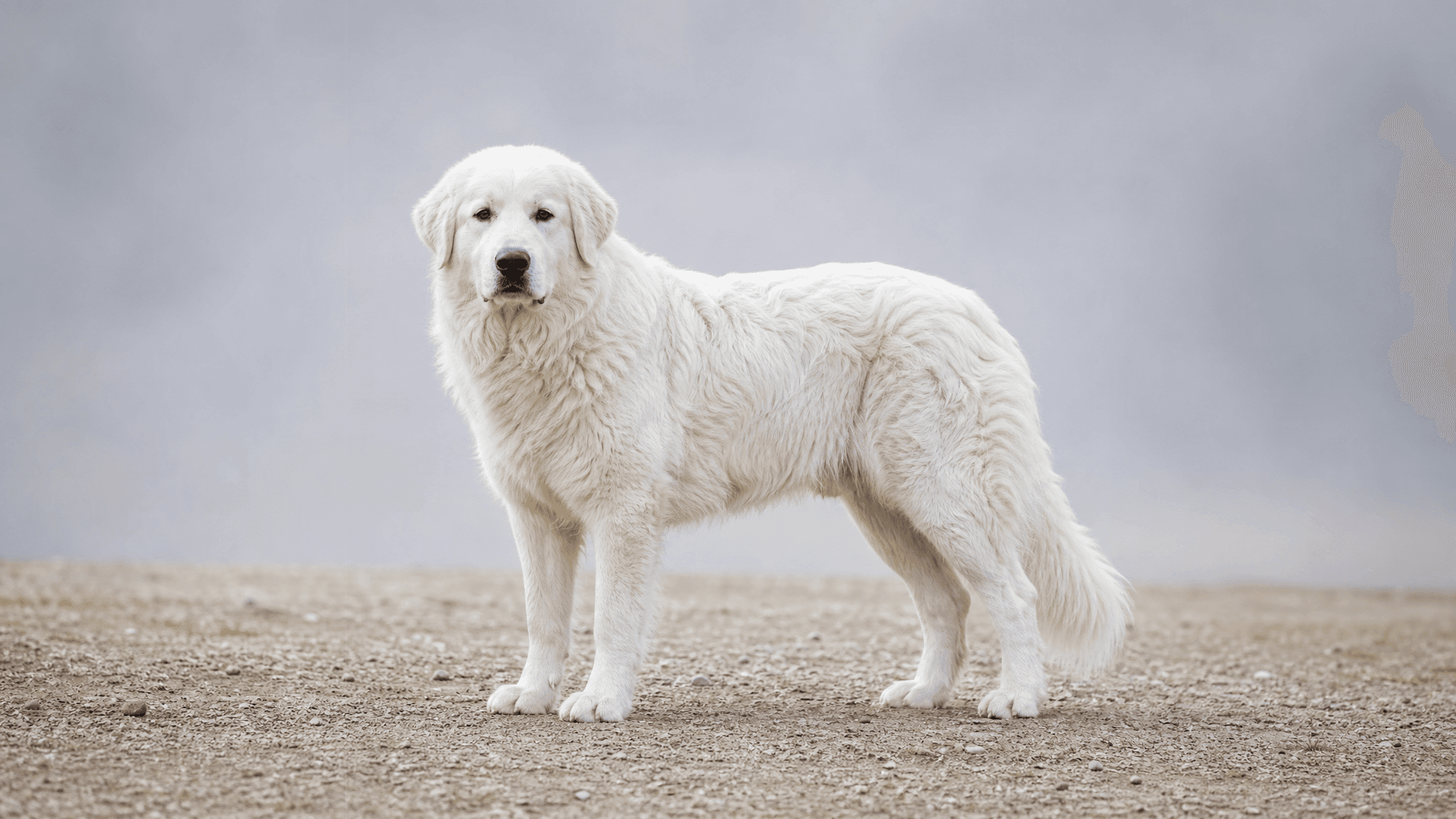
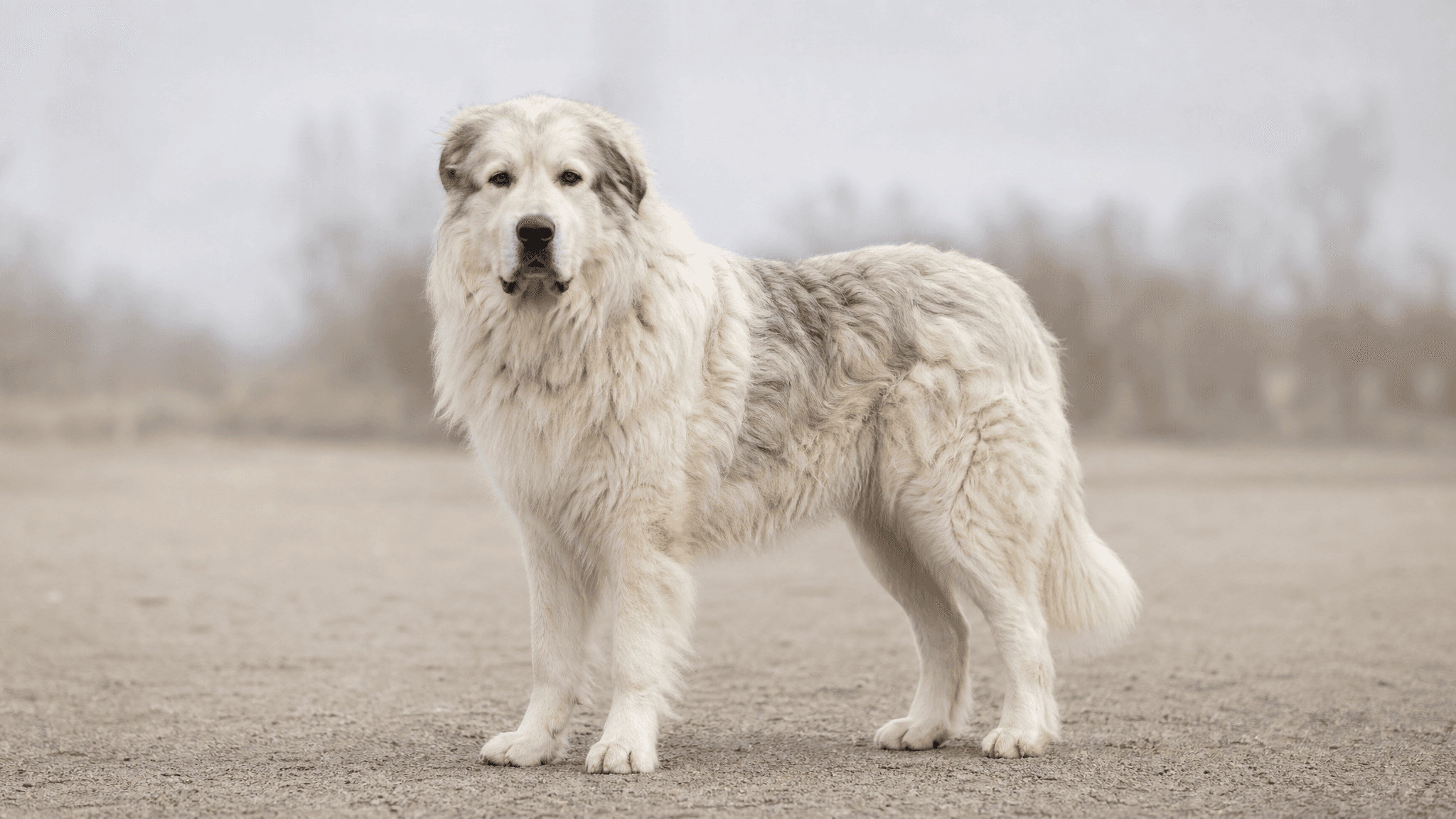
The South Russian Shepherd Dog, or South Russian Ovcharka, is a powerful livestock guardian originating from the steppes of southern Russia and Ukraine. It is believed to descend from Spanish sheepdogs (possibly ancestors of the Catalan Gos d'Atura) brought to Russia in the 18th century with merino sheep flocks, which were crossed with local Ovcharkas. The result is a large dog, covered in a long and abundant coat, with a formidable guarding instinct.
Physical Characteristics
- Size
- Large
- Height (male)
- 65–72 cm
- Height (female)
- 60–68 cm
- Weight (male)
- 55–75 kg
- Weight (female)
- 40–60 kg
- Life Expectancy
- 9–11 years
- Coat
- Long, thick, slightly wavy; very dense undercoat
- Common Colors
- White, grey, pale ivory; white with grey or straw patches
Temperament & Personality
The South Russian Shepherd Dog is a serious, courageous and territorially very assertive guardian. It is not a breed for inexperienced owners — its independence and protective instinct require an owner who establishes firm and consistent leadership from the start. It is distrustful of strangers and can be aggressive with other dogs. With the family, it can be affectionate, but it is never a submissive dog.
Activity & Exercise
- Energy Level
- Moderate
- Recommended Daily Exercise
- 60–90 minutes
- Suitable for Apartment
- Not recommended
Grooming & Care
- Grooming Needs
- High
- Shedding
- Heavy
- Bathing Frequency
- Every 4–6 weeks
Health
- Common Health Issues
- Gastric torsion
- Hip dysplasia
- Joint problems
- Recommended Health Tests
- Preventive orthopedic evaluation
Compatibility
- With Children
- Moderate
- With Other Dogs
- Can be difficult
- With Cats
- Can be difficult
- For First-Time Owners
- Not recommended
Is a South Russian Shepherd Dog right for you?
A South Russian Shepherd Dog may suit you if:
- You are prepared to provide 60 to 90 minutes of daily exercise and engaging mental challenges for a moderate-energy dog.
- You enjoy a lifestyle that embraces the presence of a serious, courageous, and deeply devoted guardian.
- You appreciate a dog with a strong, independent spirit and a formidable protective instinct towards its family.
- You are committed to establishing firm, consistent leadership and ongoing training from a young age.
- You are ready for the significant commitment of high grooming needs, including regular brushing of a long, dense coat.
- You understand and are willing to manage a natural wariness of strangers and a strong territorial drive.
Think twice if:
- You expect a dog that is highly biddable and easily obedient without strong, consistent guidance.
- You anticipate a dog that will be content with minimal supervision or a highly flexible daily routine.
- You already have young children or other pets and are not prepared for extensive, careful introductions and management.
- You are unwilling to dedicate significant time daily to exercise or to regular, thorough grooming sessions.
- You live in an apartment or do not have a securely fenced, spacious outdoor area for a large, active guardian.
- You are a first-time dog owner or prefer a dog that requires minimal physical and behavioral management during its formative years.
The South Russian Shepherd Dog is a magnificent guardian, deeply devoted to its family, but this devotion comes with a powerful, independent spirit. While they offer unparalleled loyalty and protection, they demand an owner who can consistently guide their strong instincts. Living with this breed is a rewarding journey for those prepared to embrace their unique blend of affection and assertiveness, ensuring a harmonious partnership.
Training a South Russian Shepherd Dog
Training a South Russian Shepherd Dog requires a calm, confident, and consistent approach from day one. These intelligent, independent guardians thrive on clear communication and a strong, trusting relationship with their handler. Positive reinforcement, using high-value rewards, will be most effective, as harsh methods can damage their trust and lead to resistance. Keep training sessions short, engaging, and frequent to maintain their focus. Inconsistency or a lack of firm leadership will quickly be exploited by this powerful breed, resulting in a dog that is difficult to manage and whose protective instincts can become overwhelming. Remember, they are not recommended for first-time owners for a reason.
Begin with:
- Attention to name in varied environments
- Recall on a long line
- Loose-leash walking manners
- Leave it and drop it commands
- Calm greetings without jumping
- Settling on a mat or bed
- Cooperative handling for grooming
- Waiting patiently at doors and gates
Managing guardian instincts
The South Russian Shepherd Dog's formidable guarding instinct is a defining trait. While admirable for its original purpose, it can lead to distrust of strangers and aggression towards other dogs if not carefully managed. Early, positive, and controlled socialization is absolutely vital, exposing your puppy to a wide variety of sights, sounds, people, and calm dogs from a young age. However, always remember their inherent nature; they are not typically suited for dog parks or off-leash interactions with unknown dogs.
Focus on teaching a reliable 'look at me' or 'focus' command to redirect their attention away from potential triggers. When encountering new people or dogs, maintain a safe distance and reward your dog for calm behavior. Never force interactions, and be a strong advocate for your dog's space. Consistent leadership and clear boundaries will help them understand that you are in charge of assessing threats, allowing them to relax their guard. You can find more targeted advice in our guide on reactive dogs.
Leash pulling and strength
Given their impressive size and strength, with males weighing up to 75 kg, a South Russian Shepherd Dog that pulls on the leash can be incredibly challenging, even dangerous, to manage. It's crucial to begin loose-leash walking training the moment your puppy comes home. Invest in appropriate, comfortable equipment like a front-clip harness or head halter, which can provide better control without causing discomfort or pain.
Consistency is paramount. Every walk is a training opportunity. Practice stopping immediately when your dog pulls, and only resume walking when the leash slackens. Reward generously for walking calmly by your side. Remember, a South Russian Shepherd Dog needs 60-90 minutes of daily exercise, so mastering loose-leash walking is essential for enjoyable and safe outings for both of you. You can find more tips in our guide on leash pulling.
Boredom and vigilance
Despite their moderate energy level, a South Russian Shepherd Dog requires a solid 60-90 minutes of daily exercise and significant mental stimulation to prevent boredom. When under-exercised or under-stimulated, their independent and guardian nature can manifest in undesirable ways, such as excessive barking at perceived threats, destructive chewing, or digging. They are not suited for apartment living partly because they need space and purpose.
Provide plenty of opportunities for engaging activities, including scent work, puzzle toys, and consistent training sessions that challenge their intelligence. A predictable routine for exercise, feeding, and training helps create a sense of security and purpose. Leaving a South Russian Shepherd Dog alone for extended periods without proper enrichment can exacerbate these issues, potentially leading to stress or separation-related behaviors. Our Behaviour AI feature can help you understand and work on these challenges.
South Russian Shepherd Dog — Frequently Asked Questions
What is the Yuzhnorusskaya Ovcharka (South Russian Shepherd Dog)?
The Yuzhnorusskaya Ovcharka, also known as the South Russian Shepherd Dog, is a magnificent large breed originating from the vast steppes of southern Russia and Ukraine. Belonging to FCI Group 1, the Sheepdogs, this powerful guardian is believed to have descended from Spanish sheepdogs, possibly ancestors of the Catalan Gos d'Atura, which were brought to Russia in the 18th century and crossed with local Ovcharkas. They are instantly recognizable by their long, abundant coat and possess a truly formidable guarding instinct, making them a striking and dedicated protector.
What was the Yuzhnorusskaya Ovcharka (South Russian Shepherd Dog) originally bred for?
The South Russian Shepherd Dog was originally bred as a formidable livestock guardian. Their history traces back to the 18th century when Spanish sheepdogs, accompanying valuable merino sheep flocks, were introduced to Russia. These dogs were then crossed with local Ovcharkas to create a powerful and resilient breed perfectly suited for protecting these flocks across the vast, often harsh, landscapes of southern Russia and Ukraine. Their innate guarding instinct and impressive size made them invaluable protectors against predators and intruders, a role they excelled at for centuries.
How much exercise does a Yuzhnorusskaya Ovcharka (South Russian Shepherd Dog) need?
Despite their large size, the South Russian Shepherd Dog has a moderate energy level, meaning they don't require constant, high-intensity activity. However, they still need consistent daily exercise to stay healthy and happy. We recommend providing your Yuzhnorusskaya Ovcharka with 60 to 90 minutes of exercise each day. This can include brisk walks, supervised playtime in a securely fenced yard, or engaging in activities that stimulate both their body and mind. Regular activity helps maintain their physical condition and prevents boredom, which is crucial for this intelligent breed.
Is the Yuzhnorusskaya Ovcharka (South Russian Shepherd Dog) a good family dog?
While the South Russian Shepherd Dog can be affectionate with its own family, it's important to understand this breed is a serious, courageous, and very territorially assertive guardian. They are not a submissive pet and require an owner who can establish firm, consistent leadership. Due to their inherent distrust of strangers and potential aggression with other dogs, they are generally not recommended for homes with small children or other pets unless extremely well-socialized from a young age and constantly supervised. This is a breed best suited for experienced owners who understand their unique protective nature.
Is the Yuzhnorusskaya Ovcharka (South Russian Shepherd Dog) easy to train?
Training a Yuzhnorusskaya Ovcharka requires a dedicated and experienced owner. This breed possesses a strong independent streak and a powerful protective instinct, which means they are not typically considered easy to train for novice dog owners. Establishing firm and consistent leadership from the very beginning is absolutely crucial. They respond best to clear, confident guidance and positive reinforcement. Early and extensive socialization is also vital to help them distinguish between threats and normal situations. With the right approach, their intelligence can shine, but their inherent temperament demands respect and understanding.
What health issues are common in the Yuzhnorusskaya Ovcharka (South Russian Shepherd Dog)?
Like many large breeds, the Yuzhnorusskaya Ovcharka can be prone to certain health concerns that prospective owners should be aware of. Among the documented health issues for this breed are gastric torsion, also known as bloat, which is a serious and life-threatening condition. They can also be susceptible to hip dysplasia, a common orthopedic problem affecting the hip joints. Additionally, other general joint problems may arise. Regular veterinary check-ups and a healthy lifestyle are key to helping manage and potentially mitigate these concerns, ensuring your furry friend lives their best life.
What is the Yuzhnorusskaya Ovcharka (South Russian Shepherd Dog)'s coat like and how much grooming does it need?
The Yuzhnorusskaya Ovcharka boasts a truly impressive coat that is long and abundant, providing excellent protection against harsh weather conditions. This beautiful, shaggy double coat is one of their most defining features, but it does require dedicated care to keep it healthy and free of mats. Regular and thorough grooming, including brushing several times a week, is essential to manage shedding, prevent tangles, and maintain the integrity of their protective fur. While it's a commitment, keeping their coat in top condition contributes significantly to their overall well-being and majestic appearance.
What is the typical lifespan of a Yuzhnorusskaya Ovcharka (South Russian Shepherd Dog)?
The Yuzhnorusskaya Ovcharka, with proper care and a healthy lifestyle, typically enjoys a lifespan of 9 to 11 years. Providing them with a balanced diet, regular veterinary check-ups, appropriate exercise, and a loving environment can contribute significantly to their longevity and overall quality of life. Understanding their breed-specific health predispositions and being proactive with their care will help ensure you have many wonderful years with your loyal and magnificent South Russian Shepherd Dog companion.
Community
Talk to real South Russian Shepherd Dog owners
This guide covers the breed on paper. In the app, the South Russian Shepherd Dog community covers it in real life: photos from other owners, questions answered by people who live with the breed, and a directory of dogs you can browse.
- Photos & pollsSee what South Russian Shepherd Dog owners are sharing today.
- Questions & answersAsk anything and hear from people who own one.
- Dog directoryBrowse South Russian Shepherd Dogs from around the world.
You join automatically when you add a South Russian Shepherd Dog to your profile.