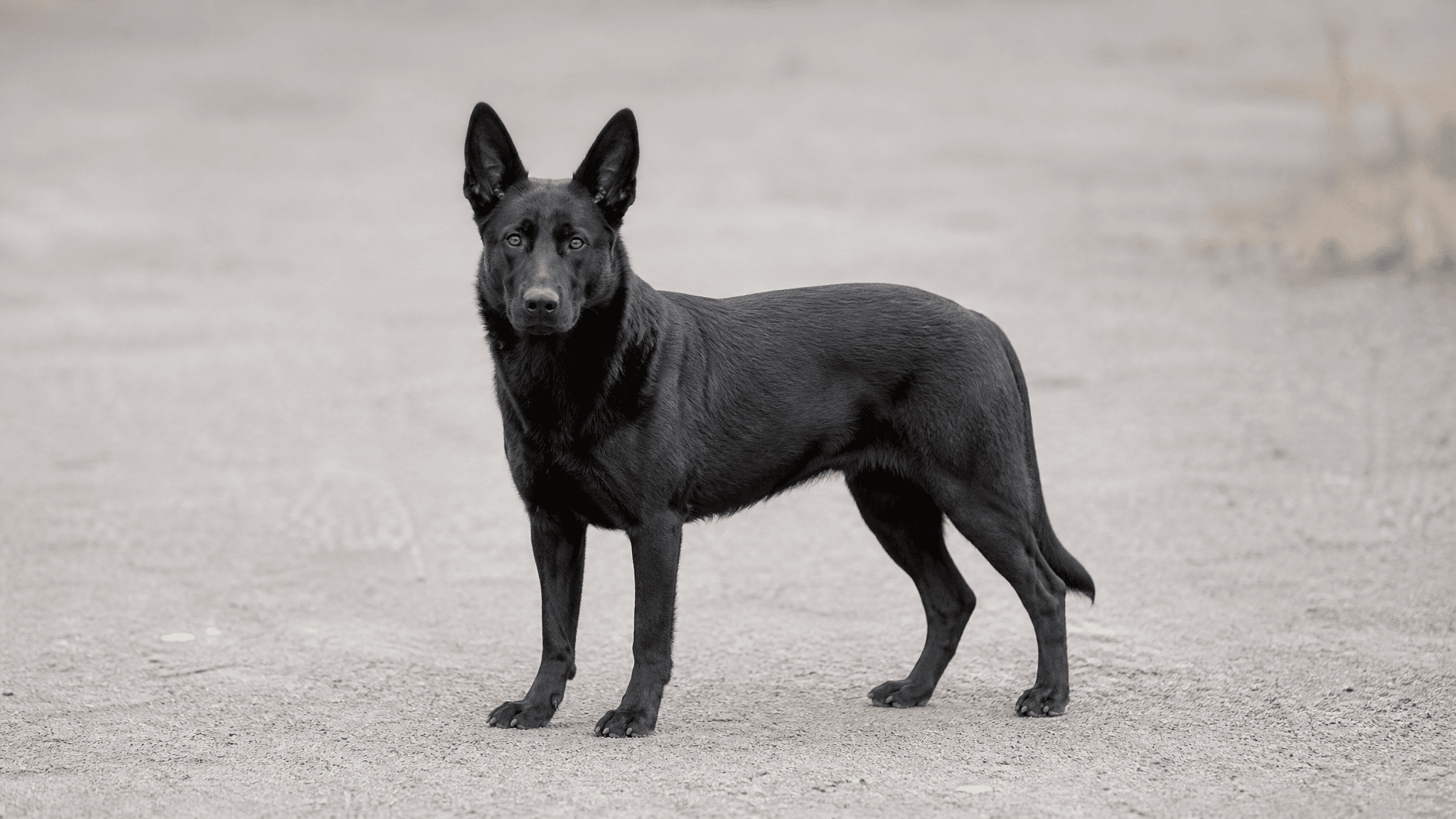
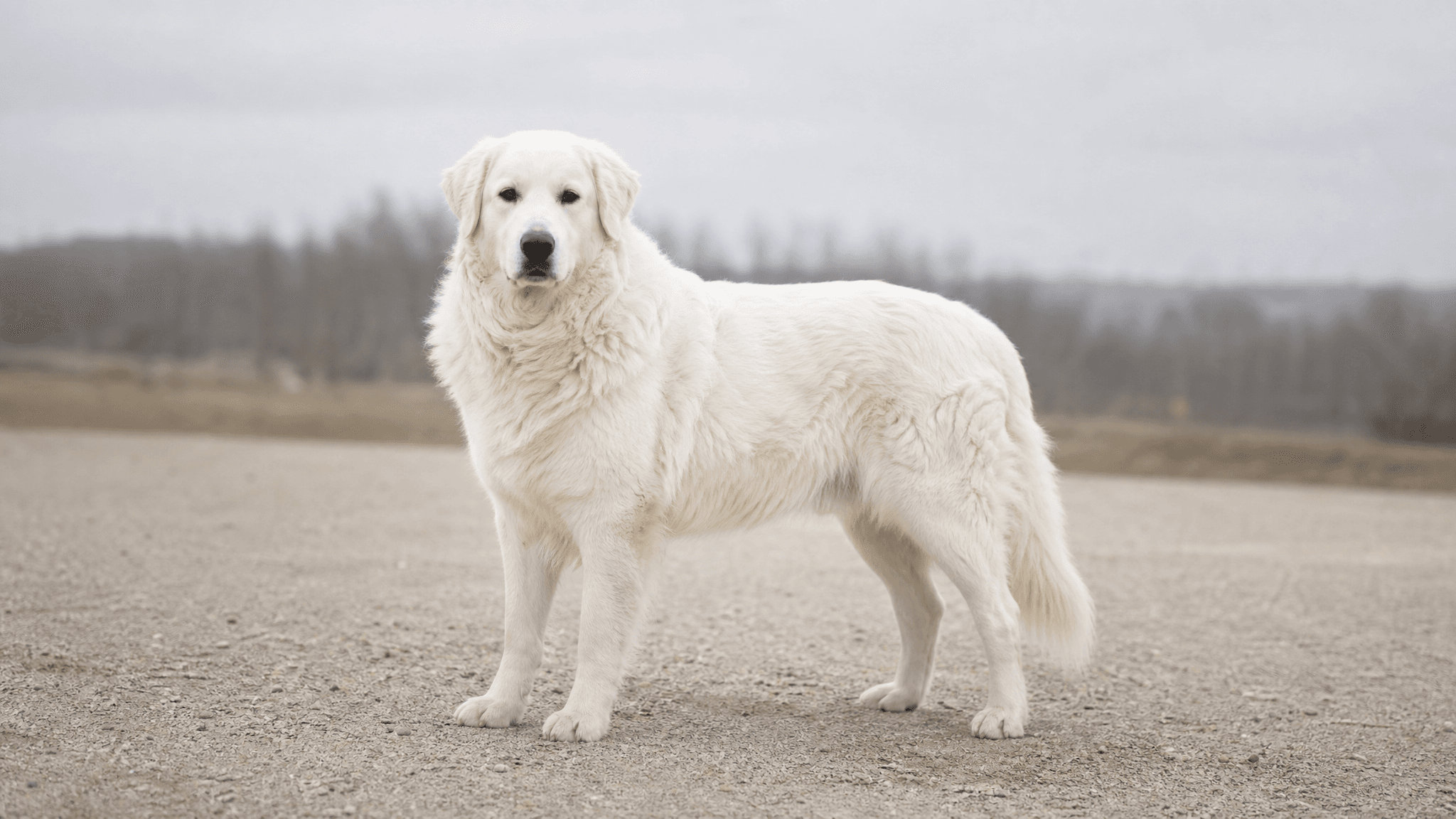
Abruzzes And Maremma Shepherd Dog
Summary
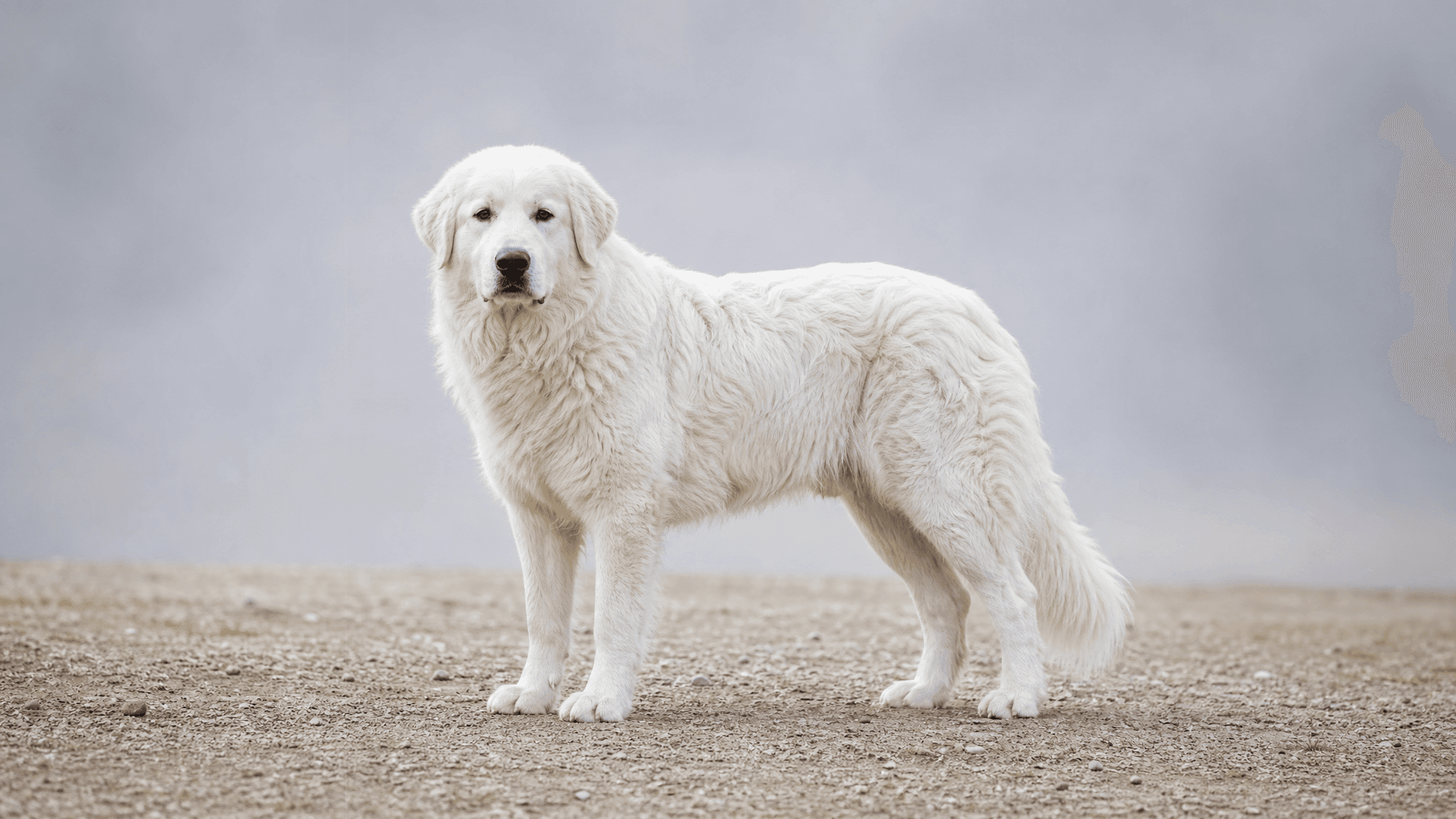
The Maremma and Abruzzes Sheepdog, popularly called "Maremma", is a large Italian livestock guardian, descended from the ancient Roman shepherd dogs. Bred to protect sheep from wolves and bears in the mountainous terrain of Tuscany, Lazio and Abruzzo, the Maremma is today also used in other countries to protect flocks from predators, including in Australia where it has been successful in protecting penguin colonies.
Physical Characteristics
- Size
- Large
- Height (male)
- 65–73 cm
- Height (female)
- 60–68 cm
- Weight (male)
- 35–45 kg
- Weight (female)
- 30–40 kg
- Life Expectancy
- 11–13 years
- Coat
- Long, abundant, slightly wavy; very dense undercoat in winter
- Common Colors
- White (may have pale cream, ivory or slight lemon tones)
Temperament & Personality
The Maremma is a born guardian with a formidable protective instinct. It is intelligent, independent and self-confident — characteristics developed over centuries of solitary work in the mountains. With its family it is affectionate and gentle, but distrustful and even hostile toward strangers and predators. It is not a breed for inexperienced owners; it requires firm leadership and extensive socialization to be a balanced domestic companion.
Activity & Exercise
- Energy Level
- Moderate
- Recommended Daily Exercise
- 60–90 minutes
- Suitable for Apartment
- Not recommended
Grooming & Care
- Grooming Needs
- High
- Shedding
- Heavy
- Bathing Frequency
- Every 4–6 weeks
Health
- Common Health Issues
- Eye problems
- Gastric torsion
- Hip dysplasia
- Recommended Health Tests
- Eye examination
- OFA orthopedic evaluation
Compatibility
- With Children
- Good
- With Other Dogs
- Moderate
- With Cats
- Moderate
- For First-Time Owners
- Not recommended
Is an Abruzzes and Maremma Shepherd Dog right for you?
An Abruzzes and Maremma Shepherd Dog may suit you if:
- You are prepared to provide 60 to 90 minutes of daily exercise and engaging mental challenges for your intelligent companion.
- You enjoy a lifestyle that allows for purposeful outdoor activities, perhaps even involving guardianship, where this breed truly thrives.
- You appreciate an independent, self-confident dog with a formidable protective instinct, yet gentle and affectionate with its cherished family.
- You are prepared for the commitment of firm leadership and extensive socialization from puppyhood to guide an independent spirit.
- You can commit to high grooming needs, including regular brushing to manage its long, abundant coat and heavy shedding.
- You are prepared to manage a natural guardian's distrust of strangers and its strong protective instincts with patience and understanding.
Think twice if:
- You expect a dog that is highly biddable and always eager to please, as this breed's independence means it thinks for itself.
- You have a routine that leaves a dog alone for long periods, as this breed thrives on connection and purpose.
- You are seeking a dog that will effortlessly integrate with multiple existing pets without careful, ongoing management.
- You are unwilling to dedicate time daily for its moderate energy exercise needs or its significant grooming requirements.
- You live in an apartment or do not have a securely fenced, spacious outdoor area for a large, independent guardian.
- You are not prepared for the physical demands of managing a large, strong dog through its independent adolescent phases.
The Abruzzes and Maremma Shepherd Dog offers deep loyalty and a profound sense of purpose to the right family. Living with this magnificent guardian means embracing its independent spirit and formidable protective instincts. It's a journey of mutual respect, where firm, consistent guidance meets an affectionate heart, creating an unparalleled bond for those prepared for the commitment.
Training an Abruzzes and Maremma Shepherd Dog
Your Maremma Shepherd Dog is a highly intelligent and independent learner, a legacy of centuries spent making decisions on their own while guarding flocks. They respond best to consistent, fair leadership and positive reinforcement, rather than harsh corrections, which they will likely resent. Keep training sessions short, engaging, and varied to hold their interest, as repetition can bore them. If you're inconsistent or lack confidence, your Maremma will quickly take the lead, making training a much greater challenge.
Begin with:
- Attention and response to name around distractions
- Recall on a long line
- Loose-leash walking
- Leave it and drop it
- Calm greetings without jumping
- Settling on a mat or bed
- Cooperative handling for grooming, ears, feet and teeth
- Waiting at doors and gates
Guardian instinct and reactivity
The Maremma's formidable protective instinct, while invaluable for their historical role, means they are naturally distrustful of strangers and can be reactive to new sights, sounds, and people. Early and extensive positive socialization is absolutely critical to help your Maremma learn appropriate responses to the world around them. Expose them to a wide variety of positive experiences with different people, places, and well-behaved dogs from a young age, always ensuring these encounters are safe and rewarding.
When encountering new situations, manage the environment to keep your Maremma under threshold. Reward calm, observant behavior generously. If your dog shows signs of unease, gently redirect their attention and create distance. For more specific guidance on managing reactivity, our Behaviour AI feature can offer tailored insights.
Managing strength on leash
Given their large size, with males reaching up to 45 kg, a Maremma pulling on the leash can be a significant challenge, especially for those not accustomed to such a powerful dog. Their independent nature means they might decide where they want to go, rather than follow your lead. Starting early with loose-leash walking training is paramount.
Invest in a well-fitting harness that discourages pulling, rather than relying solely on a collar, which can cause discomfort and damage. Consistency is key: every walk is a training opportunity. Reward every moment of slack leash and change direction frequently to keep your Maremma engaged with you.
Boredom and destructive behaviour
Despite their moderate energy level, Maremmas require a solid 60-90 minutes of exercise daily. Their intelligent and independent minds also need mental stimulation. Without sufficient physical activity and mental enrichment, a Maremma can easily become bored, leading to undesirable behaviours like excessive barking, digging, or destructive chewing around the home or yard.
Ensure their daily exercise includes varied activities beyond just a simple walk. Incorporate training games, puzzle toys, and opportunities to explore new environments. Providing a secure, spacious yard for them to patrol and observe can also satisfy their natural instincts. Remember, a tired Maremma is usually a well-behaved Maremma.
Abruzzes And Maremma Shepherd Dog — Frequently Asked Questions
What is the Cane da Pastore Abruzzese Maremmano (Abruzzes and Maremma Shepherd Dog)?
The Cane da Pastore Abruzzese Maremmano, often simply called the Maremma, is a magnificent large Italian livestock guardian dog, originating from the mountainous regions of Tuscany, Lazio, and Abruzzo. Descended from ancient Roman shepherd dogs, this breed belongs to FCI Group 1 (Sheepdogs) and is renowned for its formidable protective instinct, intelligence, and self-confident demeanor. Their striking white coat and imposing presence are truly unmistakable, reflecting centuries of dedicated work safeguarding flocks. They are truly a majestic and ancient breed with a strong sense of purpose.
What was the Cane da Pastore Abruzzese Maremmano (Abruzzes and Maremma Shepherd Dog) originally bred for?
The Maremma was originally bred for a very specific and crucial role: to protect sheep from formidable predators like wolves and bears in the rugged, mountainous terrain of Italy. For centuries, these dogs worked independently, developing their strong protective instincts, intelligence, and self-confidence. Their history is deeply intertwined with the pastoral life of Italy, where they served as vigilant guardians. Today, their exceptional abilities are still utilized globally, even successfully protecting penguin colonies in Australia, showcasing their adaptable and dedicated guardian nature.
How much exercise does a Cane da Pastore Abruzzese Maremmano (Abruzzes and Maremma Shepherd Dog) need?
Despite their large size, the Maremma has a moderate energy level and typically needs about 60 to 90 minutes of exercise per day to stay happy and healthy. This doesn't necessarily mean intense, high-impact activities; they enjoy walks, exploring securely fenced yards, and having a job to do. Because of their intelligence and independent nature, mental stimulation is just as important as physical exercise. Regular, consistent activity helps keep them balanced and prevents boredom, which is key for such a thoughtful and purposeful breed.
Is the Cane da Pastore Abruzzese Maremmano (Abruzzes and Maremma Shepherd Dog) a good family dog?
The Maremma can indeed be a wonderful family dog, displaying deep affection and gentleness towards its own human pack. However, their formidable protective instinct means they are naturally distrustful and can even be hostile towards strangers, which requires extensive early socialization and firm, consistent leadership. While they can coexist with children and other pets, supervision is always wise, and they are definitely not a breed for inexperienced owners. Their loyalty to their family is unwavering, making them dedicated protectors who thrive on being part of a loving home.
Is the Cane da Pastore Abruzzese Maremmano (Abruzzes and Maremma Shepherd Dog) easy to train?
Training a Cane da Pastore Abruzzese Maremmano requires patience, consistency, and a deep understanding of their intelligent, independent, and self-confident temperament. These dogs were bred to work autonomously, making them less inclined to blindly follow commands. They are not considered easy to train for inexperienced owners and require firm, fair leadership from day one. Early and extensive socialization is crucial to help them distinguish between threats and normal situations, and positive reinforcement methods work best to build a strong, trusting bond with these thoughtful guardians.
What health issues are common in the Cane da Pastore Abruzzese Maremmano (Abruzzes and Maremma Shepherd Dog)?
Like all breeds, the Cane da Pastore Abruzzese Maremmano can be predisposed to certain health concerns, and it's good to be aware of them. Documented issues include eye problems, which can range in severity, and hip dysplasia, a condition affecting the hip joints. Another serious concern is gastric torsion, also known as bloat, which requires immediate veterinary attention. Responsible breeding practices and regular veterinary check-ups are essential to help monitor and manage these potential health challenges, ensuring your Maremma lives the healthiest life possible.
What is the Cane da Pastore Abruzzese Maremmano (Abruzzes and Maremma Shepherd Dog)'s coat like and how much grooming does it need?
The Maremma boasts a beautiful, thick, and weather-resistant white coat that served them well in the harsh mountain environments of their origin. This dense double coat provides excellent insulation and protection. While stunning, it does require moderate grooming to keep it in top condition. Regular brushing, at least a few times a week, is important to prevent matting, especially behind the ears and on the legs, and to manage shedding. Occasional baths will help keep their white coat bright and clean.
What is the typical lifespan of a Cane da Pastore Abruzzese Maremmano (Abruzzes and Maremma Shepherd Dog)?
The Cane da Pastore Abruzzese Maremmano typically enjoys a robust and healthy lifespan of 11 to 13 years. Providing your Maremma with excellent care, including a high-quality diet, regular exercise within their moderate needs, and consistent veterinary check-ups, can help ensure they live a long and fulfilling life by your side. These dedicated companions bring many years of loyalty and love to their families, making every moment with them truly special and cherished.
Community
Talk to real Abruzzes And Maremma Shepherd Dog owners
This guide covers the breed on paper. In the app, the Abruzzes And Maremma Shepherd Dog community covers it in real life: photos from other owners, questions answered by people who live with the breed, and a directory of dogs you can browse.
- Photos & pollsSee what Abruzzes And Maremma Shepherd Dog owners are sharing today.
- Questions & answersAsk anything and hear from people who own one.
- Dog directoryBrowse Abruzzes And Maremma Shepherd Dogs from around the world.
You join automatically when you add a Abruzzes And Maremma Shepherd Dog to your profile.