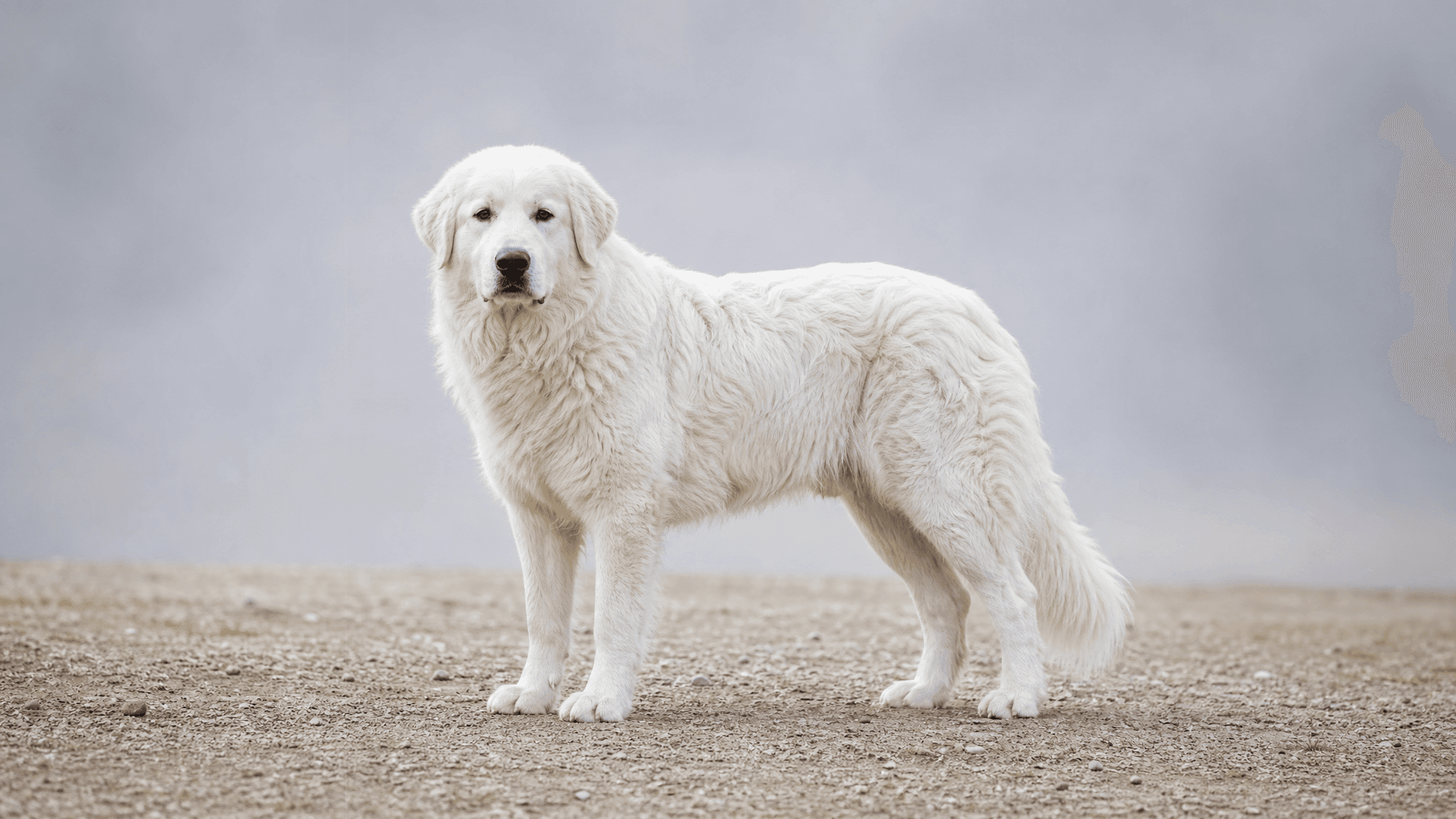
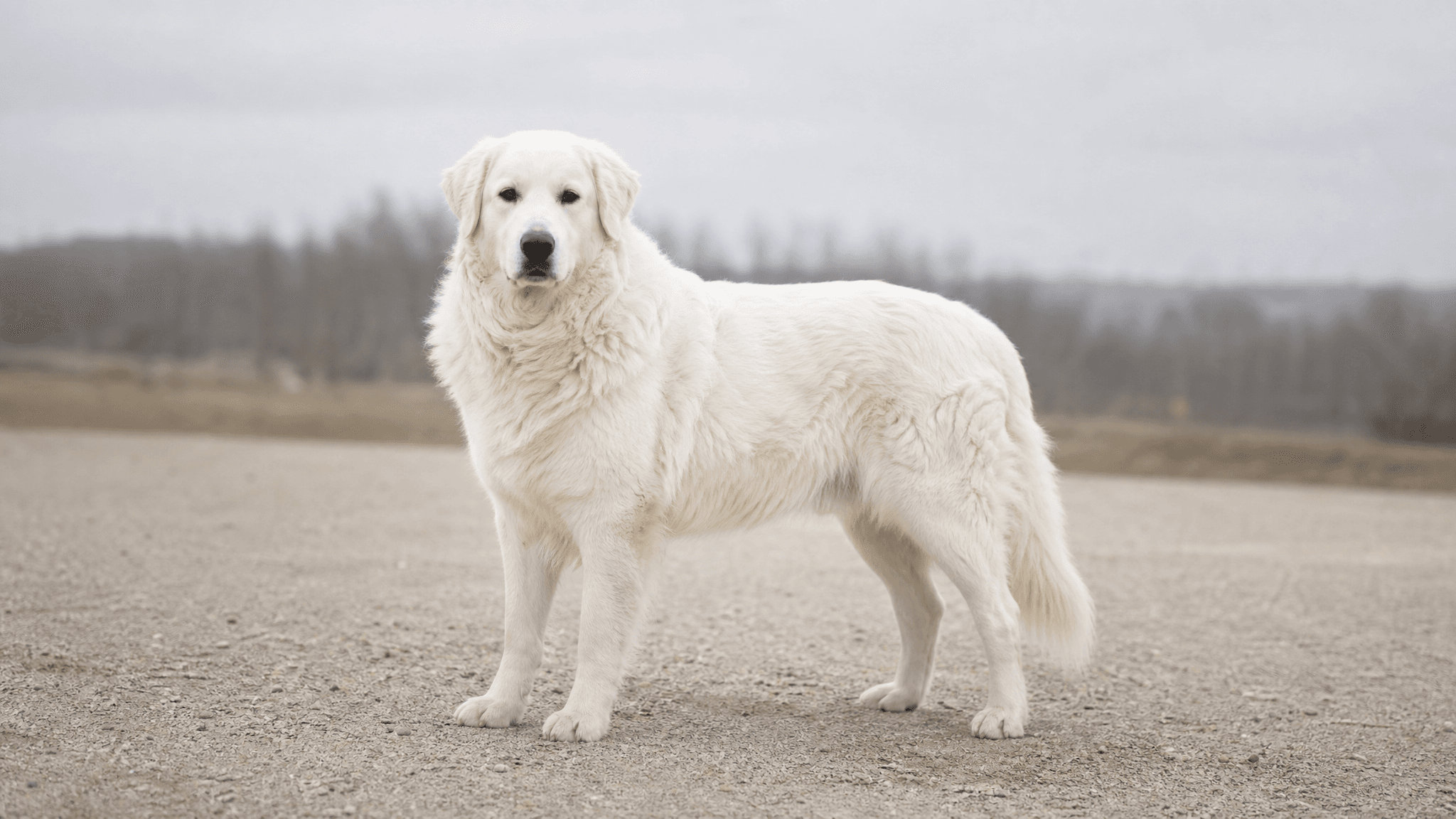
Majorca Shepherd Dog
Summary
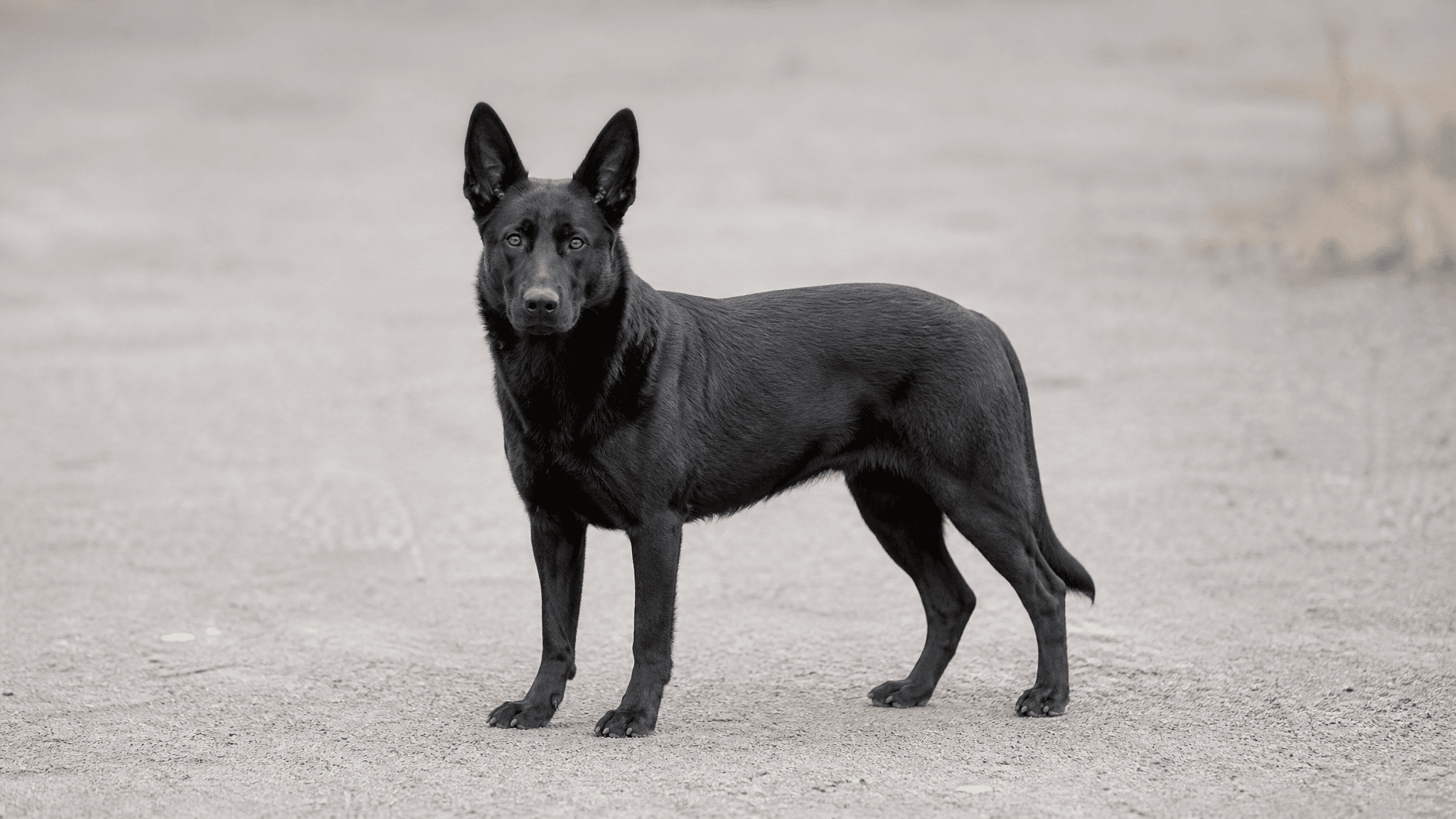
The Ca de Bestiar (in Catalan, "livestock dog") is the native breed of the Balearic Islands, especially Majorca, where it served for centuries as a guard and livestock dog. It is a solid and athletic breed, with a black coat and protective character, combining the functions of flock guardian with domestic guard dog. It exists in two coat varieties — short (much more common) and long (extremely rare).
Physical Characteristics
- Size
- Large
- Height (male)
- 55–61 cm
- Height (female)
- 52–58 cm
- Weight (male)
- 35–40 kg
- Weight (female)
- 30–35 kg
- Life Expectancy
- 11–13 years
- Coat
- Short (most common) — fine, dense and smooth; Long (very rare) — slightly wavy, up to 7 cm
- Common Colors
- Black exclusively (without markings)
Temperament & Personality
The Ca de Bestiar is an intelligent, measured and protective dog, with a well-developed territorial instinct. It is loyal to its family but distrustful of strangers — making it an excellent guard dog. It needs early socialization and consistent training to accept visitors without overreacting. With the family it is affectionate and calm, although it always retains its characteristic seriousness.
Activity & Exercise
- Energy Level
- Moderate to high
- Recommended Daily Exercise
- 60–90 minutes
- Suitable for Apartment
- Not recommended
Grooming & Care
- Grooming Needs
- Low
- Shedding
- Moderate
- Bathing Frequency
- Every 6–8 weeks
Health
- Common Health Issues
- Eye problems
- Hip dysplasia
- Recommended Health Tests
- Eye examination
- Orthopedic evaluation
Compatibility
- With Children
- Good
- With Other Dogs
- Moderate
- With Cats
- Can be difficult
- For First-Time Owners
- Not recommended
Is a Majorca Shepherd Dog right for you?
A Majorca Shepherd Dog may suit you if:
- You can provide at least 60-90 minutes of daily vigorous exercise and engaging mental challenges for an intelligent dog.
- You enjoy outdoor activities like hiking or long walks, which an athletic and robust companion would love.
- You appreciate a loyal, protective companion with a serious demeanor that forms deep bonds with its family.
- You are prepared to commit to consistent, early socialization and ongoing training to shape a well-behaved adult.
- You are comfortable with moderate shedding and occasional grooming needs, like bathing every 6-8 weeks.
- You are willing to manage a strong territorial instinct and a natural wariness towards new people and situations.
Think twice if:
- You expect a dog that is instinctively eager to please and always perfectly obedient without extensive effort.
- You frequently leave your dog alone for long periods, or your home routine is highly inconsistent.
- You have cats or other small pets and are unwilling to manage potential difficulties in their cohabitation.
- You are unable to provide daily vigorous exercise for 60-90 minutes, regardless of the weather.
- You live in an apartment or small home without a securely fenced yard for regular outdoor access.
- You are not prepared for the commitment of handling a large, strong, and sometimes headstrong adolescent dog.
The Majorca Shepherd Dog is a truly magnificent and loyal companion, offering unwavering protection and affection to its family. While their serious nature and strong instincts demand a dedicated owner committed to consistent training and socialization, the bond you forge with this intelligent breed is incredibly deep. For those prepared to meet their needs, living with a Ca de Bestiar is a uniquely rewarding experience.
Training a Majorca Shepherd Dog
Majorca Shepherd Dogs (Ca de Bestiar) are intelligent and loyal, thriving on consistent, positive reinforcement that builds trust. Their inherent seriousness and protective nature mean they learn best when training is engaging and fair, always ending on a high note. Short, frequent sessions (5-10 minutes) keep their focus sharp. Inconsistency or harsh corrections will undermine their trust and can exacerbate their natural distrust of strangers or territorial instincts, leading to a protective dog who may overreact rather than respond calmly. A firm, gentle, and patient approach is essential for this magnificent breed.
Begin with:
- Attention and response to name around distractions
- Recall on a long line
- Loose-leash walking
- Leave it and drop it
- Calm greetings without jumping
- Settling on a mat or bed
- Cooperative handling for grooming, ears, feet and teeth
- Waiting at doors and gates
Territoriality and Strangers
The Ca de Bestiar has a strong territorial instinct and is distrustful of strangers. This makes them excellent guard dogs but requires early and ongoing socialization to prevent overreaction. Introduce your dog to a wide variety of people, sights, and sounds from a young age in positive, controlled environments. Reward calm behaviour around new people, teaching them that visitors are not a threat.
If you notice your dog becoming overly protective or reactive towards strangers, focus on counter-conditioning and desensitization techniques. Our guide on managing overreactions can provide practical steps to help your Majorca Shepherd Dog feel more comfortable and secure in new situations.
Leash Manners and Strength
Given their large size (30-40 kg) and moderate to high energy, a Majorca Shepherd Dog can be a powerful puller on the leash. Start teaching loose-leash walking early, using positive reinforcement and a comfortable harness that discourages pulling. Consistency is key; every walk is a training opportunity.
If pulling becomes a struggle, consider using this guide to reinforce good habits and make walks enjoyable for both of you. Remember, patience and consistency will yield the best results with this strong and intelligent breed.
Boredom and Destructive Behaviour
Majorca Shepherd Dogs require 60-90 minutes of daily exercise and mental stimulation. Without enough activity or if left alone for extended periods, their intelligence and energy can lead to boredom, manifesting as destructive chewing, excessive barking, or digging. Provide plenty of engaging toys, puzzle feeders, and varied activities beyond just walks.
To keep their minds active and prevent unwanted behaviours, consider dog sports or advanced obedience training. Varying your walking routes and incorporating mental games into your daily routine can also make a big difference. Check out our Top Dog Walking Tips for ideas to keep your Ca de Bestiar engaged and happy.
Majorca Shepherd Dog — Frequently Asked Questions
What is the Ca de Bestiar (Majorca Shepherd Dog)?
The Ca de Bestiar, also affectionately known as the Majorca Shepherd Dog, is a magnificent native breed hailing from the sun-drenched Balearic Islands of Spain, particularly Majorca. This large, solid, and athletic dog belongs to FCI Group 1 (Sheepdogs), a testament to its ancient working heritage. Characterized by its striking black coat and inherently protective nature, the Ca de Bestiar was developed to be both a vigilant flock guardian and a steadfast domestic guard dog. It embodies a unique blend of seriousness and loyalty, making it a truly remarkable companion for those who appreciate its unique qualities.
What was the Ca de Bestiar (Majorca Shepherd Dog) originally bred for?
The Ca de Bestiar's history is deeply rooted in the rugged landscapes of Majorca, where for centuries it served as an indispensable working dog. Its primary purpose was to act as both a vigilant livestock guardian and a dedicated domestic guard dog. This intelligent and robust breed was essential for protecting flocks from predators and safeguarding homes and properties across the Balearic Islands. Its well-developed territorial instinct and protective character were highly valued, allowing it to combine the demanding functions of a flock guardian with the loyalty of a family protector, a role it performs with unwavering dedication.
How much exercise does a Ca de Bestiar (Majorca Shepherd Dog) need?
Given their moderate to high energy level and working background, Ca de Bestiar dogs thrive on regular activity! To keep your Majorca Shepherd Dog happy and healthy, you should aim for a good 60 to 90 minutes of exercise every day. This isn't just about physical exertion; it's also about mental stimulation. Long walks, engaging playtime, or even training sessions in a secure area are wonderful ways to meet their needs. Consistent exercise helps channel their natural drive positively, ensuring they remain well-adjusted and content companions in your home.
Is the Ca de Bestiar (Majorca Shepherd Dog) a good family dog?
Absolutely! The Ca de Bestiar is incredibly loyal and affectionate with its family, bringing a calm and serious presence to the home. While they possess a strong territorial instinct and can be distrustful of strangers, making them excellent guard dogs, with early socialization and consistent training, they can learn to accept visitors gracefully. With children, they can be wonderfully patient and protective, and with other pets, they can coexist peacefully, especially if raised together. This breed thrives on being part of the family, offering unwavering devotion and a watchful eye over their loved ones, making them a wonderful, protective companion for the right household.
Is the Ca de Bestiar (Majorca Shepherd Dog) easy to train?
The Ca de Bestiar is an intelligent and measured dog, which makes them quite capable of learning, but their strong will and protective nature mean that consistent training is key! They possess a well-developed territorial instinct, so early socialization is crucial to help them understand appropriate reactions to new people and situations. With a firm, fair, and patient approach, they respond very well to positive reinforcement. Their loyalty to their family makes them eager to please those they trust, so starting training early and maintaining consistency will help your Ca de Bestiar grow into a well-behaved and confident companion.
What health issues are common in the Ca de Bestiar (Majorca Shepherd Dog)?
Like many breeds, the Ca de Bestiar can be prone to certain health considerations, and it's always wise for prospective owners to be aware. Documented health concerns for this wonderful breed include eye problems and hip dysplasia. Responsible breeders will screen their dogs for these conditions to help ensure the health of their puppies. Regular veterinary check-ups, a balanced diet, and appropriate exercise are all crucial steps you can take to support your Ca de Bestiar's overall well-being and help them live a long, happy life by your side.
What is the Ca de Bestiar (Majorca Shepherd Dog)'s coat like and how much grooming does it need?
The Ca de Bestiar typically sports a striking black coat, which comes in two distinct varieties: a much more common short coat and an extremely rare long coat. Both types are quite robust, reflecting their working heritage and need for protection from the elements. While the short-coated variety is relatively low maintenance, a good brush once or twice a week will help keep their coat healthy, minimize shedding, and remove any loose fur or debris. The long-coated variety, though rare, would naturally require a bit more attention to prevent tangles and mats, ensuring their beautiful fur stays in top condition. Regular grooming also provides a wonderful bonding opportunity with your loyal companion.
What is the typical lifespan of a Ca de Bestiar (Majorca Shepherd Dog)?
It's wonderful to think about the many years you'll share with a Ca de Bestiar! These loyal and robust dogs typically enjoy a lifespan of 11 to 13 years. Of course, individual lifespans can vary based on genetics, diet, exercise, and overall care, but with proper nutrition, regular veterinary attention, and plenty of love and mental stimulation, you can help ensure your Majorca Shepherd Dog lives a full and vibrant life. They truly become cherished members of the family, bringing joy and companionship for over a decade.
Community
Talk to real Majorca Shepherd Dog owners
This guide covers the breed on paper. In the app, the Majorca Shepherd Dog community covers it in real life: photos from other owners, questions answered by people who live with the breed, and a directory of dogs you can browse.
- Photos & pollsSee what Majorca Shepherd Dog owners are sharing today.
- Questions & answersAsk anything and hear from people who own one.
- Dog directoryBrowse Majorca Shepherd Dogs from around the world.
You join automatically when you add a Majorca Shepherd Dog to your profile.