Romanian Carpathian Shepherd Dog
Summary
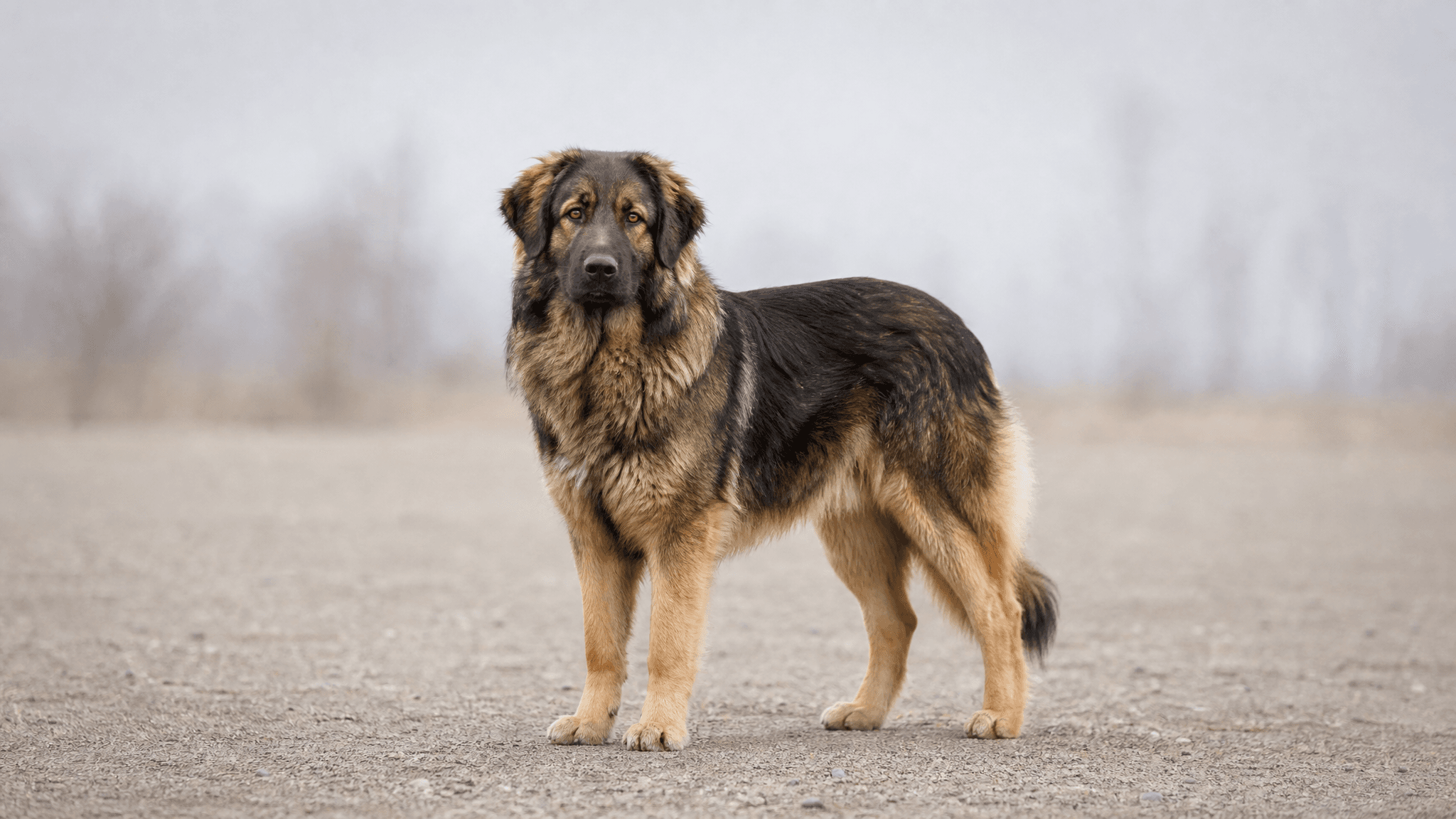
The Romanian Carpathian Shepherd Dog is the mountain companion of the Mioritic Shepherd, equally originating from the Romanian Carpathians, but with a different appearance: shorter and denser coat, tawny-brown coloring with black mask and saddle, vaguely reminiscent of a denser-coated German Shepherd. It has been used for centuries to protect sheep flocks from the great Carpathian predators — wolves, bears and lynxes. It is Romania's second national pastoral breed.
Physical Characteristics
- Size
- Large
- Height (male)
- 65–73 cm
- Height (female)
- 59–67 cm
- Weight (male)
- 32–45 kg
- Weight (female)
- 27–38 kg
- Life Expectancy
- 12–14 years
- Coat
- Medium to long, dense, straight or slightly wavy; very dense undercoat
- Common Colors
- Tawny-brown (wolf-fawn) with black mask and dark saddle; pattern similar to the German Shepherd
Temperament & Personality
The Carpathian Shepherd is a strong, resilient and courageous guardian, with a highly developed protective instinct. It is more lively and active than the Mioritic, with greater reactivity to danger. With its family it is loyal and affectionate, but requires an owner who understands the needs of a guardian dog — intensive early socialization and consistent training are essential for managing its protective instinct.
Activity & Exercise
- Energy Level
- Moderate to high
- Recommended Daily Exercise
- 60–90 minutes
- Suitable for Apartment
- Not recommended
Grooming & Care
- Grooming Needs
- Moderate to high
- Shedding
- Heavy
- Bathing Frequency
- Every 4–6 weeks
Health
- Common Health Issues
- Gastric torsion
- Hip dysplasia
- Recommended Health Tests
- Preventive orthopedic evaluation
Compatibility
- With Children
- Good
- With Other Dogs
- Moderate
- With Cats
- Moderate
- For First-Time Owners
- Not recommended
Is a Romanian Carpathian Shepherd Dog right for you?
A Romanian Carpathian Shepherd Dog may suit you if:
- You are prepared to provide 60 to 90 minutes of daily exercise and engaging mental challenges to satisfy their moderate to high energy.
- You enjoy a lifestyle that involves actively managing a loyal, affectionate companion with a strong guardian instinct.
- You are seeking a courageous, resilient, and lively dog who will be a dedicated protector of your family and home.
- You are committed to intensive early socialization and consistent, ongoing training to guide a naturally protective breed.
- You are prepared for moderate to high grooming needs, including regular care for their dense, medium to long coat and heavy shedding.
- You can embrace and responsibly manage a dog with a highly developed protective instinct and natural reactivity to perceived danger.
Think twice if:
- You expect a dog that is instinctively biddable and easily managed, as this breed requires an owner who understands guardian dog needs.
- You have a household routine where your dog would frequently be left alone for long periods, as they thrive on companionship and purpose.
- You are unprepared to carefully introduce and supervise interactions with other dogs or cats, despite their generally good nature with children.
- You are unwilling to commit to at least 60 minutes of daily exercise and consistent grooming for a heavily shedding, dense-coated breed.
- You live in an apartment or do not have a securely fenced, spacious outdoor area for a large, active dog.
- You are not prepared for the physical and mental demands of consistently training and guiding a powerful, independent adolescent guardian breed.
Bringing a Romanian Carpathian Shepherd Dog into your life is a profound commitment to a loyal, protective, and spirited companion. They offer immense devotion and security, but truly flourish with consistent guidance, ample activity, and an owner who respects their ancient guardian instincts. Embrace their unique spirit, and you'll gain a magnificent, lifelong friend, but be honest about the dedication required.
Training a Romanian Carpathian Shepherd Dog
Your Carpathian Shepherd is a smart, loyal companion, eager to please its beloved family, but also a strong-willed guardian. They learn best through consistent, positive reinforcement in short, engaging sessions that respect their independent nature. Motivation comes from praise, tasty treats, and the joy of working alongside you. Inconsistency or harsh methods will quickly lead to a shutdown or resistance, making training much harder and potentially fostering reactivity, which is something we want to avoid with their natural protective instincts. Clear, calm leadership is key to building trust and cooperation.
Begin with:
- Attention and response to name around distractions
- Recall on a long line
- Loose-leash walking
- Leave it and drop it
- Calm greetings without jumping
- Settling on a mat or bed
- Cooperative handling for grooming, ears, feet and teeth
- Waiting at doors and gates
Guardian instincts
The Carpathian Shepherd has a highly developed protective instinct, having been bred for centuries to guard sheep flocks from predators like wolves and bears. This means they can be naturally wary or reactive towards strangers, other dogs, or anything they perceive as a threat to their family or territory. Intensive early socialization is absolutely essential to help them distinguish between a genuine threat and everyday occurrences.
Focus on positive exposure to a wide variety of people, places, and other friendly dogs from a young age. Always reward calm, neutral behavior in new situations. Consistent training helps manage their reactivity, teaching them appropriate responses rather than allowing their instincts to take over without guidance. Remember, you are their leader, and they need to trust you to handle situations.
Leash pulling
As a large and strong breed, a Carpathian Shepherd pulling on the leash can be a significant challenge, especially given their male weight can reach up to 45 kg and females up to 38 kg. Without proper training, walks can become difficult and unenjoyable for both of you. Early and consistent loose-leash walking training is crucial to ensure they learn to walk politely by your side.
Invest in appropriate walking equipment that helps you maintain control without causing discomfort. Practice in low-distraction environments first, gradually increasing the challenge. Reward them frequently for walking with a loose leash. For a detailed guide, check out our tips on how to stop a puppy pulling on the leash.
Boredom and anxiety
Carpathian Shepherds have a moderate to high energy level and require 60-90 minutes of daily exercise. If their physical and mental stimulation needs are not met, they can easily become bored, leading to destructive behaviors like chewing, excessive barking, or digging. They are also not recommended for apartment living, as they thrive with space and activity.
Ensure your dog receives adequate exercise and mental enrichment daily. Beyond walks, incorporate puzzle toys, training sessions, and playtime. If left alone for extended periods without proper preparation, they may develop separation anxiety. Look for signs of stress and work on gradually increasing their comfort with solitude.
Romanian Carpathian Shepherd Dog — Frequently Asked Questions
What is the Ciobanesc Românesc Carpatin (Romanian Carpathian Shepherd Dog)?
The Ciobanesc Românesc Carpatin, or Romanian Carpathian Shepherd Dog, is a magnificent large breed originating from the rugged Carpathian Mountains of Romania. Belonging to FCI Group 1 (Sheepdogs), this breed is renowned for its robust build and protective nature. It features a shorter, denser coat compared to its Mioritic counterpart, typically displaying a tawny-brown color with a distinctive black mask and saddle, giving it a powerful, almost wolf-like appearance. For centuries, these dogs have been the steadfast guardians of livestock, making them Romania's second national pastoral breed and a true symbol of resilience.
What was the Ciobanesc Românesc Carpatin (Romanian Carpathian Shepherd Dog) originally bred for?
The Ciobanesc Românesc Carpatin was originally bred for a very specific and vital purpose: to be a fearless protector of sheep flocks. For centuries, these courageous dogs have stood guard in the harsh Romanian Carpathians, defending livestock against formidable predators such as wolves, bears, and lynxes. Their history is deeply intertwined with the pastoral life of the region, where their strength, resilience, and highly developed protective instincts were indispensable. They are true working dogs, embodying the spirit of a dedicated guardian.
How much exercise does a Ciobanesc Românesc Carpatin (Romanian Carpathian Shepherd Dog) need?
Given their moderate to high energy levels and working dog heritage, the Ciobanesc Românesc Carpatin needs a good amount of daily exercise to stay happy and healthy. We recommend providing them with 60–90 minutes of vigorous activity each day. This isn't just about physical exertion; it's also about mental stimulation. Long walks, hikes, or opportunities to run and explore in a secure area are ideal. Without adequate exercise, these intelligent dogs can become bored, which might lead to unwanted behaviors. Keeping them active is key to their well-being!
Is the Ciobanesc Românesc Carpatin (Romanian Carpathian Shepherd Dog) a good family dog?
The Carpathian Shepherd is a deeply loyal and affectionate companion to its family, but it's important to remember their strong guardian instincts. They possess a highly developed protective drive, making them excellent watchdogs. For households with children or other pets, intensive early socialization is absolutely essential to ensure they learn appropriate interactions. Consistent training from a young age is also crucial to manage their protective nature and ensure they grow into well-adjusted family members. With the right understanding and commitment, they can be wonderful, devoted companions.
Is the Ciobanesc Românesc Carpatin (Romanian Carpathian Shepherd Dog) easy to train?
Training a Ciobanesc Românesc Carpatin requires a dedicated owner who truly understands the unique needs of a guardian breed. These dogs are intelligent and possess a strong, resilient temperament with a natural protective instinct, making them more lively and reactive to perceived dangers than some other shepherds. While they are capable learners, their independence means that intensive early socialization and consistent, firm yet positive training are absolutely essential. Establishing clear boundaries and building a trusting relationship from puppyhood will help channel their intelligence and protective drive into a well-behaved and loyal companion.
What health issues are common in the Ciobanesc Românesc Carpatin (Romanian Carpathian Shepherd Dog)?
Like many large breeds, the Ciobanesc Românesc Carpatin can be predisposed to certain health concerns, though responsible breeding practices aim to minimize these risks. Documented health issues to be aware of include Gastric Torsion, often referred to as bloat, which is a serious condition requiring immediate veterinary attention. Hip Dysplasia is another concern, where the hip joint doesn't form correctly, potentially leading to arthritis or lameness. Regular veterinary check-ups, a balanced diet, and maintaining a healthy weight are all important steps in promoting their long-term health.
What is the Ciobanesc Românesc Carpatin (Romanian Carpathian Shepherd Dog)'s coat like and how much grooming does it need?
The Ciobanesc Românesc Carpatin boasts a distinctive coat that is shorter and denser than some other shepherd breeds, perfectly suited for the rugged mountain environment they hail from. Typically, their fur is a beautiful tawny-brown color, often accented with a striking black mask and saddle. While not excessively long, this dense double coat does require regular attention to keep it healthy and free of mats. Weekly brushing will help manage shedding, remove loose hair, and distribute natural oils, ensuring their coat remains in tip-top condition and looking its best.
What is the typical lifespan of a Ciobanesc Românesc Carpatin (Romanian Carpathian Shepherd Dog)?
The Ciobanesc Românesc Carpatin is a robust and resilient breed, and with proper care, nutrition, and regular veterinary attention, they typically enjoy a healthy lifespan. You can generally expect your beloved Carpathian Shepherd to be a loyal companion for approximately 12–14 years. Providing them with a high-quality diet, consistent exercise, preventative health care, and plenty of love will contribute significantly to them living a full and happy life by your side.
Community
Talk to real Romanian Carpathian Shepherd Dog owners
This guide covers the breed on paper. In the app, the Romanian Carpathian Shepherd Dog community covers it in real life: photos from other owners, questions answered by people who live with the breed, and a directory of dogs you can browse.
- Photos & pollsSee what Romanian Carpathian Shepherd Dog owners are sharing today.
- Questions & answersAsk anything and hear from people who own one.
- Dog directoryBrowse Romanian Carpathian Shepherd Dogs from around the world.
You join automatically when you add a Romanian Carpathian Shepherd Dog to your profile.