Petit Brabançon
Summary
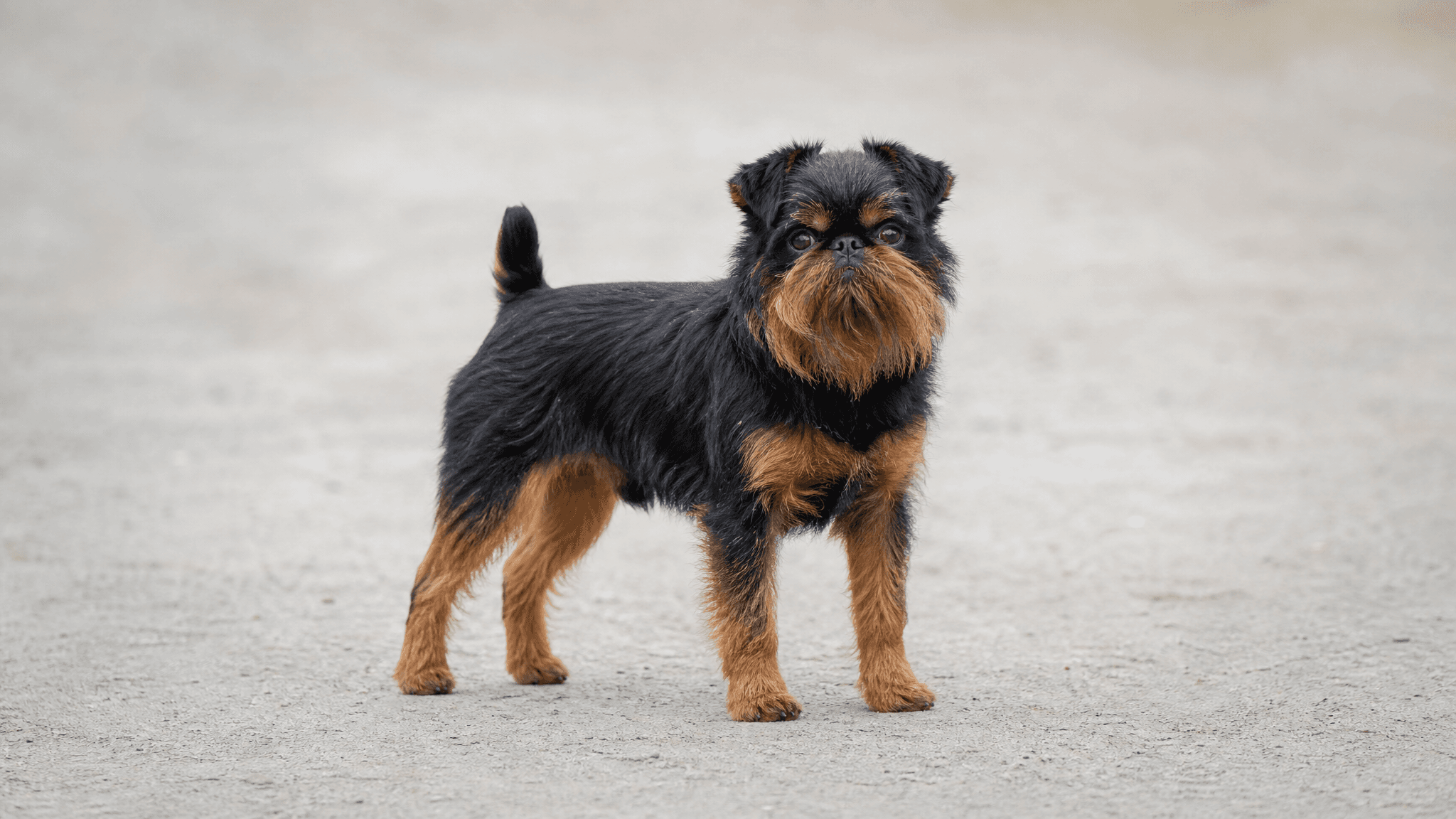
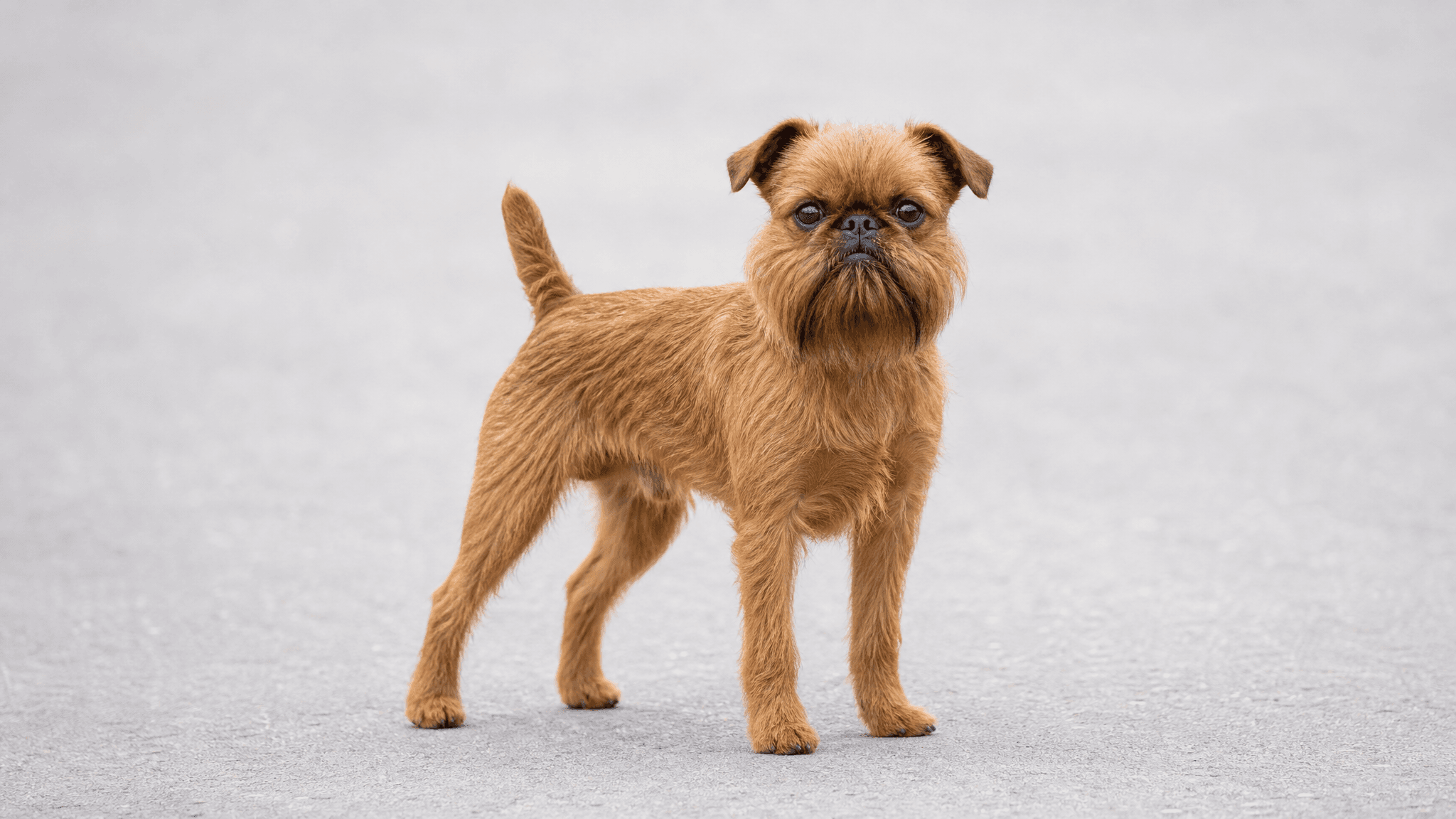
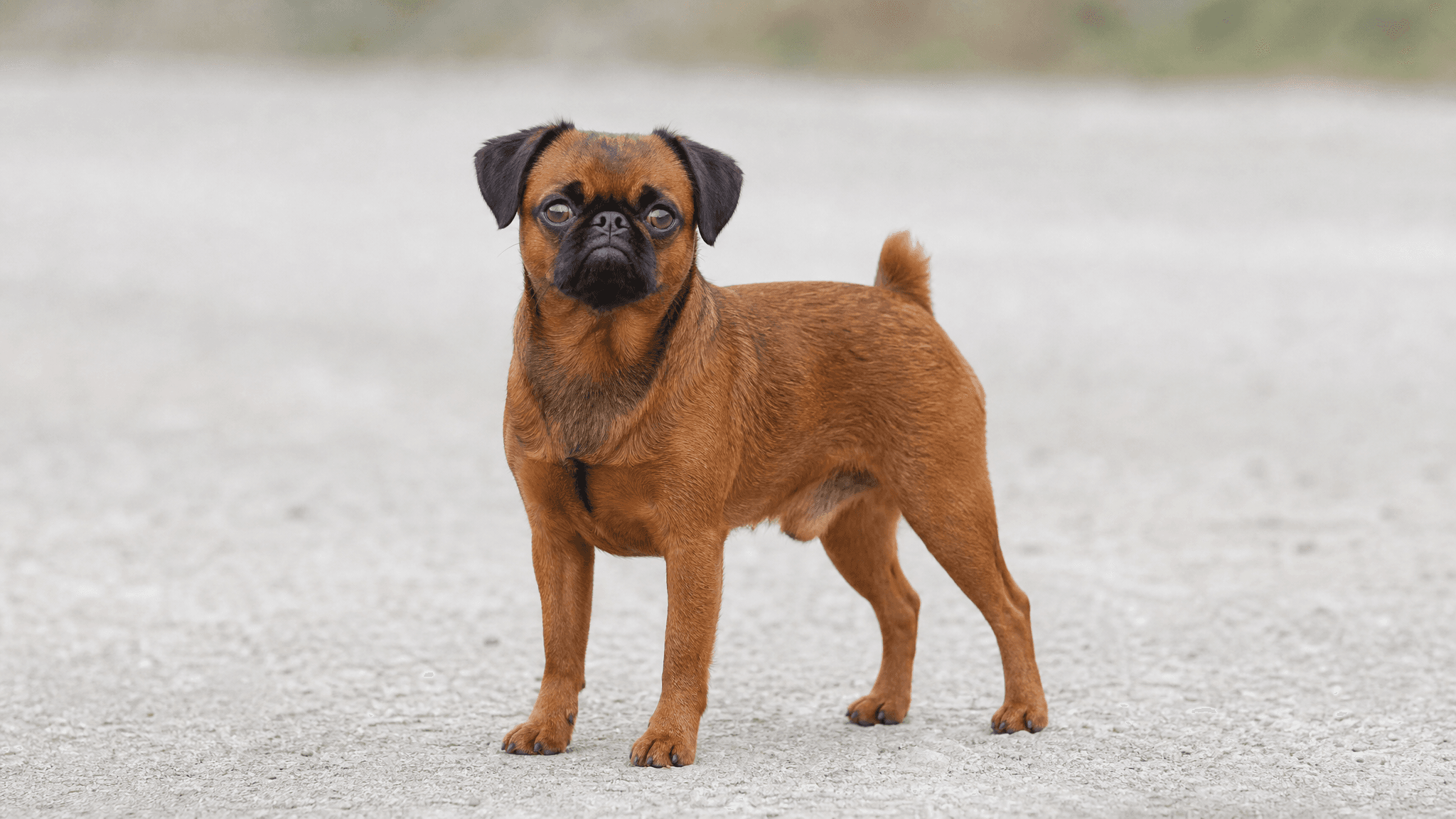
The Petit Brabançon is the third variety of the Belgian Griffons and is distinguished from the other two by its short, smooth coat — a legacy of crossbreeding with the Pug. Morphologically identical to the Brussels Griffon and the Belgian Griffon, it features the same humanoid facial expression and the same vigorous and affectionate temperament. Its name refers to Brabant, the historic region of Belgium where the breed was developed.
Physical Characteristics
- Size
- Small
- Height (male)
- 18–20 cm
- Height (female)
- 17–19 cm
- Weight (male)
- 3.5–6 kg
- Weight (female)
- 3–5.5 kg
- Life Expectancy
- 12–15 years
- Coat
- Short, dense, and smooth (smooth-coat); shiny and close to the body
- Common Colors
- Reddish, belge, black and tan, or pure black
Temperament & Personality
The Petit Brabançon shares the lively, intelligent, and deeply affectionate personality of the other Belgian Griffons. Its smooth coat requires less maintenance, which can make it a more practical option for those who want a Griffon but with lower grooming demands. It is equally an excellent watchdog and dedicated companion.
Activity & Exercise
- Energy Level
- Moderate
- Recommended Daily Exercise
- 30–45 minutes
- Suitable for Apartment
- Yes
Grooming & Care
- Grooming Needs
- Low
- Shedding
- Moderate
- Bathing Frequency
- Every 4–6 weeks
Health
- Common Health Issues
- Brachycephalic obstructive airway syndrome (mild)
- Cleft palate
- Eye problems
- Hip dysplasia
- Patellar luxation
- Recommended Health Tests
- Airway evaluation
- Cardiac examination
- Eye examination
- Orthopedic evaluation
Compatibility
- With Children
- Moderate
- With Other Dogs
- Good
- With Cats
- Good
- For First-Time Owners
- Recommended
Is a Petit Brabançon right for you?
A Petit Brabançon may suit you if:
- You are happy to provide 30 to 45 minutes of daily activity to keep your lively companion content and engaged.
- You enjoy a close bond with an intelligent, affectionate companion who thrives on being part of your daily life.
- You appreciate a small dog with a big personality, offering both playful antics and dedicated companionship.
- You are prepared to engage in consistent, positive training to channel their intelligence and develop good manners.
- You seek a low-maintenance grooming routine, only needing occasional brushing and baths every 4-6 weeks.
- You are willing to manage their natural watchdog tendencies with gentle guidance, appreciating their alert nature.
Think twice if:
- You expect unwavering obedience, as their charming intelligence can sometimes lead to a stubborn streak.
- You frequently leave your dog alone for long hours, as these deeply affectionate companions thrive on company.
- You are unprepared to supervise interactions carefully if you have very young children or boisterous larger pets.
- You are unwilling to commit to their daily 30-45 minutes of exercise or manage their moderate shedding.
- You prefer a quiet home environment, as their watchdog barks can be surprisingly robust for their small size.
- You are unprepared for their spirited and sometimes boisterous play, which requires consistent, gentle handling.
The Petit Brabançon offers immense joy as a devoted, intelligent companion with a charming, lively spirit. While their low grooming needs and moderate exercise demands are appealing, their need for companionship and a consistent hand in training means they thrive best in homes ready for an engaged, affectionate, and sometimes spirited little friend. They promise 12-15 years of delightful loyalty.
Training a Petit Brabançon
Your Petit Brabançon is a clever, deeply affectionate companion who thrives on positive reinforcement and engaging, short training sessions. These lively little dogs are highly motivated by praise, play, and tasty treats, making learning a joyful experience for both of you. Keep sessions brief and fun to match their moderate energy and intelligent minds. If training becomes repetitive or harsh, your sensitive Brabançon might become disengaged or stubborn, so consistency, patience, and a light-hearted approach are key to unlocking their full potential.
Begin with:
- Attention and response to name around distractions
- Recall on a long line
- Loose-leash walking
- Leave it and drop it
- Calm greetings without jumping
- Settling on a mat or bed
- Cooperative handling for grooming, ears, feet and teeth
- Waiting at doors and gates
Alert Barking
As excellent watchdogs, Petit Brabançons are quick to alert you to anything new or unusual, which can sometimes lead to excessive barking. To manage this, teach a "quiet" cue by rewarding them when they stop barking, even for a moment. You can also work on desensitizing them to common triggers by gradually exposing them to sounds or sights at a low intensity while rewarding calm behavior.
Remember, they're just doing their job of protecting their beloved family! Redirect their attention with a favorite toy or a quick training exercise when they start to bark, and always praise them for being calm and quiet.
Leash Manners
Despite their small size (3-6 kg), a Petit Brabançon can still be an enthusiastic walker, pulling on the leash to explore the world. This can be frustrating and even a tripping hazard! Start by rewarding them for walking with a loose leash, using high-value treats and praise. Practice in quiet areas first, gradually introducing more distractions.
If your Brabançon is a persistent puller, consider using a front-clip harness for better control without discomfort. Consistency is crucial; every walk is a training opportunity. For more detailed guidance, check out this guide on stopping leash pulling.
Boredom and Separation
Petit Brabançons are deeply affectionate and thrive on companionship, making them prone to boredom or anxiety if left alone for too long or not adequately stimulated. They need their recommended 30-45 minutes of daily exercise, but also plenty of mental enrichment. Without it, they might resort to undesirable behaviors like excessive barking, chewing, or even house-soiling.
Provide interactive puzzle toys to keep their intelligent minds engaged when you're busy or away. Gradually acclimate them to your absence, starting with very short periods and slowly increasing the time. If you notice signs of stress when you leave, our guide on separation stress can offer valuable insights and tips.
Petit Brabançon — Frequently Asked Questions
What is the Petit Brabançon?
The Petit Brabançon is a delightful small dog originating from Belgium, specifically the historic region of Brabant, which gives this charming breed its name. It belongs to FCI Group 9 and is one of the three varieties of Belgian Griffons. What truly sets the Petit Brabançon apart is its distinctive short, smooth coat, a unique characteristic inherited from its crossbreeding with the Pug. Despite this difference in coat, it shares the same endearing humanoid facial expression and the vigorous, affectionate temperament found in its Brussels and Belgian Griffon cousins, making it a truly special companion.
What was the Petit Brabançon originally bred for?
The Petit Brabançon, like its Griffon relatives, has a fascinating history rooted in Belgium. These clever little dogs were originally bred to be vigilant ratters, keeping stables and coaches free of rodents. Over time, their charming personalities and distinctive looks endeared them to fanciers, evolving from working dogs into cherished companions. While their ratting days are largely behind them, their innate alertness and dedicated companion nature remain, making them excellent watchdogs and loving members of the family today, embodying a rich heritage of both utility and affection.
How much exercise does a Petit Brabançon need?
The Petit Brabançon has a moderate energy level, so they don't require an excessive amount of exercise, but they certainly enjoy their daily outings! To keep your little friend happy and healthy, aim for about 30 to 45 minutes of exercise each day. This could involve a couple of pleasant walks around the neighborhood, some playful romps in a secure yard, or engaging in fun indoor games. Regular activity helps them stay physically fit and mentally stimulated, ensuring they remain the lively, affectionate companions we adore without needing marathon training sessions.
Is the Petit Brabançon a good family dog?
Absolutely, the Petit Brabançon can make a wonderful addition to many families! They are known for their lively, intelligent, and deeply affectionate personalities, thriving on companionship and interaction with their human family members. With proper socialization from a young age, they generally get along well with respectful children and can coexist peacefully with other pets. Their dedicated and watchful nature also makes them excellent little guardians, always alert to their surroundings. They truly blossom when they are included in family activities, offering endless love and entertainment.
Is the Petit Brabançon easy to train?
Yes, the Petit Brabançon is generally considered quite intelligent and eager to please, which makes them a joy to train! Their lively and affectionate temperament means they respond very well to positive reinforcement methods, like treats, praise, and play. Consistency and patience are key, as with any breed, but their clever minds quickly pick up new commands and tricks. Early socialization and puppy classes are highly recommended to help them develop into well-adjusted adults. Training sessions can also be a wonderful bonding experience, strengthening the deep connection you share with your smart little companion.
What health issues are common in the Petit Brabançon?
While generally robust, like all breeds, the Petit Brabançon can be predisposed to certain health considerations that responsible owners should be aware of. Some documented concerns include mild Brachycephalic obstructive airway syndrome, which is common in breeds with their charming flat faces, as well as conditions like cleft palate, various eye problems, hip dysplasia, and patellar luxation. Regular veterinary check-ups are crucial for early detection and management of any potential issues, ensuring your beloved Petit Brabançon lives the happiest and healthiest life possible by proactively addressing their well-being.
What is the Petit Brabançon's coat like and how much grooming does it need?
The Petit Brabançon stands out with its distinctive short, smooth coat, which is one of its most appealing features, especially for owners seeking lower grooming demands. Unlike its wire-haired Griffon relatives, this sleek coat requires significantly less maintenance. A quick brush a couple of times a week is usually sufficient to remove loose hairs and keep their coat looking shiny and healthy. Occasional baths, as needed, will keep them smelling fresh. This easy-care coat allows you more time for cuddles and play, making grooming a breeze for both you and your charming companion.
What is the typical lifespan of a Petit Brabançon?
You can look forward to many wonderful years with your Petit Brabançon, as they typically enjoy a good, long life! The average lifespan for this delightful breed is generally between 12 and 15 years. Providing them with a balanced diet, regular veterinary care, appropriate exercise, and plenty of love and mental stimulation are all key factors in helping them reach their full potential and live a long, vibrant life by your side. They truly become cherished members of the family, and their longevity means more time to create precious memories together.
Community
Talk to real Petit Brabançon owners
This guide covers the breed on paper. In the app, the Petit Brabançon community covers it in real life: photos from other owners, questions answered by people who live with the breed, and a directory of dogs you can browse.
- Photos & pollsSee what Petit Brabançon owners are sharing today.
- Questions & answersAsk anything and hear from people who own one.
- Dog directoryBrowse Petit Brabançons from around the world.
You join automatically when you add a Petit Brabançon to your profile.