Griffon Belge
Summary
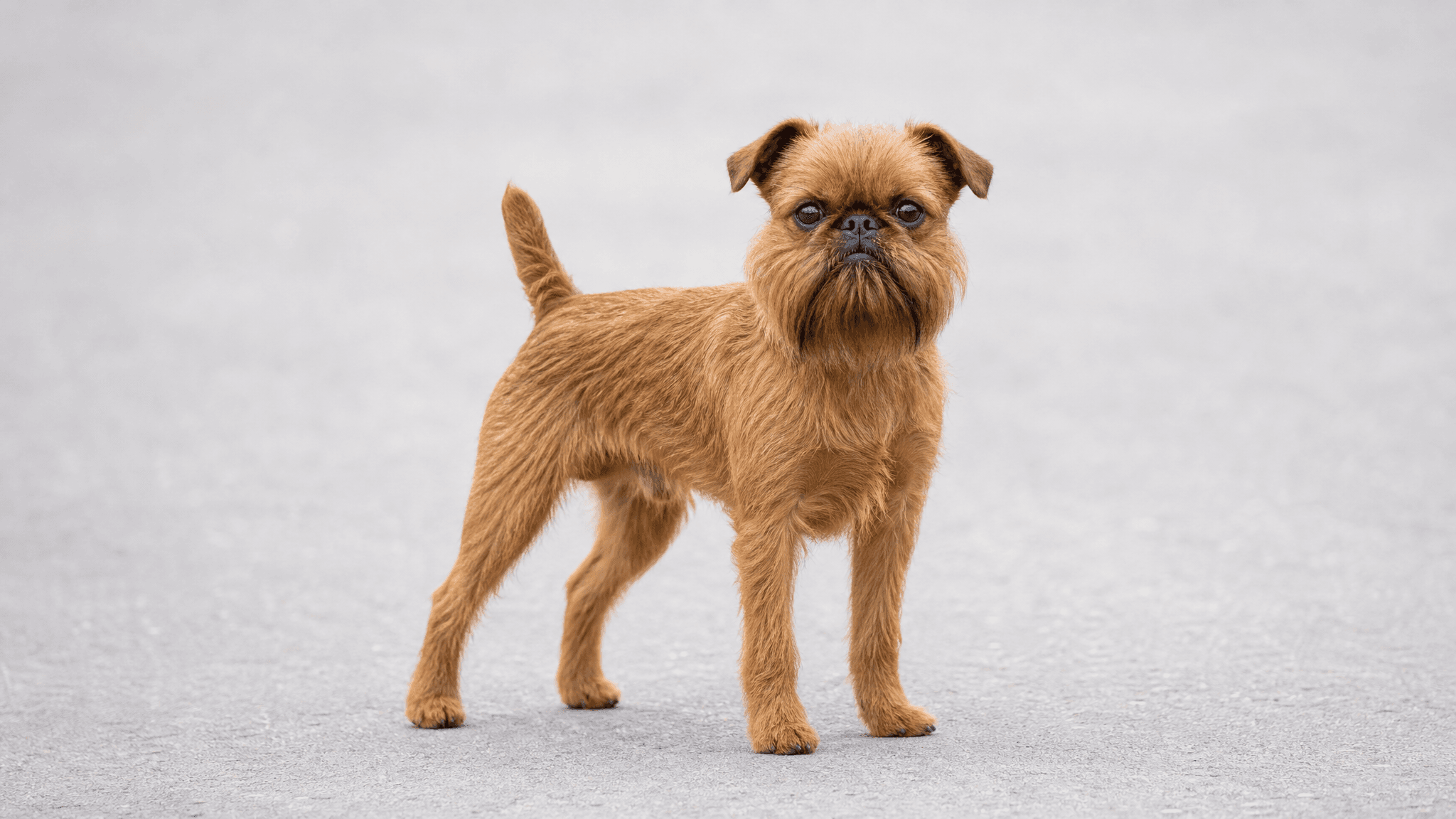
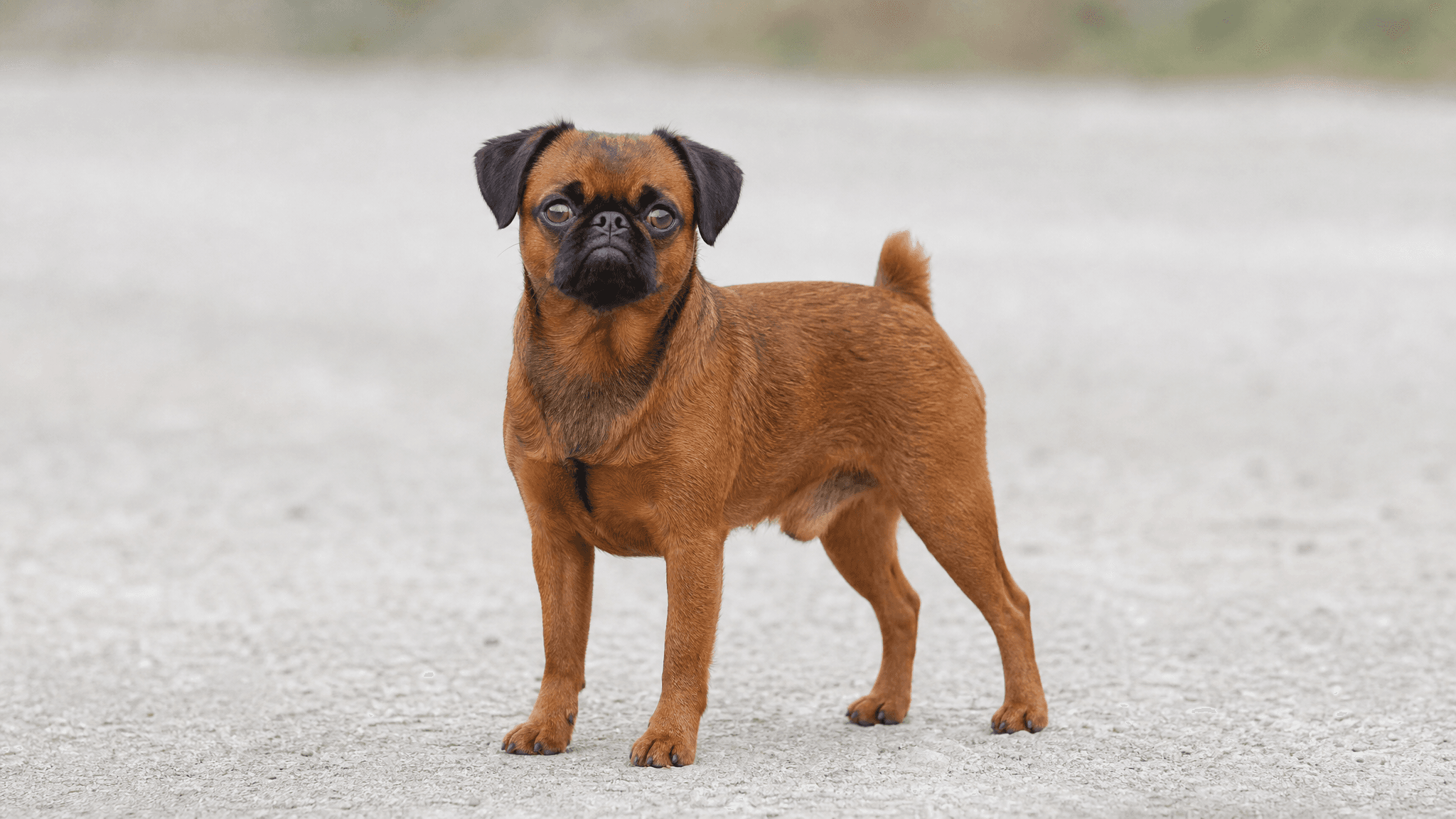
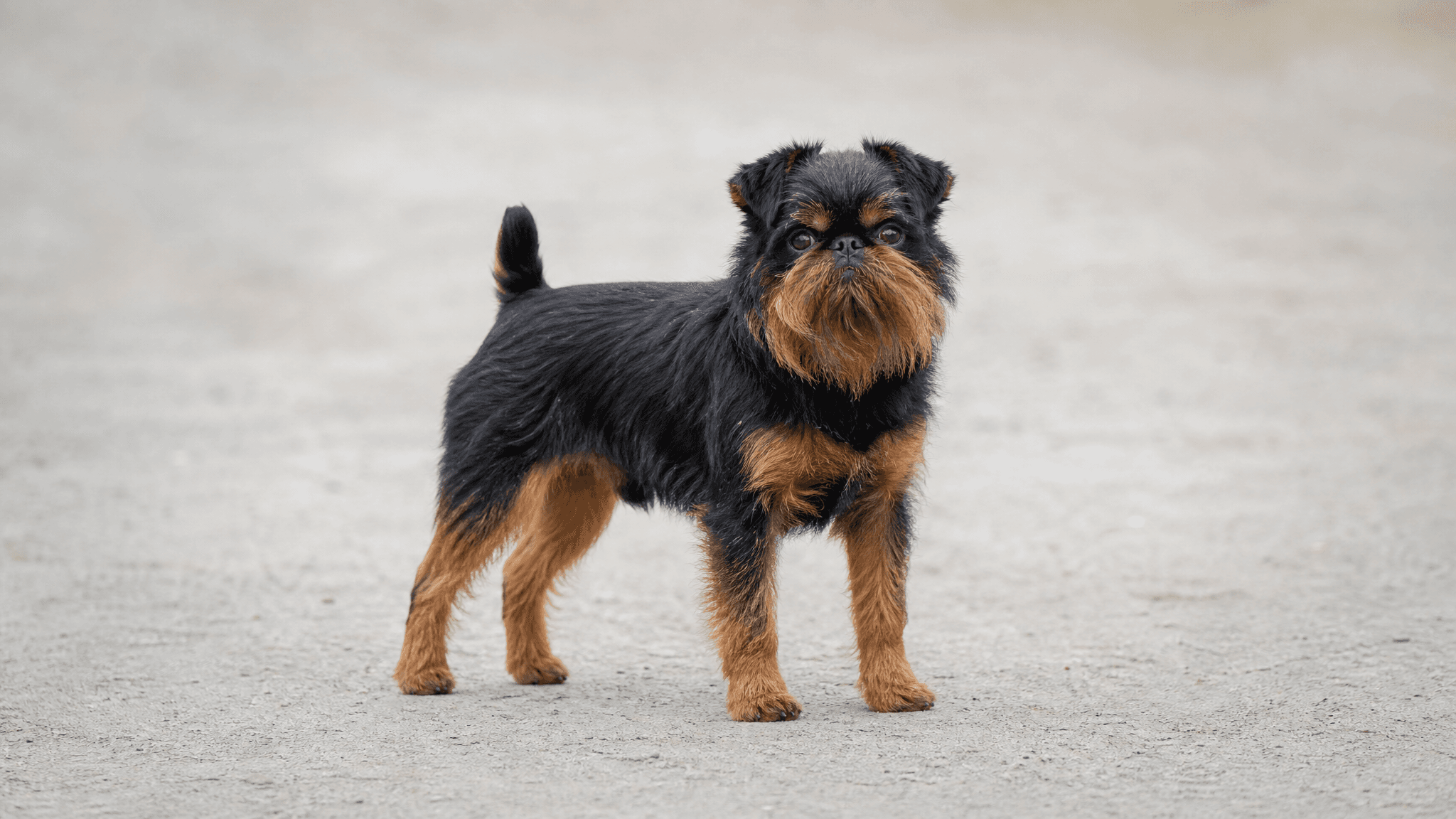
The Belgian Griffon shares exactly the same origin and morphology as the Brussels Griffon, distinguished solely by coat color: while the Brussels Griffon is reddish, the Belgian Griffon has a mixed (belge) coat — black with fawn markings — or entirely black. In many countries, the three varieties of Belgian Griffons are registered as a single breed, being separated only in French-speaking countries and by the FCI.
Physical Characteristics
- Size
- Small
- Height (male)
- 18–20 cm
- Height (female)
- 17–19 cm
- Weight (male)
- 3.5–6 kg
- Weight (female)
- 3–5.5 kg
- Life Expectancy
- 12–15 years
- Coat
- Rough, dense, and hard (wire-coat), with a pronounced beard
- Common Colors
- Belge (mix of black with reddish fawn) or pure black
Temperament & Personality
The Belgian Griffon shares the lively, intelligent, and affectionate temperament of the Brussels Griffon. It is a curious, alert, and very sociable dog with its family. It can be reserved with strangers until it feels comfortable, but is never aggressive. Like all Belgian Griffons, it benefits from early socialization and positive reinforcement training.
Activity & Exercise
- Energy Level
- Moderate
- Recommended Daily Exercise
- 40–60 minutes
- Suitable for Apartment
- Yes
Grooming & Care
- Grooming Needs
- Moderate to high
- Shedding
- Moderate
- Bathing Frequency
- Every 4–6 weeks
Health
- Common Health Issues
- Brachycephalic obstructive airway syndrome (mild)
- Eye problems
- Hip dysplasia
- Patellar luxation
- Sensitivity to certain vaccines
- Recommended Health Tests
- Airway evaluation
- Cardiac examination
- Eye examination
- Orthopedic evaluation
Compatibility
- With Children
- Moderate
- With Other Dogs
- Good
- With Cats
- Good
- For First-Time Owners
- Acceptable
Is a Griffon Belge right for you?
A Griffon Belge may suit you if:
- You are prepared to offer 40 to 60 minutes of daily activity to satisfy their moderate energy and curious mind.
- You enjoy including a small, sociable companion in your daily adventures, whether at home or out and about.
- You appreciate a lively, intelligent, and affectionate companion who is alert and devoted to their family.
- You are committed to consistent positive reinforcement training and early socialization to nurture their intelligent nature.
- You are prepared for moderate to high grooming needs, including regular care for their distinctive wire coat and beard.
- You understand that they may be reserved with new people and appreciate their alert nature as a small watchdog.
Think twice if:
- You expect instant, unwavering obedience from a dog, as this intelligent breed has its own charming opinions.
- You frequently leave your dog alone for long stretches, as they thrive on companionship and can become lonely.
- You have very young children who are not yet taught gentle handling, as their small size requires careful interaction.
- You are unwilling to commit to daily walks and regular grooming sessions for their well-being and distinctive coat.
- You do not have a secure space or are unprepared for their curious nature, which can lead to exploration.
- You are not prepared to guide a small, lively dog through their adolescent phases with patience and positive reinforcement.
The Griffon Belge is a delightful companion, full of personality in a small package. While their lively intelligence and deep affection are incredibly rewarding, they thrive with consistent training, dedicated grooming, and plenty of family interaction. They ask for your time and commitment, offering a unique bond and endless charm in return, making them a truly special addition to the right home.
Training a Griffon Belge
The intelligent and affectionate Griffon Belge thrives on positive reinforcement and short, engaging training sessions. These curious and alert little companions learn best when motivated by tasty treats, praise, and fun, interactive games. Keep sessions brief, happy, and consistent to maintain their focus. If training becomes repetitive or harsh, your Griffon may become reserved, lose interest, or even shut down, making progress much slower. Remember, patience and a gentle approach will build a strong bond and a well-behaved friend.
Begin with:
- Attention and response to name
- Recall on a long line
- Loose-leash walking
- Leave it and drop it
- Calm greetings without jumping
- Settling on a mat or bed
- Cooperative handling for grooming
- Waiting at doors and gates
Distraction Management
Your Griffon Belge is a curious and alert little dog, which means the world around them is full of fascinating sights, sounds, and smells! While this makes them engaging companions, it can also lead to distractions during training, especially with new people or environments. Start your training in a quiet, familiar space with minimal distractions. As your Griffon masters a skill, gradually introduce more stimulating environments, always rewarding their focus on you.
Practice their name response and "watch me" exercises regularly to build a strong foundation for attention, even when exciting things are happening nearby. Keep training sessions fun and varied to hold their intelligent minds.
Leash Manners
Despite their small size, a curious Griffon Belge can still pull on the leash, making walks less enjoyable for both of you. Their desire to explore every interesting scent or sight can lead to a tight leash. Focus on teaching loose-leash walking from day one, rewarding every step they take with a slack leash.
Use high-value treats and praise to reinforce walking politely by your side. If your Griffon starts to pull, stop walking immediately until the leash slackens, then continue. Consistency is key! For more detailed guidance, check out our guide on stopping leash pulling.
Separation Sensitivity
As highly sociable companion dogs, Griffon Belges thrive on being with their family. This means they can be prone to developing separation sensitivity if left alone for extended periods without proper preparation. It's crucial to teach your Griffon that being alone can be a calm and positive experience.
Start with very short absences, gradually increasing the time you are away. Provide engaging puzzle toys or a safe chew to keep them occupied. Ensure they get their recommended 40-60 minutes of daily exercise and mental stimulation before you leave. If you notice signs of distress, our article on how to tell if your dog is stressed when you leave can offer further insights and help.
Griffon Belge — Frequently Asked Questions
What is the Griffon Belge?
The Griffon Belge is a charming small dog originating from Belgium, belonging to FCI Group 9 (Griffons). It shares its heritage and physical build with the Brussels Griffon, but its distinguishing feature is its beautiful coat color, which is typically black with fawn markings or entirely black. These little companions are known for their lively and intelligent personalities, making them truly delightful additions to any home. They possess a unique, expressive face that often melts hearts!
What was the Griffon Belge originally bred for?
The Griffon Belge, like its close relatives, has a fascinating history rooted in Belgium. These delightful little dogs were developed from small, rough-coated dogs found in the stables of Brussels, originally serving as keen-eyed companions. Their alert nature and compact size made them excellent for keeping watch and offering companionship. Over time, their charming personalities and distinctive looks were refined, leading to the beloved breed we know today, cherished for their spirited character and affectionate presence in homes.
How much exercise does a Griffon Belge need?
Despite their small size, Griffon Belges have a moderate energy level and truly enjoy their daily activities! They thrive on about 40 to 60 minutes of exercise each day to keep them happy and healthy. This doesn't necessarily mean intense workouts; a couple of brisk walks, some playtime in a secure yard, or engaging indoor games will perfectly meet their needs. Regular exercise helps them stay mentally stimulated and physically fit, ensuring they remain the cheerful companions you adore.
Is the Griffon Belge a good family dog?
Absolutely! The Griffon Belge can be a wonderful family dog, known for being lively, intelligent, and incredibly affectionate with their loved ones. They are very sociable with their family members and enjoy being part of the action. While they might be a little reserved with strangers initially, they are never aggressive and warm up beautifully with proper introduction. With early socialization, they can learn to get along well with respectful children and other pets, making them charming and devoted companions for many households.
Is the Griffon Belge easy to train?
Yes, the Griffon Belge is generally considered intelligent and quite trainable! Their lively and curious nature means they enjoy learning new things, especially when training is made fun and engaging. They respond wonderfully to positive reinforcement methods, like treats, praise, and play, which build a strong bond and encourage good behavior. Consistency and patience are key, as with any intelligent breed. Early socialization and consistent training will help harness their clever minds and ensure they grow into well-behaved, delightful companions.
What health issues are common in the Griffon Belge?
While generally robust, Griffon Belges can be prone to a few health concerns, which is common in many breeds. Owners should be aware of potential issues such as mild Brachycephalic obstructive airway syndrome, which relates to their charming flat faces, as well as various eye problems. Other considerations include hip dysplasia and patellar luxation. It's also important to note their sensitivity to certain vaccines. Regular veterinary check-ups and open communication with your vet are crucial for monitoring their health and ensuring they live a long, happy life by your side.
What is the Griffon Belge's coat like and how much grooming does it need?
The Griffon Belge typically sports a charming rough coat, which is one of their defining characteristics. This wiry texture is relatively low-shedding but does require regular grooming to keep it looking its best and prevent matting. Weekly brushing helps remove loose hair and dirt, and occasional hand-stripping or professional grooming every few months will maintain the coat's proper texture and shape. Their distinctive coat colors, ranging from black with fawn markings to entirely black, are truly striking and add to their unique appeal.
What is the typical lifespan of a Griffon Belge?
It's wonderful to know that Griffon Belges typically enjoy a long and fulfilling life! With proper care, a healthy diet, regular veterinary check-ups, and plenty of love, these delightful companions generally live for about 12 to 15 years. Providing them with a safe, stimulating environment and addressing any health concerns promptly will help ensure they remain a cherished part of your family for many happy years, bringing joy and laughter into your home.
Community
Talk to real Griffon Belge owners
This guide covers the breed on paper. In the app, the Griffon Belge community covers it in real life: photos from other owners, questions answered by people who live with the breed, and a directory of dogs you can browse.
- Photos & pollsSee what Griffon Belge owners are sharing today.
- Questions & answersAsk anything and hear from people who own one.
- Dog directoryBrowse Griffon Belges from around the world.
You join automatically when you add a Griffon Belge to your profile.