Griffon Bruxellois
Summary
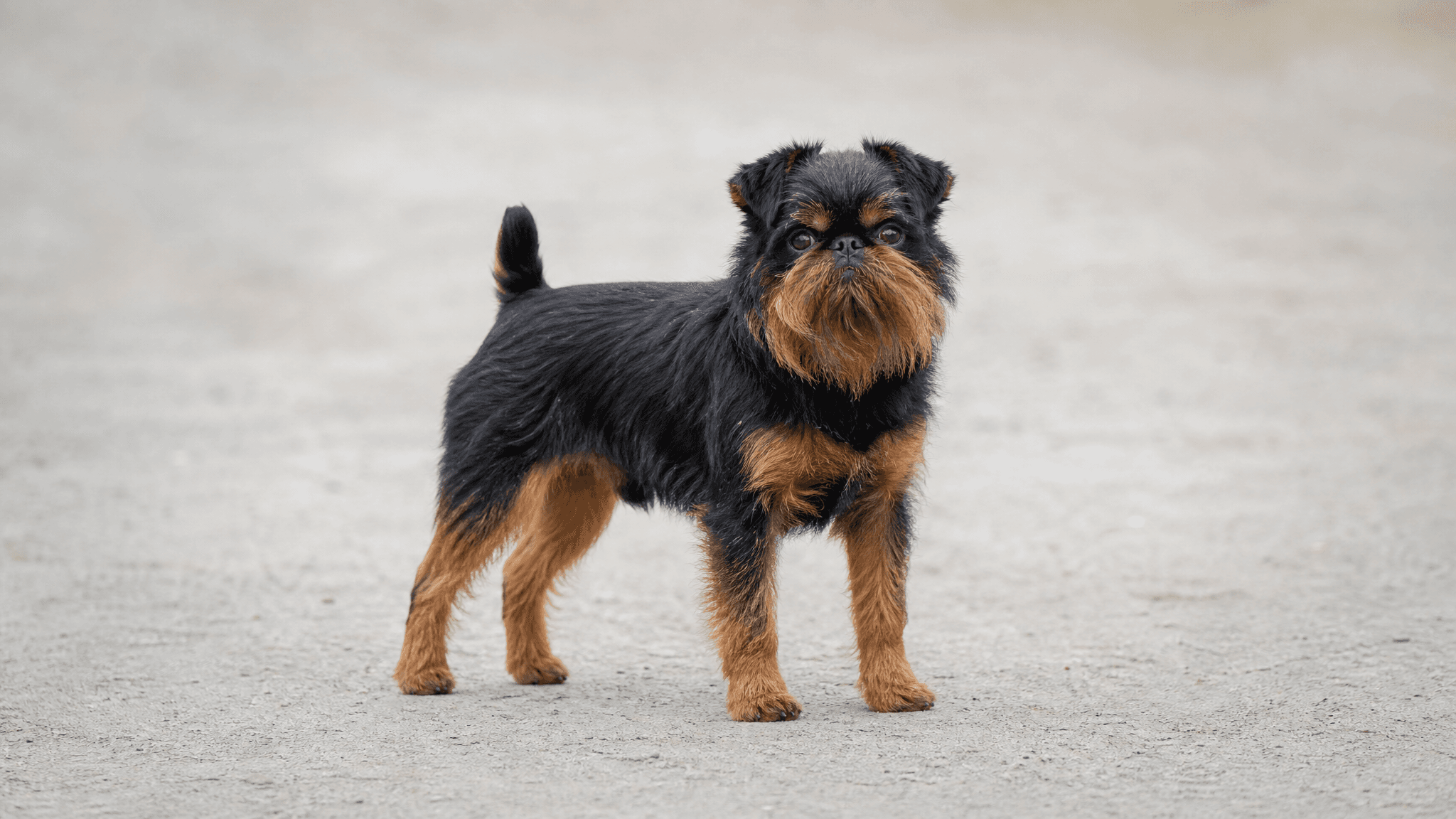
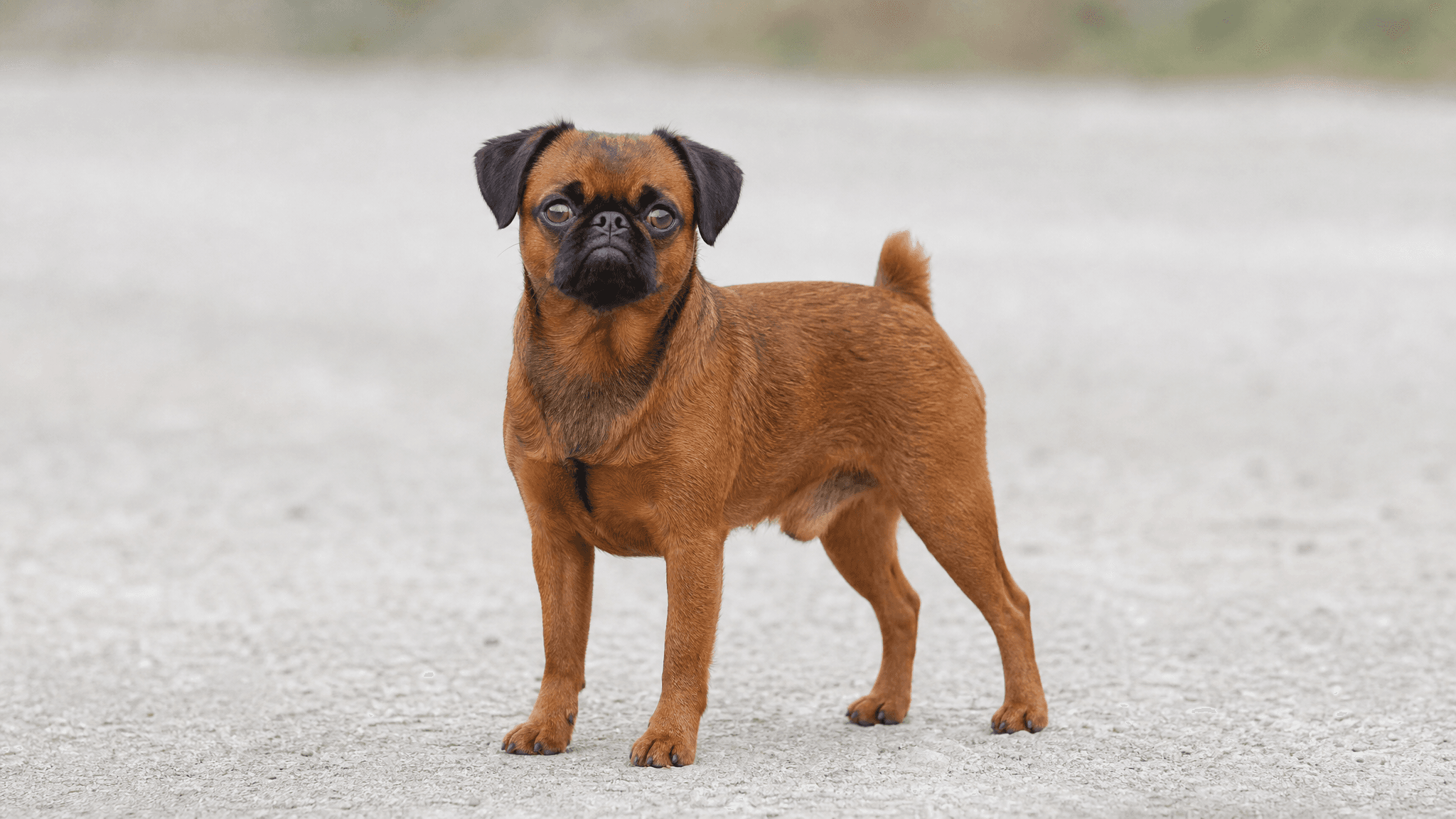
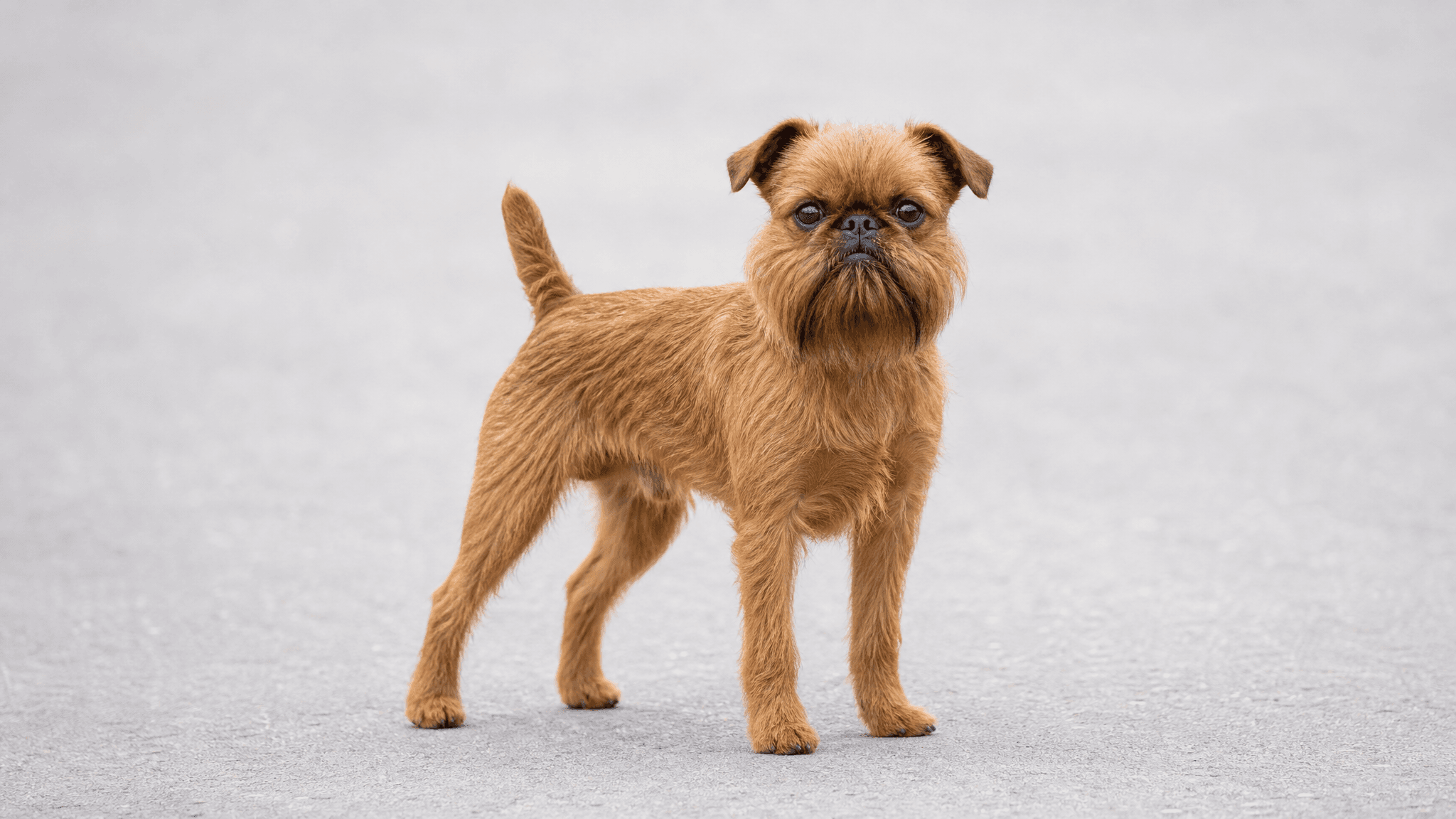
The Brussels Griffon is a small Belgian dog originally bred to hunt rats in Brussels stables in the 19th century. Crossbreeding with the Pug and the King Charles Spaniel gave it the flat face and the more docile temperament that characterizes the breed today. It is famous for its almost human expression, its large expressive eyes, and its rough, dense reddish coat.
Physical Characteristics
- Size
- Small
- Height (male)
- 18–20 cm
- Height (female)
- 17–19 cm
- Weight (male)
- 3.5–6 kg
- Weight (female)
- 3–5.5 kg
- Life Expectancy
- 12–15 years
- Coat
- Rough, dense, and hard (wire-coat); no visible undercoat; no waviness or curl
- Common Colors
- Reddish (reddish fawn with black mask tolerated)
Temperament & Personality
The Brussels Griffon is an intelligent, affectionate dog with a strong personality, sometimes described as "ten dogs in one" for the richness of its temperament. It is very attached to its owners and hates being left alone for long periods. Despite being an excellent watchdog, it is not aggressive. It can be sensitive and responds poorly to harsh training methods; it prefers positive reinforcement and consistency.
Activity & Exercise
- Energy Level
- Moderate
- Recommended Daily Exercise
- 40–60 minutes
- Suitable for Apartment
- Yes
Grooming & Care
- Grooming Needs
- Moderate to high
- Shedding
- Moderate
- Bathing Frequency
- Every 4–6 weeks
Health
- Common Health Issues
- Brachycephalic obstructive airway syndrome (mild)
- Cleft palate
- Degenerative disc disease
- Eye problems
- Hip dysplasia
- Patellar luxation
- Recommended Health Tests
- Airway evaluation
- Cardiac examination
- Eye examination
- Orthopedic evaluation
Compatibility
- With Children
- Moderate
- With Other Dogs
- Good
- With Cats
- Good
- For First-Time Owners
- Acceptable
Is a Griffon Bruxellois right for you?
A Griffon Bruxellois may suit you if:
- You enjoy engaging your companion in daily walks and playtime, providing their moderate energy with 40 to 60 minutes of activity.
- You appreciate a constant companion who thrives on being part of your daily life, whether in an apartment or a larger home.
- You are drawn to a dog with a rich, intelligent personality, offering both deep affection and amusing, 'ten dogs in one' antics.
- You are prepared to use consistent, positive reinforcement methods, understanding their sensitive nature responds best to gentle guidance.
- You are willing to commit to moderate to high grooming needs, ensuring their distinctive rough, wire-coat remains healthy and tidy.
- You welcome a vigilant little watchdog who will alert you to visitors, but also craves your close companionship.
Think twice if:
- You expect unwavering obedience from a dog, as their strong personality means they often have their own charming ideas.
- You have a lifestyle that requires your dog to be left alone for extended periods, as Griffons deeply dislike solitude.
- You have very young children who may not understand how to interact gently with a sensitive, small dog.
- You are unwilling to commit to regular grooming sessions or daily walks, which are essential for their well-being.
- You prefer a dog that can be left unsupervised in an unfenced yard, as Griffons are small and curious explorers.
- You are not prepared to handle a sensitive dog who can be easily startled by rough play or loud corrections.
Living with a Griffon Bruxellois is a delightful dance of devotion and determination. They offer boundless affection and a captivating personality, truly becoming the heart of your home. However, their sensitive nature and need for constant companionship mean they thrive with owners who understand their unique blend of charm and stubbornness, rewarding your patience with unwavering loyalty and endless joy.
Training a Griffon Bruxellois
Training your Griffon Bruxellois is a delightful journey, as these intelligent and affectionate dogs thrive on positive reinforcement and close connection with their owners. They are highly motivated by praise, play, and tasty treats, eager to please the people they adore. Keep training sessions short, fun, and engaging, ideally lasting just a few minutes multiple times a day to maintain their focus and enthusiasm. Harsh corrections or long, repetitive drills will quickly shut down a sensitive Griffon, leading to disengagement or resistance. Consistency and a gentle, encouraging approach are key to unlocking their full potential.
Begin with:
- Attention and response to name around distractions
- Recall on a long line
- Loose-leash walking
- Leave it and drop it
- Calm greetings without jumping
- Settling on a mat or bed
- Cooperative handling for grooming, ears, feet and teeth
- Waiting at doors and gates
Prey Drive and Recall
Remembering their history as rat hunters in Brussels stables, Griffons can possess a surprising prey drive for their small size. This instinct can make off-leash recall challenging, especially if they spot a squirrel or a leaf blowing in the wind. To counteract this, build a rock-solid recall foundation using high-value rewards in a variety of environments, starting in a secure, distraction-free area and gradually increasing the difficulty. Always use a long line in unfenced areas until your Griffon's recall is absolutely reliable. You can find more tips in our guide on teaching recall.
Practice recall games daily, making coming back to you the most rewarding thing they can do. If your Griffon is focused on something else, try to get their attention with a unique sound or a treat before giving the recall cue. Consistency is vital; every time you call them, they should come, and every time they do, they should be rewarded generously.
Leash Manners
Despite their small stature (typically weighing between 3 and 6 kg), Griffons can still pull on the leash, making walks less enjoyable for both of you. Their sensitivity means they respond poorly to jerks or harsh corrections. Instead, focus on positive reinforcement for loose-leash walking from day one. Reward every step they take with a slack leash, using treats and praise.
If your Griffon starts to pull, stop walking immediately. Only resume once the leash goes slack again. This teaches them that pulling gets them nowhere, while a loose leash means forward movement. For puppies, starting early with this method can prevent pulling from becoming a habit. Check out our force-free plan to stop leash pulling for more detailed strategies.
Separation Sensitivity
Griffons are deeply attached to their owners and truly hate being left alone for long periods. This strong bond, while endearing, can lead to separation anxiety if not managed carefully. Signs like excessive barking (they are excellent watchdogs, after all), destructive chewing, or house-soiling when alone can indicate distress. It's crucial to teach your Griffon to be comfortable with solitude gradually.
Start with very short absences, just a few minutes, and slowly increase the duration. Provide engaging puzzle toys filled with treats to keep them occupied, and ensure they've had their recommended 40-60 minutes of daily exercise before you leave. If you notice signs of stress when you leave, consider consulting a professional trainer or behaviorist for tailored advice.
Griffon Bruxellois — Frequently Asked Questions
What is the personality of a Brussels Griffon like?
The Brussels Griffon is a big personality in a tiny body. They are spirited, curious, alert, and comically self-important — often compared to a grumpy little old man in the best possible way. They are deeply devoted to their person, often forming an almost obsessive bond with one individual. They are intelligent, sensitive, and can be drama queens — they don't handle indifference well. Despite their small size, they have enormous character and will try to rule the household if given the chance.
Are Brussels Griffons good for apartment living?
Brussels Griffons are well-suited to apartment living. Their small size, moderate exercise requirements, and preference for being close to their owner make them naturally good apartment companions. They don't need a garden — daily walks and indoor play sessions meet their exercise needs. However, they are sensitive to being alone and can develop separation anxiety in apartments where they're left for long periods. Their potential for barking when bored or anxious should be managed with training, especially in densely populated buildings.
Are Brussels Griffons good with children?
Brussels Griffons are generally better suited to families with older children. Their small, delicate build makes them fragile — they can be injured by accidental rough handling from very young children. They also have a somewhat impatient temperament and may snap if repeatedly teased or mishandled. Older, respectful children who understand gentle handling will find the Griffon a devoted, entertaining companion. They are not the ideal breed for households with toddlers or very young children who don't yet understand dog boundaries.
Are Brussels Griffons easy to train?
Brussels Griffons are intelligent but can be stubborn and independent. They are sensitive dogs that respond well to gentle, positive, food-motivated training — but they can be selective about when they choose to cooperate, particularly if training becomes repetitive or boring. They are not the most obedient breed, but with patience and consistency they learn basic commands reliably. Their sensitivity means they shut down quickly under any pressure or harsh correction. House training can be a particular challenge and may take longer than with other breeds.
What are the health concerns for Brussels Griffons?
Brussels Griffons are brachycephalic (flat-faced) and share many of the associated health concerns. Brachycephalic Obstructive Airway Syndrome (BOAS) can cause breathing difficulties — especially in heat or after exercise. Eye problems are common given their prominent, exposed eyes — corneal ulcers, cataracts, and distichiasis (extra eyelashes) are documented. Hip dysplasia and patellar luxation (slipping kneecap) occur. Syringomyelia (a neurological condition linked to skull shape) has been documented. Dental overcrowding is common in this small breed.
Do Brussels Griffons get along with other pets?
Brussels Griffons can get along well with other dogs, especially similarly-sized or gentle breeds. Their small size means large boisterous dogs can inadvertently injure them. They can live well with cats they've been raised with, though their alert, curious nature may occasionally antagonise a less patient cat. They should be supervised around very small animals. Their attachment to one person can make them initially jealous of other pets competing for attention, but with proper introduction and management, multi-pet households can work well.
How long do Brussels Griffons live?
Brussels Griffons have an average lifespan of 12–15 years, which is good for a small breed. Managing their brachycephalic health (avoiding heat, avoiding over-exercise, maintaining a healthy weight to reduce respiratory strain), regular eye care, keeping their teeth clean, annual vet check-ups, and protecting them from injury given their small, fragile build all contribute to a long, healthy life. Dogs from responsibly health-tested breeding lines with screened parents tend to have fewer serious conditions and live toward the upper end of that range.
Do Brussels Griffons bark a lot?
Brussels Griffons can be vocal dogs — they are alert and inquisitive and will bark to signal anything they find interesting, alarming, or worth commenting on. Their small size can lead to overindulgence, which exacerbates barking. Early training to establish a "quiet" command and discourage demand barking is important, particularly for apartment living. A well-exercised and mentally stimulated Griffon is less likely to bark out of boredom. Despite their tendency to be vocal, they are not typically excessive barkers when properly managed and trained from puppyhood.
Community
Talk to real Griffon Bruxellois owners
This guide covers the breed on paper. In the app, the Griffon Bruxellois community covers it in real life: photos from other owners, questions answered by people who live with the breed, and a directory of dogs you can browse.
- Photos & pollsSee what Griffon Bruxellois owners are sharing today.
- Questions & answersAsk anything and hear from people who own one.
- Dog directoryBrowse Griffon Bruxelloiss from around the world.
You join automatically when you add a Griffon Bruxellois to your profile.