Peruvian Hairless Dog
Summary
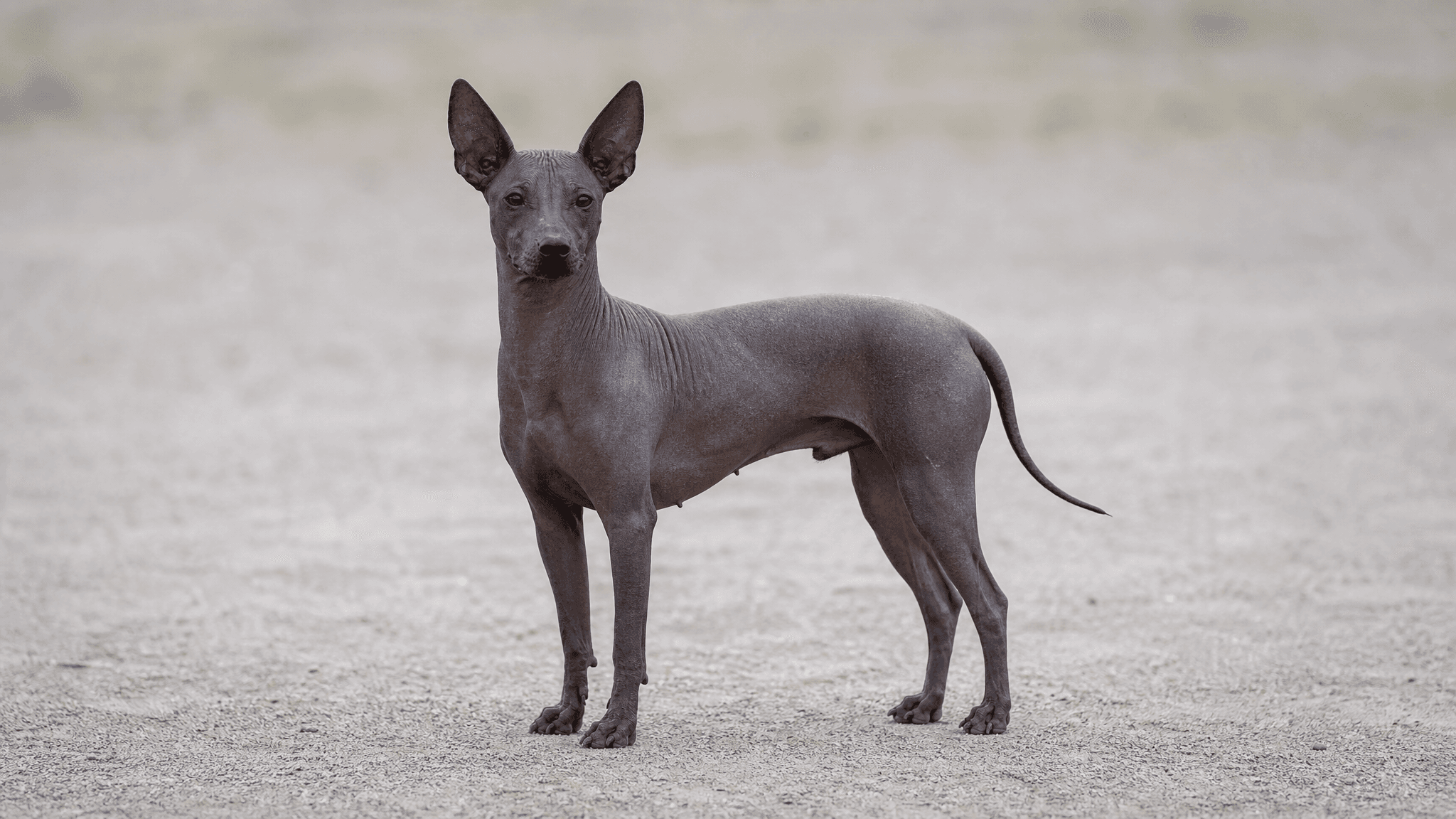
The Peruvian Hairless Dog (Perro sin pelo del Perú) is a pre-Columbian breed from Peru, with ceramic representations dating back 3,000 years in the Mochica, Chimú, Chancay, and Inca cultures. It exists in three sizes (small, medium, and large) and in a coated variety (with short hair), resulting from the hairlessness genetics. It was declared a Cultural Heritage of the Nation by the Peruvian government.
Physical Characteristics
- Size
- Varies
- Height (male)
- 25–65 cm
- Height (female)
- 25–65 cm
- Weight (male)
- 4–8 kg
- Weight (female)
- 4–25 kg
- Life Expectancy
- 11–14 years
- Coat
- Hairless variety: total absence of hair, smooth and warm skin; coated variety: short and smooth coat over the entire body
- Common Colors
- Black, slate, elephant, bluish, grey, black, red, golden, yellow, pinkish, or spotted
Temperament & Personality
The Peruvian Hairless Dog is an elegant, good-tempered, loyal, and affectionate dog with the family. It tends to be more reserved with strangers than many breeds. It is very active and needs regular exercise. Its exposed skin requires special care with sun protection in summer and warmth in winter in cold climates.
Activity & Exercise
- Energy Level
- Moderate to high
- Recommended Daily Exercise
- 60–90 minutes
- Suitable for Apartment
- Yes
Grooming & Care
- Grooming Needs
- Low
- Shedding
- Minimal
- Bathing Frequency
- Every 2–4 weeks
Health
- Common Health Issues
- Canine acne
- Dental problems (incomplete dentition in the hairless variety due to genetic linkage)
- Hip dysplasia
- Skin sensitivity
- Recommended Health Tests
- Dental evaluation
- Eye examination
- Hip evaluation
Compatibility
- With Children
- Good
- With Other Dogs
- Good
- With Cats
- Good
- For First-Time Owners
- Acceptable
Is a Peruvian Hairless Dog right for you?
A Peruvian Hairless Dog may suit you if:
- You are prepared to provide 60-90 minutes of daily exercise and engaging mental challenges for an active companion.
- You enjoy an active lifestyle and want a loyal, affectionate companion to share your daily adventures.
- You appreciate an elegant, good-tempered dog that is deeply loyal to its family but can be reserved with new people.
- You are committed to consistent, positive training to channel their moderate to high energy and intelligence.
- You are prepared to provide daily skin care, including sun protection and warmth, alongside regular bathing every 2-4 weeks.
- You understand and are willing to manage their primitive instincts and natural wariness towards strangers.
Think twice if:
- You expect immediate, robotic obedience, as their primitive nature means they have an independent spirit.
- You have a routine that requires your dog to be left alone for extended periods each day.
- You are not prepared to manage the energy of a moderately active dog around very young children or frail pets.
- You are unwilling to commit to daily skin care, regular bathing, or providing 60-90 minutes of exercise.
- You believe a highly active dog can thrive without secure outdoor space or consistent mental stimulation.
- You are uncomfortable with consistent, gentle handling and socialization, especially during their formative years.
Living with a Peruvian Hairless Dog means embracing a truly unique and ancient companion. They offer deep loyalty and affection to their family, but their exposed skin demands diligent care and their active minds require consistent engagement. While they are adaptable, their primitive spirit and energy mean they thrive best with an owner prepared to meet their specific needs, ensuring a warm and wonderful bond for their 11-14 year lifespan.
Training a Peruvian Hairless Dog
Peruvian Hairless Dogs are intelligent and eager to please their families, making them highly responsive to positive reinforcement training. Short, engaging sessions using high-value treats and enthusiastic praise work best, keeping their active minds stimulated and preventing boredom. They thrive on consistency, clear communication, and a strong bond with their handler. If training sessions are too long, repetitive, or harsh, they can quickly become withdrawn, resistant, or even anxious, hindering their natural willingness to learn and strengthening their bond with you.
Begin with:
- Attention to name around distractions
- Recall on a long line
- Loose-leash walking
- Leave it and drop it
- Calm greetings without jumping
- Settling on a mat or bed
- Cooperative handling for grooming
- Waiting at doors and gates
Independent Spirit & Focus
As a primitive breed with moderate to high energy, Peruvian Hairless Dogs can sometimes exhibit an independent streak, especially when their attention is caught by something exciting in the environment. This can make them seem less responsive in new places or around tempting distractions. To counter this, always start training in quiet, familiar areas and gradually introduce distractions, consistently rewarding heavily for eye contact and engagement with you. Keep training sessions fun and unpredictable to hold their interest, making yourself the most exciting thing around.
Leash Pulling
Their active nature and need for 60-90 minutes of daily exercise mean that a Peruvian Hairless Dog can easily develop a habit of pulling on the leash, especially if they are excited to explore. Start teaching loose-leash walking from day one using positive reinforcement. Practice frequently in short bursts, rewarding them for walking beside you with a slack leash.
Consider using a front-clip harness for better control without causing discomfort, and remember that consistent, calm guidance is key to enjoyable walks for both of you. For more detailed guidance, check out our guide on stopping leash pulling.
Boredom & Anxiety
Peruvian Hairless Dogs are loyal and affectionate, thriving on family companionship. Their moderate to high energy level and intelligence mean they require significant mental and physical stimulation. If left alone for long periods or under-exercised, they can develop undesirable behaviors such as destructive chewing, excessive barking, or even signs of separation anxiety.
Ensure they receive their recommended 60-90 minutes of daily exercise, split into walks, playtime, and training sessions. Provide puzzle toys or enrichment activities when you must leave them, and consider a dog walker or sitter for longer absences. Early training for alone time is also crucial to help them feel secure. Learn more about stress signs to help your dog cope.
Peruvian Hairless Dog — Frequently Asked Questions
What is the Perro Sin Pelo del Perú (Peruvian Hairless Dog)?
The Perro Sin Pelo del Perú, or Peruvian Hairless Dog, is a truly ancient and elegant breed originating from Peru. Classified within FCI Group 5 (Primitive Type), these unique dogs are most recognized for their distinctive hairless bodies, though a coated variety with short hair also exists. They come in three sizes – small, medium, and large – and are celebrated as a Cultural Heritage of the Nation by the Peruvian government. With a history stretching back 3,000 years, evidenced by ceramic representations from pre-Columbian cultures, they are known for their good-tempered, loyal, and affectionate nature within their families.
What was the Perro Sin Pelo del Perú (Peruvian Hairless Dog) originally bred for?
The Perro Sin Pelo del Perú boasts an incredibly rich history, deeply intertwined with the ancient cultures of Peru. This pre-Columbian breed has been a part of Peruvian civilization for millennia, with its likeness found in ceramic art from the Mochica, Chimú, Chancay, and Inca cultures, dating back as far as 3,000 years. While their exact original purpose isn't explicitly documented as a working breed in the modern sense, their consistent presence in ancient art suggests they held significant cultural and perhaps even spiritual importance, serving as companions or ceremonial animals rather than being bred for a specific task like hunting or herding.
How much exercise does a Perro Sin Pelo del Perú (Peruvian Hairless Dog) need?
Despite their unique appearance, Peruvian Hairless Dogs are quite active and possess a moderate to high energy level! To keep them happy and healthy, they typically need a good 60 to 90 minutes of exercise every day. This can include brisk walks, playtime in a secure yard, or even dog sports. Regular physical activity is crucial for their well-being, helping to channel their energy positively and maintain their excellent temperament. Remember, a well-exercised dog is often a well-behaved dog, and these active pups thrive on consistent daily outings.
Is the Perro Sin Pelo del Perú (Peruvian Hairless Dog) a good family dog?
Absolutely! The Perro Sin Pelo del Perú makes a wonderful addition to many families. They are known for being good-tempered, incredibly loyal, and very affectionate with their family members. While they tend to be more reserved and watchful around strangers, they form deep bonds with their loved ones. Their loving nature means they thrive on companionship and being an integral part of family life. As with any breed, early socialization and consistent training are key to ensuring they grow into well-adjusted companions, especially in households with children or other pets.
Is the Perro Sin Pelo del Perú (Peruvian Hairless Dog) easy to train?
The Perro Sin Pelo del Perú is generally considered a receptive and intelligent breed, making them quite trainable for dedicated owners. Their good-tempered, loyal, and affectionate nature means they are eager to please their family. While they are very active and can have a moderate to high energy level, consistent, positive reinforcement training methods work best. Early socialization and clear boundaries will help them understand expectations and grow into well-behaved companions. Their loyalty and desire for connection make them rewarding students for those willing to invest time in their education.
What health issues are common in the Perro Sin Pelo del Perú (Peruvian Hairless Dog)?
Like all breeds, the Perro Sin Pelo del Perú can be prone to certain health considerations that owners should be aware of. Due to their hairlessness, skin sensitivity is a primary concern, requiring diligent sun protection in warmer months and warmth in colder climates. They can also experience canine acne. Dental problems, specifically incomplete dentition, are common in the hairless variety due to the genetic linkage with hairlessness. Additionally, hip dysplasia is a documented health concern in the breed. Regular veterinary check-ups and attentive care to their unique needs will help keep your Peruvian Hairless Dog healthy and happy.
What is the Perro Sin Pelo del Perú (Peruvian Hairless Dog)'s coat like and how much grooming does it need?
The most striking feature of the Perro Sin Pelo del Perú is its lack of a coat, giving it a unique, smooth appearance! However, it's important to know that a coated variety with short hair also exists. For the hairless dogs, grooming focuses entirely on their exposed skin. This means diligent care, including regular moisturizing to prevent dryness and, critically, sun protection in the summer to prevent sunburn. In colder climates or during winter, they'll need warm clothing to stay comfortable. The coated variety, with its short hair, requires minimal grooming, primarily regular brushing to keep their coat healthy and clean.
What is the typical lifespan of a Perro Sin Pelo del Perú (Peruvian Hairless Dog)?
The Perro Sin Pelo del Perú is a robust and generally healthy breed that can be a cherished companion for many years. With proper care, nutrition, and regular veterinary attention, you can expect your Peruvian Hairless Dog to enjoy a typical lifespan of 11 to 14 years. Providing a loving home, consistent exercise, and addressing their specific health and skin care needs will contribute significantly to their longevity and overall quality of life, allowing you to share many wonderful memories together.
Community
Talk to real Peruvian Hairless Dog owners
This guide covers the breed on paper. In the app, the Peruvian Hairless Dog community covers it in real life: photos from other owners, questions answered by people who live with the breed, and a directory of dogs you can browse.
- Photos & pollsSee what Peruvian Hairless Dog owners are sharing today.
- Questions & answersAsk anything and hear from people who own one.
- Dog directoryBrowse Peruvian Hairless Dogs from around the world.
You join automatically when you add a Peruvian Hairless Dog to your profile.