German Spitz
Summary
The German Spitz is a family of breeds that includes five size varieties, all sharing the same FCI standard: the Wolfsspitz/Keeshond, the Giant Spitz, the Medium Spitz, the Miniature Spitz, and the Toy Spitz/Pomeranian. Considered one of the oldest European dogs, with documented origins over 2,000 years ago, it was for centuries the dog of Germany's common people, valued for its hardiness and alert instinct.
Physical Characteristics
- Size
- Varies
- Height (male)
- 43–55 cm
- Height (female)
- 23–38 cm
- Weight (male)
- 7–14 kg
- Weight (female)
- 7–14 kg
- Life Expectancy
- 13–15 years
- Coat
- Double; long, straight outer coat standing off from the body; dense undercoat; pronounced collar
- Common Colors
- Wolfsspitz: wolf-grey; Giant: white, black, brown; Medium and Miniature: white, black, brown, orange, grey-agouti, and other colors; Toy: all colors
Temperament & Personality
The German Spitz is a lively, alert dog very devoted to its owner, with a strong guarding instinct. All varieties share the same temperament: they are affectionate with the family but suspicious of strangers, courageous despite their small size, and very vocal. They are intelligent and learn quickly, but have considerable independence. The Wolfsspitz/Keeshond and the Giant Spitz adapt well as family dogs; the Toy/Pomeranian is a lap dog with a big personality.
Activity & Exercise
- Energy Level
- Moderate to high
- Recommended Daily Exercise
- 30–60 minutes
- Suitable for Apartment
- Yes
Grooming & Care
- Grooming Needs
- High
- Shedding
- Moderate to heavy
- Bathing Frequency
- Every 4–6 weeks
Health
- Common Health Issues
- Epilepsy
- Hip dysplasia
- Hypothyroidism
- Patellar luxation
- Tracheal collapse
- Recommended Health Tests
- Cardiac examination
- Eye examination
- Hip evaluation
Compatibility
- With Children
- Good
- With Other Dogs
- Good
- With Cats
- Good
- For First-Time Owners
- Acceptable
Is a German Spitz right for you?
A German Spitz may suit you if:
- You can consistently provide 30 to 60 minutes of engaging exercise daily for their moderate to high energy.
- You enjoy a lively, alert companion who thrives on being an active, central part of family life.
- You appreciate a devoted, intelligent dog with a courageous spirit and a natural guarding instinct for your home.
- You are prepared to offer consistent, positive training to guide an intelligent yet independent learner.
- You are willing to commit to high grooming needs, including regular brushing of their dense double coat.
- You are prepared to manage a very vocal dog who will enthusiastically alert you to new sights and sounds.
Think twice if:
- You expect a dog that is always eager to please and will unquestioningly follow every command.
- You need a dog that can be left alone for long hours daily without much human companionship.
- You are unprepared for a dog that will alert bark at every new sound, even with other household members present.
- You are unwilling to dedicate time to regular grooming or daily exercise sessions.
- You prefer a dog that can be left unsupervised in an unfenced yard, or one that is not prone to vocal alerts.
- You are not prepared for a dog with a strong will and independent streak that requires consistent guidance.
The German Spitz offers immense devotion and a lively spirit, making them wonderful family companions. However, their intelligence is paired with independence, and their loving nature comes with a strong, vocal guarding instinct. Embracing these unique Spitz traits through consistent training and engagement will unlock a truly rewarding, long-term bond.
Training a German Spitz
German Spitz dogs are wonderfully intelligent and eager to please their beloved humans, making them quick learners. However, their considerable independence means that training sessions need to be kept short, engaging, and consistently positive. They respond best to reward-based methods using tasty treats and enthusiastic praise, making learning a fun game. If training becomes repetitive, inconsistent, or harsh, your clever Spitz might decide to use their independence to come up with their own rules, which often means ignoring you or becoming overly vocal.
Begin with:
- Attention and response to name around distractions
- Recall on a long line
- Loose-leash walking
- Leave it and drop it
- Calm greetings without jumping
- Settling on a mat or bed
- Cooperative handling for grooming, ears, feet and teeth
- Waiting at doors and gates
Vocal Guarding Instincts
German Spitz are known for their strong guarding instinct and can be very vocal, alerting you to every new sound or passerby. To manage this, focus on teaching a 'quiet' command by rewarding silence after a bark. Practice desensitizing them to common triggers by gradually exposing them to sights and sounds from a distance, rewarding calm behavior. Consistent positive reinforcement for quiet moments will help your Spitz understand when their alert is appreciated and when it's time to settle.
Managing their environment, such as using privacy film on windows or moving their bed away from the front door, can also reduce triggers. Remember, they are devoted to their owners, so working with them patiently and positively will build trust and cooperation.
Leash Manners
Despite their moderate size, a German Spitz's independence and moderate to high energy can lead to enthusiastic pulling on the leash. Start early with loose-leash training, rewarding every step your dog takes beside you with a slack leash. Change directions frequently to keep their attention on you, and make walks exciting by varying routes and sniffing opportunities.
Consistency is key. If your Spitz pulls, stop walking until the leash is slack again. For more detailed guidance, check out our guide on stopping leash pulling.
Boredom and Mischief
A German Spitz thrives on mental and physical engagement. If they don't receive their recommended 30-60 minutes of daily exercise and sufficient mental stimulation, their intelligence and energy can lead to undesirable behaviors like excessive barking, chewing, or digging. These dogs are intelligent and need to use their brains!
Provide puzzle toys, engage in interactive play, and consider short training sessions throughout the day to keep their minds active. If you're concerned about how your dog copes when left alone, our guide on stress signs can offer helpful insights and strategies.
German Spitz — Frequently Asked Questions
What is the German Spitz?
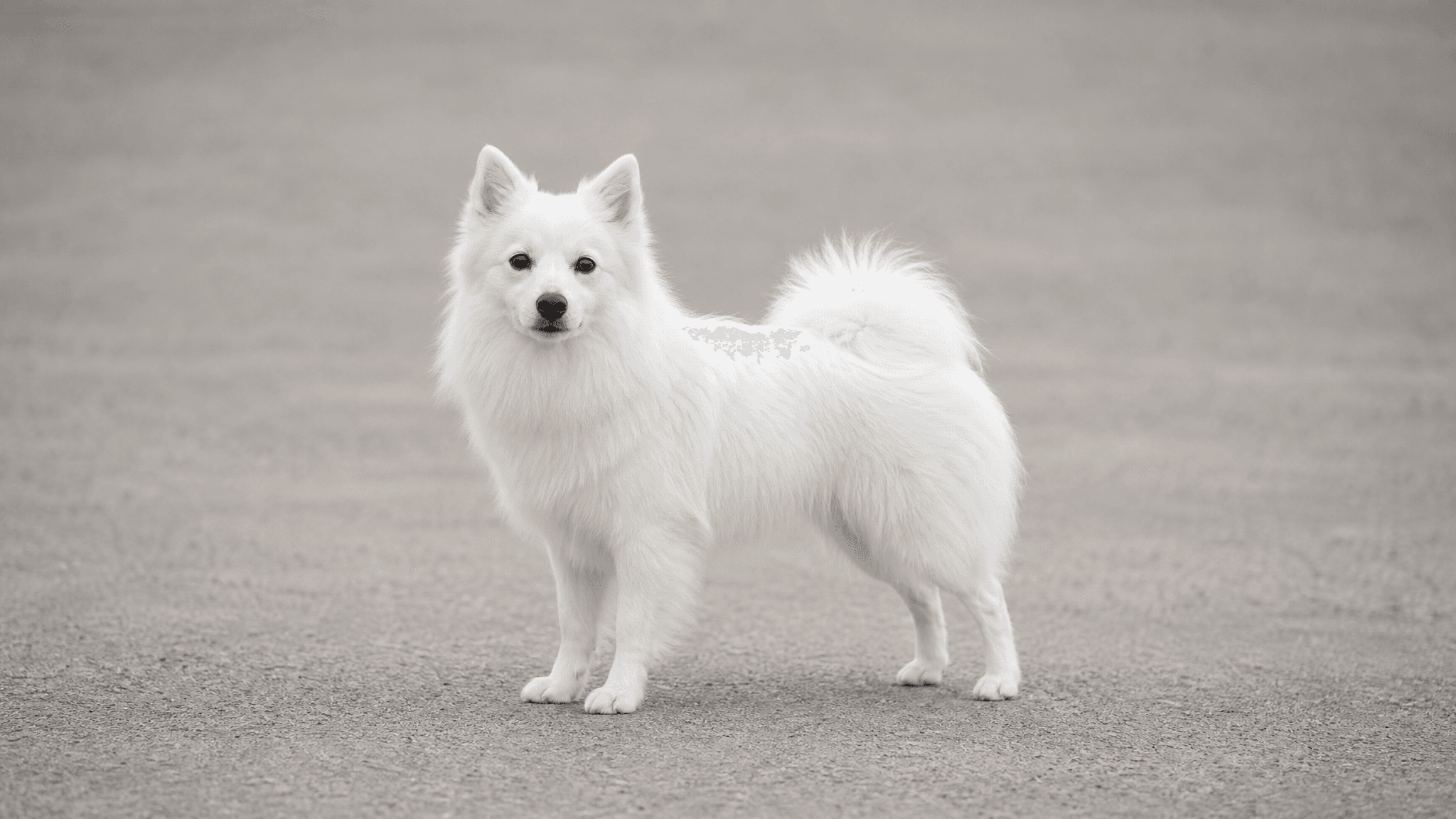
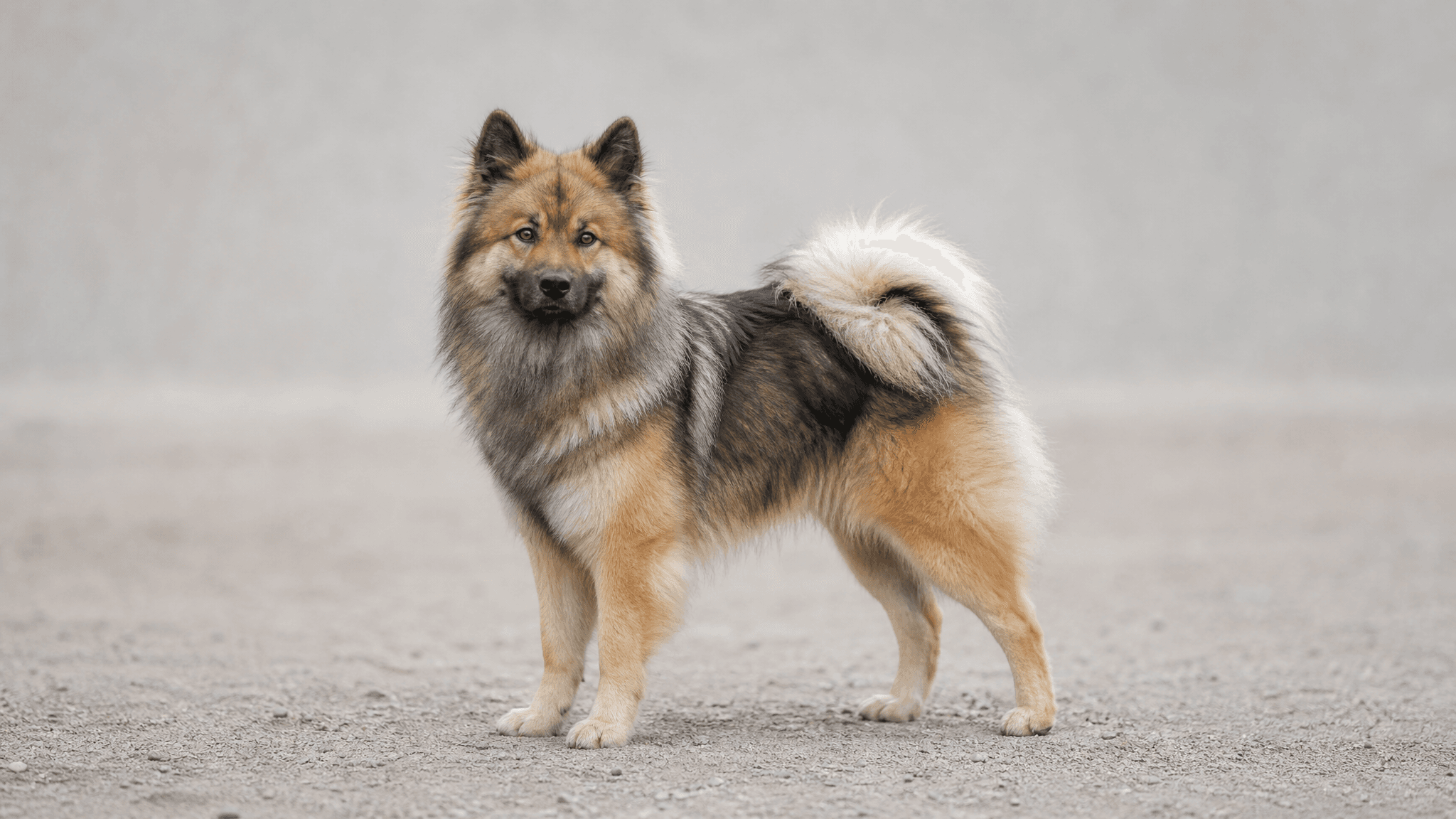
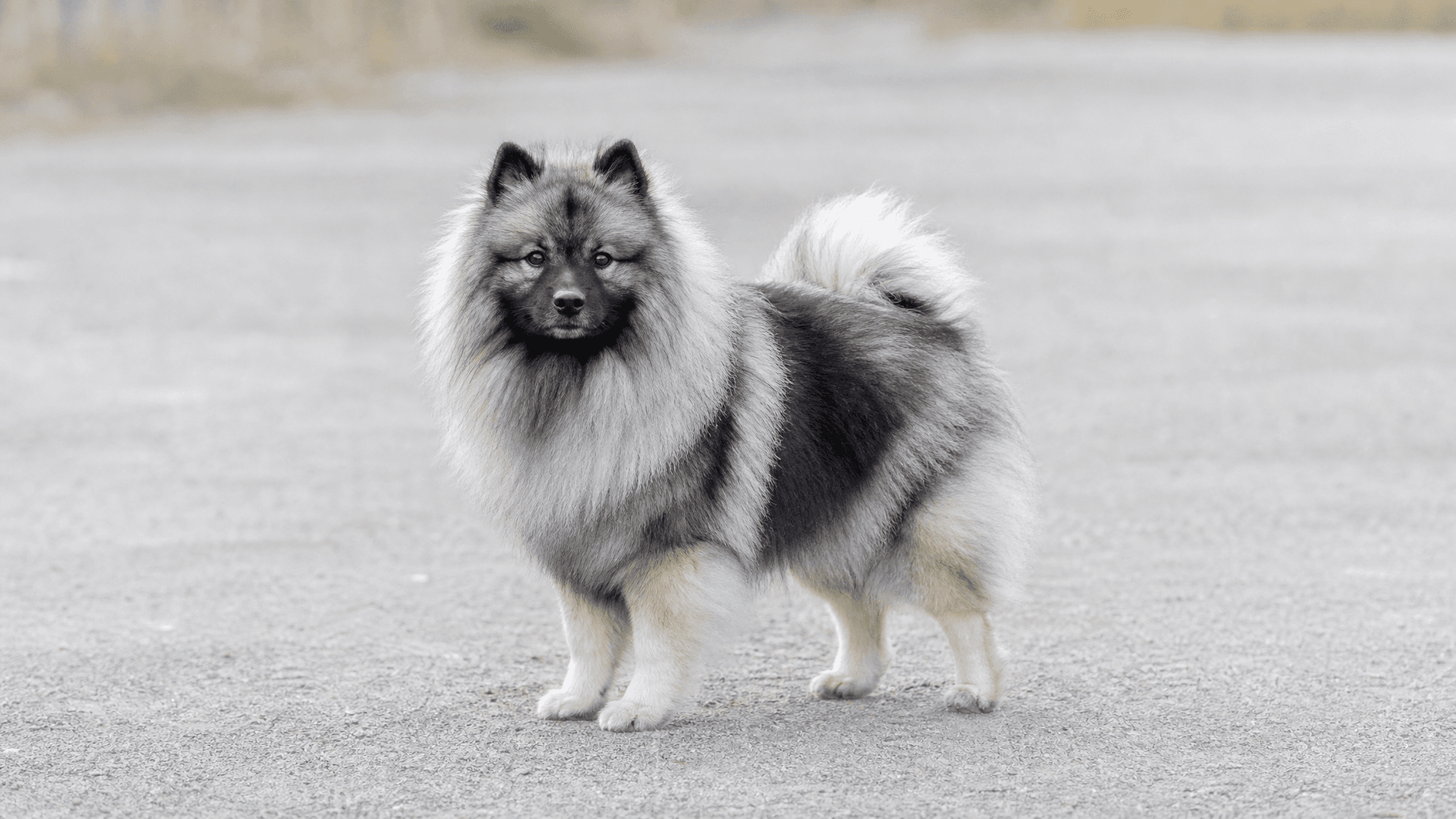
The German Spitz (Deutscher Spitz) is one of the oldest European dog breeds, with roots in spitz-type dogs brought to central Europe by Nordic tribes. In Germany, the breed is classified in five sizes: Wolfsspitz (Keeshond), Großspitz (Giant Spitz), Mittelspitz (Medium Spitz), Kleinspitz (Miniature Spitz), and Zwergspitz (Pomeranian). Outside Germany, 'German Spitz' most commonly refers to the Mittelspitz and Kleinspitz sizes. They are characterised by their abundant double coat, distinctive mane-like ruff, fox-like face, prick ears, and plumed tail carried over the back. They come in many colours. In character they are lively, intelligent, alert, devoted to their family, and somewhat independent.
Are German Spitz good family pets?
German Spitz make excellent family companions — adaptable, affectionate, and lively. They are devoted to their family and generally good with children, particularly when socialised early. Their size (especially the Mittelspitz at 7–11 kg and Kleinspitz at 4–7 kg) makes them practical as family dogs. They can be somewhat wary of strangers, which makes them alert watchdogs, but needs management through socialisation. They can be vocal — their alert nature leads them to bark at new things. They are intelligent and enjoy interaction. Their beautiful coat requires regular grooming. For families wanting an alert, beautiful, interactive companion that can thrive in various living situations (including apartments if exercised), the German Spitz is an excellent choice.
How much exercise does a German Spitz need?
German Spitz need 30–60 minutes of daily exercise. They are moderately active — they enjoy daily walks and play sessions but are not as demanding as working breeds. Their adaptable nature means they can thrive in apartments if given sufficient daily walks. They enjoy nose work, agility, and obedience, which also provide mental stimulation. Their intelligence means they need mental engagement as much as physical exercise — a bored German Spitz will bark and may become destructive. Their thick coat means they are sensitive to heat; avoid exercise in hot weather. They are well-suited for owners who want an active companion without the high exercise demands of working or sporting breeds.
How do you groom a German Spitz?
The German Spitz's dense, standoff double coat requires regular grooming. Thorough brushing 2–3 times per week prevents matting and tangles, particularly in the thick ruff, the britches (back leg feathering), and the plumed tail. During seasonal coat blows (twice yearly), daily brushing is needed to manage the heavy shedding. German Spitz coats should never be clipped — their double coat provides insulation against both cold and heat, and clipping damages it long-term, changing the texture permanently. Professional bathing and blow-drying every 4–6 weeks helps maintain the coat. Their small, neat nails need monthly trimming. Ear cleaning should be done monthly.
What health issues affect German Spitz?
German Spitz are generally a healthy, robust breed. Key health concerns include: Patellar luxation (sliding kneecap) — common in smaller varieties and should be screened for; Progressive Retinal Atrophy (PRA) — DNA testing is available; hip dysplasia in the larger varieties; epilepsy has been documented. Alopecia X (Black Skin Disease) — a hormonal skin condition causing coat loss — is a known concern in plush-coated breeds including German Spitz. Dental disease is common in smaller-sized German Spitz (Kleinspitz) due to the small mouth. Obesity should be carefully managed — their beautiful coat can hide weight gain, and excess weight significantly impacts joint health and longevity.
How long do German Spitz live?
German Spitz have an average lifespan of 13–15 years — excellent longevity for any size dog. Key longevity factors include PRA testing of parents, patellar luxation assessment (especially for smaller varieties), regular dental care (small-mouthed Kleinspitz are prone to dental disease which impacts overall health when unmanaged), careful weight management (avoid obesity), daily appropriate exercise, annual vet check-ups, avoiding unnecessary coat clipping (maintaining the coat's protective function), and mental stimulation. Their long potential lifespan means owners should plan for a long commitment. Spitz of all sizes who receive consistent, attentive care commonly remain active and vital well into their teens.
Are German Spitz good with other dogs?
German Spitz are generally sociable and tolerant with other dogs when properly socialised from puppyhood. They tend to get along well with dogs of similar or larger size. Being a spitz type, they can be somewhat assertive or bossy — they have a confident, independent personality and may challenge dogs that they perceive as too dominant or pushy. Early socialisation with dogs of various sizes and temperaments from puppyhood is important. Very small varieties (Kleinspitz) should be supervised with much larger dogs due to the size differential. German Spitz who have positive canine interactions from an early age typically become reliably friendly and social dogs. Multi-dog households work well for this breed when introductions are carefully managed.
What sizes do German Spitz come in?
In Germany and under FCI classification, the German Spitz is recognised in five distinct sizes, each effectively a separate variety: the Wolfsspitz (also known as the Keeshond, 45–55 cm, grey/black sable coat only); the Großspitz (Giant Spitz, 42–50 cm, white, brown, or black); the Mittelspitz (Medium Spitz, 30–38 cm, all colours); the Kleinspitz (Miniature Spitz, 23–29 cm, all colours); and the Zwergspitz (Dwarf/Toy Spitz — the Pomeranian, 18–22 cm). Outside Germany, Kennel Clubs may classify only some of these sizes under 'German Spitz' while recognising others (like the Keeshond and Pomeranian) separately. Their sizes, temperaments, and exercise needs differ somewhat across varieties.
Community
Talk to real German Spitz owners
This guide covers the breed on paper. In the app, the German Spitz community covers it in real life: photos from other owners, questions answered by people who live with the breed, and a directory of dogs you can browse.
- Photos & pollsSee what German Spitz owners are sharing today.
- Questions & answersAsk anything and hear from people who own one.
- Dog directoryBrowse German Spitzs from around the world.
You join automatically when you add a German Spitz to your profile.