Eurasian
Summary
The Eurasier is a relatively recent breed, created in Germany in the 1960s by breeder Julius Wipfel through crossbreeding between the Chow Chow, the Wolfsspitz/Keeshond, and later the Samoyed. The objective was to create a balanced, calm companion dog with a strong family bond. The name reflects the combination of European and Asian influences. It has been definitively recognized by the FCI since 1973.
Physical Characteristics
- Size
- Medium
- Height (male)
- 52–60 cm
- Height (female)
- 48–56 cm
- Weight (male)
- 23–32 kg
- Weight (female)
- 18–26 kg
- Life Expectancy
- 12–14 years
- Coat
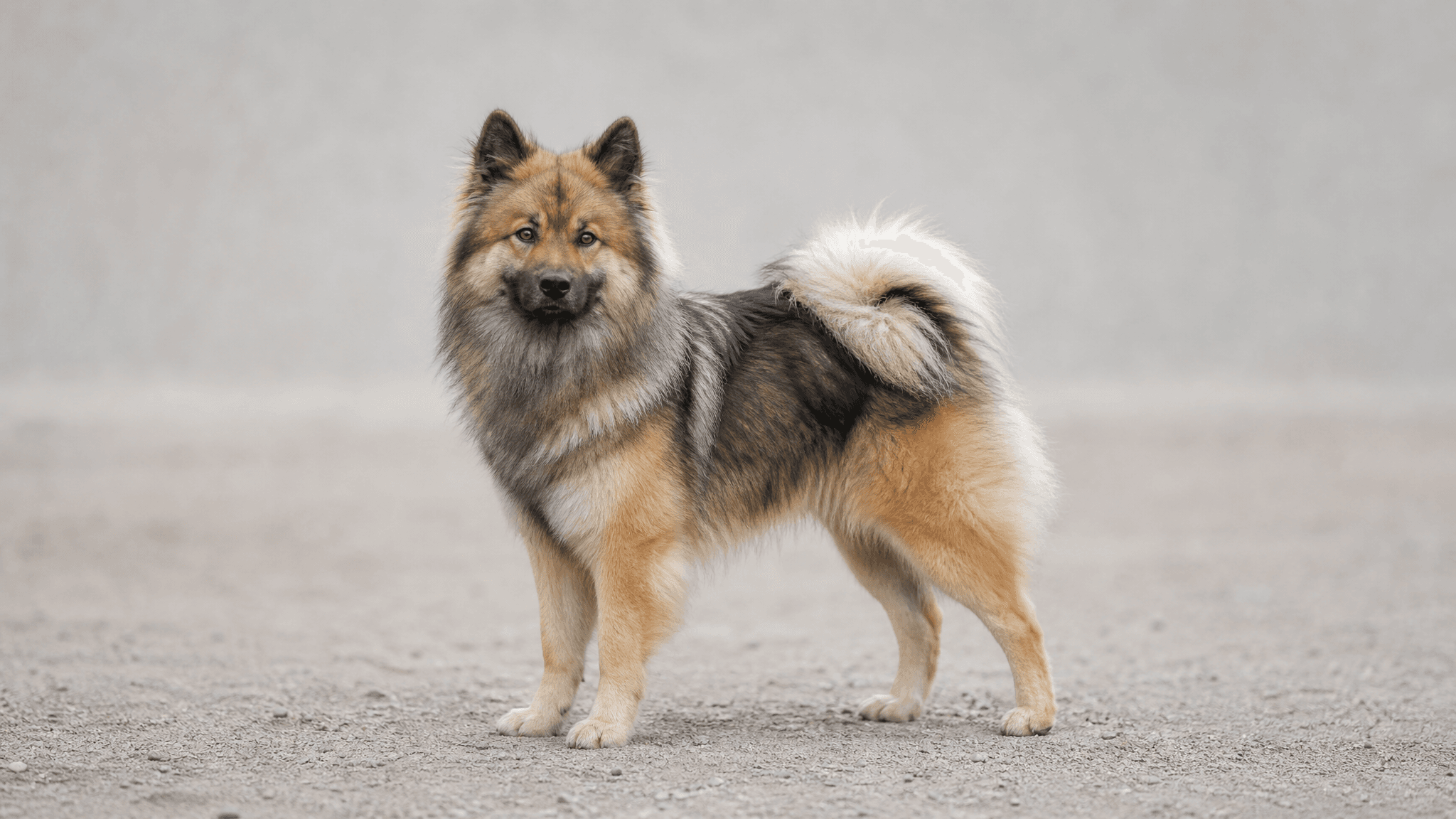
- Double; medium-long and loose outer coat; dense undercoat; shorter coat on the head, ears, and paws; bushy tail
- Common Colors
- All colors and combinations, except pure white and pinto (milk color)
Temperament & Personality
The Eurasier is a dog of exemplary temperament: calm, balanced, self-confident, and resistant to provocation. It has a very strong bond with the family but is reserved — not obtrusive — with strangers. It needs constant domestic contact with the family for the full development of its temperament; it is not suitable for a kennel. Its sensitivity to excessive discipline requires positive training methods.
Activity & Exercise
- Energy Level
- Moderate
- Recommended Daily Exercise
- 60 minutes
- Suitable for Apartment
- Yes with exercise
Grooming & Care
- Grooming Needs
- Moderate
- Shedding
- Moderate
- Bathing Frequency
- Every 6–8 weeks
Health
- Common Health Issues
- Distichiasis (extra eyelashes that irritate the eye)
- Entropion and ectropion (eyelid problems)
- Hip dysplasia
- Hypothyroidism
- Patellar luxation
- Recommended Health Tests
- Eye examination
- Genetic test for Dandy-Walker malformation
- Hip and patella evaluation
- Thyroid evaluation
Compatibility
- With Children
- Excellent
- With Other Dogs
- Excellent
- With Cats
- Good
- For First-Time Owners
- Acceptable
Is an Eurasian right for you?
An Eurasian may suit you if:
- You are prepared to provide a full hour of engaging activity daily to keep their moderate energy content and mind happy.
- You enjoy including your dog in your daily life, as they thrive on constant domestic contact and family interaction.
- You appreciate a calm, self-confident companion who forms a deep bond with family but is politely reserved with strangers.
- You are committed to using positive reinforcement and gentle methods to nurture their sensitive and intelligent nature.
- You are willing to dedicate time to moderate grooming, including regular brushing of their beautiful double coat.
- You understand their need for close family integration and are ready to welcome them fully into your home.
Think twice if:
- You expect unwavering obedience and instant command execution from your canine companion.
- You have a lifestyle that frequently requires leaving your dog alone for extended periods.
- You cannot provide a calm and consistent environment for a sensitive dog, especially with very boisterous children or pets.
- You are unwilling to commit to at least an hour of daily exercise and regular moderate grooming for their double coat.
- You plan to keep your dog primarily in a kennel or isolated outdoor space.
- You prefer a dog that responds best to firm, traditional discipline rather than patient, positive reinforcement.
The Eurasier is a truly special companion, offering a lifetime of devoted, calm companionship to the right family. While they are wonderfully adaptable and excellent with children and other pets, their sensitive nature and deep family bond mean they thrive on constant inclusion. Be prepared to offer consistent positive training and daily engagement, and you'll be rewarded with a loyal friend for 12 to 14 years.
Training an Eurasian
Eurasiers are wonderfully intelligent and form incredibly strong bonds with their families, making them eager to please those they love. Their self-confident yet sensitive nature means they respond best to positive reinforcement, gentle guidance, and short, fun training sessions filled with praise and tasty rewards. Avoid harsh corrections or excessive discipline, as this breed can become withdrawn, resistant, or lose trust in their handler. Consistency and patience are key; successful training builds on mutual respect and a joyful learning experience, strengthening that special family connection.
Begin with:
- Attention and response to name
- Recall on a long line
- Loose-leash walking
- Leave it and drop it
- Calm greetings without jumping
- Settling on a mat or bed
- Cooperative handling for grooming
- Waiting at doors and gates
Independent Spirit & Recall
While Eurasiers are devoted to their families, their Spitz heritage can sometimes manifest as an independent streak, especially when intriguing scents or movements capture their attention. This can make recall a significant challenge if not consistently reinforced.
To ensure your Eurasier reliably returns to you, start recall training in a quiet, enclosed area with high-value treats and gradually introduce distractions. Always make coming back a positive experience, even if they took a moment to respond. Practice frequently and use a long line for safety in open spaces until their recall is rock-solid. You can find more tips in our guide to teaching recall.
Leash Manners & Sensitivity
With males weighing up to 32 kg and females up to 26 kg, a Eurasier can certainly pull with strength if not taught proper leash manners. Their sensitive temperament also means that traditional harsh corrections or restrictive equipment can be counterproductive, leading to resistance or anxiety rather than cooperation.
Focus on positive reinforcement techniques for loose-leash walking from day one. Reward your Eurasier for walking calmly by your side with treats and praise, making good leash behavior a rewarding experience. If they pull, simply stop walking until the leash slackens, then continue. This teaches them that pulling gets them nowhere. For more detailed advice, see our force-free plan for stopping leash pulling.
Home Alone Woes
Eurasiers thrive on constant domestic contact and form a very strong bond with their family, making them unsuitable for kennel living. If left alone for extended periods without sufficient exercise or mental stimulation, they can develop separation anxiety or destructive behaviors, even with their calm and balanced nature.
Ensure your Eurasier receives their recommended 60 minutes of daily exercise and plenty of mental enrichment through puzzle toys or training sessions. When you do need to leave them, start with short absences and gradually increase the time, always making departures and arrivals low-key. Providing a comfortable, safe space and engaging toys can help them cope. Watch for signs of stress when you leave to address issues early.
Eurasian — Frequently Asked Questions
What is the Eurasier (Eurasian)?
The Eurasier is a truly special medium-sized dog breed, originating from Germany in the 1960s. It was thoughtfully created by Julius Wipfel through a careful crossbreeding program involving the Chow Chow, Wolfsspitz (Keeshond), and later the Samoyed. Recognized by the FCI in Group 5 (Asian Spitz and Related Breeds), the Eurasier's name beautifully reflects its European and Asian heritage. These wonderful dogs are known for their calm, balanced, and self-confident temperament, forming incredibly strong and devoted bonds with their families, making them exceptional companions.
What was the Eurasier (Eurasian) originally bred for?
The Eurasier was specifically bred in Germany during the 1960s with a clear and heartwarming purpose: to create the ideal companion dog. Breeder Julius Wipfel envisioned a balanced, calm, and devoted family pet, rather than a working dog. He carefully selected breeds like the Chow Chow, Wolfsspitz, and Samoyed to combine their best qualities, resulting in a dog with an exemplary temperament and a profound connection to its human family. The breed's success lies in fulfilling this original goal of being a wonderful, integrated family member.
How much exercise does a Eurasier (Eurasian) need?
Eurasiers have a moderate energy level and thrive on consistent daily activity to keep them happy and healthy. We recommend about 60 minutes of exercise per day for your Eurasier. This doesn't necessarily mean intense, high-impact activities; they enjoy a good daily walk, playtime in a secure yard, or even some engaging mental games. Regular, moderate exercise helps maintain their physical condition and mental well-being, ensuring they remain the calm and balanced companions you adore. It's all about quality time together!
Is the Eurasier (Eurasian) a good family dog?
Absolutely, the Eurasier is renowned for being an exemplary family dog! They possess a calm, balanced, and self-confident temperament, making them wonderful additions to most households. Eurasiers form an incredibly strong bond with their family members and thrive on constant domestic contact, truly becoming part of the pack. While they are reserved with strangers, they are not typically obtrusive. Their gentle nature and resistance to provocation generally make them excellent companions for children and can coexist peacefully with other pets when properly socialized. They are definitely not suited for a kennel environment.
Is the Eurasier (Eurasian) easy to train?
Eurasiers are intelligent dogs with a wonderful temperament, which makes them quite trainable, but they do have a sensitive side. They are calm, balanced, and self-confident, but they respond best to positive reinforcement methods. Due to their sensitivity to excessive discipline, harsh training techniques are counterproductive and can damage their trust. Instead, focus on gentle, consistent, and reward-based training, which will bring out the best in your Eurasier and strengthen your bond. Their eagerness to please their family, combined with positive guidance, makes training a rewarding experience.
What health issues are common in the Eurasier (Eurasian)?
Like all breeds, Eurasiers can be predisposed to certain health conditions, and responsible breeding aims to minimize these risks. Some documented health concerns in the breed include eye conditions such as Distichiasis (extra eyelashes that can irritate the eye), Entropion, and Ectropion (eyelid problems). They can also be susceptible to Hip Dysplasia, a common orthopedic issue, Patellar Luxation (dislocated kneecap), and Hypothyroidism. Regular veterinary check-ups and choosing a reputable breeder who screens their dogs can help ensure your Eurasier lives a long and healthy life.
What is the Eurasier (Eurasian)'s coat like and how much grooming does it need?
The Eurasier boasts a beautiful, dense double coat, a lovely characteristic inherited from its Spitz ancestors. This protective coat helps them adapt to various climates and gives them their distinctive fluffy appearance. While stunning, it does require regular grooming to keep it in top condition and minimize shedding. Brushing your Eurasier several times a week, especially during seasonal shedding periods, will help prevent mats and keep their coat healthy and shiny. Thankfully, their calm temperament often makes grooming a pleasant bonding experience for both of you.
What is the typical lifespan of a Eurasier (Eurasian)?
Eurasiers are generally robust and healthy dogs, and with proper care, they can enjoy a wonderful, long life by your side. The typical lifespan for a Eurasier is between 12 and 14 years. Providing them with a balanced diet, regular exercise, routine veterinary check-ups, and plenty of love and mental stimulation will contribute significantly to their overall well-being and help them live a full and happy life as a cherished member of your family.
Community
Talk to real Eurasian owners
This guide covers the breed on paper. In the app, the Eurasian community covers it in real life: photos from other owners, questions answered by people who live with the breed, and a directory of dogs you can browse.
- Photos & pollsSee what Eurasian owners are sharing today.
- Questions & answersAsk anything and hear from people who own one.
- Dog directoryBrowse Eurasians from around the world.
You join automatically when you add a Eurasian to your profile.