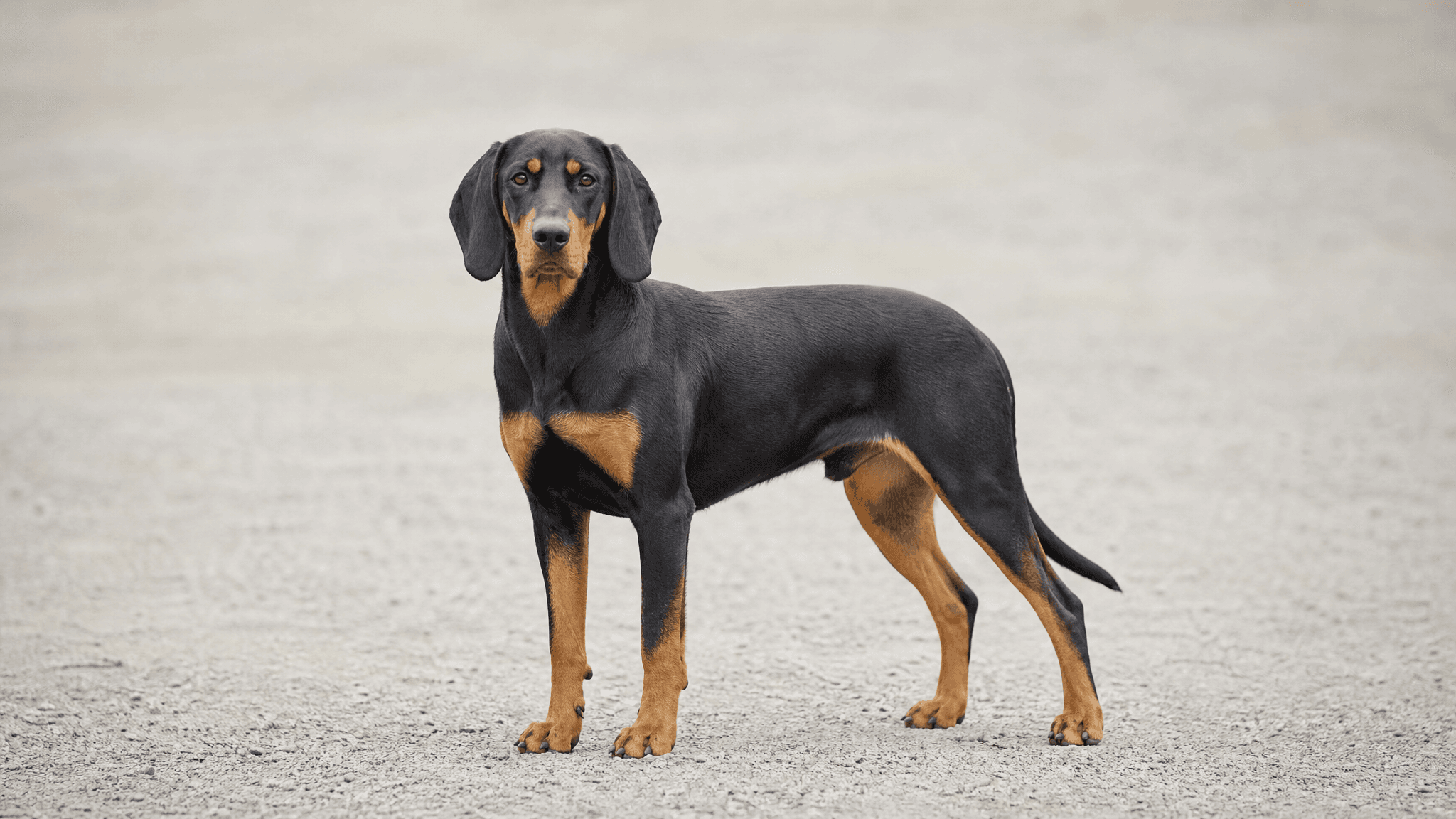
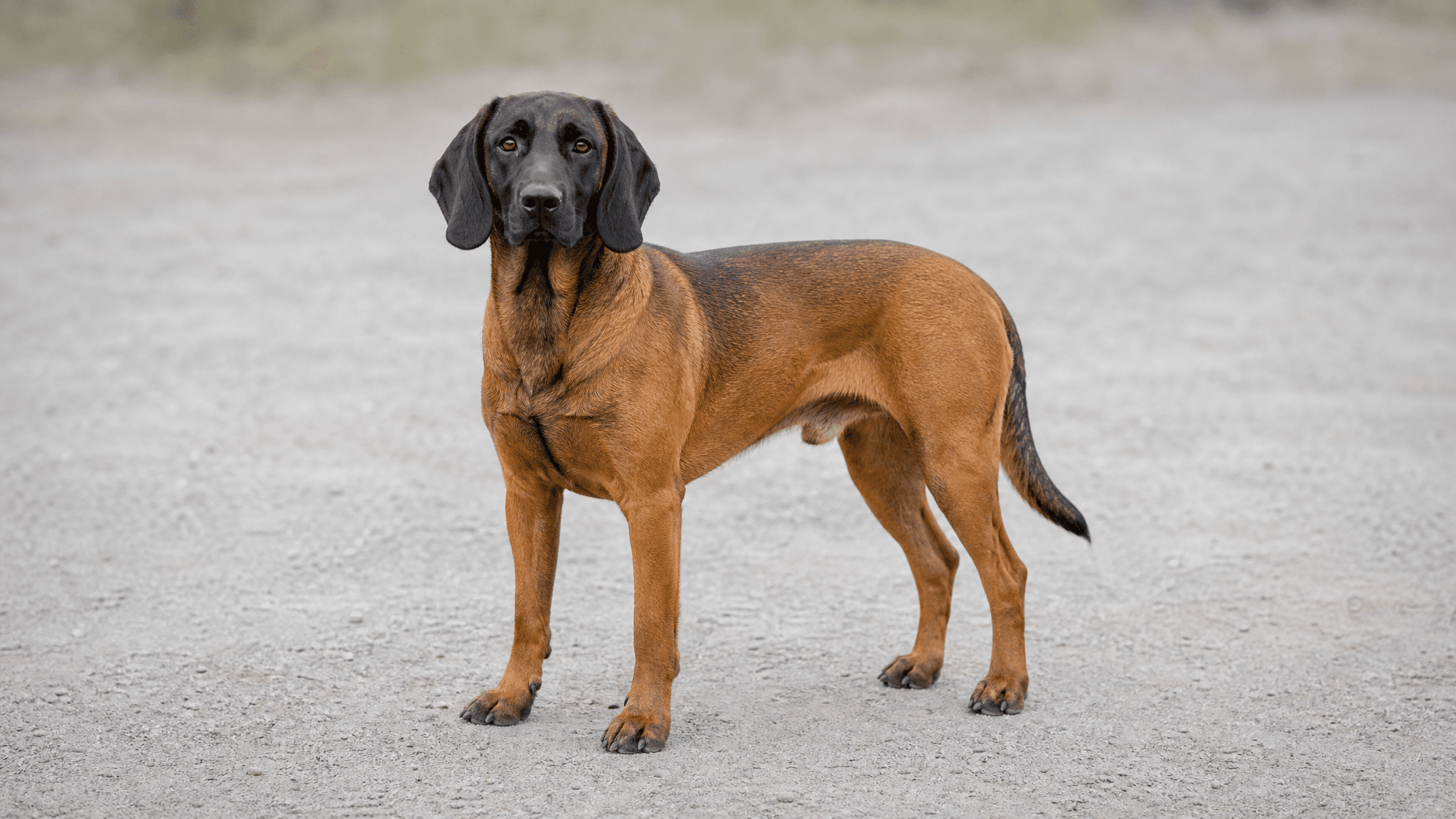
German Hound
Summary
The German Hound (Deutsche Bracke) is the only regular-sized German scent hound recognized by the FCI, originating from Westphalia. It is a dog of exceptional scenting ability, used for individual hunting in Germany — where the hunting system differs from the French, preferring dogs that work solo instead of in packs. It is a skilled tracker, used both for live game and for tracking wounded animals.
Physical Characteristics
- Size
- Medium
- Height (male)
- 40–53 cm
- Height (female)
- 38–52 cm
- Weight (male)
- 15–20 kg
- Weight (female)
- 13–18 kg
- Life Expectancy
- 12–14 years
- Coat
- Dense, medium-length, smooth
- Common Colors
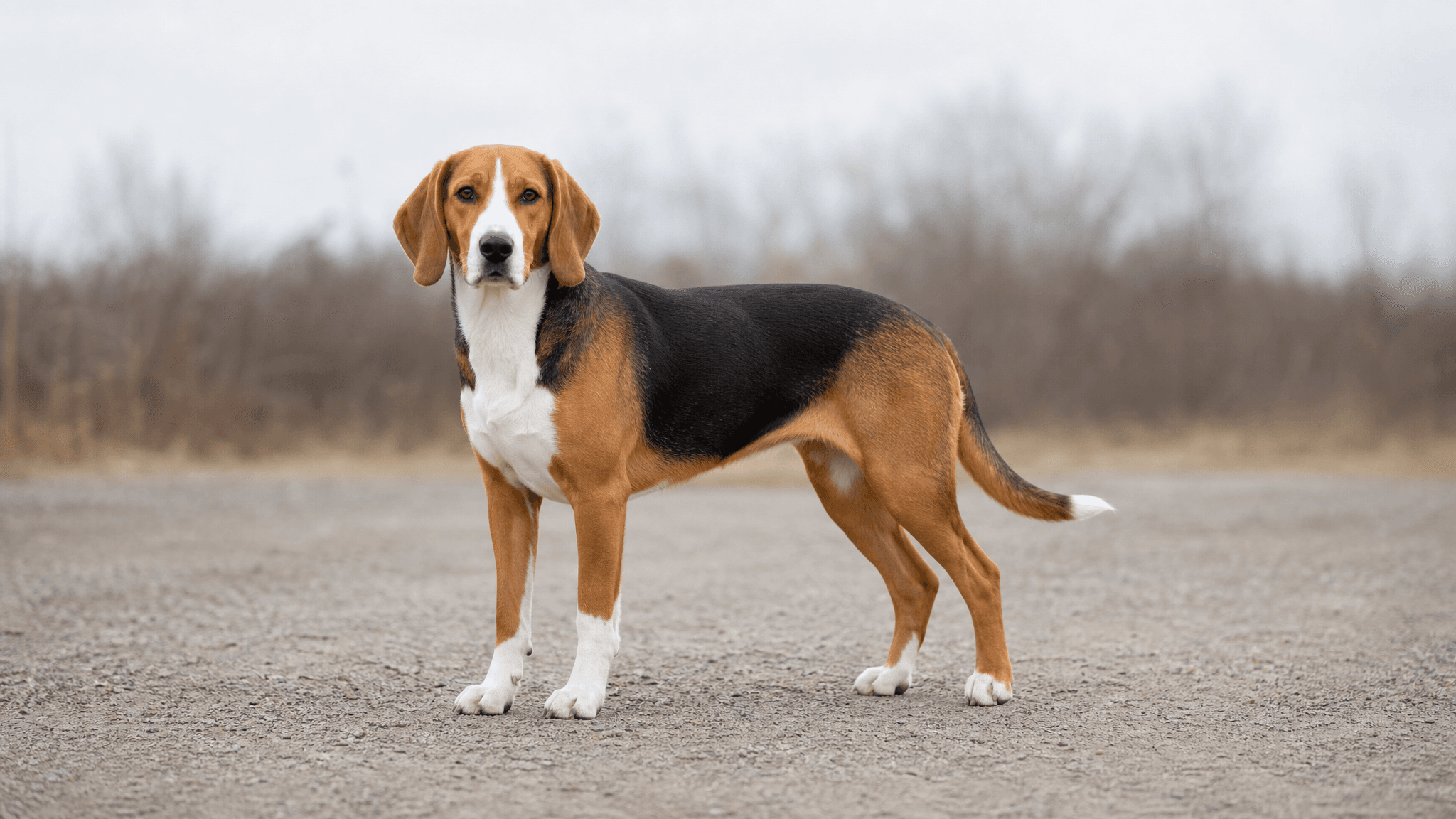
- Tricolor — reddish-yellow or yellow with black mantle or saddle, and white markings (Bracken-Mark)
Temperament & Personality
The German Hound is an active, intelligent, and good-tempered dog. It is friendly and can adapt well to family life, although it is basically a working breed. It is easier to train than many other scent hounds due to its tendency to work close to its owner.
Activity & Exercise
- Energy Level
- High
- Recommended Daily Exercise
- 60–90 minutes
- Suitable for Apartment
- Not recommended
Grooming & Care
- Grooming Needs
- Low to moderate
- Shedding
- Moderate
- Bathing Frequency
- Every 4 weeks
Health
- Common Health Issues
- Hip dysplasia
- Otitis
- Recommended Health Tests
- Orthopedic evaluation
Compatibility
- With Children
- Good
- With Other Dogs
- Excellent
- With Cats
- Moderate
- For First-Time Owners
- Acceptable
Is a German Hound right for you?
A German Hound may suit you if:
- You are prepared to provide 60 to 90 minutes of daily vigorous exercise and mental stimulation for their keen scenting abilities.
- You enjoy an active lifestyle, perhaps involving tracking games or long hikes where their exceptional scenting skills can shine.
- You appreciate a friendly, good-tempered, and intelligent companion who adapts well to family life.
- You are prepared to commit to consistent training, knowing they are more biddable than many other scent hounds.
- You can manage their low to moderate grooming needs, including regular brushing for their dense, medium-length coat.
- You are willing to embrace their natural working drive and allow them to explore the world with their nose.
Think twice if:
- You expect immediate, perfect obedience from a dog with a strong independent scenting drive.
- You often leave your dog alone for long periods, as their high energy and intelligence require companionship and activity.
- You have cats who are not accustomed to living with a dog with a moderate prey drive.
- You are unwilling to commit to at least an hour of daily exercise for this energetic medium-sized hound.
- You live in an apartment and cannot provide the outdoor space and containment a working scent hound needs.
- You are unprepared for the physical demands of managing an active, medium-sized dog during its energetic adolescent phase.
Living with a German Hound means embracing their enthusiastic spirit and remarkable nose. They offer devoted companionship and are eager to please, but their working heritage demands a dedicated owner who can channel their energy and intelligence. It's a rewarding partnership for those ready to meet their unique needs.
Training a German Hound
Your German Hound is a bright, active, and good-tempered companion, eager to learn and work alongside you. As a scent hound, they are highly motivated by their incredible nose, so incorporating scent work into training can be incredibly rewarding. Keep training sessions short, positive, and engaging, using high-value treats and praise to reinforce desired behaviors. Consistency is key; if training is inconsistent or becomes boring, your German Hound may lose focus and revert to instinctual behaviors, making progress challenging. They tend to work close to their owner, making them more amenable to training than some other scent hounds.
Begin with:
- Attention to name around distractions
- Reliable recall, starting on a long line
- Loose-leash walking manners
- Leave it and drop it commands
- Calm greetings without jumping
- Settle on a mat or bed
- Cooperative handling for grooming
- Waiting at doors and gates
Scent Drive and Recall
German Hounds possess an exceptional scenting ability, making them prone to following their nose rather than your voice. This powerful instinct, inherent to their working breed nature, can make recall challenging, especially in stimulating environments. To build a reliable recall, start in a low-distraction area and gradually introduce more exciting smells. Always make coming back to you the most rewarding option with enthusiastic praise and high-value treats. Practice regularly on a long line to ensure safety while they learn to prioritize your call over captivating scents. You can find more tips in our guide on teaching recall.
Leash Pulling
With their high energy and medium size, German Hounds can be strong pullers, especially when an exciting scent catches their attention. This isn't naughtiness; it's their natural drive to track. Start loose-leash training early, using positive reinforcement to reward walking calmly beside you. Practice in various environments, gradually increasing distractions. If your hound starts to pull, stop walking until the leash goes slack, then resume. Consistency and patience are crucial for teaching good leash manners. For a detailed plan, check out our guide on stopping leash pulling.
Managing High Energy
German Hounds are active dogs with high energy levels, requiring 60-90 minutes of daily exercise. If they don't get enough physical and mental stimulation, they can become bored, leading to undesirable behaviors like excessive barking, chewing, or general restlessness. Ensure their exercise includes opportunities for sniffing and exploring, like long walks in varied environments or scent games. Puzzle toys and interactive play can also help engage their intelligent minds. Providing a consistent routine and plenty of appropriate outlets for their energy will keep your German Hound happy and well-behaved. Our training feature can help you build a consistent routine.
German Hound — Frequently Asked Questions
What is the Deutsche Bracke (German Hound)?
The Deutsche Bracke, also known as the German Hound, is a wonderful medium-sized scent hound originating from the beautiful region of Westphalia in Germany. Recognized by the FCI in Group 6 (Small-sized Hounds), this breed stands out as the only regular-sized German scent hound in its category. Known for its exceptional scenting ability, the German Hound is an active, intelligent, and good-tempered companion. They possess a keen sense of purpose and a friendly disposition, making them truly special dogs with a rich heritage.
What was the Deutsche Bracke (German Hound) originally bred for?
The Deutsche Bracke was originally bred for a very specific and demanding role: individual hunting in Germany. Unlike some hunting traditions that favor large packs, the German hunting system often prefers dogs that work solo, and the German Hound excels at this. With its unparalleled scenting ability, it was developed to be a highly skilled tracker, adept at pursuing live game and equally proficient at tracking wounded animals. This breed's historical purpose highlights its independence, focus, and remarkable dedication to its task, showcasing its deep roots as a true working dog.
How much exercise does a Deutsche Bracke (German Hound) need?
As a high-energy working breed, the Deutsche Bracke thrives on plenty of activity! To keep your German Hound happy, healthy, and well-behaved, they need a significant amount of exercise daily. We recommend providing them with 60 to 90 minutes of vigorous activity each day. This isn't just a casual stroll; they truly benefit from opportunities to run, explore, and engage their incredible sense of smell. Think long walks, engaging playtime, or even scent work games to satisfy their natural instincts and ensure they remain a well-adjusted member of your family.
Is the Deutsche Bracke (German Hound) a good family dog?
Absolutely! Despite their strong working dog background, the Deutsche Bracke can make a wonderful addition to a family. They are known for being friendly and good-tempered, which helps them adapt well to family life. With their intelligent and active nature, they enjoy being part of the action. While individual personalities vary, their generally friendly disposition means they can often get along well with children and other pets, especially if properly socialized from a young age. Providing them with consistent training and plenty of exercise will ensure they integrate beautifully into your home.
Is the Deutsche Bracke (German Hound) easy to train?
The Deutsche Bracke is quite intelligent and possesses a good-tempered nature, which makes them more amenable to training than many other scent hounds. They have a natural tendency to work closely with their owner, which is a huge advantage in the training process. While they are intelligent and can learn quickly, consistency and positive reinforcement are key. Their keen sense of smell can sometimes be a distraction, so engaging their minds with scent-based games can be a fantastic way to make training fun and effective. With patience and understanding, you'll find them eager to please!
What health issues are common in the Deutsche Bracke (German Hound)?
Like all breeds, the Deutsche Bracke can be prone to certain health conditions, though they are generally considered a robust breed. It's always wise for potential owners to be aware of documented concerns. For the German Hound, the primary health issues to be mindful of are hip dysplasia and otitis. Hip dysplasia affects the hip joints, while otitis refers to ear inflammation. Regular veterinary check-ups, a balanced diet, and appropriate exercise are crucial for maintaining your dog's overall health and well-being, helping to catch and manage any potential issues early on.
What is the Deutsche Bracke (German Hound)'s coat like and how much grooming does it need?
The Deutsche Bracke typically sports a short, dense, and close-lying coat that is quite practical for their active, outdoor lifestyle. This type of coat is generally low-maintenance, which is great news for busy owners! They don't require extensive grooming; a weekly brush with a rubber curry comb or a bristle brush is usually sufficient to remove loose hair, dirt, and keep their coat looking shiny and healthy. Occasional baths, as needed, will help keep them clean. Regular ear checks are also important, especially given their hound ears and active nature.
What is the typical lifespan of a Deutsche Bracke (German Hound)?
It's wonderful to consider the potential years you'll share with a Deutsche Bracke! These lovely hounds typically enjoy a healthy and fulfilling life, with a lifespan ranging from 12 to 14 years. Providing them with excellent care, including a nutritious diet, regular exercise, routine veterinary check-ups, and plenty of love and mental stimulation, will help ensure your German Hound lives a long, happy, and vibrant life by your side. They truly become cherished members of the family for many years.
Community
Talk to real German Hound owners
This guide covers the breed on paper. In the app, the German Hound community covers it in real life: photos from other owners, questions answered by people who live with the breed, and a directory of dogs you can browse.
- Photos & pollsSee what German Hound owners are sharing today.
- Questions & answersAsk anything and hear from people who own one.
- Dog directoryBrowse German Hounds from around the world.
You join automatically when you add a German Hound to your profile.