American Eskimo Dog
Summary
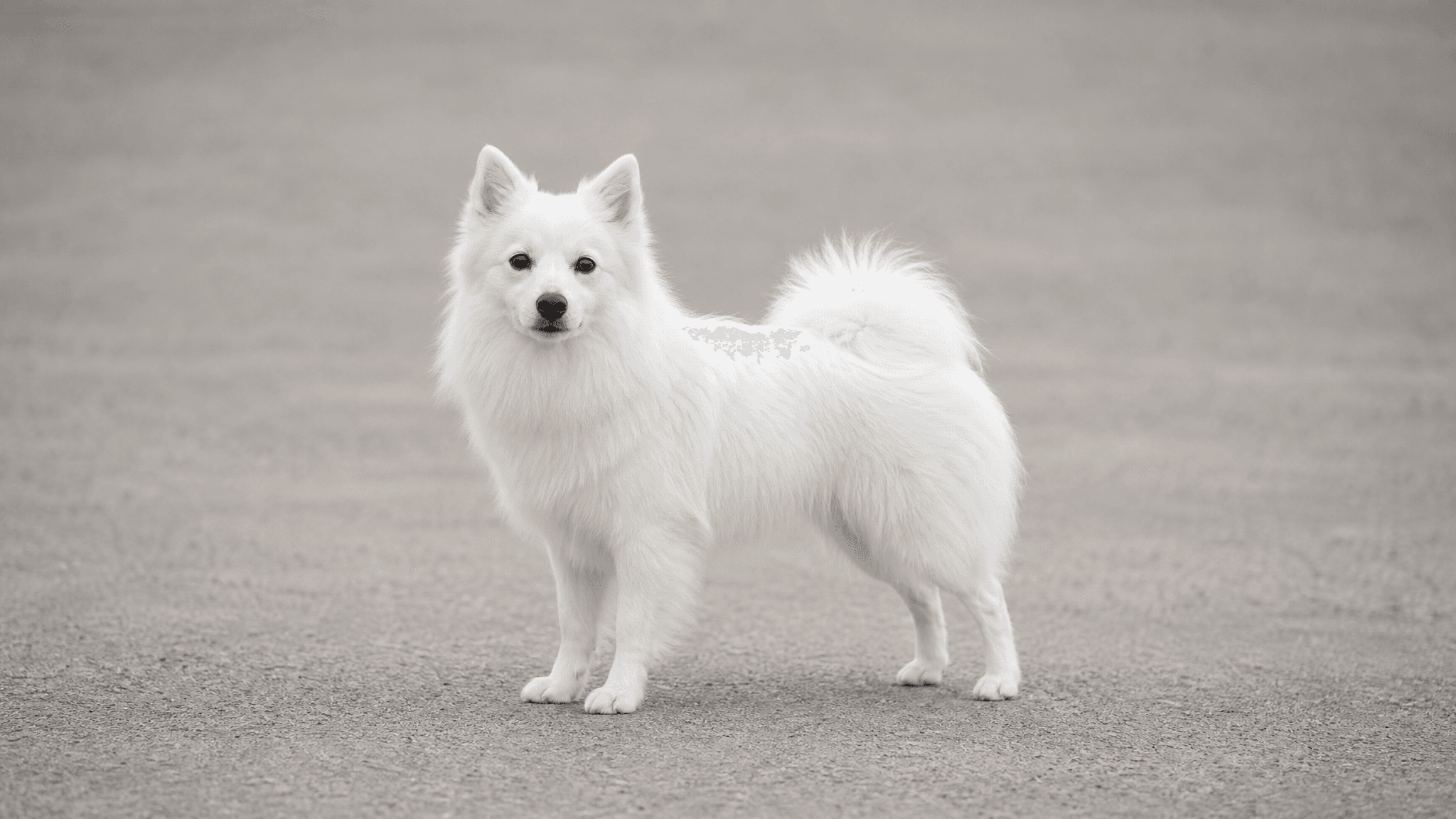
The American Eskimo Dog is a white spitz companion breed developed in the United States from German Spitz ancestry. It exists in toy, miniature, and standard varieties.
Physical Characteristics
- Size
- Varies
- Height (male)
- 23–48.5 cm
- Height (female)
- 23–48.5 cm
- Weight (male)
- 3–16 kg
- Weight (female)
- 3–16 kg
- Life Expectancy
- 13–15 years
- Coat
- Straight, dense double coat with a thick undercoat and stand-off outer coat
- Common Colors
- White or white with biscuit cream
Temperament & Personality
The American Eskimo Dog is alert, friendly, clever, trainable, and somewhat reserved with strangers. It needs regular activity and mental stimulation and is often an excellent watchdog.
Activity & Exercise
- Energy Level
- Moderate to high
- Recommended Daily Exercise
- 45–75 minutes
- Suitable for Apartment
- Yes with exercise
Grooming & Care
- Grooming Needs
- Moderate to high
- Shedding
- Heavy
- Bathing Frequency
- Every 6–8 weeks
Health
- Common Health Issues
- Dental disease
- Hip dysplasia
- Patellar luxation
- Progressive retinal atrophy (PRA)
- Recommended Health Tests
- Dental examination
- Eye examination
- Hip evaluation
- Patella evaluation
Compatibility
- With Children
- Good
- With Other Dogs
- Good
- With Cats
- Good
- For First-Time Owners
- Acceptable
Is an American Eskimo Dog right for you?
An American Eskimo Dog may suit you if:
- You can provide 45-75 minutes of daily activity and engaging mental challenges to satisfy their clever, energetic minds.
- You enjoy an active lifestyle that includes your dog, as Eskies thrive on being involved in family activities.
- You appreciate a loyal, alert companion who is friendly with family but can be a watchful presence around new faces.
- You are prepared to commit to consistent, positive training to harness their intelligence and eagerness to learn.
- You are willing to dedicate time to regular brushing to maintain their beautiful, heavy double coat and manage shedding.
- You understand and are prepared to manage their natural tendency to be vocal and alert you to new sights and sounds.
Think twice if:
- You expect unwavering obedience without consistent, engaging training, as their intelligence can lead to independent thinking.
- You have a routine that leaves a dog alone for long stretches daily, as Eskies thrive on companionship and can get bored.
- You prefer a dog that immediately welcomes all strangers into your home, as Eskies can be somewhat reserved at first.
- You are unwilling to commit to 45-75 minutes of daily exercise or regular grooming to prevent matting and manage heavy shedding.
- You live in an apartment without access to daily outdoor activity, or you prefer a dog that is quiet and unobtrusive indoors.
- You are unprepared for the spirited energy and occasional stubbornness that can emerge during their adolescent phase.
An American Eskimo Dog offers immense joy and companionship to the right family. Their bright minds and playful spirits require consistent engagement and care, especially with their beautiful coat and vocal nature. While they are wonderfully adaptable, truly thriving with an owner prepared to meet their energy and grooming needs ensures a harmonious, loving partnership for their 13-15 year lifespan.
Training an American Eskimo Dog
American Eskimo Dogs are wonderfully clever and eager to please, making them highly trainable companions. They thrive on positive reinforcement, especially when treats, praise, and engaging games are involved. Keep training sessions short, fun, and varied to hold their attention, as their bright minds can bore easily. If training becomes repetitive or harsh, an Eskie might become reserved, stubborn, or even develop unwanted behaviors, losing their natural enthusiasm. Consistency and mental stimulation are key to unlocking their full potential and building a strong, joyful bond.
Begin with:
- Attention and responding to name
- Recall on a long line
- Loose-leash walking
- Leave it and drop it
- Calm greetings without jumping
- Settling on a mat or bed
- Cooperative handling for grooming
- Waiting at doors and gates
Alert Barking
American Eskimo Dogs are naturally alert and make excellent watchdogs, which means they can be prone to excessive barking at new sights, sounds, or strangers. While their warning barks can be helpful, constant noise can be disruptive. To manage this, teach your Eskie a "quiet" cue by rewarding them for stopping barking on command. Also, work on desensitizing them to common triggers by gradually exposing them to stimuli at a distance they can tolerate without barking, rewarding calm behavior. Providing ample mental stimulation through puzzle toys and training can also reduce boredom barking.
Leash Pulling
With their moderate to high energy levels and natural curiosity, American Eskimo Dogs can be enthusiastic walkers, often leading to pulling on the leash. This can make walks less enjoyable for both of you. Start practicing loose-leash walking in a low-distraction environment, rewarding every step your Eskie takes with a slack leash. If they pull, stop walking immediately and only resume when the leash is loose again. Consistency is crucial, and using a front-clip harness can provide better control without discomfort. Remember, your Eskie needs 45–75 minutes of daily exercise, so ensure they get enough appropriate outlets for their energy. Our guide to stopping leash pulling offers more tips.
Boredom Behaviors
An American Eskimo Dog's clever mind and moderate to high energy mean they need regular activity and mental stimulation to stay happy and well-behaved. Without enough to do, they can easily resort to destructive chewing, digging, or excessive barking out of boredom or frustration. Ensure your Eskie receives their recommended 45–75 minutes of daily exercise, incorporating varied activities like fetch, agility, or brisk walks. Beyond physical activity, engage their minds with puzzle toys, scent games, and regular training sessions. Rotating toys and providing new challenges will keep them mentally stimulated and prevent unwanted behaviors from taking root. If you suspect your dog is stressed when left alone, this article can help you identify the signs.
American Eskimo Dog — Frequently Asked Questions
What is the American Eskimo Dog?
The American Eskimo Dog (Eskie) is a Nordic-type companion breed that, despite its name, has no historical connection to the Eskimo people — it descends primarily from German Spitz dogs brought to America by German immigrants in the 19th and early 20th centuries. Originally known as the American Spitz, the name was changed to American Eskimo Dog during World War I, partly to distance the breed from its German heritage. The Eskie is known for its striking white (or biscuit cream) double coat, alert expression, and exceptional intelligence. It was a popular circus performer in the early 1900s.
Are there different sizes of American Eskimo Dog?
Yes — the American Eskimo Dog comes in three size varieties: Toy (9–12 inches at the shoulder, 6–10 lbs), Miniature (12–15 inches, 10–20 lbs), and Standard (15–19 inches, 25–35 lbs). All three sizes share the same breed characteristics, temperament, and care requirements — only their scale differs. The Toy and Miniature varieties are the most common as companion dogs, while the Standard size is less frequently seen outside show lines. All sizes are recognised by the AKC as part of the Non-Sporting Group.
Is the American Eskimo Dog a good family dog?
The American Eskimo Dog is a loving, playful, and alert family companion that bonds deeply with its people. It is typically good with children, especially when raised with them, enjoying active play and being part of family life. The Eskie is affectionate but not clingy — it is spirited and independent enough to entertain itself. It can be reserved with strangers and may bark to alert its family, which makes early socialisation important. It gets along well with other household pets when properly introduced. Its intelligence and energy make it a great match for active families.
How much exercise does an American Eskimo Dog need?
American Eskimo Dogs are energetic and need at least 45–60 minutes of active exercise per day. They thrive with walks, fetch games, agility training, and free play in a secure area. Equally important is mental stimulation — the Eskie is highly intelligent and without adequate mental engagement it can become bored, anxious, and destructive. Puzzle toys, training games, trick training, and nose work are excellent additions to their daily routine. All three size varieties have similar energy levels, though the Standard size naturally needs slightly more physical exercise than the Toy variety.
Is the American Eskimo Dog easy to train?
The American Eskimo Dog is one of the most trainable companion breeds — it is exceptionally intelligent, eager to learn, and highly motivated by praise and rewards. It picks up new skills quickly and has an impressive capacity for learning tricks and complex commands. Positive reinforcement training works extremely well; the Eskie is sensitive and does not respond well to harsh treatment. Its intelligence is a double-edged sword — it may try to outsmart its owner or become bored with repetitive training. Varied, creative, reward-based sessions keep it engaged. It has a long history of successful performance in obedience, agility, and circus work.
What health issues are common in the American Eskimo Dog?
The American Eskimo Dog is generally healthy, but a few breed-specific conditions are worth being aware of. Progressive retinal atrophy (PRA) — a degenerative eye disease leading to blindness — has been identified in the breed and responsible breeders screen for it. Hip dysplasia can occur, particularly in the Standard size. Legg-Calvé-Perthes disease is possible in smaller sizes. Diabetes mellitus has a slightly higher than average rate in American Eskimo Dogs. Dental disease is a concern in the smaller size varieties. Their double coat can contribute to skin issues if not regularly groomed and dried properly. Regular vet check-ups support early detection of any developing conditions.
How do you groom an American Eskimo Dog?
The American Eskimo Dog has a thick, beautiful white double coat that requires regular maintenance to look its best and prevent matting. Brushing 2–3 times per week — or daily during the two heavy seasonal shedding periods — is essential. Use a slicker brush and undercoat rake to reach through the thick outer coat to the undercoat beneath. Their white coat can yellow over time; occasional bathing with a whitening shampoo helps maintain its brilliant colour. Their coat is self-cleaning to some extent and naturally repels dirt. Regular ear cleaning, nail trimming, and dental brushing complete the grooming routine. Professional grooming every 6–8 weeks is recommended.
What is the typical lifespan of an American Eskimo Dog?
American Eskimo Dogs typically live between 13 and 15 years, with many reaching the upper end of this range when well cared for. They are a generally robust, healthy breed. Key longevity factors are providing adequate daily exercise and mental stimulation (a bored Eskie ages poorly), maintaining a lean body weight, keeping up with regular grooming to prevent skin conditions, scheduling routine veterinary check-ups including eye examinations (given PRA risk), and providing good dental care throughout their life. Their intelligence and energy stay active well into their senior years, making them rewarding long-term companions.
Community
Talk to real American Eskimo Dog owners
This guide covers the breed on paper. In the app, the American Eskimo Dog community covers it in real life: photos from other owners, questions answered by people who live with the breed, and a directory of dogs you can browse.
- Photos & pollsSee what American Eskimo Dog owners are sharing today.
- Questions & answersAsk anything and hear from people who own one.
- Dog directoryBrowse American Eskimo Dogs from around the world.
You join automatically when you add a American Eskimo Dog to your profile.