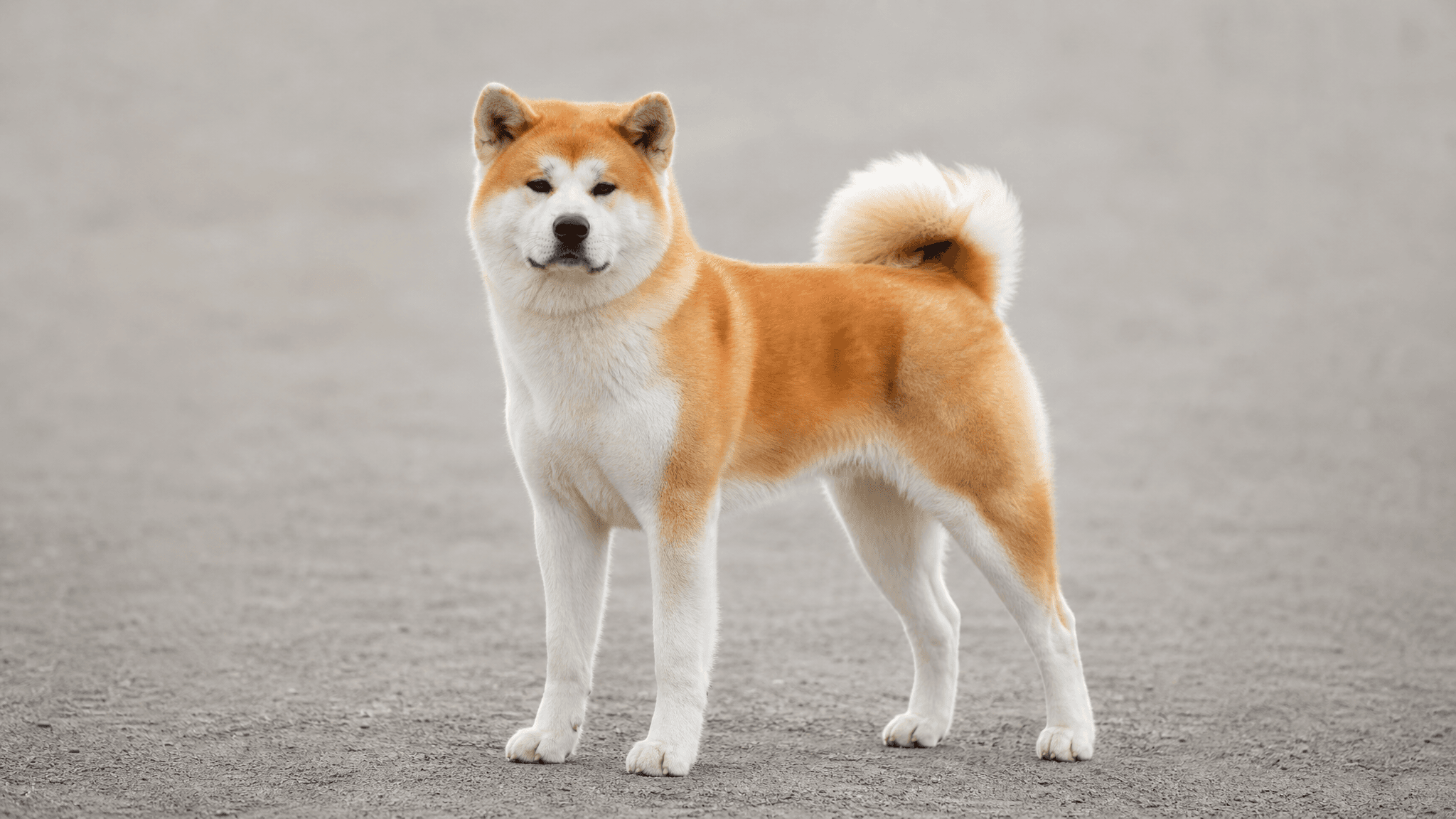
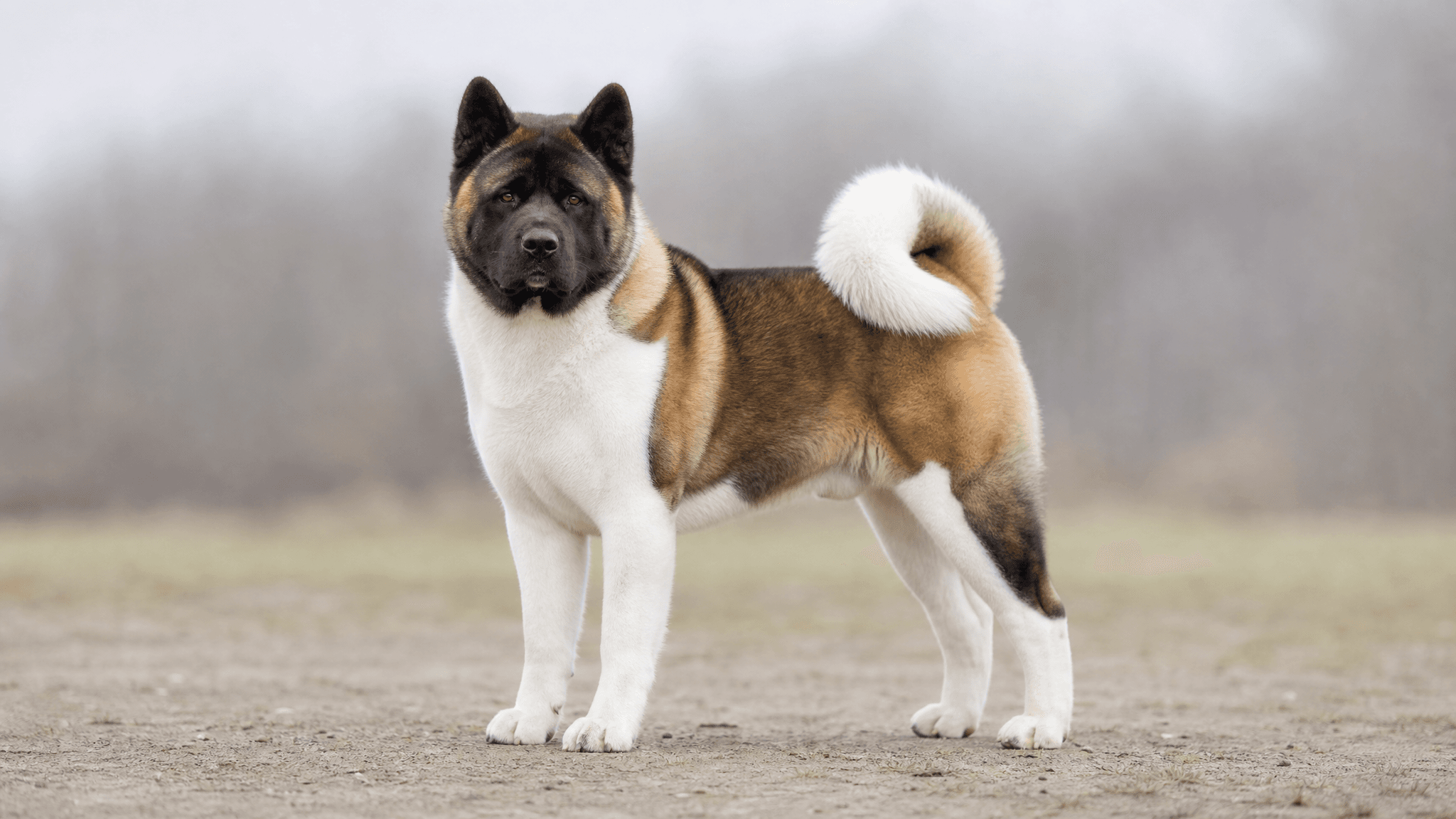
Alaskan Malamute
Summary
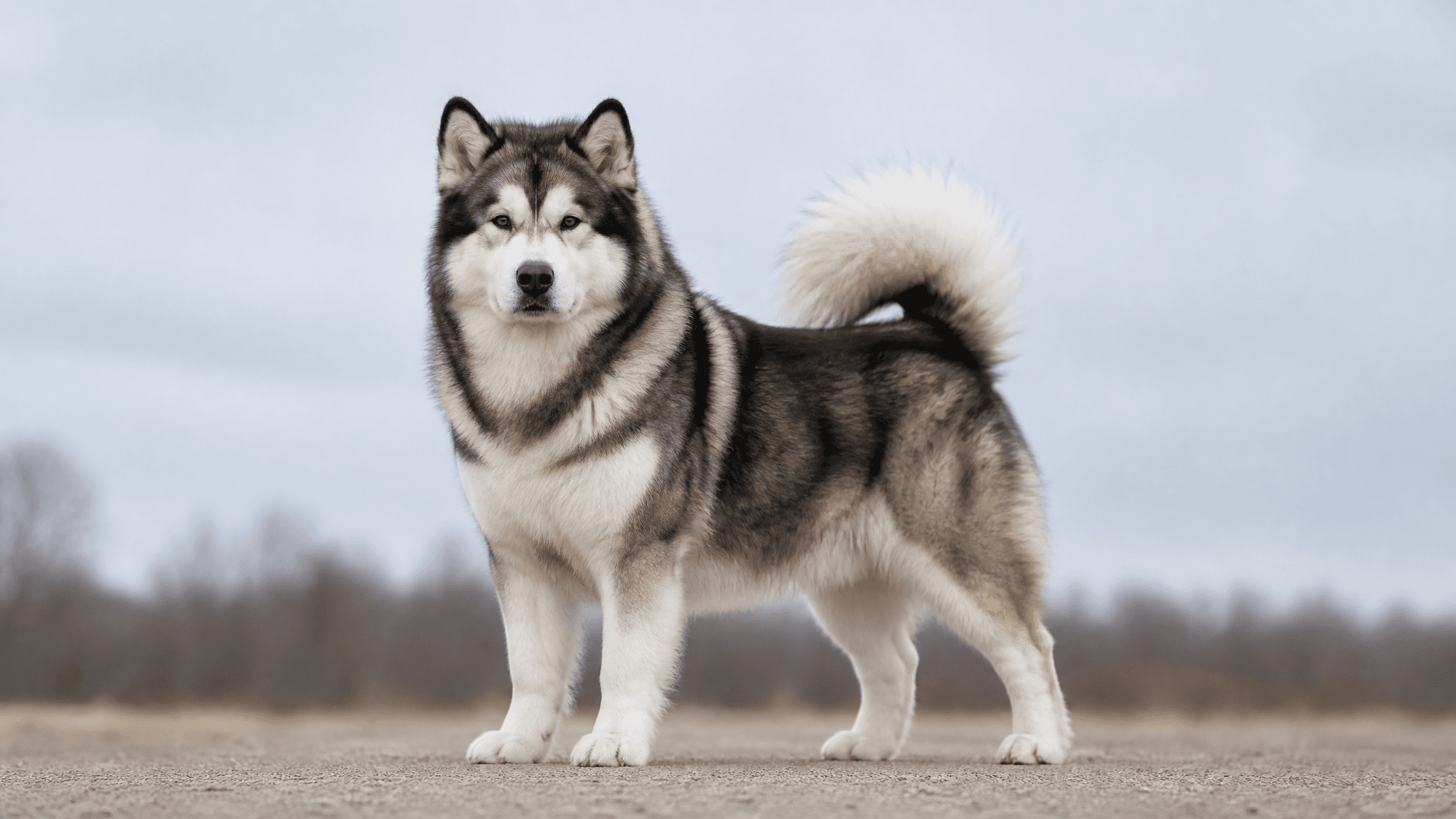
The Alaskan Malamute is one of the oldest Arctic sled dogs, developed by the Mahlemiut people of northwestern Alaska to transport heavy loads over long distances. In contrast to the Siberian Husky, it is larger, more powerful, and designed for strength and endurance rather than speed. It is recognized as the official breed of the state of Alaska.
Physical Characteristics
- Size
- Large
- Height (male)
- 63 cm
- Height (female)
- 58 cm
- Weight (male)
- 38 kg
- Weight (female)
- 34 kg
- Life Expectancy
- 10–14 years
- Coat
- Double and thick; coarse and hard outer coat, dense and oily undercoat
- Common Colors
- Grey with white, black with white, red with white; belly, paws, and parts of the face always white
Temperament & Personality
The Alaskan Malamute is a loyal, affectionate, and outgoing dog that loves being with the family and considers itself an integral part of the group. It is intelligent but stubborn, which can make training challenging for inexperienced owners. It has a distinctive voice and frequently communicates through howls and unique vocalizations. Although friendly with people, it may display dominance with other dogs, especially of the same sex.
Activity & Exercise
- Energy Level
- High
- Recommended Daily Exercise
- 120 minutes
- Suitable for Apartment
- Not recommended
Grooming & Care
- Grooming Needs
- High
- Shedding
- Heavy
- Bathing Frequency
- Every 6–8 weeks
Health
- Common Health Issues
- Chondrodysplasia (hereditary dwarfism)
- Hereditary cataracts
- Hip and elbow dysplasia
- Hypothyroidism
- Polyneuropathy
- Recommended Health Tests
- Chondrodysplasia test
- Eye examination
- Hip and elbow evaluation (OFA)
- Thyroid evaluation
Compatibility
- With Children
- Good
- With Other Dogs
- Moderate
- With Cats
- Can be difficult
- For First-Time Owners
- Not recommended
Is an Alaskan Malamute right for you?
An Alaskan Malamute may suit you if:
- You are eager to provide at least 120 minutes of daily exercise and engaging mental challenges.
- You enjoy outdoor adventures like hiking or sledding, where your Malamute can truly thrive.
- You appreciate a loyal, affectionate, and outgoing companion who considers themselves part of the family.
- You are prepared for the rewarding challenge of training an intelligent but stubborn breed.
- You are ready to commit to high grooming needs and heavy shedding from a thick double coat.
- You can manage a dog with a distinctive voice who loves to communicate through howls and unique vocalizations.
Think twice if:
- You expect a dog that is consistently eager to please and highly biddable in all situations.
- You need a dog that is comfortable being left alone for long periods during the day.
- You have cats or other small pets that may struggle with a dog known to be difficult with felines.
- You are not prepared for a dog with high energy that requires substantial daily physical activity to stay happy and healthy.
- You live in an apartment or do not have a securely fenced outdoor space for a large, active dog.
- You are a first-time dog owner seeking an easy-to-manage puppy or adolescent dog.
Living with an Alaskan Malamute is a unique journey, offering immense loyalty and joy alongside significant responsibilities. They are not for the faint of heart, demanding consistent effort and understanding, but for the right family, they offer an unparalleled bond and a lifetime of adventure.
Training an Alaskan Malamute
Alaskan Malamutes are intelligent and eager to please their family, but their independent spirit and stubborn streak mean training requires patience and consistency. They respond best to positive reinforcement, especially when high-value treats and praise are involved. Keep training sessions short, fun, and engaging to hold their attention. If training becomes repetitive or harsh, a Malamute may become bored, resistant, or simply choose not to cooperate, making progress challenging. Understanding their working dog heritage helps in tailoring effective methods and building a strong, trusting bond.
Begin with:
- attention and response to name
- recall on a long line
- loose-leash walking
- leave it and drop it
- calm greetings
- settling on a mat
- cooperative handling
- waiting at doors and gates
Prey drive and recall
Malamutes possess a strong instinct to chase, a remnant of their sled dog heritage, which can make recall challenging, especially around small animals or moving objects. Their "can be difficult with cats" trait highlights this. Start recall training in a quiet, enclosed area, gradually introducing distractions. Always use a long line in open spaces until their recall is rock-solid, and make coming back to you the most rewarding thing ever.
Consistency is key; never let them practice ignoring you. Make yourself more interesting than the environment, and celebrate their return enthusiastically. You can find more tips in our guide on teaching recall.
Pulling on leash
Given their large size and powerful build, designed for pulling heavy loads, an Alaskan Malamute can easily pull an unprepared handler off their feet. Early and consistent loose-leash training is crucial. Start training in a low-distraction environment, rewarding every step they take with a loose leash. If they pull, stop walking immediately and only resume when the leash slackens.
Use a front-clip harness or a head halter for better control, and reward heavily for walking politely by your side. Avoid letting them practice pulling, as this reinforces the behavior. For detailed steps, refer to our guide on stopping leash pulling.
Boredom and mischief
An Alaskan Malamute with an energy level described as "High" and a need for 120 minutes of daily exercise will quickly become bored and potentially destructive if under-exercised or under-stimulated. They are intelligent and need mental challenges too. Provide plenty of physical activity, like long walks, hikes, or even sledding-like activities, alongside puzzle toys and training games.
Being "outgoing" and loving family, they don't do well left alone for extended periods; this can lead to excessive howling or chewing. Ensure they have appropriate outlets for their energy and intelligence, and consider doggy daycare or a trusted pet sitter if you must be away for long stretches.
Alaskan Malamute — Frequently Asked Questions
Are Alaskan Malamutes good family dogs?
Alaskan Malamutes are loyal, affectionate, and playful — devoted to their family and wonderful with children they've grown up with. However, they're a challenging breed that requires experienced ownership. Their independent, strong-willed nature demands consistent leadership, and their powerful size means they can accidentally bowl over small children. Their high prey drive also makes them unsuitable for homes with cats or small animals. For active families who can meet their needs and provide firm, loving guidance, a Malamute is an extraordinary companion.
How much exercise does an Alaskan Malamute need?
Alaskan Malamutes were bred to haul heavy sleds across arctic distances — their stamina and endurance are extraordinary. They need at least 1.5–2 hours of vigorous daily exercise, plus mental enrichment. They particularly excel at activities that mirror their heritage: pulling sports (bikejoring, canicross, weight pulling), long hikes, and winter activities. Without sufficient exercise, they become destructive, vocal, and difficult. They're not suited to people who just want casual walks; they're working dogs at heart who need a genuine physical outlet.
Do Alaskan Malamutes shed a lot?
Malamutes shed heavily — they have a thick double coat that sheds moderately year-round and explosively twice a year during 'coat blow' season (spring and autumn). During these periods, the volume of fur is genuinely startling. Daily brushing is needed during coat blow; 2–3 times per week otherwise. Undercoat rakes, slicker brushes, and professional de-shedding treatments help manage it. Accept that Malamute fur will be on everything you own during shedding season — it's simply part of the experience.
Are Alaskan Malamutes easy to train?
Malamutes are intelligent but famously independent and stubborn — they were bred to make decisions autonomously in harsh arctic conditions rather than take constant direction. They can learn commands quickly but often choose whether to comply based on their own assessment of the situation. They respond to patient, consistent, positive reinforcement-based training from a confident handler. Harsh methods cause them to shut down completely. Their recall is often unreliable, making secure fencing and on-lead exercise in open areas essential.
Are Alaskan Malamutes good with other dogs?
Malamutes can be good with dogs they've been raised with, but same-sex aggression is common in the breed — particularly between intact males. Their strong prey drive also means small dogs can be at risk. They do best in homes as the only dog or with carefully chosen, opposite-sex companions. Dog parks are generally not recommended. The breed's pack-oriented heritage means they can learn to coexist with dogs they know, but introductions with unknown dogs need very careful management.
What health problems do Alaskan Malamutes have?
Alaskan Malamutes are generally a hardy breed but have several known health concerns. Hip dysplasia is common and health testing of parents is important. Inherited polyneuropathy — a progressive neurological condition causing weakness — is a breed-specific concern for which a DNA test is available. Chondrodysplasia (a form of dwarfism affecting limb development) also has a DNA test. Hereditary cataracts and other eye conditions affect the breed. Bloat (GDV) is a risk given their large size. Hypothyroidism occurs in some lines. Choosing health-tested parents significantly reduces these risks.
Can Alaskan Malamutes live in warm climates?
Malamutes can adapt to warmer climates with careful management, but it requires real effort. Their thick double coat was designed for arctic conditions and retains heat. In warm weather, air conditioning is essential, exercise must happen only in the coolest hours (early morning and late evening), and outdoor time in heat should be limited. Never shave a Malamute — their coat actually insulates against heat as well as cold. Always monitor for signs of overheating and have fresh water constantly available.
How long do Alaskan Malamutes live?
Alaskan Malamutes typically live 10–14 years. Supporting their longevity involves choosing from health-tested breeding lines (especially for polyneuropathy, chondrodysplasia, and hip dysplasia), keeping them appropriately exercised, managing their weight carefully (obesity compounds joint problems), keeping them cool in warm weather, and annual vet check-ups. Their hardy working-dog constitution means a well-cared-for Malamute often ages very gracefully, remaining active and engaged well into their senior years.
Community
Talk to real Alaskan Malamute owners
This guide covers the breed on paper. In the app, the Alaskan Malamute community covers it in real life: photos from other owners, questions answered by people who live with the breed, and a directory of dogs you can browse.
- Photos & pollsSee what Alaskan Malamute owners are sharing today.
- Questions & answersAsk anything and hear from people who own one.
- Dog directoryBrowse Alaskan Malamutes from around the world.
You join automatically when you add a Alaskan Malamute to your profile.