Akita
Summary
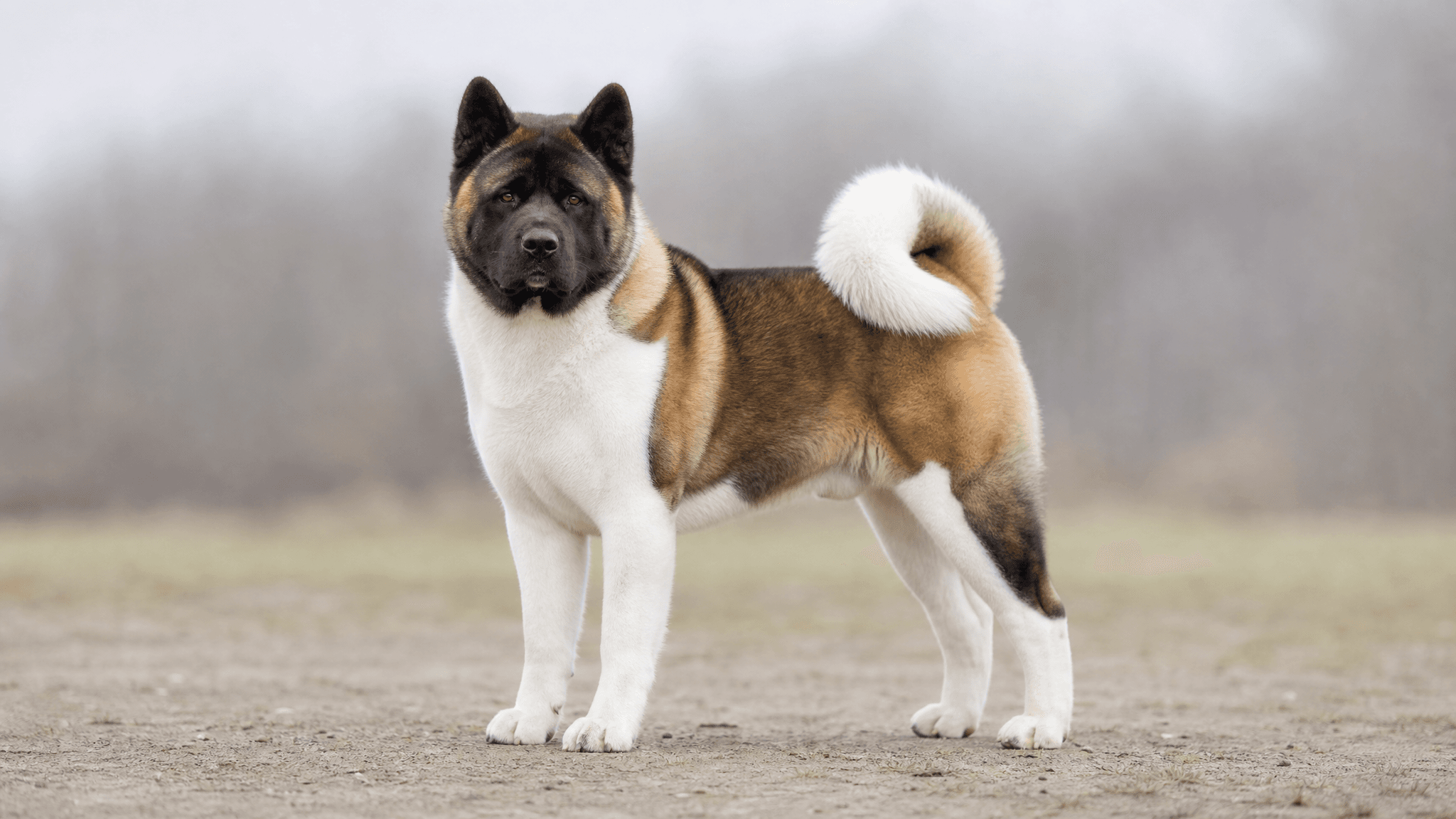
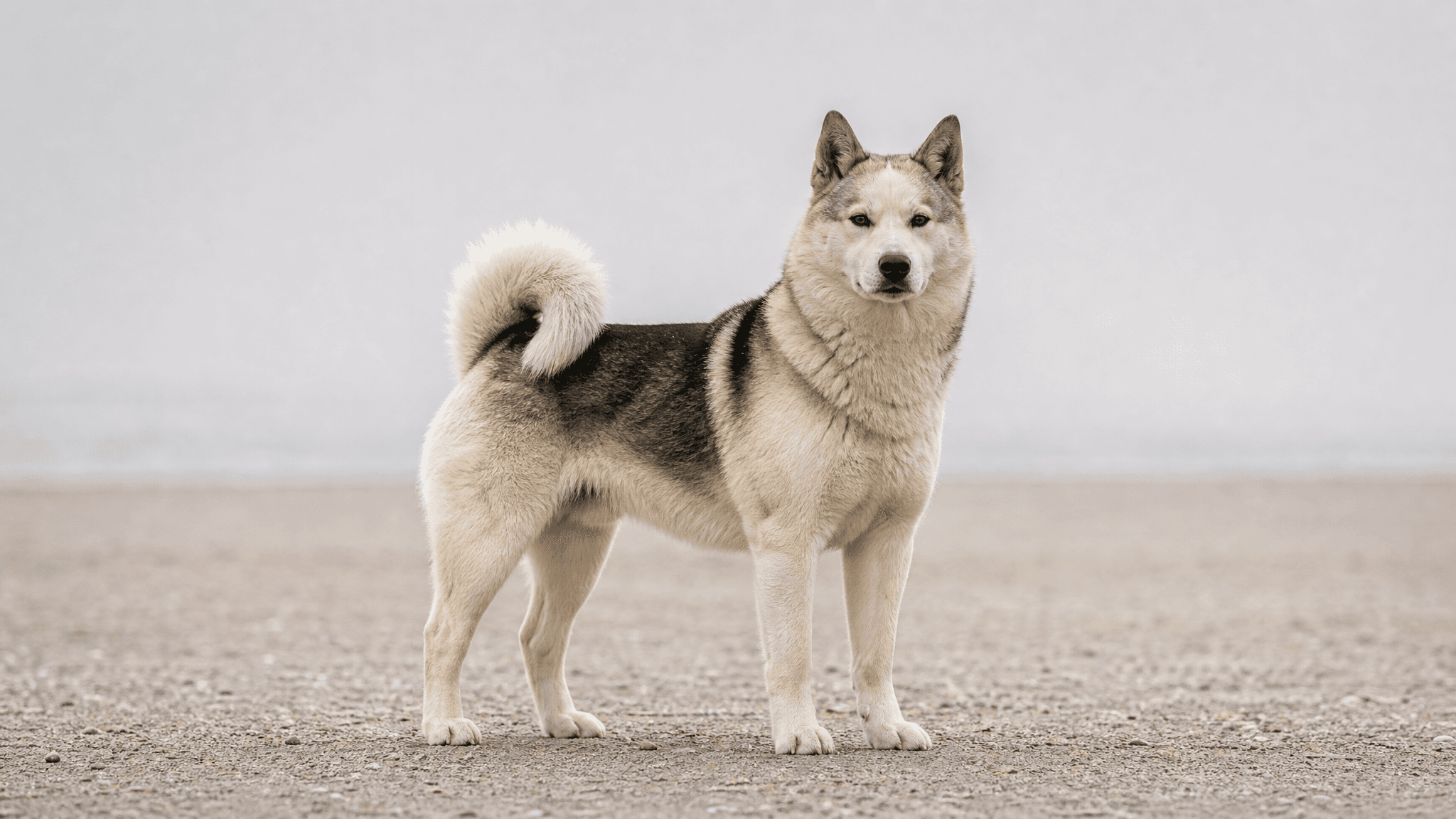
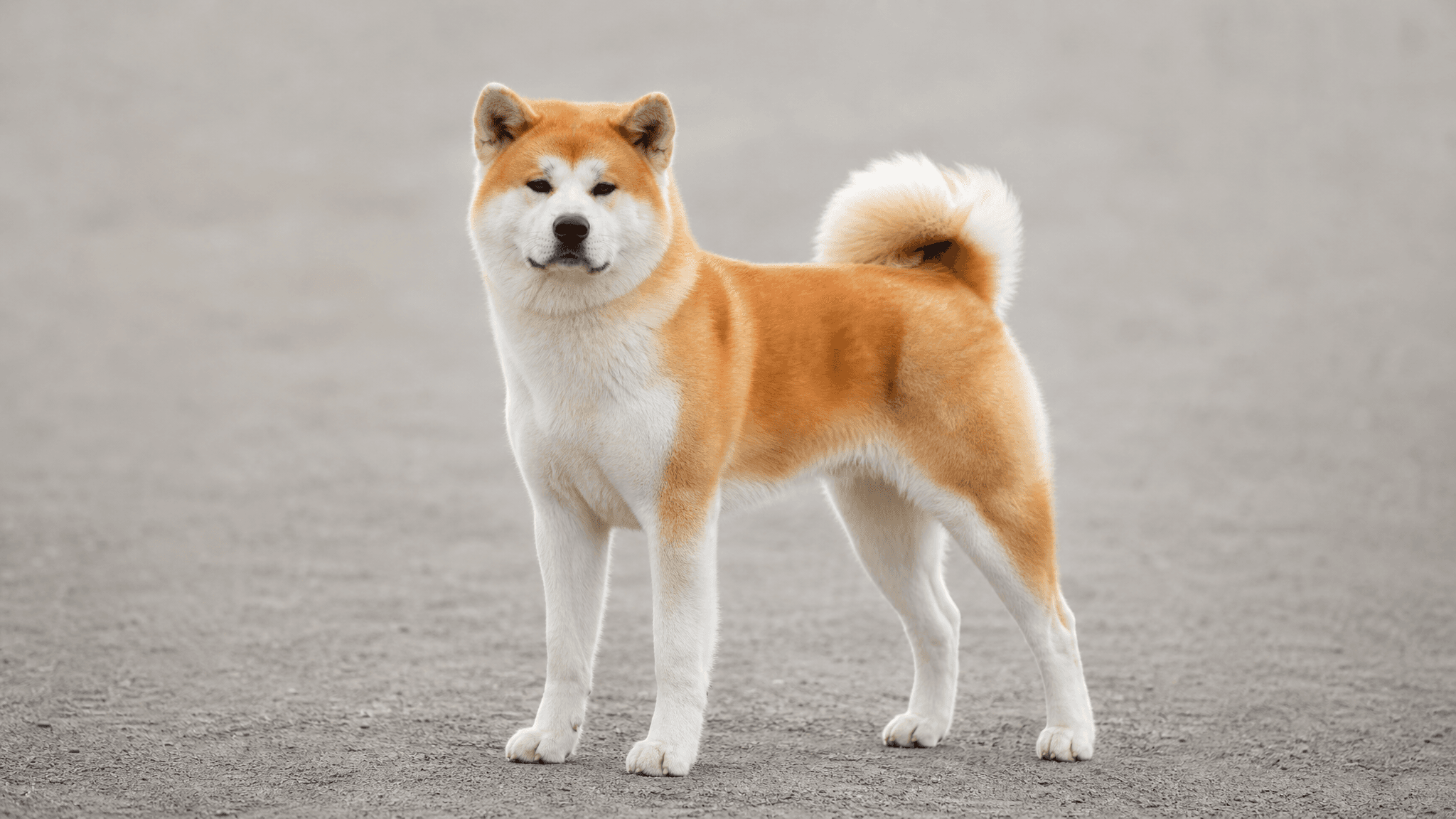
The Akita, or Akita Inu (Japanese breed), is the largest of the Japanese Spitz dogs, originating from the Akita prefecture in northern Japan. Bred to hunt bears, wild boar, and deer, it also became a symbol of loyalty, good health, and long life in Japan. It is one of the six Japanese breeds designated as a Natural Monument of Japan. The Akita is inseparable from the story of Hachiko, the dog that waited for his deceased owner for nine years.
Physical Characteristics
- Size
- Large
- Height (male)
- 64–70 cm
- Height (female)
- 58–64 cm
- Weight (male)
- 40–50 kg
- Weight (female)
- 30–40 kg
- Life Expectancy
- 10–13 years
- Coat
- Double; hard and straight outer coat; soft and dense undercoat
- Common Colors
- Red-fawn, sesame, brindle, white; always with urajiro (white/cream coloring on the underside); no black mask
Temperament & Personality
The Akita is a majestic, courageous, loyal, and territorial dog, with a complex and dignified personality. It is deeply faithful to the family but reserved or suspicious of strangers. It has a dominant temperament and can be aggressive with other dogs, especially of the same sex. It requires early and intensive socialization, as well as an experienced and firm owner who understands the breed's particularities.
Activity & Exercise
- Energy Level
- Moderate
- Recommended Daily Exercise
- 60–90 minutes
- Suitable for Apartment
- Not recommended
Grooming & Care
- Grooming Needs
- Moderate
- Shedding
- Heavy
- Bathing Frequency
- Every 6–8 weeks
Health
- Common Health Issues
- Hip dysplasia
- Hypothyroidism
- Microphthalmia
- Pemphigus (autoimmune skin disease)
- Sebaceous adenitis
- Uveodermatologic syndrome (VKH)
- Recommended Health Tests
- Eye examination
- Hip evaluation
- Sebaceous adenitis screening
- Thyroid evaluation
Compatibility
- With Children
- Moderate
- With Other Dogs
- Can be difficult
- With Cats
- Can be difficult
- For First-Time Owners
- Not recommended
Is an Akita right for you?
An Akita may suit you if:
- You are prepared to provide 60 to 90 minutes of daily exercise and engaging mental challenges for a robust companion.
- You enjoy a loyal, dignified companion who will form a deep bond with your family and thrive on shared adventures.
- You appreciate a majestic and courageous dog with a dignified, complex personality that is deeply faithful to its family.
- You are committed to consistent, firm, and early socialization and training to shape a well-mannered Akita.
- You are ready for moderate grooming, including regular brushing, to manage a dense double coat and heavy shedding.
- You are willing to manage a naturally dominant and territorial temperament, especially around other dogs or strangers.
Think twice if:
- You expect a dog that is highly biddable and always eager to please, as Akitas possess an independent spirit.
- You frequently leave your dog alone for long periods, as Akitas thrive on companionship and can develop separation anxiety.
- You have other dogs or small children and are not prepared for careful management and supervision.
- You are unwilling to commit to daily exercise of 60 to 90 minutes or regular grooming for their heavy shedding coat.
- You live in an apartment or lack a securely fenced yard, as Akitas are large and require ample space to thrive.
- You are not prepared for the strength and robust handling required for a large, powerful dog with a strong will.
The Akita is a truly magnificent breed, offering unparalleled loyalty and a deep bond to their chosen family. However, their independent nature and strong protective instincts mean they are not for the faint of heart or first-time owners. Living with an Akita is a commitment to consistent guidance, thoughtful socialization, and understanding their unique, dignified spirit. When matched with the right person, the rewards are immense, but it requires dedication to truly unlock their potential.
Training an Akita
Akitas are incredibly intelligent and deeply loyal, but they possess a strong, independent spirit that shapes their learning style. They respond best to positive reinforcement, high-value rewards, and short, engaging training sessions that keep their keen minds stimulated without becoming repetitive. Consistency and fairness are paramount; harsh corrections or inconsistent handling will quickly lead to stubbornness, distrust, and a proud refusal to cooperate from these dignified dogs. An experienced owner who understands their complex personality will find a devoted companion ready to learn.
Begin with:
- Attention and response to name around distractions
- Recall on a long line
- Loose-leash walking
- Leave it and drop it
- Calm greetings without jumping
- Settling on a mat or bed
- Cooperative handling for grooming, ears, feet and teeth
- Waiting at doors and gates
Prey Drive and Reactivity
Akitas were originally bred to hunt large game, and this strong prey drive means they can be easily distracted by small animals or even fast-moving objects. Their dominant nature also means they can be difficult with other dogs, especially those of the same sex. Early and intensive socialization is crucial, but even with this, always supervise interactions and be prepared to manage their environment. Keep your Akita on a leash in unfenced areas, and practice reliable recall in a secure space, gradually introducing distractions.
When encountering other dogs, particularly unfamiliar ones, be proactive in creating distance if you sense tension. Focus on positive experiences with calm, well-socialized dogs, but understand that not every dog will be a suitable playmate for your Akita. Consistent, calm leadership from you will help your Akita feel secure and less inclined to react.
Controlling Leash Pulling
Given their large size (males 40-50 kg, females 30-40 kg) and significant strength, an Akita pulling on the leash can be a real challenge for any owner. It's essential to start loose-leash walking training from a young age and be incredibly consistent. Use a front-clip harness or head halter for better control, and always reward your Akita for walking calmly by your side. Remember, their power means you need to be physically prepared and have a clear training plan.
Patience and consistency are key. If your Akita pulls, stop walking until the leash loosens, then continue. Never engage in a pulling match. For more detailed guidance, check out our guide on stopping leash pulling to help build good habits from the start.
Preventing Boredom Behaviors
Akitas have a moderate energy level and require 60–90 minutes of daily exercise to stay happy and well-adjusted. Without enough physical activity and mental stimulation, these intelligent dogs can become bored, leading to destructive behaviors like chewing, digging, or excessive barking. They thrive on being part of the family unit and are not suited to being left alone for long periods or confined to an apartment.
Ensure your Akita receives their recommended daily exercise, incorporating varied activities like walks, playtime, and training sessions. Provide engaging puzzle toys and rotate them to keep things fresh. Akitas are deeply loyal to their family and need to feel included; regular interaction and a stimulating environment are crucial to prevent boredom and related behavioral issues.
Akita — Frequently Asked Questions
Are Akitas good family dogs?
Akitas can be wonderful family dogs in the right hands, but they're not suited to every household. Fiercely loyal and deeply devoted to their own family, they bond intensely with their people — but this loyalty can translate into suspicion or protectiveness around strangers and other animals. In families with older children who understand calm, respectful interaction, an Akita is a dignified, loving presence. They're not recommended for first-time dog owners; they need confident, experienced handling.
Are Akitas aggressive?
Akitas are not inherently aggressive, but they are a naturally dominant, independent breed with a strong protective instinct. Without proper socialisation from early puppyhood, they can become wary of strangers and reactive toward other dogs — particularly dogs of the same sex. A well-socialised, well-trained Akita is calm, confident, and controlled. The breed requires an owner who understands canine body language and can read situations before they escalate. They are not a breed to leave with unknown children or dogs unsupervised.
How much exercise does an Akita need?
Akitas need moderate but consistent daily exercise — typically 1–1.5 hours split across two walks. They're not as high-energy as herding or sporting breeds, but they're large, powerful dogs who become restless and potentially destructive without adequate activity. They enjoy walks, off-leash time in a securely fenced area, and mental stimulation through training. They generally do not do well at dog parks due to their low tolerance for strange dogs, so exercise should be planned accordingly.
Are Akitas easy to train?
Akitas are intelligent but notoriously independent thinkers — they learn quickly but do not perform for the sake of pleasing you the way a Labrador might. They respond to firm, consistent, positive-based training from a confident handler who earns their respect. Harsh methods backfire badly with Akitas. Early obedience training and ongoing mental engagement are essential. Their independent nature means they sometimes choose not to comply with commands they consider pointless — which is why an experienced owner is so important.
What health problems do Akitas have?
Akitas are prone to several conditions. Hip and elbow dysplasia are common in the breed. Autoimmune conditions — including autoimmune thyroiditis (hypothyroidism), Vogt-Koyanagi-Harada (VKH) syndrome affecting the eyes and skin, and immune-mediated diseases — are notably elevated in Akitas. Progressive Retinal Atrophy (PRA) affecting eyesight is seen. Bloat (gastric dilatation-volvulus) is a risk in this deep-chested breed. Skin conditions including pemphigus foliaceus also occur. Health testing of parents (hips, elbows, eyes, thyroid) is important when choosing a puppy.
Do Akitas shed a lot?
Akitas are heavy shedders year-round and 'blow' their undercoat dramatically twice a year — during spring and autumn coat changes, the shedding is genuinely prolific. Regular brushing (2–3 times a week normally, daily during coat blow) significantly reduces loose hair around the house. Despite the heavy shedding, their double coat is relatively self-cleaning and they don't require frequent baths — every 6–8 weeks is typically sufficient. Grooming tools like an undercoat rake and slicker brush are essential kit for Akita owners.
How long do Akitas live?
Akitas typically live 10–13 years. Their longevity is best supported by choosing from health-tested breeding lines, managing their susceptibility to autoimmune diseases (regular thyroid checks), maintaining a healthy weight, avoiding over-vaccination which can trigger immune responses, and annual vet check-ups. Their diet should be high quality and portion-controlled — obesity worsens joint and metabolic conditions. With excellent care, many Akitas reach their early to mid-teens in good health.
Are Akitas good with other dogs?
Akitas have a low tolerance for other dogs as a general rule — especially dogs of the same sex. They were historically used as fighting dogs in Japan, and same-sex aggression is a well-documented breed trait. Well-socialised Akitas can learn to coexist calmly with dogs they've grown up with, but introducing new dogs as adults requires careful, slow management. Dog parks are not appropriate for most Akitas. Experienced owners who understand the breed's limitations can navigate multi-dog households successfully with the right setup.
Community
Talk to real Akita owners
This guide covers the breed on paper. In the app, the Akita community covers it in real life: photos from other owners, questions answered by people who live with the breed, and a directory of dogs you can browse.
- Photos & pollsSee what Akita owners are sharing today.
- Questions & answersAsk anything and hear from people who own one.
- Dog directoryBrowse Akitas from around the world.
You join automatically when you add a Akita to your profile.