Greenland Dog
Summary
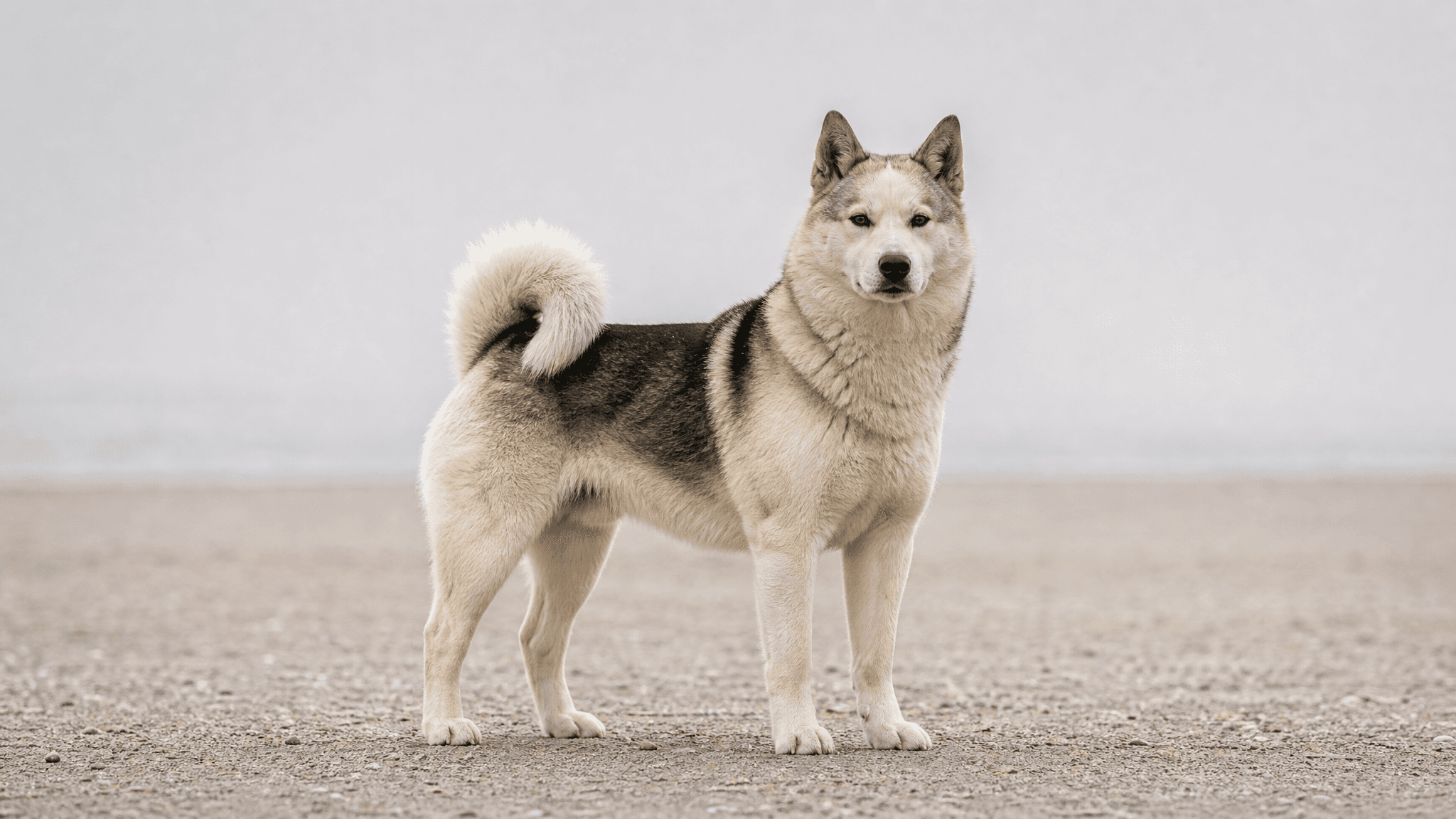
The Greenland Dog is one of the oldest and purest sled dogs in the world, with a history of at least 4,000 years alongside human populations of the Arctic. Designed to pull heavy sleds in extreme conditions and to hunt polar bears and seals, it maintains a very primitive and independent character. It continues to be actively used in Greenland as a means of transportation and hunting in remote areas.
Physical Characteristics
- Size
- Large
- Height (male)
- 60–68 cm
- Height (female)
- 53–61 cm
- Weight (male)
- 34–47 kg
- Weight (female)
- 27–41 kg
- Life Expectancy
- 10–13 years
- Coat
- Double and dense; smooth and coarse outer coat, soft undercoat
- Common Colors
- Any color is permitted, except merle; white, red, fawn, grey, and black are common
Temperament & Personality
The Greenland Dog is a working dog with a courageous, energetic, and independent temperament. Although friendly with people in general, it does not form strong bonds with a single owner and is not suitable as a domestic guard dog. It is very pack-oriented and frequently expresses itself through howls rather than barks. In a domestic environment, it requires early and intensive socialization.
Activity & Exercise
- Energy Level
- Very high
- Recommended Daily Exercise
- 120–180 minutes
- Suitable for Apartment
- Not recommended
Grooming & Care
- Grooming Needs
- Moderate
- Shedding
- Heavy
Health
- Common Health Issues
- Generally very robust breed
- Hip dysplasia
- Recommended Health Tests
- Hip evaluation
Compatibility
- With Children
- Moderate
- With Other Dogs
- Can be difficult
- With Cats
- Not recommended
- For First-Time Owners
- Not recommended
Is a Greenland Dog right for you?
A Greenland Dog may suit you if:
- You can commit to providing 2 to 3 hours of vigorous daily exercise, including activities like sledding or skijoring.
- You enjoy an active, outdoor lifestyle and are looking for a robust companion for adventures in challenging environments.
- You appreciate a courageous, independent spirit and understand that a strong bond with a pack-oriented dog takes time.
- You are prepared for early and intensive socialization, along with consistent, positive reinforcement training from a young age.
- You are ready for moderate grooming, especially during heavy shedding periods, to maintain their dense double coat.
- You are willing to manage a dog with a strong prey drive and an independent nature rooted in its ancient heritage.
Think twice if:
- You expect unwavering obedience or a strong desire to please, as their independent nature often prioritizes their own instincts.
- You have a routine that leaves a dog alone for long periods, as their high energy and pack drive require constant engagement.
- You have cats or small pets, or expect them to be immediately compatible with all other household animals or young children.
- You are unwilling to dedicate 2-3 hours daily to vigorous exercise or manage their heavy shedding with regular grooming.
- You live in an apartment or cannot provide a securely fenced outdoor space where they can expend their considerable energy.
- You are a first-time dog owner or unprepared for the consistent, firm guidance a large, independent breed requires.
The Greenland Dog is a magnificent, ancient breed, but they are not for everyone. Their independent spirit and immense energy require an owner dedicated to their working heritage and extensive exercise needs. While friendly, they thrive on purpose and a pack environment, offering a unique bond to those who truly understand and embrace their primitive nature.
Training a Greenland Dog
Greenland Dogs are intelligent, independent learners who thrive on purpose and consistency. Their primitive nature means they are motivated by engaging tasks that tap into their natural drives, rather than simply pleasing a single owner. Training sessions should be short, fun, and highly rewarding, focusing on positive reinforcement to build a strong working relationship. If training lacks clarity, consistency, or engagement, these dogs, with their strong will, will quickly become bored or choose to follow their own instincts, making progress challenging.
Begin with:
- Attention and response to name around distractions
- Recall on a long line
- Loose-leash walking
- Leave it and drop it
- Calm greetings without jumping
- Settling on a mat or bed
- Cooperative handling for grooming, ears, feet and teeth
- Waiting at doors and gates
Recall and prey drive
The Greenland Dog's heritage as a hunter of polar bears and seals means they possess an incredibly strong prey drive, making off-leash recall a significant challenge. It's crucial to always manage this instinct by keeping your dog on a leash or in securely fenced areas, especially during the early stages of training. Dedicate consistent effort to teaching a rock-solid recall, starting in low-distraction environments and gradually increasing the difficulty. Use high-value rewards and make coming back to you the most exciting thing in the world. Consider using a long line during outdoor training to allow some freedom while maintaining safety, and practice a strong 'leave it' command for moving objects like squirrels or birds. For more detailed guidance, check out our guide on teaching recall.
Leash pulling strength
Given their large size and history of pulling heavy sleds, Greenland Dogs are naturally very strong and can become formidable leash pullers if not taught otherwise. Start loose-leash walking training from the very first day you bring your dog home, using a comfortable, well-fitting harness that discourages pulling. Reward every step taken on a slack leash, making it clear that walking politely by your side earns them good things. If your dog pulls, stop walking immediately and only resume when the leash is loose again. Consistency is key, and regular practice on your daily 120-180 minutes of exercise will reinforce good habits. You can find more tips in our article on stopping leash pulling.
Unmet needs and howling
Greenland Dogs have very high energy levels and a primitive, independent temperament, meaning they require extensive physical exercise and mental stimulation. Without their recommended 120-180 minutes of daily activity and engaging tasks, they can become bored, destructive, or express their frustration through their characteristic howls. Ensure your dog has plenty of opportunities for vigorous exercise, such as long hikes or sledding (if appropriate for your climate), and incorporate puzzle toys or training sessions to challenge their minds. Avoid leaving them alone for extended periods, as their pack-oriented nature can lead to distress and vocalization.
Greenland Dog — Frequently Asked Questions
What is the Grønlandshund (Greenland Dog)?
The Grønlandshund, or Greenland Dog, is a truly magnificent and ancient breed, hailing directly from Greenland! As one of the oldest and purest sled dogs in the world, their history stretches back at least 4,000 years, living alongside the human populations of the Arctic. They belong to FCI Group 5, known as Nordic Sledge Dogs, a testament to their incredible working heritage. These large, powerful dogs are defined by their primitive and independent character, originally bred to pull heavy sleds through extreme conditions and even assist in hunting polar bears and seals. They are truly a living piece of Arctic history!
What was the Grønlandshund (Greenland Dog) originally bred for?
These incredible dogs were originally bred for a very specific and demanding purpose: to be indispensable working partners in the harsh Arctic environment. For at least 4,000 years, they have served as the primary means of transportation and survival for the indigenous people of the Arctic. Their robust build and unwavering stamina were essential for pulling heavy sleds over vast, icy terrains in extreme conditions. Beyond transportation, they were also skilled hunters, assisting in tracking and bringing down large game like polar bears and seals. Even today, in remote areas of Greenland, they continue to be actively used for hunting and as a vital means of transportation, showcasing their enduring legacy.
How much exercise does a Grønlandshund (Greenland Dog) need?
Oh, the Grønlandshund has an incredibly high energy level and needs a lot of activity to thrive! Remember, these are powerful working dogs, so they truly flourish when given ample opportunity to expend their energy. We recommend providing them with a substantial amount of exercise daily, typically between 120 to 180 minutes. This isn't just a casual stroll; they need vigorous activities like long runs, hiking, or even pulling a cart or sled if you have the means. Without sufficient exercise, they can become bored and restless, so be prepared for an active lifestyle if you welcome a Greenland Dog into your home!
Is the Grønlandshund (Greenland Dog) a good family dog?
While generally friendly with people, the Grønlandshund is a very pack-oriented working dog with a primitive and independent character, which means they don't typically form strong bonds with a single owner in the same way some other breeds do. They aren't suited as domestic guard dogs. For families, especially those with children or other pets, early and intensive socialization is absolutely crucial. They can coexist well within a family unit, particularly if they have a clear role and consistent training, but their independent nature means they require an experienced owner who understands their unique needs and ensures they are well-integrated into the household from a young age.
Is the Grønlandshund (Greenland Dog) easy to train?
Training a Grønlandshund requires patience, consistency, and a deep understanding of their independent and courageous temperament. While intelligent, their primitive nature means they are not always eager to please in the way some other breeds are. They are very much their own dog! Early and intensive socialization is paramount to help them adapt to a domestic environment and learn appropriate behaviors. Positive reinforcement methods work best, but expect to be consistent and firm, as their independent streak can make them challenging. They thrive with owners who appreciate their unique spirit and are committed to ongoing training and mental stimulation.
What health issues are common in the Grønlandshund (Greenland Dog)?
The Grønlandshund is generally a very robust and hardy breed, a testament to their long history of natural selection in extreme environments. They are known for their resilience! However, like many large breeds, they can be predisposed to certain health concerns. The primary documented health issue to be aware of in the Grønlandshund is hip dysplasia. Responsible breeders will screen their dogs for this condition to help maintain the health of the breed. Regular veterinary check-ups and a healthy lifestyle, including proper nutrition and exercise, are always important to help keep your Greenland Dog happy and thriving for years to come.
What is the Grønlandshund (Greenland Dog)'s coat like and how much grooming does it need?
The Grønlandshund is built for the extreme Arctic, so you can imagine they boast a wonderfully dense, protective double coat designed to keep them warm and dry in the harshest conditions! This thick outer coat and soft, insulating undercoat are essential for their survival in their native environment. While they are not high-maintenance in terms of fancy styling, they do require regular grooming, especially during seasonal shedding periods. Brushing them several times a week, and even daily during heavy shedding, will help manage loose fur, prevent matting, and keep their coat healthy and functional. It's a small price to pay for such a magnificent, weather-proof companion!
What is the typical lifespan of a Grønlandshund (Greenland Dog)?
It's wonderful to think about the many years you could share with a Grønlandshund! These robust and resilient dogs typically enjoy a good, long life. You can generally expect a Grønlandshund to live between 10 to 13 years. Providing them with excellent care, including a high-quality diet, plenty of exercise, regular veterinary check-ups, and a loving environment, will help ensure your magnificent companion stays healthy and happy throughout their lifespan. They truly are a testament to natural hardiness and make for incredibly loyal and enduring companions.
Community
Talk to real Greenland Dog owners
This guide covers the breed on paper. In the app, the Greenland Dog community covers it in real life: photos from other owners, questions answered by people who live with the breed, and a directory of dogs you can browse.
- Photos & pollsSee what Greenland Dog owners are sharing today.
- Questions & answersAsk anything and hear from people who own one.
- Dog directoryBrowse Greenland Dogs from around the world.
You join automatically when you add a Greenland Dog to your profile.