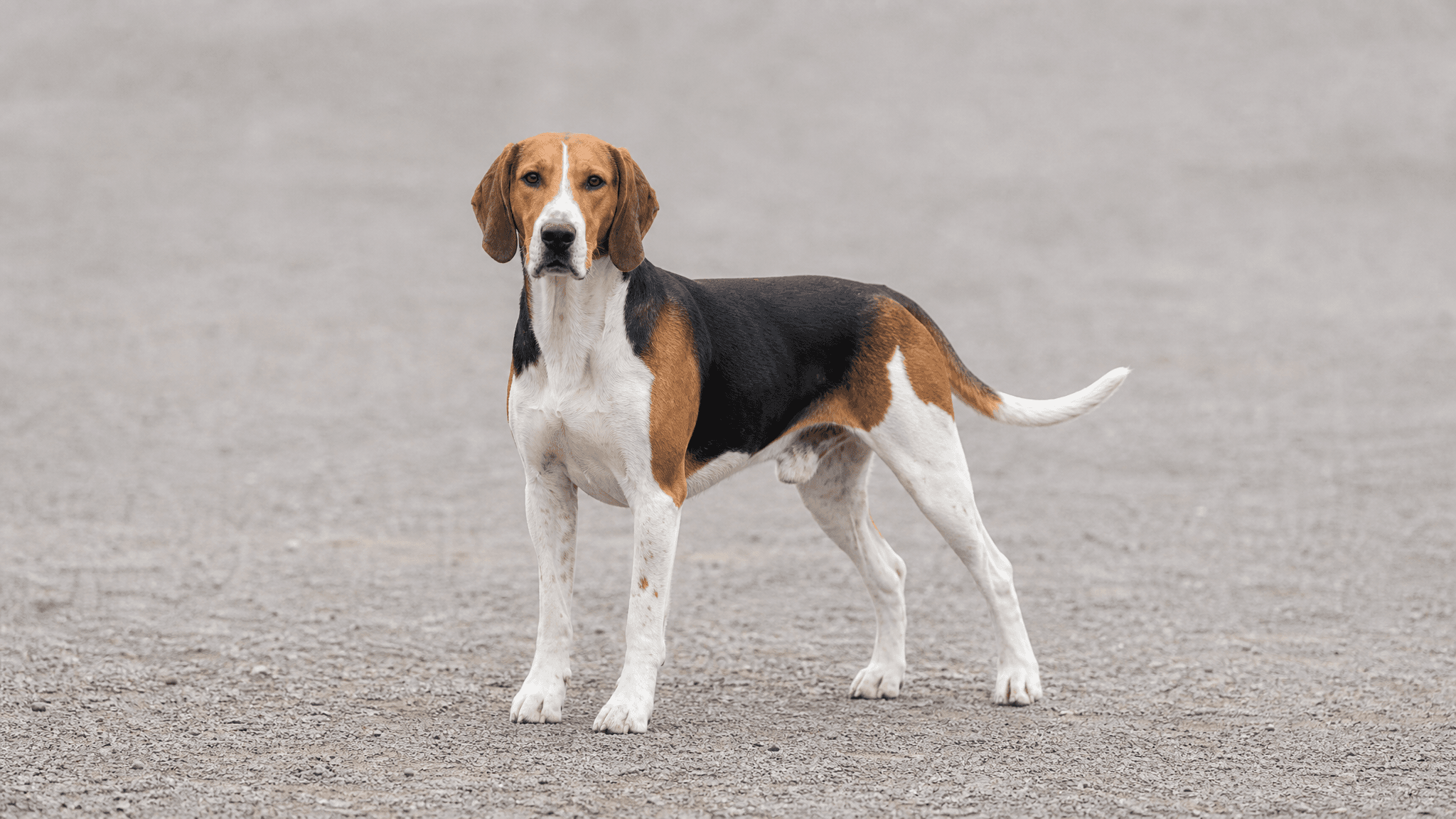
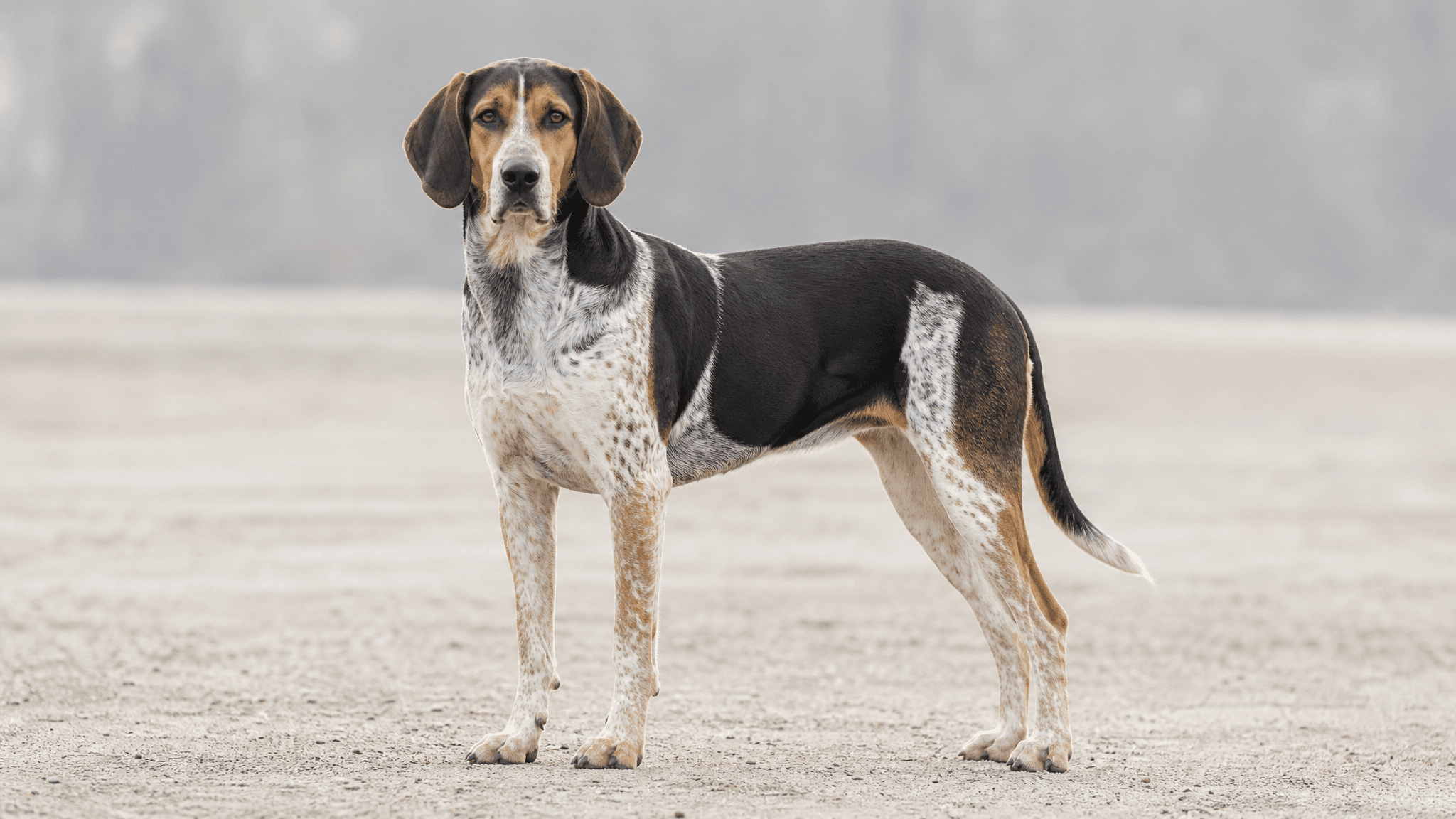
Otterhound
Summary
The Otterhound is an ancient British breed, developed specifically for otter hunting in rivers and lakes. With a waterproof double coat, interdigital webbing, and an exceptional ability to track scents in water, it is one of the most specialized dog breeds in the world. After the ban on otter hunting in England in 1978, the breed entered severe decline and is today considered one of the most endangered in the world, with fewer than 600 estimated specimens.
Physical Characteristics
- Size
- Large
- Height (male)
- 60–70 cm
- Height (female)
- 58–65 cm
- Weight (male)
- 36–54 kg
- Weight (female)
- 29–45 kg
- Life Expectancy
- 10–13 years
- Coat
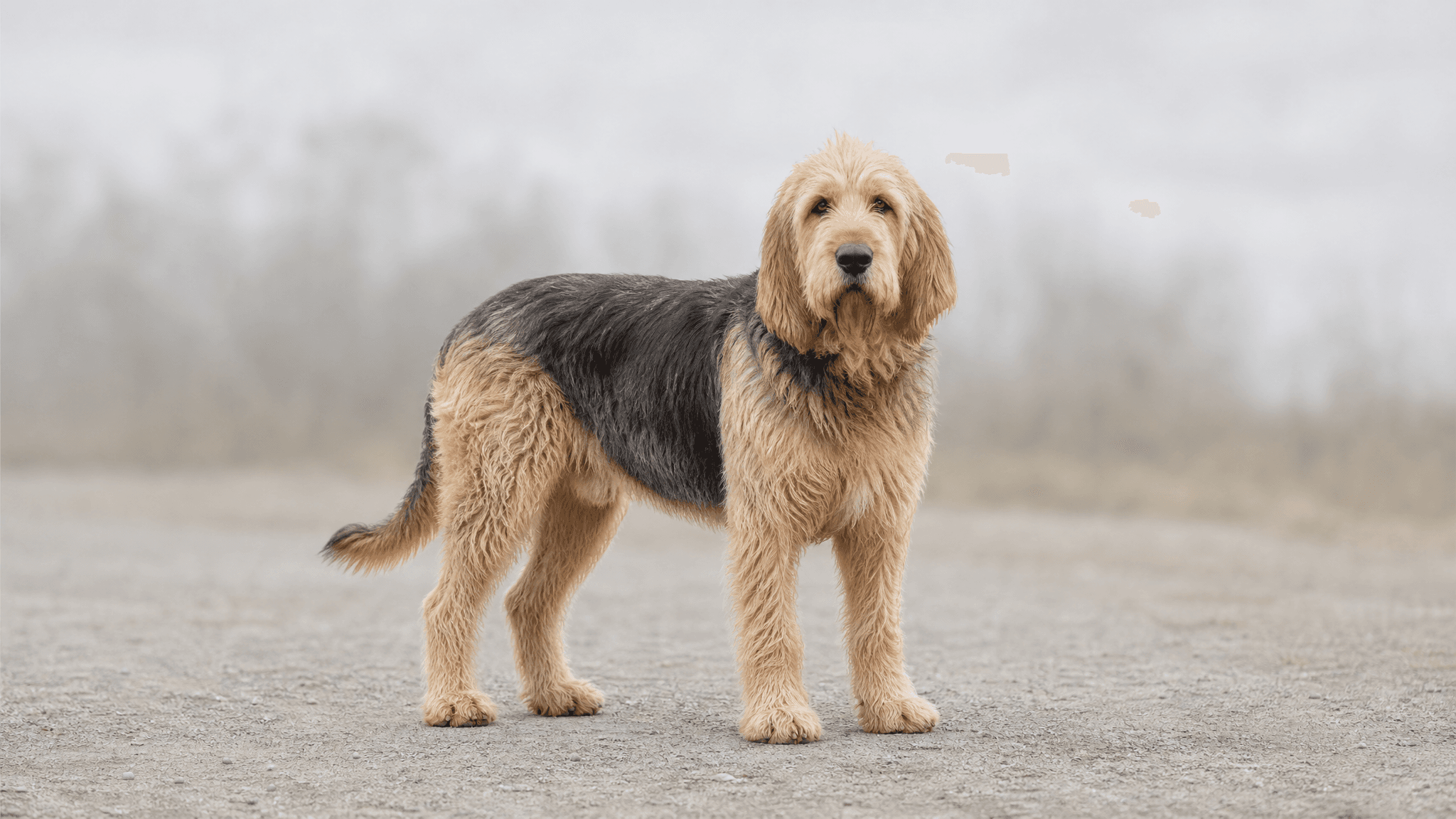
- Double — woolly and waterproof undercoat; rough and dense outer coat
- Common Colors
- All hound colors; tricolor, sandy, tan, grizzle
Temperament & Personality
The Otterhound is a jovial, friendly, and affectionate dog, with an exuberant personality and an insatiable appetite for activity. It is very sociable with people and other dogs, and has a clownish personality that enchants its owners. However, it is stubborn and difficult to train outside of hunting contexts.
Activity & Exercise
- Energy Level
- High
- Recommended Daily Exercise
- 90–120 minutes
- Suitable for Apartment
- Not recommended
Grooming & Care
- Grooming Needs
- Moderate to high
- Shedding
- Moderate
- Bathing Frequency
- Every 6–8 weeks
Health
- Common Health Issues
- Epilepsy
- Hemophilia A
- Hip dysplasia
- Thrombocytopenia (hereditary platelet disorder)
- Recommended Health Tests
- Coagulation test
- Genetic test for thrombocytopenia
- Orthopedic evaluation
Compatibility
- With Children
- Excellent
- With Other Dogs
- Excellent
- With Cats
- Moderate
- For First-Time Owners
- Not recommended
Is an Otterhound right for you?
An Otterhound may suit you if:
- You can commit to providing 90 to 120 minutes of vigorous exercise daily, including plenty of swimming and outdoor adventures.
- You enjoy an active, outdoor lifestyle that includes water activities and exploring new scents with your canine companion.
- You appreciate a friendly, clownish, and exuberant companion who loves to be part of all family activities.
- You are prepared to invest consistent, patient, and creative training to manage a stubborn but affectionate personality.
- You are willing to provide regular grooming for a shaggy, waterproof double coat to keep it healthy and free of mats.
- You are ready to manage a powerful nose that will lead your dog on exciting scent-tracking adventures, especially near water.
Think twice if:
- You expect a highly obedient dog who will always follow commands without question, as their independent nature can be challenging.
- You have a quiet, sedentary lifestyle or frequently leave your dog alone for long periods, as they thrive on companionship and activity.
- You are unwilling to supervise interactions with smaller household pets, as their strong prey drive might be a concern with cats.
- You are unable to commit to 90 to 120 minutes of daily vigorous exercise or regular grooming for their unique coat.
- You live in an apartment or do not have a securely fenced outdoor space to accommodate a large, active scent hound.
- You are a first-time dog owner looking for an easy-to-manage puppy, as their boisterous adolescence requires experienced guidance.
Living with an Otterhound is a unique adventure, blending the joy of a goofy, affectionate companion with the challenge of a strong-willed, high-energy scent hound. Their clownish nature and deep loyalty are incredibly rewarding, but they truly thrive with an owner who understands and embraces their need for activity, mental stimulation, and patient, consistent guidance. It's a commitment that offers immense love in return.
Training an Otterhound
Your Otterhound is a jovial and active companion, learning best through positive reinforcement and engaging, short training sessions. Their strong scent drive means they're always keen to explore, so harness this natural curiosity by making training a fun game. Keep sessions brief and upbeat, rewarding their efforts with tasty treats and praise. If training becomes repetitive or harsh, their inherent stubbornness, a trait of this intelligent breed, will likely surface, causing them to disengage. Patience and consistency are key to building a strong bond and ensuring they remain enthusiastic learners throughout their 10-13 year lifespan.
Begin with:
- Responding to name around distractions
- Recall on a long line
- Loose-leash walking
- Leave it and drop it
- Calm greetings without jumping
- Settling on a mat or bed
- Cooperative handling for grooming
- Waiting at doors and gates
Scent Drive and Recall
Otterhounds are true scent hounds, developed for tracking in challenging environments, and their nose will often lead them astray! This exceptional ability to track scents means that once they're on a trail, recalling them can be a significant challenge. Start recall training in a quiet, enclosed space with minimal distractions, making coming back to you the most exciting and rewarding thing ever. Gradually introduce more distractions, always ensuring success.
Practice consistently with a long line in varied environments to give them some freedom to explore safely while you reinforce their recall. Remember, their hunting instinct is incredibly strong, so you'll need to be more interesting than the most enticing smell. For more tips, check out our guide on teaching recall.
Pulling on the Leash
With their large size and high energy level, an Otterhound can be quite a strong puller on the leash. They have an insatiable appetite for activity and want to explore everything their powerful nose discovers. Loose-leash walking is a crucial skill to teach early and consistently. Start in a low-distraction area, rewarding every moment the leash is slack.
Consider using a front-clip harness, which can help redirect their pulling motion without causing discomfort. Consistency is vital; every walk is a training opportunity. If your Otterhound learns that pulling gets them where they want to go, it will be harder to break the habit. For detailed steps, refer to this guide to stopping leash pulling.
Boredom and Destructive Behavior
Otterhounds are high-energy dogs requiring 90-120 minutes of exercise daily, and they are not recommended for apartment living. If under-exercised, under-stimulated, or left alone for extended periods, their jovial nature can turn into destructive chewing, digging, or excessive barking. They need both physical exertion and mental engagement to thrive.
Ensure they get plenty of varied exercise, including opportunities for scent work and exploration in safe, secure areas. Provide puzzle toys, rotate their toys regularly, and consider enrolling them in scent-based activities or dog sports. If you notice signs of stress when left alone, like excessive vocalization or destructive habits, it's a sign they need more engagement or help coping. Understanding signs of stress can help you address their needs.
Otterhound — Frequently Asked Questions
What is the Otterhound?
The Otterhound is a truly unique and ancient British breed, originating from the United Kingdom and belonging to the FCI Group 6 as a large-sized hound. These wonderful dogs are renowned for their specialized characteristics, including a waterproof double coat and interdigital webbing, making them exceptional at tracking scents in water. Beyond their physical prowess, Otterhounds are known for their jovial, friendly, and affectionate nature, coupled with an exuberant personality and a high energy level that makes them a joy to be around. They are truly one of the most specialized and endearing dog breeds you'll ever meet!
What was the Otterhound originally bred for?
Historically, the Otterhound was developed in Britain with a very specific purpose: otter hunting in rivers and lakes. Their incredible ability to track scents in water, combined with their unique physical adaptations like a waterproof double coat and webbed feet, made them perfectly suited for this demanding task. Sadly, after otter hunting was banned in England in 1978, the breed faced a severe decline. Today, the Otterhound is considered one of the most endangered dog breeds globally, with fewer than 600 estimated specimens, making every individual Otterhound a precious part of canine history.
How much exercise does an Otterhound need?
Otterhounds are dogs with a high energy level and an insatiable appetite for activity, so they definitely need a good amount of exercise to stay happy and healthy! We recommend providing your Otterhound with 90 to 120 minutes of vigorous daily exercise. This could include long walks, hikes, swimming (which they absolutely adore!), or engaging playtime in a securely fenced area. Consistent physical activity is crucial for this breed to channel their exuberance positively and prevent boredom, ensuring they remain the jovial and affectionate companions you love.
Is the Otterhound a good family dog?
Absolutely! The Otterhound makes a wonderful addition to many families. They possess a truly jovial, friendly, and affectionate temperament, often described as having a clownish personality that endears them to everyone. They are very sociable with people and generally get along famously with children, showing patience and a playful spirit. Furthermore, their sociable nature extends to other dogs, making them great companions in multi-pet households. With their exuberant personality and loving disposition, an Otterhound can bring immense joy and laughter to a family ready for their active lifestyle.
Is the Otterhound easy to train?
While Otterhounds are intelligent and incredibly adept at scent work, their trainability can be a bit of a charming challenge! They are known for being quite stubborn, especially outside of contexts related to their original hunting purpose. Their independent nature means that consistent, patient, and positive reinforcement training is key. Early socialization and engaging, fun training sessions will help harness their intelligence and exuberance. While they might not be the quickest learners in obedience, their affectionate and clownish personality makes the training journey a rewarding and often amusing experience for dedicated owners.
What health issues are common in the Otterhound?
Like all breeds, Otterhounds can be predisposed to certain health conditions, and being aware of these can help you provide the best care for your furry friend. Documented health concerns in the breed include Epilepsy, which affects the nervous system, and Hemophilia A, a hereditary bleeding disorder. They can also be susceptible to Hip Dysplasia, a condition affecting the hip joints, and Thrombocytopenia, which is a hereditary platelet disorder. Regular veterinary check-ups and open communication with your vet are essential to monitor for these conditions and ensure your Otterhound lives a long, healthy, and happy life.
What is the Otterhound's coat like and how much grooming does it need?
The Otterhound boasts a distinctive shaggy, waterproof double coat, perfectly adapted for its historical work in aquatic environments. This unique coat is designed to protect them from the elements, but it does require regular attention to keep it in top condition. While not overly demanding, consistent grooming is necessary to prevent matting and to remove any debris or burrs that their adventurous spirit might pick up. Regular brushing will help maintain the coat's health and integrity, ensuring your Otterhound stays comfortable and looking their best, ready for their next outdoor adventure!
What is the typical lifespan of an Otterhound?
When you welcome an Otterhound into your home, you're bringing in a loyal and loving companion who will enrich your life for many years. The typical lifespan for an Otterhound is generally between 10 and 13 years. Providing them with a healthy diet, plenty of exercise within their recommended 90-120 minutes daily, regular veterinary care, and a loving environment are all crucial factors that contribute to their overall well-being and longevity. Cherish every moment with these wonderful, unique hounds!
Community
Talk to real Otterhound owners
This guide covers the breed on paper. In the app, the Otterhound community covers it in real life: photos from other owners, questions answered by people who live with the breed, and a directory of dogs you can browse.
- Photos & pollsSee what Otterhound owners are sharing today.
- Questions & answersAsk anything and hear from people who own one.
- Dog directoryBrowse Otterhounds from around the world.
You join automatically when you add a Otterhound to your profile.