Old English Sheepdog
Summary
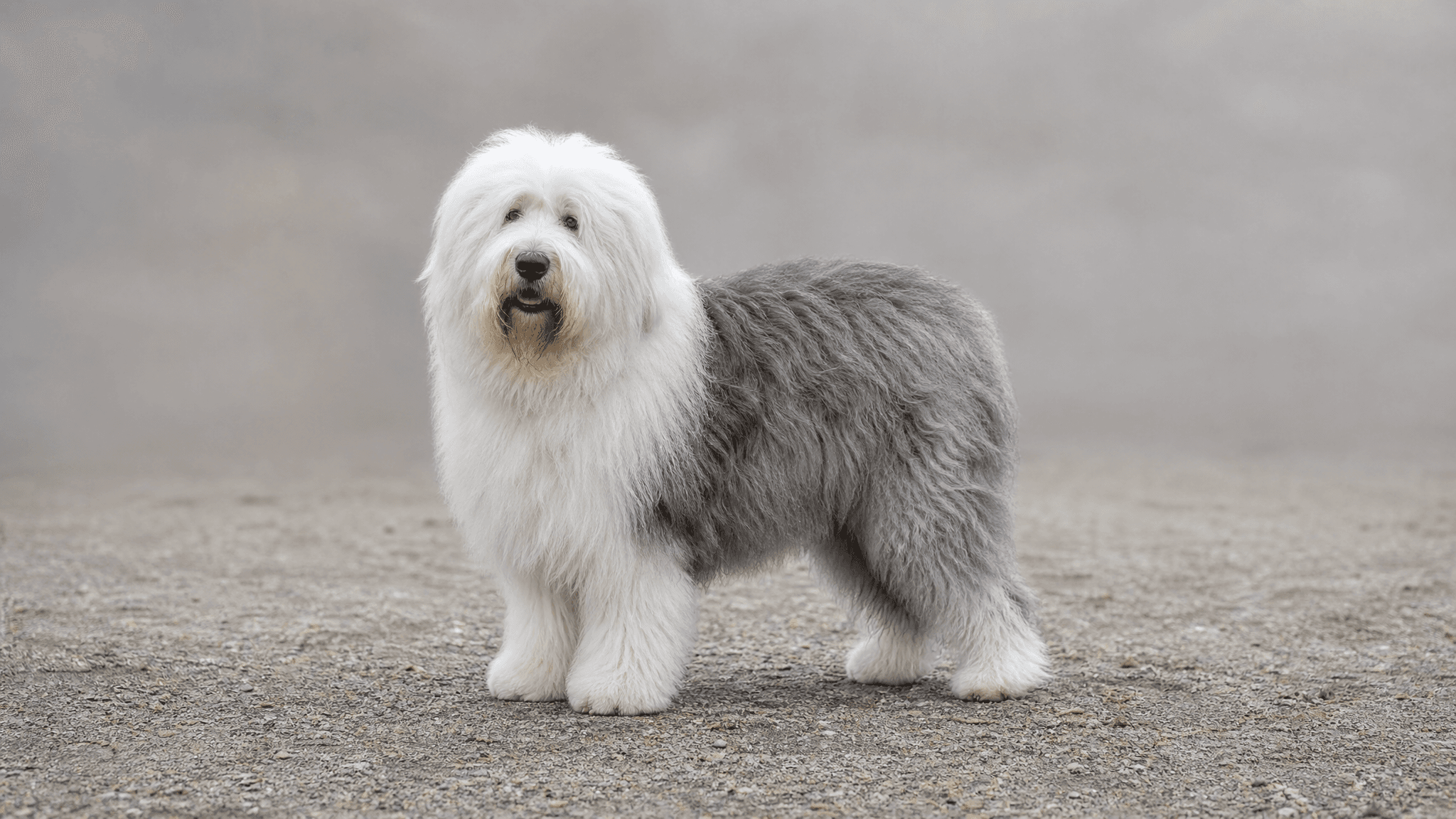
The Bobtail, also known as the Old English Sheepdog, is one of the most easily recognizable breeds in the world, thanks to its abundant bicolor coat and characteristic gait that evokes a bear. Developed in England in the 18th century to drive cattle and sheep to market, the name "Bobtail" refers to the old practice of docking the tail to identify working dogs and exempt them from taxes. Despite its imposing appearance, it is a dog of gentle and sociable nature.
Physical Characteristics
- Size
- Large
- Height (male)
- 61 cm
- Height (female)
- 56 cm
- Weight (male)
- 30–45 kg
- Weight (female)
- 27–36 kg
- Life Expectancy
- 10–12 years
- Coat
- Long, dense, rough and wavy with soft undercoat
- Common Colors
- Grey, bluish or grizzle with white; white parts on the head, neck, chest and legs
Temperament & Personality
The Bobtail is known for its gentle, playful and affectionate temperament, being excellent with children and families. It is a sociable dog that thrives in human company and suffers if left alone for long periods. It possesses considerable intelligence but also occasional stubbornness, so training should be consistent and based on positive reinforcement. Despite its imposing appearance, it is rarely aggressive.
Activity & Exercise
- Energy Level
- Moderate to high
- Recommended Daily Exercise
- 60–90 minutes
- Suitable for Apartment
- Not recommended
Grooming & Care
- Grooming Needs
- Very high
- Shedding
- Moderate
- Bathing Frequency
- Every 4 weeks
Health
- Common Health Issues
- Cerebellar atrophy
- Congenital deafness
- Dilated cardiomyopathy (DCM)
- Drug sensitivity (MDR1)
- Hip dysplasia
- Hypothyroidism
- Recommended Health Tests
- BAER test (hearing)
- Cardiac examination
- Hip radiography
- MDR1 genetic test
Compatibility
- With Children
- Excellent
- With Other Dogs
- Excellent
- With Cats
- Good
- For First-Time Owners
- Acceptable
Is an Old English Sheepdog right for you?
An Old English Sheepdog may suit you if:
- You can commit to 60 to 90 minutes of daily exercise and engaging mental stimulation.
- You enjoy an active, playful lifestyle that includes your dog in family adventures and activities.
- You appreciate a gentle, affectionate, and sociable companion who thrives on human company.
- You are prepared to offer consistent, positive reinforcement training to manage their intelligence and occasional stubbornness.
- You are ready for very high grooming needs, including regular brushing of their long, dense coat.
- You are willing to manage a large, energetic dog with a natural herding instinct.
Think twice if:
- You expect unwavering obedience from a dog, as their considerable intelligence is often paired with an independent streak.
- You frequently leave your dog alone for long periods, as they truly suffer without human companionship.
- You are not prepared for a large, boisterous dog's playful interactions with small children or other delicate pets.
- You are unwilling to commit to very high grooming needs or at least 60 minutes of daily activity.
- You live in a small apartment or cannot provide secure, spacious outdoor access for a large dog.
- You are not prepared to manage a large, strong dog weighing up to 45 kg during its energetic adolescent phase.
The Old English Sheepdog is a truly loving and devoted companion, bringing immense joy with their playful spirit and affectionate nature. However, their striking appearance and charming personality come with significant responsibilities. Be ready for substantial grooming, consistent training, and a commitment to daily activity. This breed thrives with owners who embrace their unique needs, offering a rewarding bond for those prepared for the journey.
Training an Old English Sheepdog
Your Old English Sheepdog, often called a Bobtail, is a highly intelligent and affectionate companion who thrives on positive interaction. They learn best through consistent, reward-based training that makes learning fun and engaging, utilizing their natural desire to please and their love for human company. Keep sessions short, positive, and varied to maintain their interest. If training is inconsistent or relies on harsh methods, your Bobtail's occasional stubborn streak might emerge, leading to frustration for both of you. Remember, these sociable dogs truly suffer if left alone for long periods, so integrate training into your daily interactions to build a strong, happy bond.
Begin with:
- Attention and response to name around distractions
- Recall on a long line
- Loose-leash walking
- Leave it and drop it
- Calm greetings without jumping
- Settling on a mat or bed
- Cooperative handling for grooming, ears, feet and teeth
- Waiting at doors and gates
Herding instincts and focus
Your Bobtail was bred to drive livestock, and this strong herding instinct can sometimes manifest in playful nips at heels or attempts to "herd" family members or other pets. It's not aggression, but an innate drive that needs appropriate outlets.
Instead of suppressing this natural behaviour, redirect it constructively. Engage your Old English Sheepdog in games that mimic herding, like fetch or chasing a flirt pole in a safe, enclosed area. Consistent training, especially a strong "leave it" cue and a reliable recall, will help manage their focus and prevent them from acting on these instincts inappropriately during walks or in social settings.
Managing leash manners
Given their large size and strength, an Old English Sheepdog pulling on the leash can quickly become a significant challenge for any owner. This breed needs to learn excellent loose-leash walking skills from an early age to ensure walks are enjoyable and safe for both of you.
Start training in a quiet environment and gradually introduce distractions. Use a comfortable, well-fitting harness that discourages pulling, and reward your Bobtail generously for walking politely by your side. Consistency is key, and you might find this guide on leash pulling very helpful in establishing good habits.
Preventing boredom and anxiety
Old English Sheepdogs have a moderate to high energy level and require 60-90 minutes of exercise daily to stay happy and healthy. If under-exercised or under-stimulated, their intelligence and energy can lead to destructive behaviours like chewing, excessive barking, or digging. Furthermore, as highly sociable dogs, they thrive in human company and can develop separation anxiety if left alone for extended periods.
Ensure your Bobtail gets plenty of physical activity and mental enrichment through training, puzzle toys, and interactive play. If you must leave them, gradually increase the time alone and provide engaging toys. Pay attention to signs of stress and consider seeking professional help if separation anxiety becomes severe.
Old English Sheepdog — Frequently Asked Questions
Are Old English Sheepdogs good family dogs?
Old English Sheepdogs are wonderful family dogs — gentle, playful, and deeply affectionate. They are especially known for their patience with children and their clown-like personality that makes them entertaining companions for the whole family. Their size can be a consideration with very small children (accidental knocking over), but their temperament is generally soft and forgiving. They thrive on human company and don't do well when left alone for long periods.
How much grooming does an Old English Sheepdog need?
The Old English Sheepdog's iconic shaggy double coat is beautiful but demanding. Without regular grooming (several hours per week), the coat forms painful mats that require professional removal. Options include maintaining the full coat with regular brushing (every 2–3 days minimum), or keeping a shorter "pet clip" that is much more manageable. Professional grooming every 6–8 weeks is strongly recommended. Pay special attention to the areas behind the ears, under the armpits, and around the collar — classic matting spots.
How much exercise does an Old English Sheepdog need?
Old English Sheepdogs need about 1–2 hours of daily exercise. They are active herding dogs with real stamina — not lap dogs. They enjoy long walks, off-leash play in a secure area, and interactive games that engage their mind. Mental stimulation through training and puzzle toys is equally important. Without sufficient exercise, they become bored and may develop destructive habits. Despite their size, they are surprisingly agile and enjoy activities like agility and herding.
Are Old English Sheepdogs easy to train?
Old English Sheepdogs are intelligent and trainable, though they can be stubborn and independent at times. They respond well to positive reinforcement but may test boundaries, especially during adolescence. They are sensitive dogs that respond poorly to harsh training methods — a kind, consistent approach works best. Early obedience classes are recommended to establish good habits. Their herding intelligence means they enjoy tasks and tricks, and they can excel at canine sports when well motivated.
What health issues affect Old English Sheepdogs?
Old English Sheepdogs have some notable breed health concerns. Hip dysplasia is common given their size — OFA-certified parents are important. Progressive Retinal Atrophy (PRA) can cause blindness and has a DNA test available. Hereditary cataracts also affect the breed. Hypothyroidism is documented. Autoimmune conditions and deafness (related to white pigmentation in some lines) occur. Keeping the coat and skin clean and healthy prevents dermatological issues. Regular vet check-ups and reputable, health-tested breeders are important.
How long do Old English Sheepdogs live?
Old English Sheepdogs have an average lifespan of 10–12 years. This is typical for a large breed. Maintaining a healthy weight is particularly important — obesity puts strain on their large frame and joints. Regular vet check-ups, dental care, and annual eye and hip assessments from middle age onward help catch issues early. Keeping the coat clean and mat-free also prevents skin issues that can affect quality of life. Reputable breeders who health-test significantly improve lifetime health outcomes.
Do Old English Sheepdogs get along with other pets?
Old English Sheepdogs are generally sociable and good with other pets — they tend to be friendly toward other dogs and can coexist happily with cats they've been raised with. Their herding instinct means they may try to round up other pets (or children), which can be amusing or annoying depending on the situation. Early socialisation with other animals helps enormously. They are not typically aggressive and usually prefer companionship to conflict. Multi-pet households are usually a good fit.
Are Old English Sheepdogs good for apartment living?
Old English Sheepdogs are not ideally suited to apartment living. They are large, active dogs that benefit from space to move and play. Their herding energy means they need real exercise, not just indoor roaming. A house with a garden is strongly preferred. That said, a committed owner who provides multiple daily exercise sessions and mental stimulation can successfully keep a Bobtail in a larger apartment — the key is ensuring the dog's needs are consistently met regardless of the living space.
Community
Talk to real Old English Sheepdog owners
This guide covers the breed on paper. In the app, the Old English Sheepdog community covers it in real life: photos from other owners, questions answered by people who live with the breed, and a directory of dogs you can browse.
- Photos & pollsSee what Old English Sheepdog owners are sharing today.
- Questions & answersAsk anything and hear from people who own one.
- Dog directoryBrowse Old English Sheepdogs from around the world.
You join automatically when you add a Old English Sheepdog to your profile.