Norwegian Hound
Summary
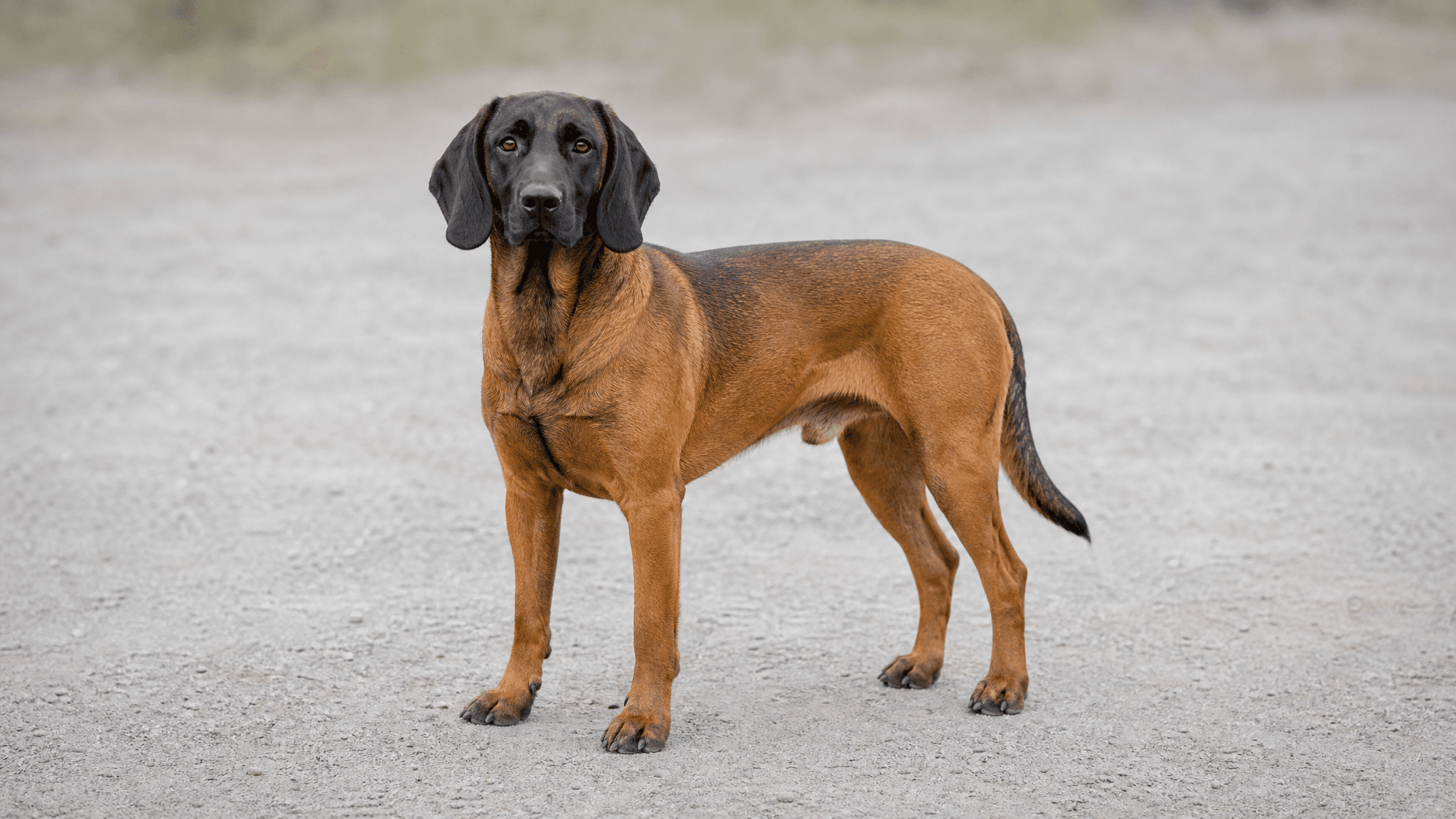
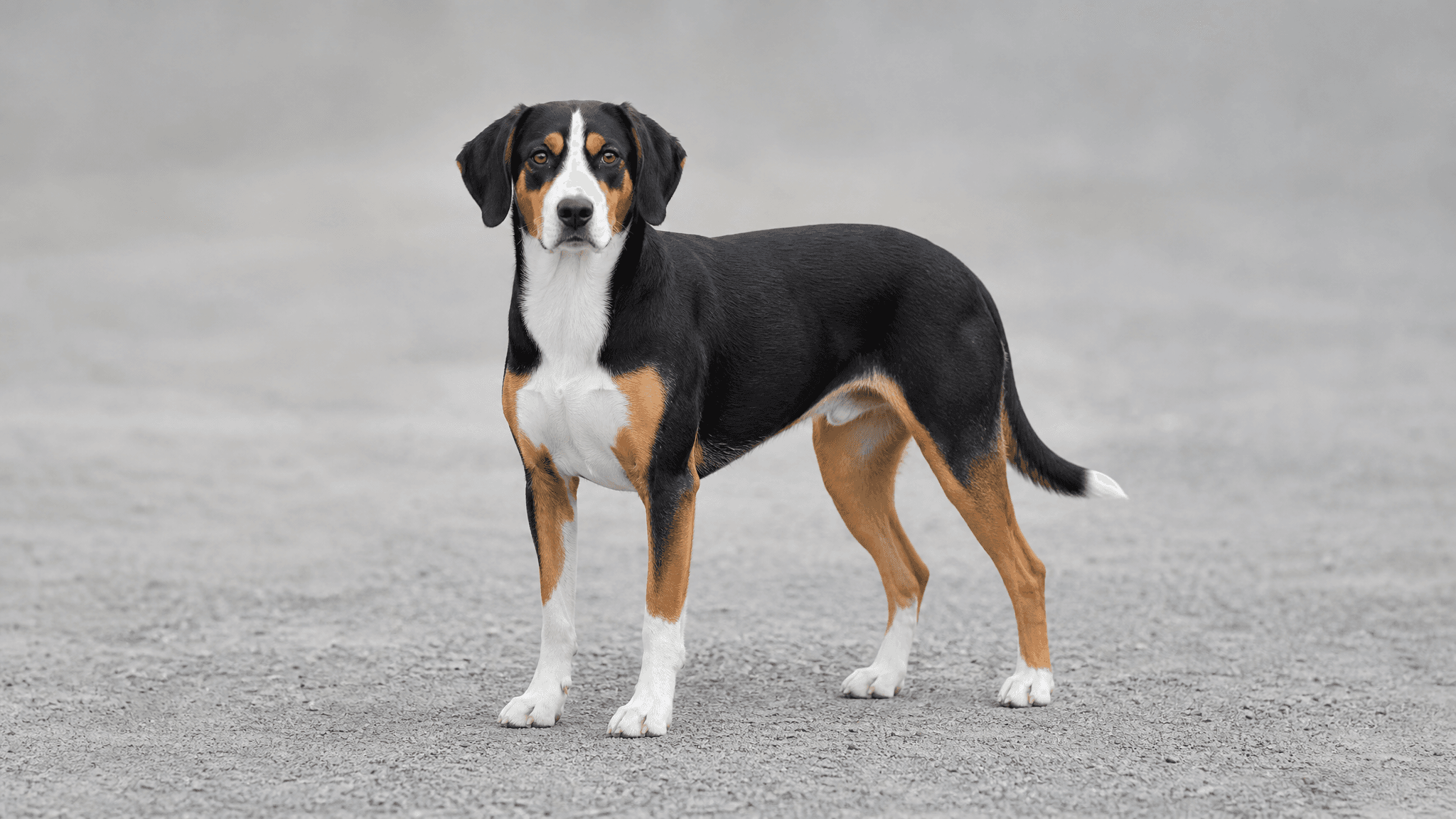
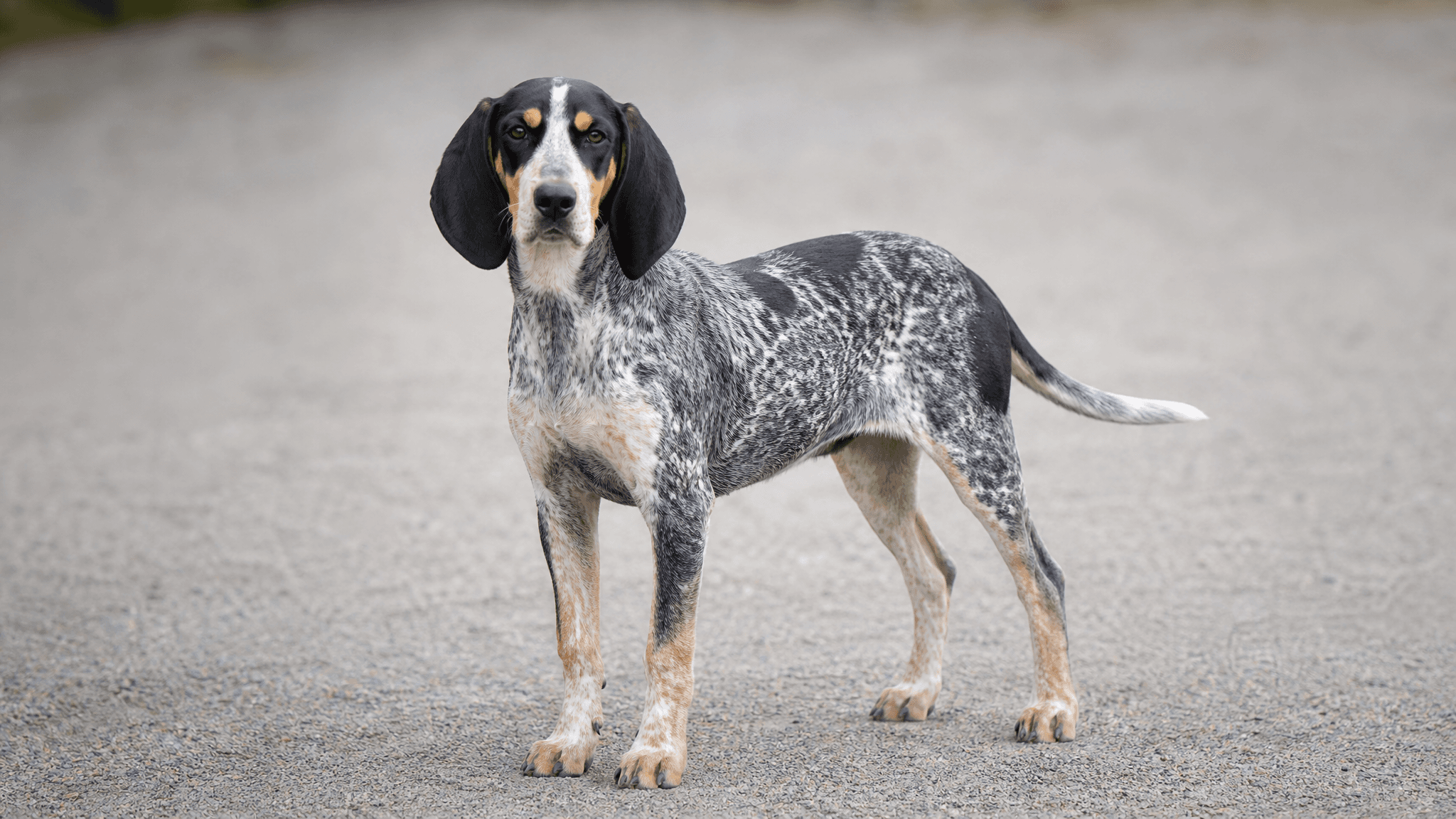
The Norwegian Hound, or Dunker, was created in the early 19th century by the Norwegian breeder Wilhelm Conrad Dunker, who crossed a Russian smooth-coated scent hound (Harlequin Hound) with local Norwegian scent hound breeds. It is a hunting dog specialized in hare, adapted to the cold climate and rugged terrain of Norway. Its blue-mottled coat is a very distinctive characteristic.
Physical Characteristics
- Size
- Medium
- Height (male)
- 47–55 cm
- Height (female)
- 45–53 cm
- Weight (male)
- 16–24 kg
- Weight (female)
- 14–20 kg
- Life Expectancy
- 12–15 years
- Coat
- Short, dense, and close-fitting
- Common Colors
- Blue-mottled (merle) with black, white, and tan markings; tricolor without merle also exists
Temperament & Personality
The Dunker is a well-balanced, gentle, and friendly dog. It is considered one of the easiest Nordic scent hounds to manage — it is less vocal than many other scent hounds and can adapt well to family life with adequate exercise.
Activity & Exercise
- Energy Level
- High
- Recommended Daily Exercise
- 60–90 minutes
- Suitable for Apartment
- Not recommended
Grooming & Care
- Grooming Needs
- Low
- Shedding
- Moderate
- Bathing Frequency
- Every 4 weeks
Health
- Common Health Issues
- Deafness
- Hip dysplasia
- Otitis
- Recommended Health Tests
- Hearing test
- Orthopedic evaluation
Compatibility
- With Children
- Excellent
- With Other Dogs
- Excellent
- With Cats
- Moderate
- For First-Time Owners
- Acceptable
Is a Norwegian Hound right for you?
A Norwegian Hound may suit you if:
- You are prepared to dedicate 60 to 90 minutes daily to vigorous exercise and engaging mental challenges.
- You enjoy outdoor adventures, especially in varied terrain, and appreciate a dog with a strong natural scenting drive.
- You are looking for a gentle, friendly, and well-balanced companion who thrives as part of a family.
- You are committed to consistent, positive reinforcement training to channel their intelligent and independent nature.
- You appreciate a low-maintenance coat that needs minimal grooming beyond regular brushing and occasional bathing.
- You are willing to manage their natural scent hound instincts, including a keen nose and potential for tracking.
Think twice if:
- You expect instant, robot-like obedience, as their independent scent hound nature means they follow their nose first.
- You frequently leave your dog alone for long hours, as a Dunker needs companionship and activity to prevent boredom.
- You have small, vulnerable pets like cats without a plan for careful introductions, given their moderate compatibility with felines.
- You are unable to provide at least 60 to 90 minutes of vigorous daily exercise, which is crucial for their high energy.
- You live in an apartment or lack a securely fenced yard, as this breed thrives with space to explore safely.
- You are unprepared for the physical demands of managing a strong, medium-sized dog with a powerful prey drive during their energetic adolescent phase.
The Norwegian Hound is a truly rewarding companion for the active family who understands their unique needs. While they are gentle, friendly, and less vocal than many scent hounds, their high energy and strong tracking instincts require a dedicated owner. Providing consistent exercise and mental engagement will ensure a happy, well-adjusted Dunker who brings joy to your home for their 12 to 15-year lifespan.
Training a Norwegian Hound
Norwegian Hounds, or Dunkers, are intelligent scent hounds who thrive on positive reinforcement and engaging their keen sense of smell. They are gentle and well-balanced, responding best to clear, consistent guidance and fun, short training sessions. Incorporating scent work can be incredibly motivating for them. If training lacks stimulation, consistency, or relies on harsh methods, these dogs can become disengaged or reluctant to cooperate, making progress difficult. Their high energy also means that boredom can quickly derail a session if it's not engaging enough.
Begin with:
- Attention and response to name around distractions
- Recall on a long line
- Loose-leash walking
- Leave it and drop it
- Calm greetings without jumping
- Settling on a mat or bed
- Cooperative handling for grooming, ears, feet and teeth
- Waiting at doors and gates
Recall and Prey Drive
As a scent hound specialized in hunting hare, the Norwegian Hound possesses a very strong prey drive. Once they catch a compelling scent, their instinct is to follow it, often tuning out everything else, including your calls. This can make off-leash recall particularly challenging and potentially dangerous.
Begin recall training in a secure, low-distraction environment, using high-value treats and praise. Gradually introduce distractions, always ensuring success. Practice frequently on a long line to give them freedom while maintaining safety, and make sure you are always more interesting than the environment. For more detailed steps, check out our guide on teaching recall.
Pulling on the Leash
Norwegian Hounds are medium-sized, strong, and possess high energy, bred to cover ground efficiently while tracking scents. This natural inclination can translate into significant pulling on the leash, especially if they catch an interesting smell or are not adequately exercised before a walk. Their enthusiasm can be overwhelming if not managed correctly.
Start teaching loose-leash walking from an early age, rewarding consistently for any slack in the leash. Consider using a front-clip harness, which can help redirect their pulling motion without causing discomfort. Ensure they get their recommended 60-90 minutes of daily exercise to help burn off excess energy. Our guide on stopping leash pulling offers a comprehensive plan.
Boredom and Destructive Habits
Despite being one of the easier Nordic scent hounds to manage, the Norwegian Hound has a high energy level and requires substantial mental and physical stimulation. If under-exercised, under-stimulated, or left alone for extended periods without engagement, they can become bored, which often manifests as destructive chewing, excessive barking, or other unwanted behaviors.
Ensure your Dunker receives their full 60-90 minutes of daily exercise, which can be broken into multiple sessions. Incorporate scent games, puzzle toys, and interactive play to keep their intelligent minds busy. Providing appropriate chew toys and rotating them can also help. If you're concerned about separation anxiety, our article on how to tell if your dog is stressed when you leave can offer insights.
Norwegian Hound — Frequently Asked Questions
What is the Dunker (Norwegian Hound)?
The Dunker, also known as the Norwegian Hound, is a captivating medium-sized scent hound hailing from Norway. This breed was meticulously developed in the early 19th century by Wilhelm Conrad Dunker, who skillfully crossed a Russian smooth-coated scent hound, specifically the Harlequin Hound, with local Norwegian scent hound breeds. Recognized within FCI Group 6 (Medium-sized Hounds), the Dunker is distinguished by its unique blue-mottled coat and its remarkable adaptability to the cold climate and rugged terrain of its homeland. They are truly a testament to Norwegian breeding for specialized hunting.
What was the Dunker (Norwegian Hound) originally bred for?
The Dunker was originally bred with a very specific purpose in mind: to be an exceptional hunting dog. Created in the early 19th century by Wilhelm Conrad Dunker in Norway, this breed was developed to specialize in hunting hare. Their ancestry, a blend of Russian and local Norwegian scent hounds, endowed them with keen scenting abilities and the stamina required for long pursuits. They were specifically adapted to navigate and thrive in the challenging cold climate and rugged, often snow-covered, terrain of Norway, making them highly efficient and resilient hunting companions.
How much exercise does a Dunker (Norwegian Hound) need?
Dunkers are dogs with a high energy level, so they definitely need a good amount of exercise to stay happy and healthy! We recommend providing your Dunker with 60 to 90 minutes of vigorous activity every single day. This isn't just a suggestion; it's essential for their physical and mental well-being. Think long walks, engaging hikes, or even opportunities to run and play in a secure area. Regular exercise will help channel their natural hound energy positively, preventing boredom and ensuring they remain a well-behaved and contented member of your family.
Is the Dunker (Norwegian Hound) a good family dog?
Absolutely! The Dunker is known for being a wonderfully well-balanced, gentle, and friendly dog, making them excellent family companions. They are considered one of the easier Nordic scent hounds to manage, being less vocal than many of their hound relatives. With their adaptable nature, they can integrate beautifully into family life, especially when provided with adequate daily exercise. Their gentle disposition generally makes them good with children and, with proper introductions and supervision, can get along well with other pets too. They truly thrive on companionship and being part of the family.
Is the Dunker (Norwegian Hound) easy to train?
The Dunker is considered one of the easier Nordic scent hounds to manage, thanks to their well-balanced, gentle, and friendly temperament. While scent hounds are intelligent, they can sometimes be independent-minded, driven by their incredible noses. This means that consistent, positive reinforcement training methods work best. They respond wonderfully to patience and encouragement, rather than harsh corrections. Early socialization and consistent training from a young age will help harness their intelligence and ensure they grow into a well-behaved and responsive companion, making the training journey a rewarding experience for both of you.
What health issues are common in the Dunker (Norwegian Hound)?
Like all breeds, Dunkers can be predisposed to certain health conditions, though they are generally robust dogs. It's important for prospective owners to be aware of documented concerns such as deafness, hip dysplasia, and otitis (ear infections). Responsible breeding practices, including health screenings for parent dogs, are crucial in minimizing the risk of these issues. Regular veterinary check-ups, a balanced diet, and appropriate exercise will also go a long way in helping your Dunker live a long, healthy, and happy life by your side. Always choose a reputable breeder who prioritizes health.
What is the Dunker (Norwegian Hound)'s coat like and how much grooming does it need?
The Dunker boasts a distinctive and beautiful coat that is relatively low-maintenance, which is great news for busy owners! Their coat is smooth and lies close to the body, making it quite practical. The most striking feature is often their blue-mottled pattern, which is truly unique. In terms of grooming, a weekly brushing is usually sufficient to remove loose hairs, keep their coat clean, and distribute natural oils, promoting a healthy shine. Occasional baths, as needed, will keep them looking and feeling their best, without requiring extensive grooming sessions.
What is the typical lifespan of a Dunker (Norwegian Hound)?
You'll be happy to know that Dunkers typically enjoy a long and healthy life! The average lifespan for a Dunker is generally between 12 and 15 years. Of course, individual lifespans can vary based on factors like genetics, diet, exercise, and the quality of veterinary care they receive throughout their lives. Providing your Dunker with a nutritious diet, plenty of exercise, regular check-ups with your vet, and a loving home environment will contribute significantly to them living a full and vibrant life by your side for many wonderful years.
Community
Talk to real Norwegian Hound owners
This guide covers the breed on paper. In the app, the Norwegian Hound community covers it in real life: photos from other owners, questions answered by people who live with the breed, and a directory of dogs you can browse.
- Photos & pollsSee what Norwegian Hound owners are sharing today.
- Questions & answersAsk anything and hear from people who own one.
- Dog directoryBrowse Norwegian Hounds from around the world.
You join automatically when you add a Norwegian Hound to your profile.