Eesti Hagijas
Summary
The Estonian Hound (Eesti Hagijas) is the only dog breed from Estonia, developed in the 20th century from crosses between Russian, English scent hounds, and Beagles, to create a dog adapted to the Estonian forests. It was recognized by the FCI in 1954. After Estonia's independence in 1991, the breed gained national symbol status.
Physical Characteristics
- Size
- Medium
- Height (male)
- 45–52 cm
- Height (female)
- 42–49 cm
- Weight (male)
- 10–18 kg
- Weight (female)
- 8–15 kg
- Life Expectancy
- 12–15 years
- Coat
- Short, dense, and glossy
- Common Colors
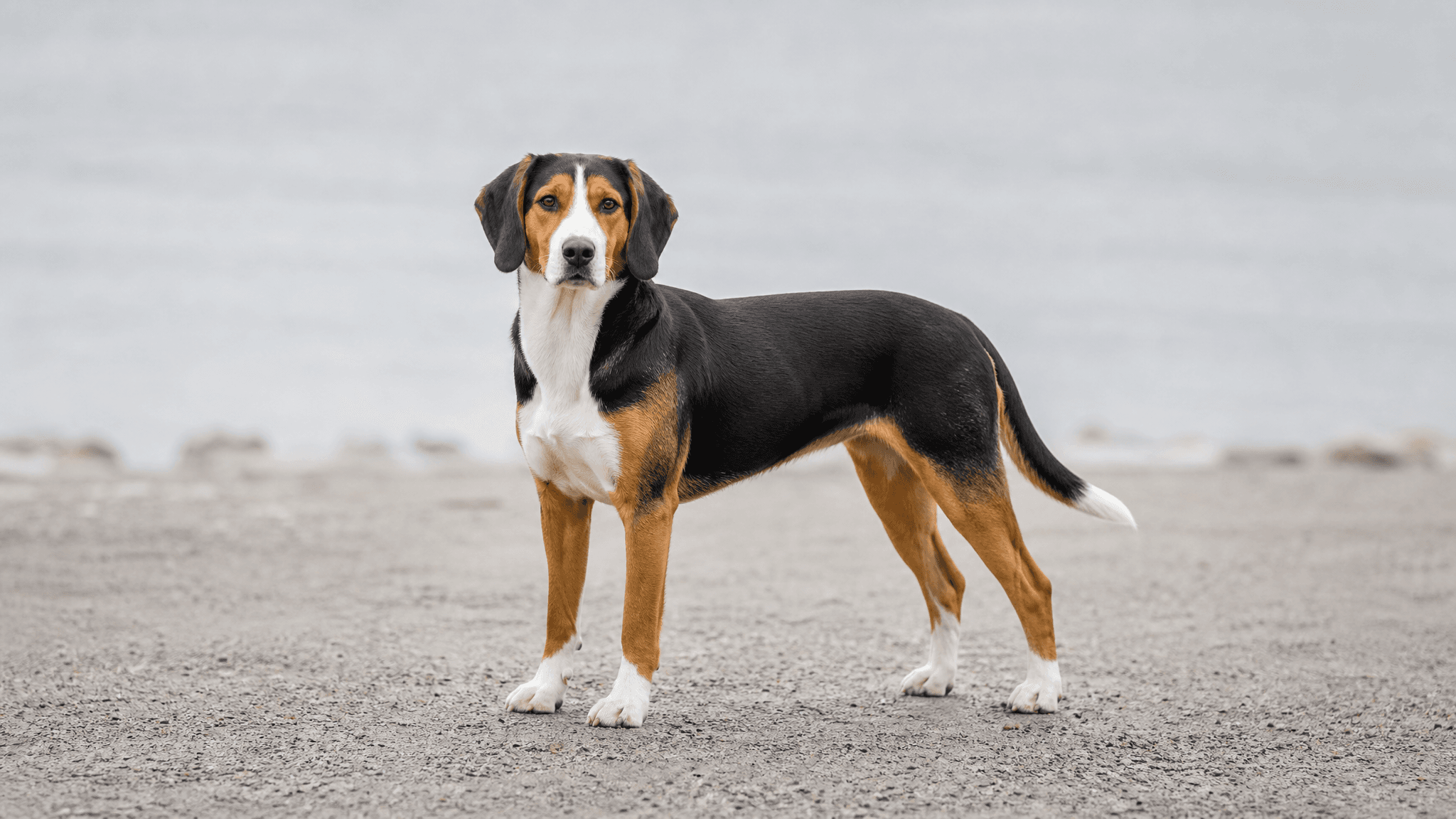
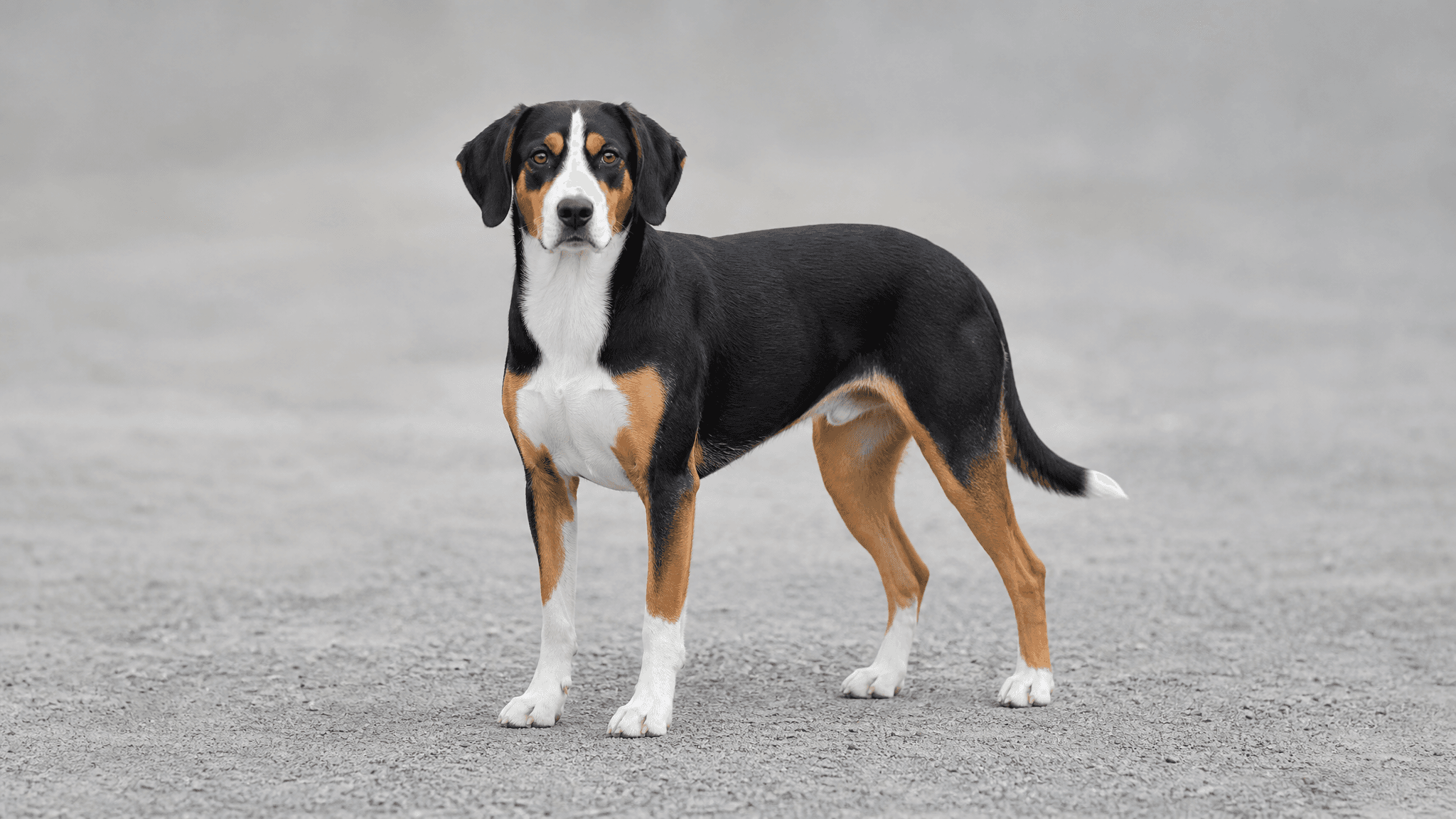
- Tricolor — black with tan markings and white
Temperament & Personality
The Estonian Hound is a cheerful, active, and well-balanced dog. It is sociable, friendly with people and other dogs, and docile enough to be a good family companion. Its voice is melodious and persistent during hunting.
Activity & Exercise
- Energy Level
- High
- Recommended Daily Exercise
- 60–90 minutes
- Suitable for Apartment
- Not recommended
Grooming & Care
- Grooming Needs
- Low
- Shedding
- Moderate
- Bathing Frequency
- Every 4 weeks
Health
- Common Health Issues
- Generally a healthy breed
- Hip dysplasia
- Otitis
- Recommended Health Tests
- Orthopedic evaluation
Compatibility
- With Children
- Excellent
- With Other Dogs
- Excellent
- With Cats
- Moderate
- For First-Time Owners
- Acceptable
Is an Eesti Hagijas right for you?
An Eesti Hagijas may suit you if:
- You are eager to provide at least an hour of vigorous daily exercise and engaging scent work for your active companion.
- You enjoy outdoor adventures like hiking or exploring nature trails, allowing your dog to follow interesting scents.
- You appreciate a friendly, sociable, and well-balanced dog that integrates wonderfully into family life.
- You are prepared to commit to consistent, positive reinforcement training to nurture their intelligent and willing nature.
- You are comfortable with moderate shedding and providing basic grooming like weekly brushing and baths every four weeks.
- You understand their strong prey drive and enjoy their characteristic melodious voice, especially when they're on an interesting trail.
Think twice if:
- You expect a dog to always prioritize your commands over an exciting scent trail.
- You frequently leave your dog alone for long periods, as this social breed thrives on companionship.
- You have small, non-canine pets, especially cats, and are not prepared for careful introductions and supervision.
- You are unable to commit to at least an hour of vigorous activity daily, which is crucial for their well-being.
- You live in an apartment or do not have a securely fenced yard where they can safely explore and burn off energy.
- You are not prepared to manage a strong, active dog during their energetic adolescent phase, which requires consistent guidance.
The Eesti Hagijas is a truly special, cheerful companion, full of life and loyalty. While their friendly nature and moderate grooming needs are appealing, their strong scent drive and high energy require a dedicated, active family. They thrive with consistent training and ample outdoor exploration, rewarding you with unwavering devotion for their 12 to 15 years.
Training an Eesti Hagijas
Your Eesti Hagijas is a bright, cheerful, and active learner, eager to engage in positive, reward-based training. As a Scent Hound, they are highly motivated by interesting smells, tasty treats, and playful interaction. Keep training sessions short, fun, and consistent to maintain their focus. If training becomes repetitive, harsh, or inconsistent, this intelligent breed can quickly become bored or disengaged, making progress much slower and potentially leading to stubbornness. Consistency and patience will be your best friends!
Begin with:
- Attention and response to name around distractions
- Recall on a long line
- Loose-leash walking
- Leave it and drop it
- Calm greetings without jumping
- Settling on a mat or bed
- Cooperative handling for grooming, ears, feet and teeth
- Waiting at doors and gates
Scent-driven distractions
As a true Scent Hound, your Eesti Hagijas possesses a powerful drive to follow interesting smells, which can make recall a real challenge, especially in stimulating environments. Their melodious voice, so persistent during hunting, might also be used to alert you to a distant scent! Start recall training in a low-distraction area and gradually increase the difficulty, always using high-value rewards. A long line is invaluable for safety while building a reliable recall.
It's vital to remember that following a scent is deeply ingrained in their nature. Instead of fighting it, incorporate scent work into their play and training to satisfy this instinct in a controlled way. This can make them more receptive to other commands when their natural drives are acknowledged.
Enthusiastic leash pulling
With their high energy and medium size, an excited Eesti Hagijas can certainly put some muscle into pulling on the leash. They are active dogs needing 60-90 minutes of exercise daily, so walks are a big deal for them! Begin loose-leash walking training early and consistently, using positive reinforcement. Reward them frequently for walking nicely by your side.
A front-clip harness can be a helpful tool to manage pulling while you teach them polite leash manners. Consistency is key, and every walk is an opportunity to reinforce good habits. Our guide on stopping puppy pulling offers great tips for all ages.
Managing high energy
An under-exercised or under-stimulated Eesti Hagijas, despite being docile and well-balanced, can channel their high energy into less desirable behaviors. Since they are not recommended for apartments, ensuring they get their full 60-90 minutes of daily exercise and plenty of mental enrichment is crucial. Without enough to do, they might become destructive, chew inappropriate items, or use that persistent, melodious voice to express their boredom.
Incorporate puzzle toys, scent games, and consistent training sessions into their routine to keep their clever minds busy. Regular, engaging activities will help them be the cheerful, well-behaved companion you know they can be.
Eesti Hagijas — Frequently Asked Questions
What is the Eesti Hagijas?
The Eesti Hagijas, also known as the Estonian Hound, is a truly special medium-sized dog, holding the unique distinction of being the only dog breed originating from Estonia! Developed in the 20th century, this charming hound is a wonderful blend of Russian and English scent hounds, along with Beagles, specifically bred to thrive in the beautiful Estonian forests. It proudly belongs to FCI Group 6, which encompasses medium-sized hounds, reflecting its heritage as a skilled and dedicated scent tracker. After Estonia's independence in 1991, this wonderful breed gained national symbol status, a testament to its cultural significance.
What was the Eesti Hagijas originally bred for?
The Eesti Hagijas was originally bred with a very specific purpose in mind: to be an exceptional hunting companion perfectly adapted to the unique terrain of the Estonian forests. Developed in the 20th century, this breed was created by crossing various Russian and English scent hounds with Beagles, aiming for a dog that could effectively track game in the local environment. Their melodious and persistent voice during hunting is a hallmark of their dedication and skill in the field, making them highly valued by hunters. The breed was officially recognized by the FCI in 1954, solidifying its place among working hounds.
How much exercise does a Eesti Hagijas need?
The Eesti Hagijas is a high-energy breed with a zest for life, so they definitely need a good amount of exercise to stay happy and healthy! We recommend providing your Estonian Hound with 60–90 minutes of vigorous activity every single day. This could include long walks, energetic games of fetch, hiking adventures, or even participating in dog sports like agility or scent work. Keeping their active minds and bodies engaged is key to preventing boredom and ensuring they are well-behaved and content companions at home.
Is the Eesti Hagijas a good family dog?
Absolutely! The Eesti Hagijas makes a wonderful addition to many families. They are known for their cheerful, active, and well-balanced temperament, making them incredibly sociable and friendly with people. This breed is also typically very amiable with other dogs, which is great if you have multiple pets. Their docile nature means they can be a fantastic companion for children, often enjoying playtime and being part of family activities. With proper socialization and training, your Estonian Hound will surely become a beloved and loyal family member.
Is the Eesti Hagijas easy to train?
The Eesti Hagijas is generally considered to be quite trainable, thanks to their well-balanced and docile temperament. They are intelligent hounds who enjoy having a purpose, which can make training sessions engaging and rewarding. While they possess a keen scent hound instinct, their friendly and sociable nature means they are often eager to please their human companions. Consistent, positive reinforcement methods work best with this breed, helping to channel their energy and intelligence into learning good manners and commands. Early socialization and training are always recommended to help them thrive.
What health issues are common in the Eesti Hagijas?
The Eesti Hagijas is generally considered a healthy and robust breed, which is wonderful news for potential owners! However, like all breeds, there are a few health concerns that are documented to be more common. These include hip dysplasia, a condition affecting the hip joints, and otitis, which refers to inflammation or infection of the ear. Regular veterinary check-ups, a balanced diet, and maintaining a healthy weight are all important steps you can take to help keep your Estonian Hound in tip-top shape and address any potential issues early on.
What is the Eesti Hagijas's coat like and how much grooming does it need?
The Eesti Hagijas, being a hardy hound bred for the outdoors, typically sports a short, dense coat that is well-suited for various weather conditions. This means their grooming needs are generally quite straightforward and low-maintenance, which is great news for busy families! Regular brushing, perhaps once a week, is usually sufficient to keep their coat healthy and minimize shedding, ensuring your furry friend always looks their best with minimal fuss. Occasional baths when they get a bit too adventurous outdoors will keep them smelling fresh.
What is the typical lifespan of a Eesti Hagijas?
The Eesti Hagijas is known for being a healthy and long-lived breed, bringing many years of joy and companionship to their families! You can typically expect your beloved Estonian Hound to live for 12–15 years. Providing them with excellent nutrition, regular veterinary care, plenty of exercise, and a loving home environment are all key factors in helping your furry friend enjoy a full, happy, and healthy life right by your side.
Community
Talk to real Eesti Hagijas owners
This guide covers the breed on paper. In the app, the Eesti Hagijas community covers it in real life: photos from other owners, questions answered by people who live with the breed, and a directory of dogs you can browse.
- Photos & pollsSee what Eesti Hagijas owners are sharing today.
- Questions & answersAsk anything and hear from people who own one.
- Dog directoryBrowse Eesti Hagijass from around the world.
You join automatically when you add a Eesti Hagijas to your profile.