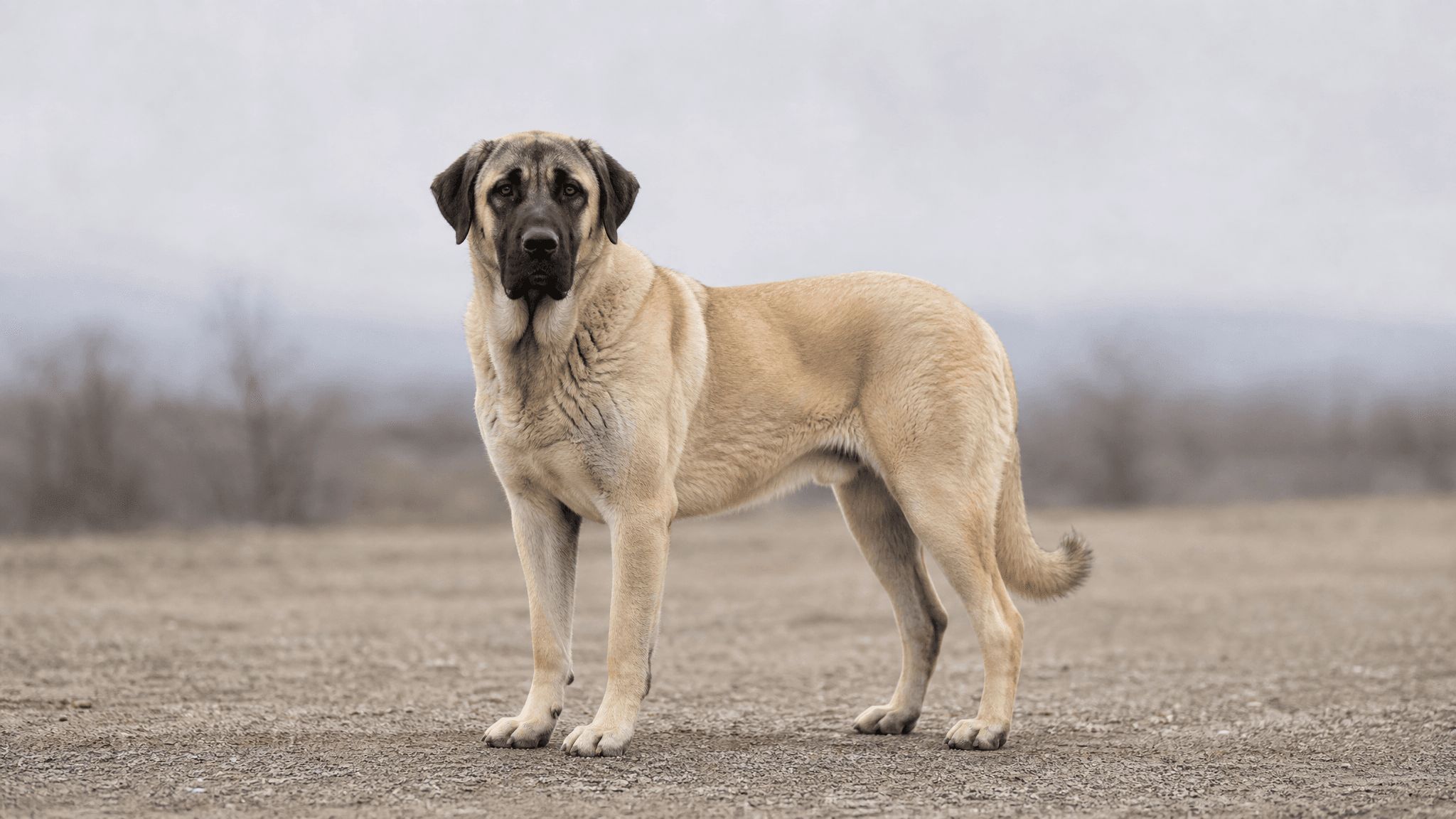
Neapolitan Mastiff

Summary
The Neapolitan Mastiff is a direct descendant of the great Molossoid breeds of ancient Rome and represents the unbroken continuity of a canine tradition spanning more than two millennia. It was bred and maintained for centuries in the rural regions of southern Italy, especially in Campania. Its impressive appearance — abundant skin folds, enormous head, severe expression — makes it one of the most unmistakable breeds in the world.
Physical Characteristics
- Size
- Giant
- Height (male)
- 65–75 cm
- Height (female)
- 60–68 cm
- Weight (male)
- 60–70 kg
- Weight (female)
- 50–60 kg
- Life Expectancy
- 7–9 years
- Coat
- Short, dense, hard
- Common Colors
- Lead (blue-grey), black, mahogany, fawn; brindle permitted
Temperament & Personality
The Neapolitan Mastiff is a born guardian — calm and peaceful inside the home, but capable of reacting with enormous determination in the face of any threat. It is very loyal to its family and especially protective of the children in its household. With strangers, it is reserved and requires very careful socialisation from puppyhood. It is not a breed for inexperienced owners — its physical mass and guarding instincts require a firm and experienced hand.
Activity & Exercise
- Energy Level
- Low to moderate
- Recommended Daily Exercise
- 45–60 minutes
- Suitable for Apartment
- Not recommended
Grooming & Care
- Grooming Needs
- Moderate
- Shedding
- Moderate
- Bathing Frequency
- Every 4–6 weeks
Health
- Common Health Issues
- Epilepsy
- Gastric dilatation/torsion
- Heart disease
- Hip and elbow dysplasia
- Skin fold infections
- Wobbler syndrome
- Recommended Health Tests
- Cardiac examination
- Eye examination
- Hip and elbow X-rays
Compatibility
- With Children
- Moderate
- With Other Dogs
- Can be difficult
- With Cats
- Can be difficult
- For First-Time Owners
- Not recommended
Is a Neapolitan Mastiff right for you?
A Neapolitan Mastiff may suit you if:
- You are prepared to provide 45-60 minutes of daily exercise to keep their low to moderate energy level satisfied.
- You enjoy a calm, peaceful home environment where your loyal guardian can thrive by your side.
- You appreciate a deeply loyal and protective companion, especially if you have children, who will be reserved with strangers.
- You are prepared for the significant commitment of training and very careful socialization from puppyhood for a giant breed.
- You can commit to moderate grooming needs, including bathing every 4-6 weeks, for their short, dense coat.
- You are willing to manage a natural guardian's instinct to react with determination to perceived threats.
Think twice if:
- You expect immediate obedience or biddability from a giant breed not recommended for first-time owners.
- You anticipate leaving your dog alone for long periods, as this home-loving guardian prefers company.
- You have other dogs or cats, as this breed can be difficult with them, or very young children without careful management.
- You are unwilling to provide daily exercise or manage moderate shedding and grooming requirements.
- You live in an apartment or do not have a securely fenced, spacious outdoor area for a giant dog.
- You are not prepared for the physical demands of handling a massive, powerful dog, especially during adolescence.
Living with a Neapolitan Mastiff is a profound commitment to a breed of immense loyalty and protective instinct. While they offer calm companionship at home, their guardian nature requires consistent, experienced guidance. Embracing their unique needs means a rewarding, albeit demanding, partnership with a truly ancient and majestic dog.
Training a Neapolitan Mastiff
Training a Neapolitan Mastiff is a rewarding journey that requires patience, consistency, and a deep understanding of their unique temperament. These magnificent guardians are incredibly loyal and protective of their families, making positive reinforcement the most effective approach. They learn best through short, engaging sessions focused on praise and high-value treats, as harsh corrections can easily lead to stubbornness or a shutdown. Given their inherent determination and impressive physical mass, a handler who is inconsistent or relies on force risks undermining trust and fostering unwanted reactive behaviours, especially towards strangers or perceived threats.
Begin with:
- attention and response to name
- recall on a long line
- loose-leash walking
- leave it and drop it
- calm greetings without jumping
- settling on a mat
- cooperative handling for grooming
- waiting at doors and gates
Guardian Instincts and Reactivity
Neapolitan Mastiffs are born guardians, deeply loyal to their families and protective of their home. This strong instinct, while admirable, can manifest as reservation or reactivity towards strangers, unfamiliar dogs, or even cats if not carefully managed from puppyhood. Early and ongoing positive socialisation is crucial, exposing your Neapolitan to a wide variety of people, places, and calm, well-behaved dogs in a controlled and positive manner.
When out and about, be proactive in managing situations where your Mastiff might feel the need to "guard." Teach them that calm observation is rewarded, and practice "look at that" exercises to help them associate novel stimuli with positive outcomes. Always advocate for your dog, creating distance when necessary to prevent them from feeling overwhelmed or threatened.
Leash Pulling and Strength
The sheer size and physical mass of a Neapolitan Mastiff means that even a moderate pull on the leash can be incredibly challenging to manage, especially for an inexperienced owner. It's vital to establish excellent loose-leash walking habits from the moment you bring your puppy home. Invest in a comfortable, well-fitting harness that discourages pulling, and consistently reward your Mastiff for walking calmly by your side on a slack leash.
Avoid allowing pulling to become a habit, as it's much harder to correct once established. Practice in low-distraction environments first, gradually increasing the challenge. If you're struggling, consider seeking guidance from a professional trainer or consulting resources like this guide on stopping leash pulling to reinforce positive techniques.
Boredom and Destructive Habits
Despite their low to moderate energy level, Neapolitan Mastiffs still require consistent mental and physical stimulation to prevent boredom and potential destructive behaviours. While 45-60 minutes of daily exercise is recommended, this should be combined with engaging activities like puzzle toys, scent work, or short training sessions. A lack of appropriate outlets can lead to chewing, digging, or even excessive barking, especially if they are left alone for extended periods without adequate preparation.
Ensure your Mastiff has a comfortable, safe space, and consider crate training to provide a secure den when you're away. Provide plenty of appropriate chew toys and rotate them to maintain interest. If you notice signs of stress when left alone, such as pacing, excessive drooling, or destructive chewing, it's important to address potential separation anxiety. Understanding these signs can help you intervene effectively.
Neapolitan Mastiff — Frequently Asked Questions
What is the Mastino Napoletano (Neapolitan Mastiff)?
The Mastino Napoletano, or Neapolitan Mastiff, is a magnificent giant breed with a truly ancient lineage, hailing from Italy. They are a direct descendant of the great Molossoid breeds of ancient Rome, representing an unbroken canine tradition spanning over two millennia. As a member of FCI Group 2 (Mastiff type), they are renowned for their impressive and unmistakable appearance, characterized by abundant skin folds, an enormous head, and a naturally severe expression. Bred and maintained for centuries in the rural regions of southern Italy, especially Campania, this breed embodies a profound history and a powerful presence.
What was the Mastino Napoletano (Neapolitan Mastiff) originally bred for?
The Mastino Napoletano was originally bred and maintained for centuries in the rural regions of southern Italy, primarily as a formidable guardian. Their history is deeply rooted in protecting homes, families, and livestock. They are truly born guardians, possessing a calm and peaceful demeanor within their home environment, yet capable of reacting with enormous determination and courage in the face of any perceived threat. This ancient purpose has shaped their loyal and protective temperament, making them dedicated protectors of their loved ones.
How much exercise does a Mastino Napoletano (Neapolitan Mastiff) need?
Despite their giant size, Neapolitan Mastiffs have a low to moderate energy level and don't require an excessive amount of exercise. To keep your gentle giant healthy and happy, aim for approximately 45–60 minutes of daily activity. This could include leisurely walks, supervised playtime in a securely fenced yard, or short training sessions. It's important to remember that due to their size and potential for joint issues, strenuous or high-impact activities should be avoided, especially during their growth phases. Consistent, moderate exercise is key for their well-being.
Is the Mastino Napoletano (Neapolitan Mastiff) a good family dog?
Yes, the Neapolitan Mastiff can be a wonderful family dog, particularly known for being very loyal to its family and especially protective of the children in its household. They are calm and peaceful indoors, creating a serene presence. However, they are reserved with strangers and require very careful and extensive socialization from puppyhood to ensure they are well-adjusted and comfortable in various situations. Due to their physical mass and strong guardian instincts, they are not a breed for inexperienced owners, but with the right guidance, they form incredibly strong bonds.
Is the Mastino Napoletano (Neapolitan Mastiff) easy to train?
Training a Neapolitan Mastiff requires patience, consistency, and a confident leader, as they are not typically considered an 'easy' breed for novice owners. While intelligent, their strong guardian temperament means they need clear boundaries and early, consistent socialization from puppyhood. They are loyal and eager to please their family, but their sheer size and protective instincts demand an owner who can provide firm, positive reinforcement training. Early exposure to different people, places, and sounds is crucial to help them develop into well-mannered and balanced companions.
What health issues are common in the Mastino Napoletano (Neapolitan Mastiff)?
Like many large breeds, Neapolitan Mastiffs can be prone to certain health concerns, and being aware of these can help you provide the best care. Documented health issues in the breed include Epilepsy, Gastric dilatation/torsion (bloat), various forms of Heart disease, Hip and elbow dysplasia, Skin fold infections (due to their abundant skin folds), and Wobbler syndrome. Regular veterinary check-ups, a balanced diet, and attentive care are essential to monitor for these conditions and ensure your Mastino lives a comfortable and healthy life.
What is the Mastino Napoletano (Neapolitan Mastiff)'s coat like and how much grooming does it need?
The Neapolitan Mastiff boasts a short, dense coat that is relatively low maintenance in terms of brushing. However, their most distinctive feature – their abundant skin folds, especially on their enormous head – requires special attention. These folds can trap moisture and debris, making them susceptible to skin fold infections. Regular cleaning and drying of these areas are crucial to prevent irritation and infection. Beyond that, occasional brushing will help keep their coat healthy and minimize shedding, making their grooming routine manageable with a focus on their unique skin folds.
What is the typical lifespan of a Mastino Napoletano (Neapolitan Mastiff)?
The typical lifespan for a magnificent Mastino Napoletano is generally between 7–9 years. As with all giant breeds, their larger size can sometimes contribute to a shorter lifespan compared to smaller dogs. Providing them with excellent nutrition, appropriate exercise, regular veterinary care, and a loving home environment can help ensure they live the fullest and happiest life possible within this range. Cherish every moment with these loyal and devoted companions!
Community
Talk to real Neapolitan Mastiff owners
This guide covers the breed on paper. In the app, the Neapolitan Mastiff community covers it in real life: photos from other owners, questions answered by people who live with the breed, and a directory of dogs you can browse.
- Photos & pollsSee what Neapolitan Mastiff owners are sharing today.
- Questions & answersAsk anything and hear from people who own one.
- Dog directoryBrowse Neapolitan Mastiffs from around the world.
You join automatically when you add a Neapolitan Mastiff to your profile.