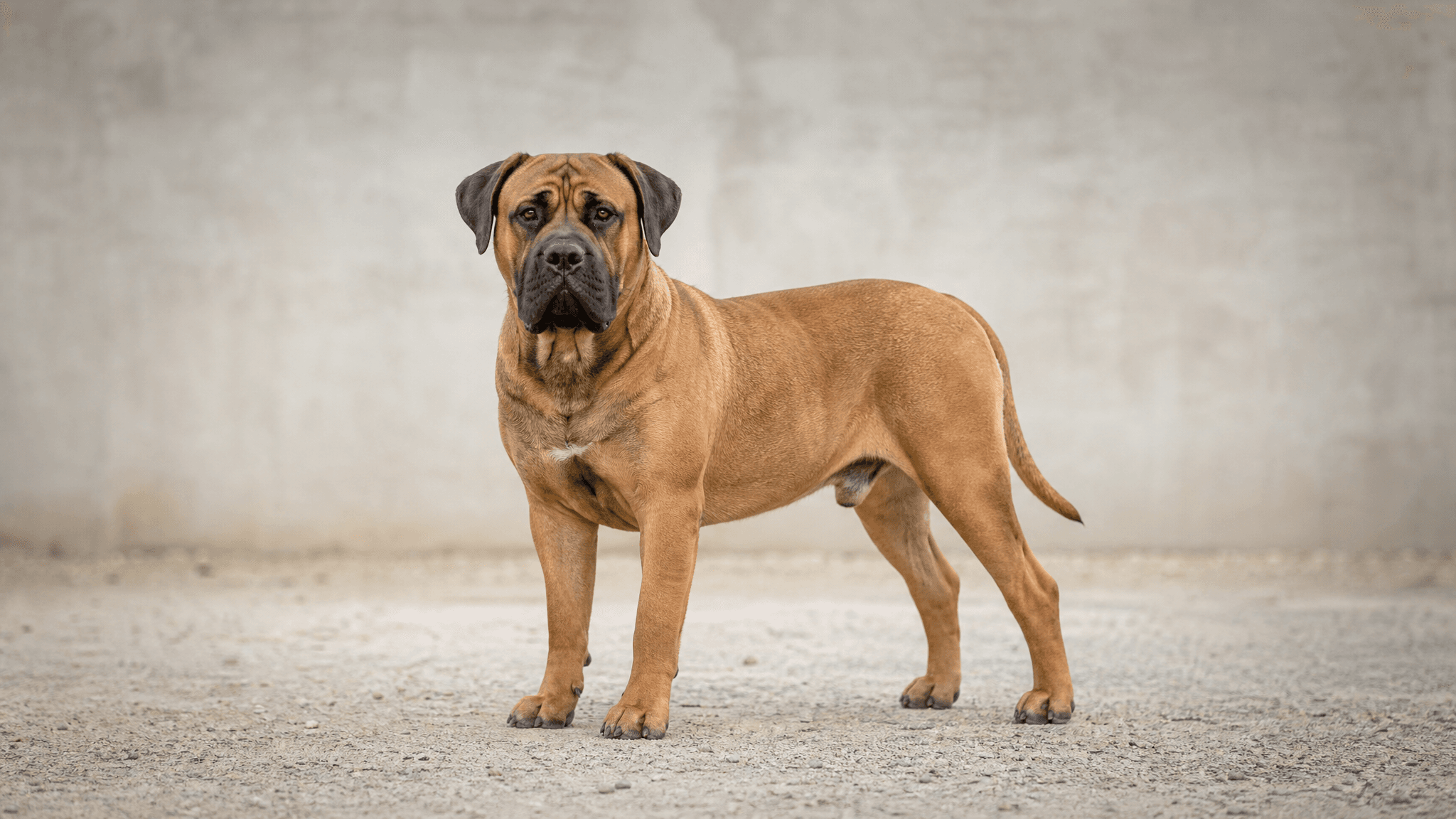
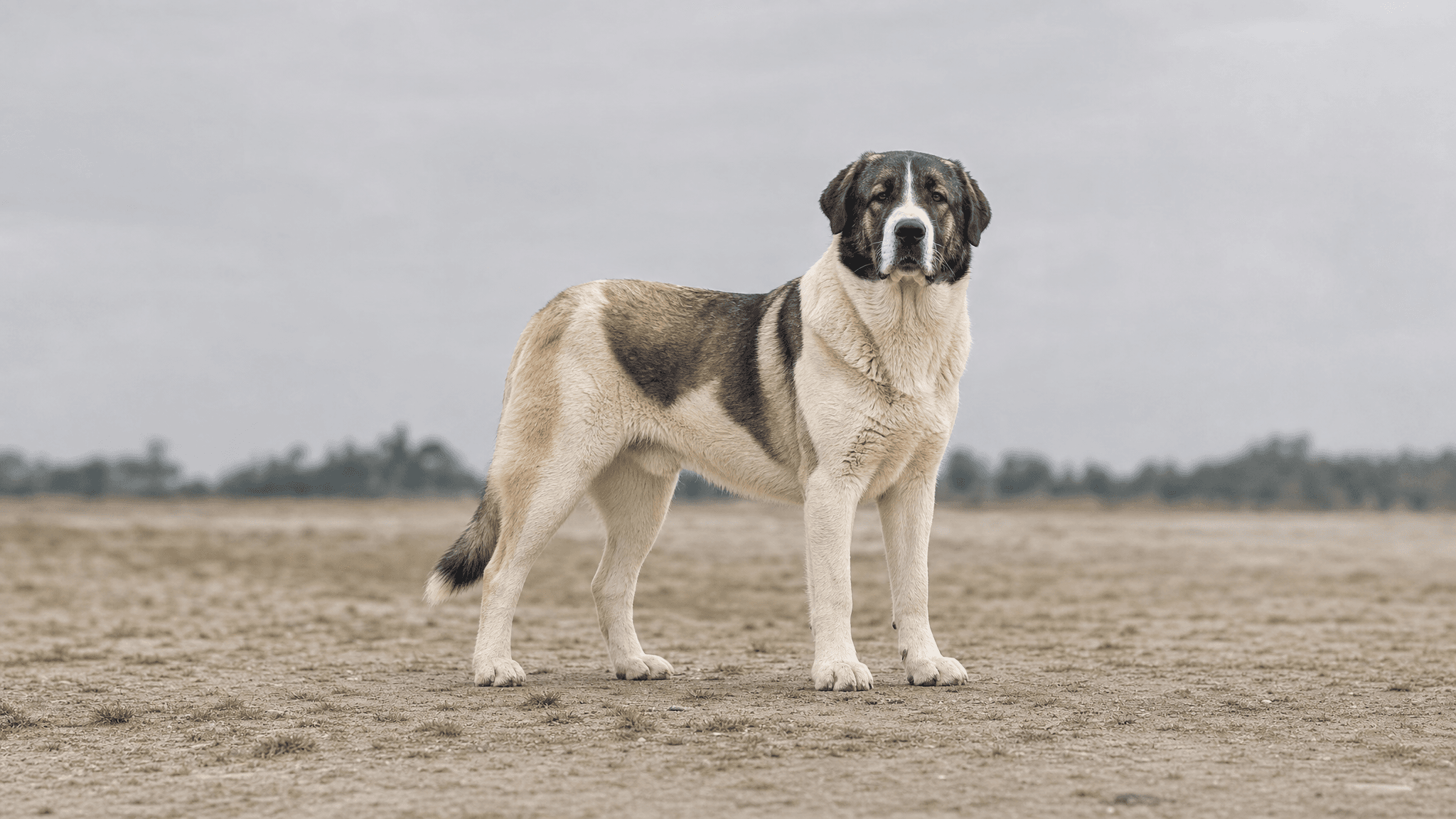
Anatolian Shepherd Dog
Summary
The Anatolian Shepherd Dog is a large Turkish livestock guardian breed developed to work independently protecting flocks from predators. Because naming and standards overlap with Kangal-type dogs in some systems, it is kept as its own non-FCI legacy row unless a later product decision merges it.
Physical Characteristics
- Size
- Giant
- Height (male)
- 73.5 cm
- Height (female)
- 68.5 cm
- Weight (male)
- 50–68 kg
- Weight (female)
- 36–54.5 kg
- Life Expectancy
- 11–13 years
- Coat
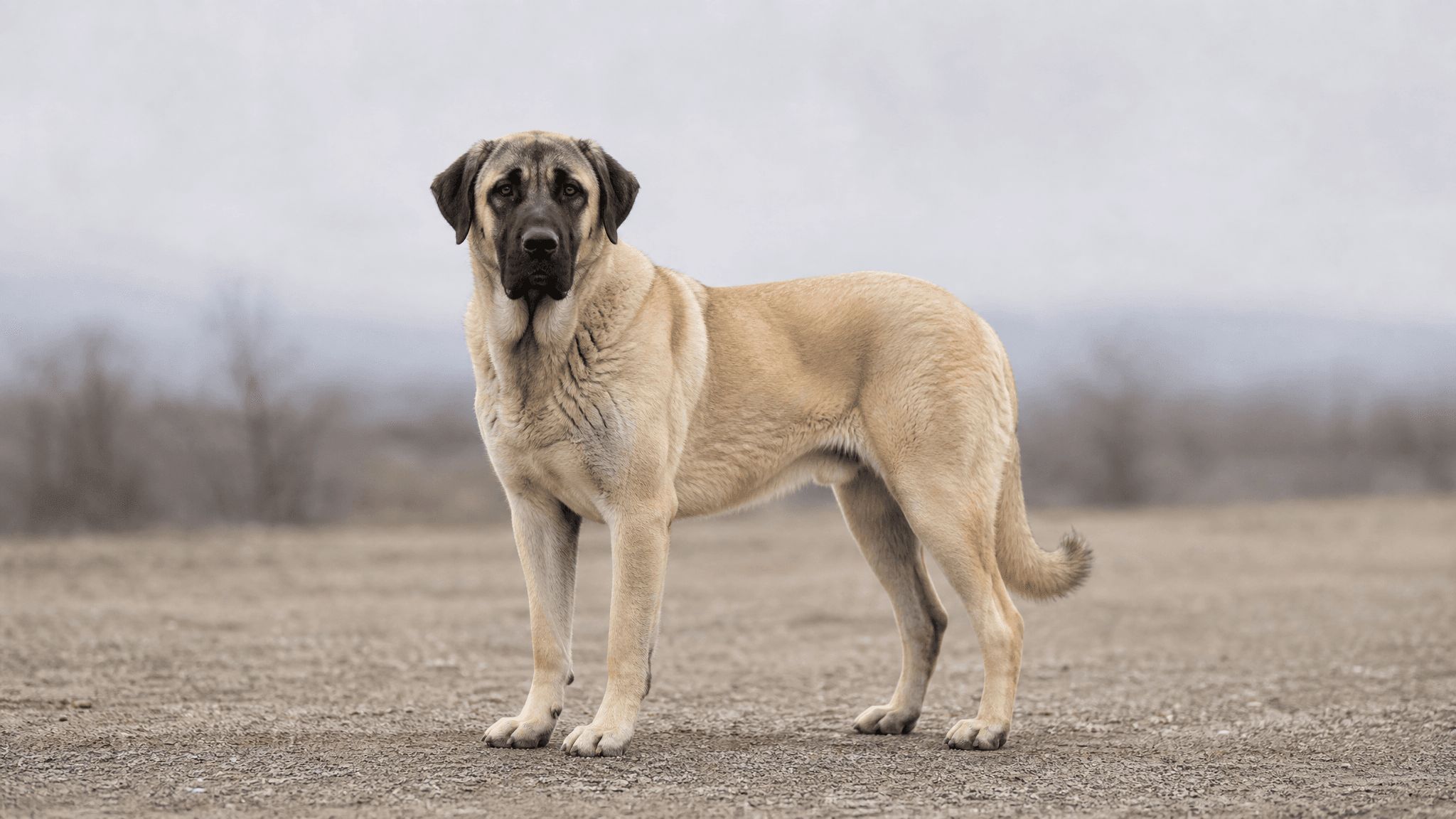
- Short to moderately long double coat with a dense undercoat
- Common Colors
- All colors and markings; fawn with black mask is common
Temperament & Personality
The Anatolian Shepherd Dog is loyal, calm, independent, protective, and observant. It is a serious livestock guardian that needs space, socialization, and experienced handling.
Activity & Exercise
- Energy Level
- Moderate to high
- Recommended Daily Exercise
- 60–90 minutes
- Suitable for Apartment
- Not recommended
Grooming & Care
- Grooming Needs
- Moderate
- Shedding
- Heavy
- Bathing Frequency
- Every 6–8 weeks
Health
- Common Health Issues
- Bloat
- Elbow dysplasia
- Entropion
- Hip dysplasia
- Hypothyroidism
- Recommended Health Tests
- Elbow evaluation
- Eye examination
- Hip evaluation
- Thyroid evaluation
Compatibility
- With Children
- Moderate
- With Other Dogs
- Moderate
- With Cats
- Moderate
- For First-Time Owners
- Not recommended
Is an Anatolian Shepherd Dog right for you?
An Anatolian Shepherd Dog may suit you if:
- You are prepared to provide 60 to 90 minutes of daily exercise and engaging mental challenges for a giant, active dog.
- You enjoy a lifestyle that includes ample outdoor space where a protective guardian can thrive.
- You appreciate a loyal, independent, and observant companion with a serious and calm demeanor.
- You are committed to consistent, experienced training and extensive socialization from a young age.
- You are prepared for moderate grooming needs, including regular brushing to manage heavy shedding from their dense double coat.
- You understand and can manage the natural protective instincts of a serious livestock guardian breed.
Think twice if:
- You expect instant obedience or a highly biddable dog, as their independent nature means they prefer to think for themselves.
- You have a routine that leaves a giant, protective dog alone for long periods, as they thrive on companionship and purpose.
- You are unwilling to carefully manage interactions with children or other pets, given their moderate compatibility ratings.
- You are not prepared for consistent daily exercise or the ongoing commitment of managing heavy shedding and moderate grooming.
- You live in an apartment or do not have securely fenced, ample outdoor space for a giant breed.
- You are not prepared for the physical demands of handling a powerful, giant breed through its adolescent phase.
Bringing an Anatolian Shepherd Dog into your life is a profound commitment to a truly magnificent, independent spirit. While their loyalty and protective nature are deeply rewarding, they are not a dog for everyone. Their need for experienced handling, ample space, and consistent guidance means you'll be signing up for a partnership that demands respect for their unique heritage and strong will. The bond you forge will be immense, but it requires understanding and dedication.
Training an Anatolian Shepherd Dog
Training an Anatolian Shepherd Dog requires patience, consistency, and a deep understanding of their independent, protective nature. These intelligent guardians are motivated by fair, positive reinforcement and a strong, trusting bond with their handler, rather than an inherent desire to please. Training sessions should be short, engaging, and consistent, always ending on a positive note to keep their focus. If a handler is inconsistent, uses harsh methods, or fails to establish clear, confident leadership, an Anatolian Shepherd will confidently make their own decisions, which, given their giant size and protective instincts, can lead to significant behavioral challenges.
Begin with:
- Attention and response to name around distractions
- Recall on a long line
- Loose-leash walking
- Leave it and drop it
- Calm greetings without jumping
- Settling on a mat or bed
- Cooperative handling for grooming, ears, feet and teeth
- Waiting at doors and gates
Recall and prey drive
Anatolian Shepherds were bred to independently protect livestock from predators, giving them a strong prey drive and a tendency to make their own decisions. This means that a reliable recall can be a significant challenge, especially when they spot something interesting in the distance. Start recall training in a secure, distraction-free area, gradually introducing distractions and always making coming to you the most rewarding option. Practice on a long line to ensure safety and success, making yourself more exciting than any potential distraction.
Always be vigilant in new environments and consider using a long line in unfenced areas to prevent your Anatolian from giving in to their instincts and wandering off to investigate. Consistent, positive reinforcement for checking in with you, even without a command, will help reinforce their bond and your importance in their world. For more tips, check out our guide on teaching recall.
Pulling on the leash
Given their giant size and impressive strength, an Anatolian Shepherd pulling on the leash can quickly become unmanageable. Early and consistent loose-leash training is crucial. Begin in a quiet environment, rewarding every step your dog takes with a loose leash. If they pull, stop walking immediately and only resume when the leash slackens. Consistency is key; every walk is a training opportunity.
Using appropriate equipment, such as a front-clip harness, can help manage pulling while you work on training. Avoid retractable leashes, which can encourage pulling and offer less control. Remember, patience and positive reinforcement will yield the best results with this independent breed. Our guide to stopping leash pulling offers more in-depth advice.
Boredom and destruction
Anatolian Shepherds have a moderate to high energy level and were bred to be active and observant. If under-exercised, under-stimulated, or left alone for too long, they can become bored and destructive. This might manifest as excessive barking, digging, or chewing on furniture and other household items. They are not recommended for apartment living and thrive with ample space and a purpose.
Ensure your Anatolian Shepherd receives their recommended 60-90 minutes of daily exercise, including walks and playtime in a secure yard. Provide plenty of mental stimulation through puzzle toys, training sessions, and opportunities to observe their surroundings. A consistent routine and appropriate outlets for their energy will help prevent unwanted behaviors. Consider using our training feature to help build a consistent routine.
Anatolian Shepherd Dog — Frequently Asked Questions
What is the Anatolian Shepherd Dog's original purpose?
The Anatolian Shepherd Dog is one of the world's oldest and most effective livestock guardian breeds, developed over thousands of years in the Anatolian plateau of Turkey. They were bred to live with and independently guard livestock — sheep, goats, cattle — against wolves, bears, and other large predators, without needing direction from a shepherd. This ancient purpose defines their entire character: deeply protective, highly independent, instinctively territorial, and capable of making autonomous decisions under threat. They are not herding dogs — they do not move livestock — they guard it.
Is the Anatolian Shepherd Dog a good family pet?
The Anatolian Shepherd Dog is not a typical family pet — they are a serious working livestock guardian breed that requires experienced, committed ownership. In the right hands — a property with land, livestock or a working role, and an experienced large-breed owner — they can be deeply loyal and protective family guardians. They form strong bonds with their household but are reserved and wary of strangers, including visitors. They are generally good with children in their own family when raised together, but their large size and independent, protective nature mean they must be raised with clear structure from puppyhood and managed carefully around unfamiliar people.
How much exercise does an Anatolian Shepherd Dog need?
Anatolian Shepherd Dogs need moderate exercise — around 60–90 minutes daily — but the type matters as much as the amount. They are not high-intensity athletic dogs like Huskies or Border Collies; they were bred for extended patrolling and alert watching over their territory. Long walks, patrolling a large property, and off-leash movement in a large, securely fenced area suit them best. A large garden or land is strongly preferred — they are not suited to apartment living or small urban plots. They are more active at night than many breeds, as this is when predators move and when they naturally patrol.
Are Anatolian Shepherd Dogs easy to train?
Anatolian Shepherd Dogs are highly intelligent but extremely independent — one of the most challenging breeds to train in the conventional sense. They were bred to think and act independently without human direction, and this instinct is deeply ingrained. They understand commands readily but will frequently decide whether or not the command is appropriate to the situation. Positive, respectful training from a calm, confident handler works; forceful or harsh methods are counterproductive and can create a dangerous dog. Early socialisation is critical. They will never be 'obedient' in the way a herding or gun dog is — but with experienced handling they can be reliable and manageable.
What are the health concerns for Anatolian Shepherd Dogs?
Anatolian Shepherd Dogs are generally healthy for their size, with fewer hereditary issues than many large breeds. Key concerns include hip and elbow dysplasia — common in large, heavy breeds; OFA screening of parents is recommended. Hypothyroidism has been documented. Entropion (inward rolling eyelid) can occur. Bloat (GDV) is a serious risk given their deep-chested build — feed smaller meals and avoid exercise around mealtimes. They can be sensitive to anaesthesia and some medications — always inform your vet of the breed when scheduling procedures. Regular vet monitoring is important.
How long do Anatolian Shepherd Dogs live?
Anatolian Shepherd Dogs have an average lifespan of 11–13 years, reasonable for a large, powerful breed. Their naturally robust constitution supports good longevity when properly managed. Key factors include maintaining a healthy weight (critical given their large frame), managing hip health through appropriate exercise (swimming and walking rather than high-impact jumping), preventing GDV through careful feeding practices, annual vet check-ups, regular dental care, and sourcing from health-screened breeding lines. Dogs with an active working role — regularly exercised on a property — often remain healthy and vigorous into their early teens.
Are Anatolian Shepherd Dogs good with other animals?
Anatolian Shepherd Dogs can be excellent with livestock when raised with them from puppyhood — this is their primary instinctive relationship. Bonding with their flock from an early age is central to their working purpose. With dogs, they can be dominant and territorial, particularly with same-sex dogs and unfamiliar dogs entering their territory. They are generally tolerant of dogs they have been raised with. Their relationship with cats is variable — some Anatolians raised with cats accept them as part of their 'flock'; others view them as prey. Their strong protective instinct means they treat their home territory as their charge.
Do Anatolian Shepherd Dogs bark a lot?
Yes — Anatolian Shepherd Dogs are naturally vocal and will bark, particularly at night. Barking is a core part of their livestock guardian function — warning predators away before physical confrontation becomes necessary. They will patrol and bark at the boundaries of their territory, especially from dusk onward when predators are active. In a working farm context this is entirely appropriate. In a residential area this can be a serious issue for neighbours. Proper containment, clear boundary management, and understanding that this is a working trait rather than a behaviour problem are essential considerations before getting an Anatolian.
Community
Talk to real Anatolian Shepherd Dog owners
This guide covers the breed on paper. In the app, the Anatolian Shepherd Dog community covers it in real life: photos from other owners, questions answered by people who live with the breed, and a directory of dogs you can browse.
- Photos & pollsSee what Anatolian Shepherd Dog owners are sharing today.
- Questions & answersAsk anything and hear from people who own one.
- Dog directoryBrowse Anatolian Shepherd Dogs from around the world.
You join automatically when you add a Anatolian Shepherd Dog to your profile.