Cão De Gado Transmontano
Summary
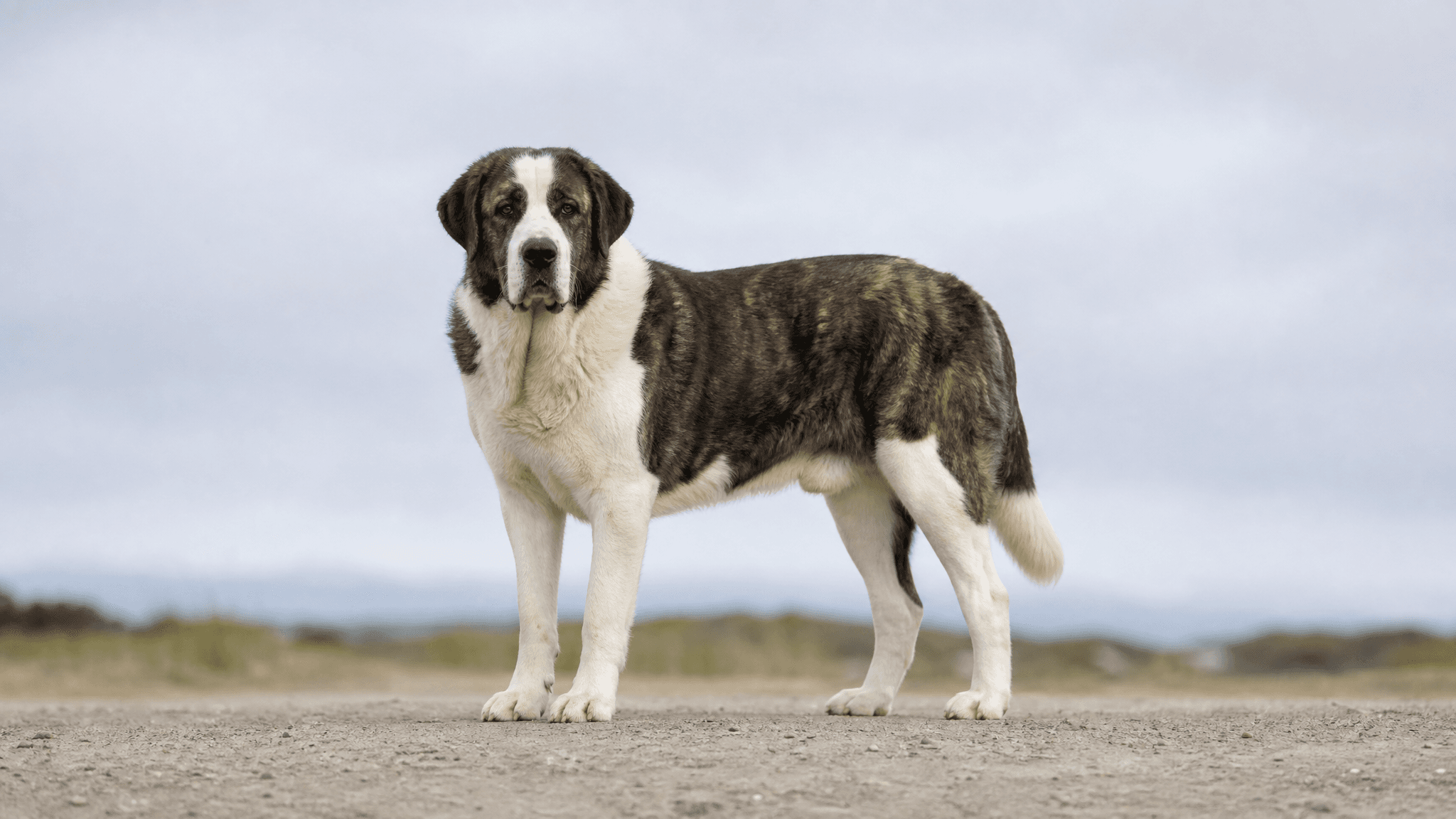
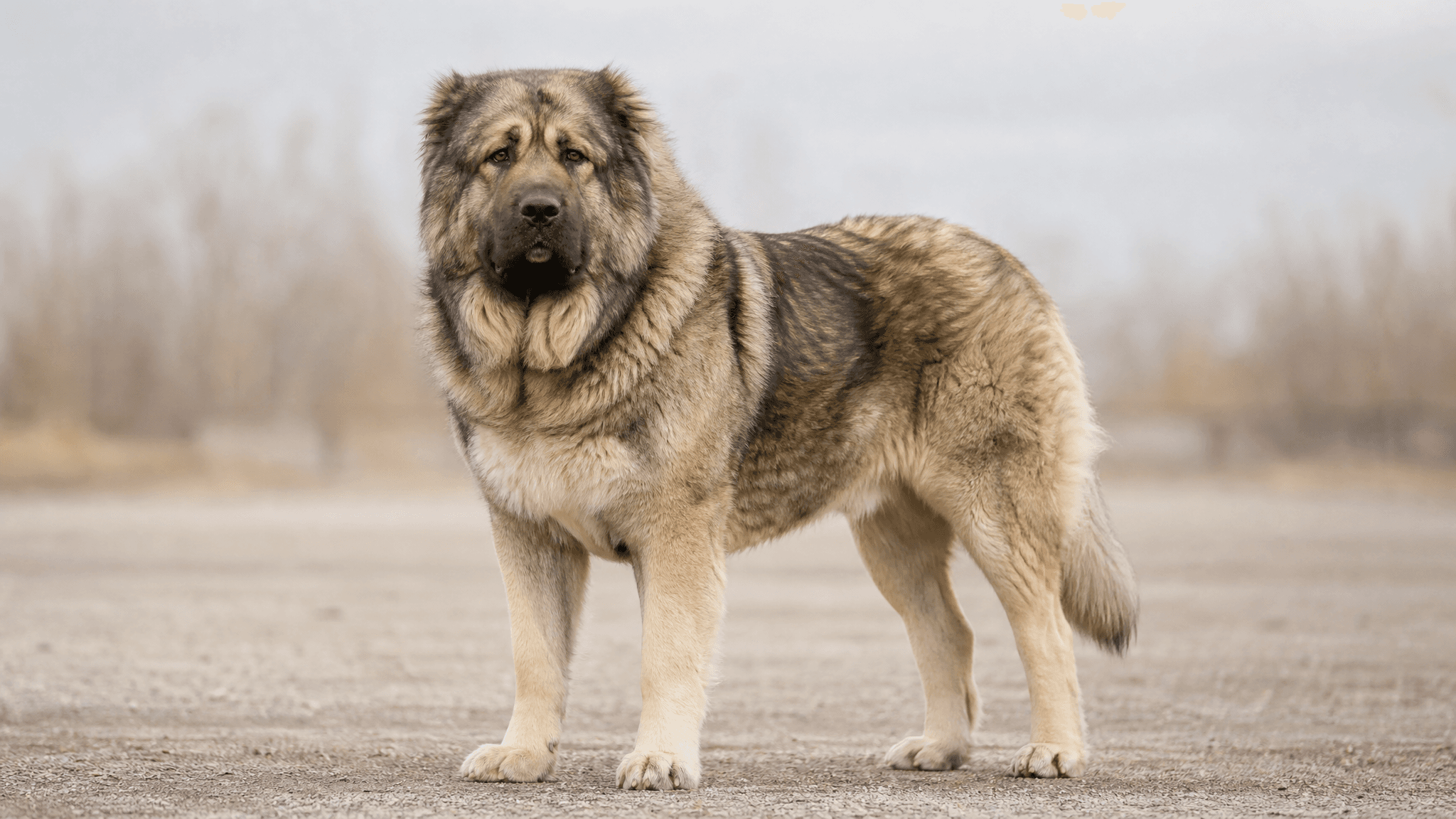
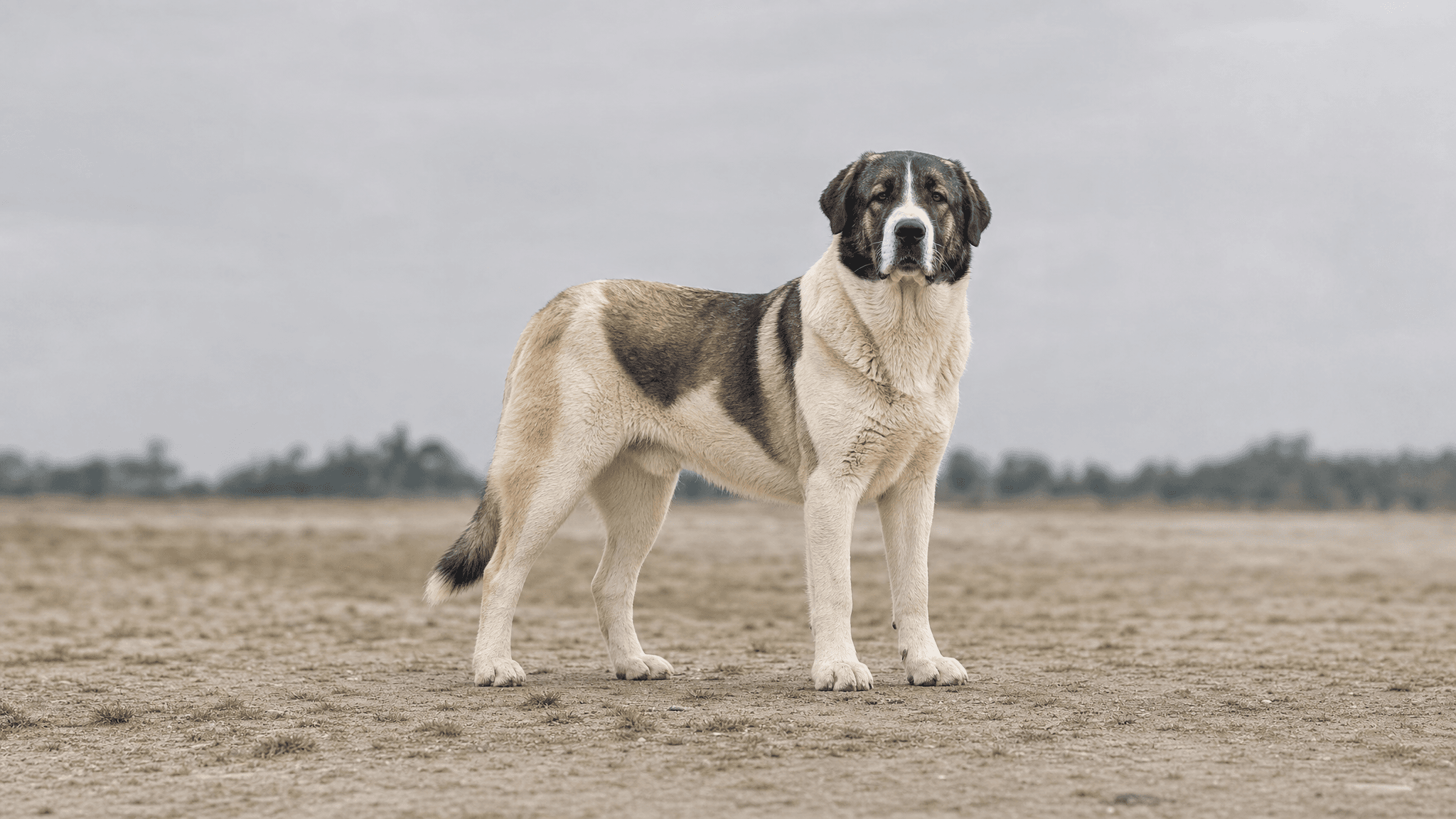
The Transmontano Mastiff is the largest Portuguese breed and one of the largest on the Iberian Peninsula. Originating from the Trás-os-Montes region in northeastern Portugal, it is an imposing flock guardian that works on the rocky and wooded slopes of this mountainous region. Provisionally recognised by the FCI in 2020, it is still very rare outside its region of origin, where more than 95% of dogs still actively work as guardians.
Physical Characteristics
- Size
- Giant
- Height (male)
- 75–85 cm
- Height (female)
- 68–78 cm
- Weight (male)
- 60–75 kg
- Weight (female)
- 50–60 kg
- Life Expectancy
- 10–12 years
- Coat
- Dense, medium length, very thick
- Common Colors
- White with black, yellow, fawn, or wolf-grey patches; solid colours (fawn, yellow, wolf-grey) also accepted
Temperament & Personality
The Transmontano Mastiff is docile but reserved — never aggressive without reason, but always alert and ready to defend its flock or territory. It has a serene expression and a natural calm that contrasts with its impressive mass. It lives and works well in groups, and it is normal to find it sharing work with other dogs of the same sex, something unusual in other guard breeds. With people it knows, it is gentle and receptive to attention.
Activity & Exercise
- Energy Level
- Moderate
- Recommended Daily Exercise
- 60–90 minutes
- Suitable for Apartment
- Not recommended
Grooming & Care
- Grooming Needs
- Moderate
- Shedding
- Moderate to heavy
- Bathing Frequency
- Every 6–8 weeks
Health
- Common Health Issues
- General joint problems
- Hip dysplasia
- Recommended Health Tests
- Hip radiography
Compatibility
- With Children
- Good
- With Other Dogs
- Good
- With Cats
- Moderate
- For First-Time Owners
- Not recommended
Is a Cão de Gado Transmontano right for you?
A Cão de Gado Transmontano may suit you if:
- You are prepared to provide 60 to 90 minutes of daily exercise to keep their moderate energy level satisfied.
- You enjoy an active, rural lifestyle where your dog can patrol and feel purposeful.
- You appreciate a naturally calm, serene companion who is alert and protective without being aggressive.
- You are prepared for consistent, patient training to guide a large, independent guardian breed.
- You are willing to commit to moderate grooming for their dense, thick coat, including regular brushing.
- You understand and can manage their natural instinct to guard and protect their home and family.
Think twice if:
- You expect immediate and unquestioning obedience from a giant, independent working breed.
- You have a routine that requires leaving your dog alone for long stretches each day.
- You are unwilling to carefully introduce and supervise them with smaller, non-canine pets.
- You are unable to dedicate 60-90 minutes daily to their exercise or manage moderate to heavy shedding.
- You live in an apartment or do not have a securely fenced, spacious yard for a giant breed.
- You are not prepared to handle a powerful, giant-sized dog through its adolescent phase.
The Cão de Gado Transmontano is a magnificent, ancient guardian, deeply loyal and calm, yet profoundly independent. Living with this giant breed means embracing their protective instincts and providing ample space and purpose. While they offer immense companionship, they are not a casual choice; they thrive with experienced owners who understand their unique needs and are prepared for a truly committed partnership.
Training a Cão de Gado Transmontano
The Cão de Gado Transmontano, a giant and reserved guardian, learns best through consistent, positive reinforcement that respects their inherent independence and intelligence. Short, engaging training sessions, focused on clear communication and rewarding desired behaviors, will build trust and cooperation. Harsh corrections or inconsistency will quickly erode their willingness to engage, leading to a standoffish attitude rather than genuine partnership. They thrive when they understand their role and feel secure in your guidance and leadership, making training a rewarding partnership.
Begin with:
- Attention to name around distractions
- Recall on a long line
- Loose-leash walking
- Leave it and drop it
- Calm greetings without jumping
- Settling on a mat or bed
- Cooperative handling for grooming, ears, feet and teeth
- Waiting at doors and gates
Guardian Instincts
Your Transmontano Mastiff possesses a powerful natural instinct to guard, being "always alert and ready to defend its flock or territory." This can manifest as barking at perceived threats or being reserved with strangers. Instead of trying to suppress this innate drive, channel it by teaching appropriate alert signals and clear boundaries. Reward calm behavior around non-threatening stimuli and ensure early, positive socialization experiences to help them discern true threats from everyday occurrences. Consistent training helps them understand when their guardian role is needed and when to relax.
Focus on building a strong bond and clear communication so your dog trusts your judgment in various situations. This breed's natural calm, contrasting with its impressive mass, means they are observant rather than reactive, but their protective nature needs careful guidance.
Leash Manners and Strength
Given their giant size and impressive mass, with males weighing 60-75 kg and females 50-60 kg, a Cão de Gado Transmontano pulling on the leash can be a significant challenge, especially for owners not recommended as first-timers. Early and consistent training in loose-leash walking is paramount. Use a comfortable, well-fitting harness that discourages pulling rather than a collar, which can strain their neck. Practice in quiet environments before gradually introducing distractions.
Patience and positive reinforcement are key to teaching them to walk politely by your side, ensuring walks are enjoyable for both of you. For more detailed guidance, see how to stop a puppy pulling on the leash. Remember, consistency from the start prevents ingrained habits that are harder to change later.
Boredom and Destructive Habits
Despite their serene expression and natural calm, Transmontano Mastiffs are working dogs with a moderate energy level requiring 60-90 minutes of exercise daily. If under-exercised, under-stimulated, or left alone for extended periods, they can become bored, leading to destructive behaviors like chewing or excessive barking. Ensure they receive adequate physical activity and mental enrichment through puzzle toys, training sessions, and interactive play. They are not recommended for apartment living, so a secure yard is ideal.
Provide a stimulating environment that caters to their intelligence and natural instincts. If you notice signs of stress when they are left alone, such as excessive vocalization or destructive chewing, consult this guide for help. A well-exercised and mentally engaged Cão de Gado Transmontano is a happy and well-behaved companion.
Cão De Gado Transmontano — Frequently Asked Questions
What is the Cão de Gado Transmontano?
The Cão de Gado Transmontano, often called the Transmontano Mastiff, is a magnificent giant breed from the Trás-os-Montes region in northeastern Portugal. It's the largest Portuguese breed and one of the biggest on the Iberian Peninsula, belonging to the FCI Group 2 (Mountain type). These impressive dogs are renowned for their imposing size, serene expression, and natural calm, which beautifully contrasts with their powerful physique. They are truly a sight to behold, embodying strength and tranquility.
What was the Cão de Gado Transmontano originally bred for?
Historically, the Cão de Gado Transmontano was bred for a very specific and vital purpose: to be an imposing flock guardian. Originating from the rugged, mountainous Trás-os-Montes region of Portugal, these dogs were developed to protect livestock from predators on the rocky and wooded slopes. Even today, their ancient instincts are strong, with over 95% of the breed still actively working as guardians in their homeland. They are truly dedicated protectors, embodying centuries of loyal service to their flocks.
How much exercise does a Cão de Gado Transmontano need?
Despite their giant size, Cão de Gado Transmontanos have a moderate energy level, meaning they don't require an extreme amount of exercise, but they certainly need their daily activity! Aim for about 60 to 90 minutes of exercise each day. This could include a good long walk, exploring a secure yard, or engaging in some purposeful activities. Regular, consistent exercise will help keep your Transmontano Mastiff happy, healthy, and well-balanced, ensuring they stay in great shape both physically and mentally.
Is the Cão de Gado Transmontano a good family dog?
The Cão de Gado Transmontano can be a wonderful family dog, especially with proper socialization from a young age. They are naturally docile but reserved, never aggressive without reason, and possess a calm demeanor. While they are always alert and ready to defend their territory, with people they know and trust, they are affectionate and loyal. They also tend to live and work well in groups, even with other dogs of the same sex, which is quite unique for a guardian breed. Early introductions to children and other pets are key for a harmonious home.
Is the Cão de Gado Transmontano easy to train?
Training a Cão de Gado Transmontano requires patience, consistency, and a clear understanding of their guardian instincts. They are intelligent and possess a serene, calm temperament, but their primary drive is to protect. While docile, they are also reserved and independent thinkers. Positive reinforcement methods work best, building trust and respect. Early socialization and consistent training are crucial to guide their protective nature, ensuring they understand their role within the family. Their ability to work well in groups also suggests a capacity for cooperation, which can be harnessed in training.
What health issues are common in the Cão de Gado Transmontano?
Like many large and giant breeds, the Cão de Gado Transmontano can be prone to certain health concerns, particularly those related to their skeletal structure. The most commonly documented health issues for this magnificent breed include general joint problems and hip dysplasia. Responsible breeders screen their dogs for these conditions to help ensure the healthiest puppies possible. Regular veterinary check-ups, a balanced diet, and appropriate exercise throughout their life can also play a significant role in managing and mitigating potential joint issues, helping your beloved companion stay comfortable and active.
What is the Cão de Gado Transmontano's coat like and how much grooming does it need?
The Cão de Gado Transmontano typically boasts a dense, medium-length coat that is well-suited to the rugged, mountainous terrain of its origin. This protective coat helps shield them from various weather conditions. While not overly demanding, regular grooming is beneficial to keep their coat healthy and free of mats, especially during shedding seasons. A good brushing a few times a week will help remove loose hair, distribute natural oils, and keep them looking their best. It's a wonderful opportunity for bonding, too!
What is the typical lifespan of a Cão de Gado Transmontano?
The Cão de Gado Transmontano, with proper care, nutrition, and a loving environment, typically enjoys a lifespan of approximately 10 to 12 years. As with all breeds, individual lifespans can vary based on genetics, overall health, and lifestyle. Providing them with a high-quality diet, regular veterinary care, and plenty of love and appropriate exercise will contribute significantly to their well-being and help them live a full, happy life by your side. They are truly devoted companions who deserve the best care for every year they share with you.
Community
Talk to real Cão De Gado Transmontano owners
This guide covers the breed on paper. In the app, the Cão De Gado Transmontano community covers it in real life: photos from other owners, questions answered by people who live with the breed, and a directory of dogs you can browse.
- Photos & pollsSee what Cão De Gado Transmontano owners are sharing today.
- Questions & answersAsk anything and hear from people who own one.
- Dog directoryBrowse Cão De Gado Transmontanos from around the world.
You join automatically when you add a Cão De Gado Transmontano to your profile.