Caucasian Shepherd Dog
Summary
The Caucasian Shepherd Dog is one of the largest and most imposing flock guardians in the world, originating from the Caucasus Mountains. With a history spanning several thousand years, it was used to protect flocks from wolf and bear attacks and from thieves in the most remote regions of the former USSR. It is a highly trustworthy guard dog, but with a very independent temperament that is difficult to manage for inexperienced owners.
Physical Characteristics
- Size
- Giant
- Height (male)
- 68–75 cm
- Height (female)
- 64–70 cm
- Weight (male)
- 50–80 kg
- Weight (female)
- 40–65 kg
- Life Expectancy
- 10–12 years
- Coat
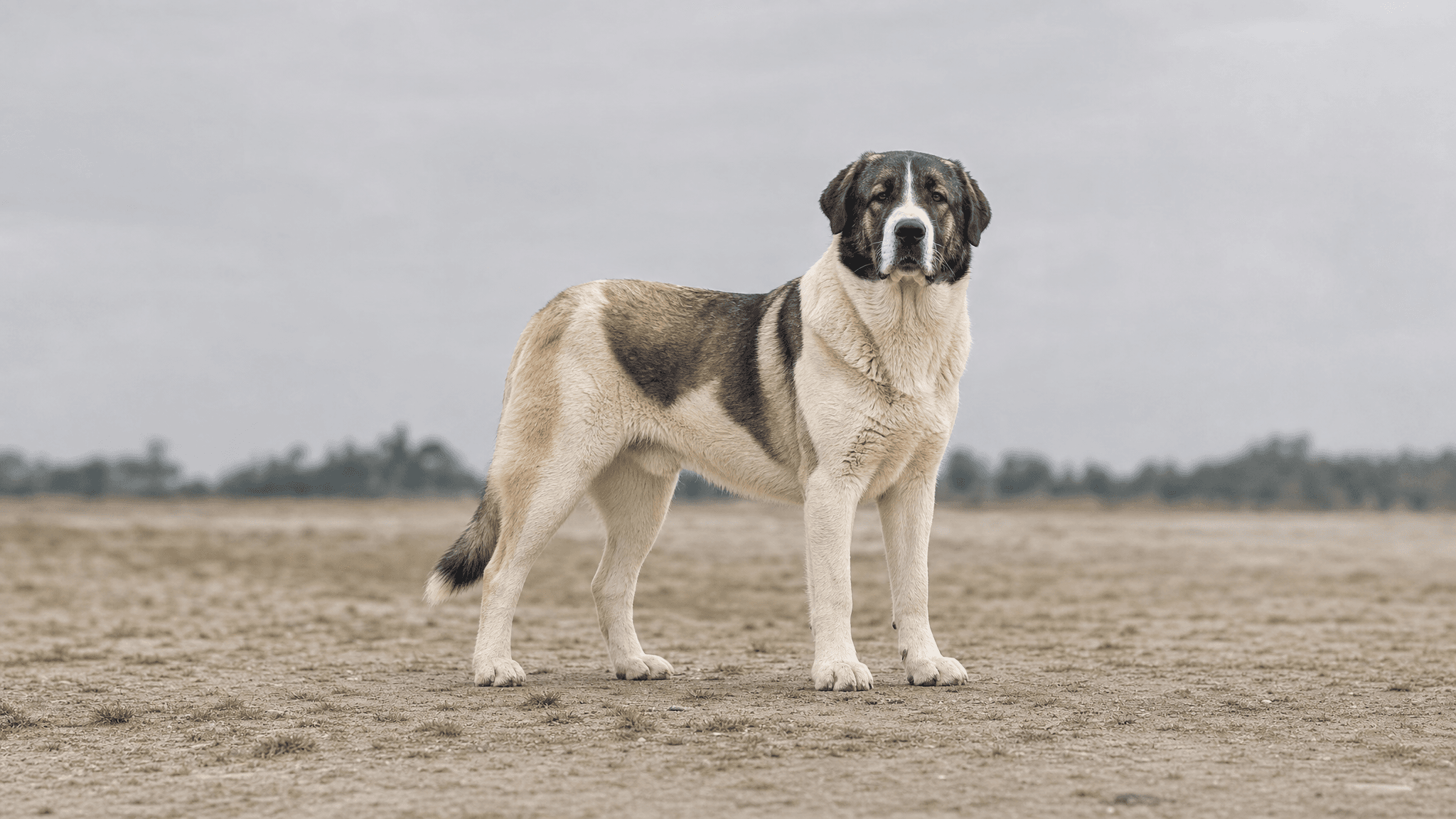
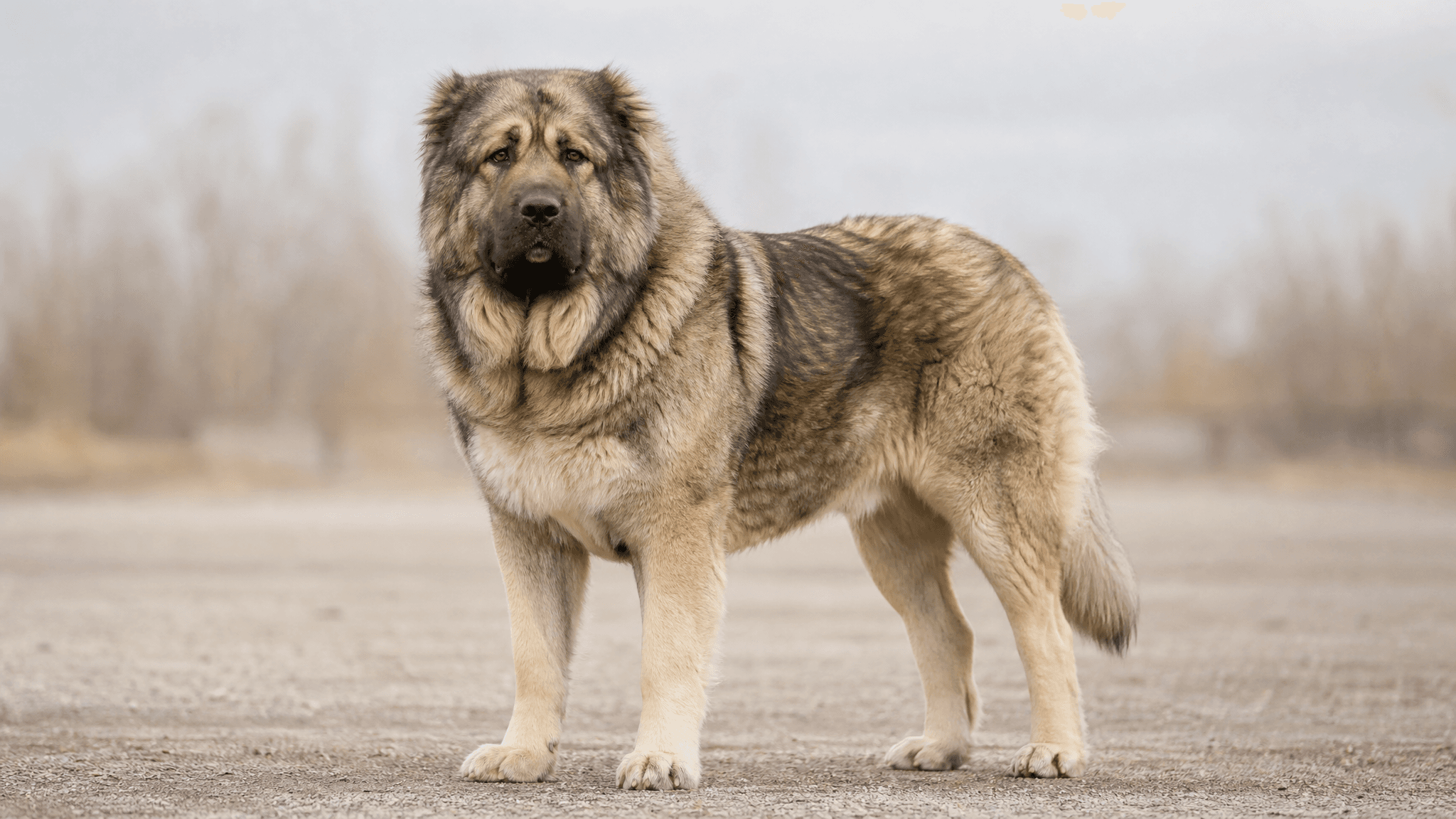
- Three varieties: long-haired, medium-haired, and short-haired; all with dense undercoat
- Common Colors
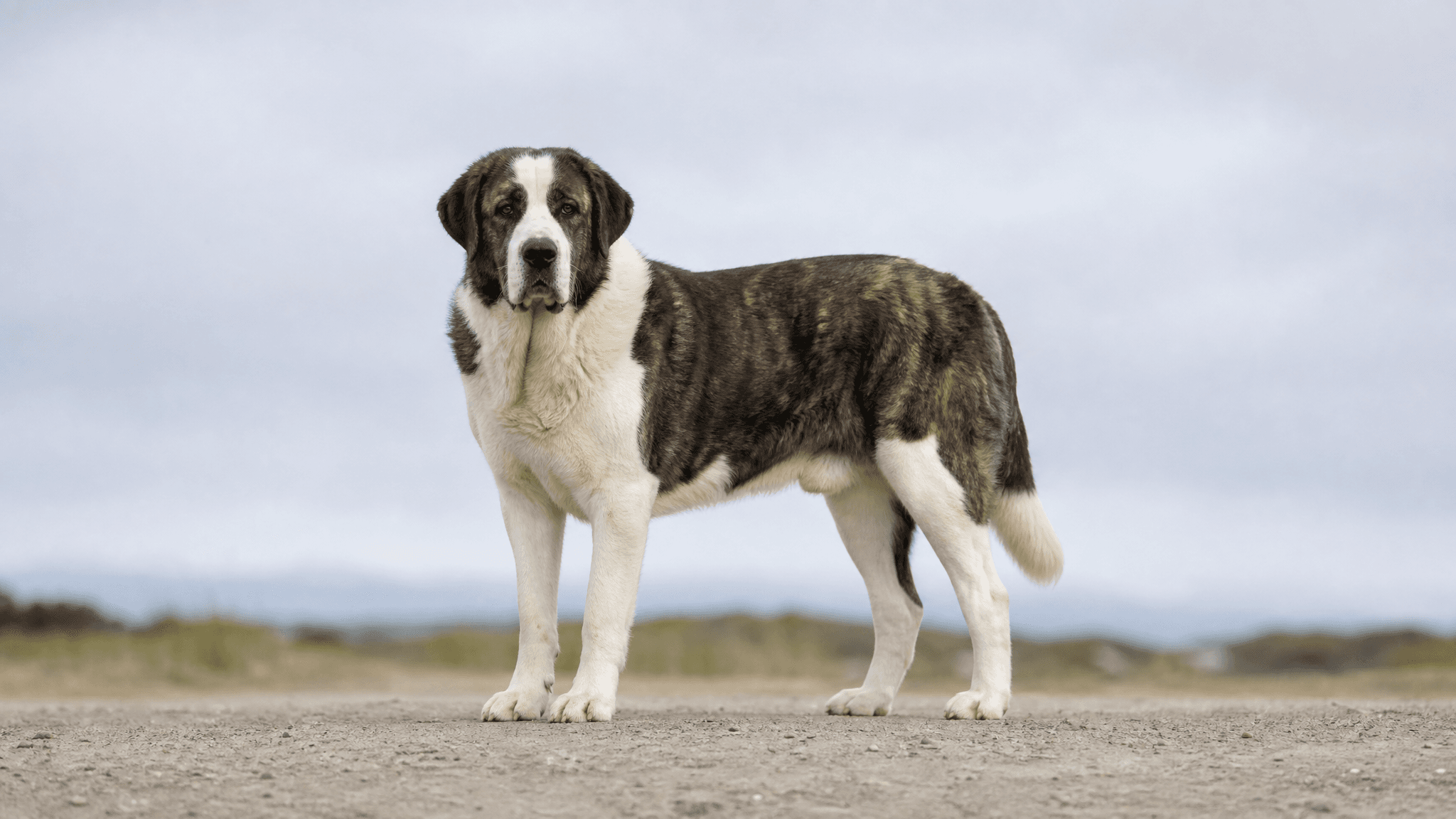
- Any solid colour, brindle, or with patches, except solid black or with black mask
Temperament & Personality
The Caucasian Shepherd Dog is a born guardian, absolutely devoted to its territory and family, but deeply suspicious of any stranger. It has a very strong and independent personality, which makes training a real challenge for those without experience. It is courageous to the extreme — it will never back down before a wolf or bear — and has remarkable physical endurance. It needs an experienced, firm owner who understands the nature of guard dogs.
Activity & Exercise
- Energy Level
- Moderate
- Recommended Daily Exercise
- 60–90 minutes
- Suitable for Apartment
- Not recommended
Grooming & Care
- Grooming Needs
- Moderate to high
- Shedding
- Heavy
- Bathing Frequency
- Every 8–12 weeks
Health
- Common Health Issues
- Gastric torsion
- Hip dysplasia
- Recommended Health Tests
- Hip radiography
Compatibility
- With Children
- Moderate
- With Other Dogs
- Can be difficult
- With Cats
- Can be difficult
- For First-Time Owners
- Not recommended
Is a Caucasian Shepherd Dog right for you?
A Caucasian Shepherd Dog may suit you if:
- You are prepared to provide 60 to 90 minutes of daily exercise and engaging mental challenges.
- You enjoy a lifestyle that values a loyal, watchful companion dedicated to its home and loved ones.
- You appreciate a dog with a strong, independent personality and a natural guardian instinct.
- You are committed to consistent, firm, and positive training methods from a young age.
- You are ready for regular grooming to manage a dense coat that sheds heavily, especially seasonally.
- You are willing to manage a natural protectiveness that includes suspicion towards unfamiliar people.
Think twice if:
- You expect immediate, eager obedience from a dog, as this breed has a very independent mind.
- You have a routine that requires your dog to be left alone for long periods, which this breed dislikes.
- You have young children or other pets and are not prepared for careful, ongoing management and supervision.
- You are unwilling to commit to daily exercise and consistent grooming for a large, heavily shedding dog.
- You live in an apartment or do not have a securely fenced, spacious yard for a giant, protective breed.
- You are not prepared for the physical strength and strong will of a giant breed during its adolescent phase.
Living with a Caucasian Shepherd Dog is a profound commitment to a truly magnificent guardian. Their unwavering loyalty is matched by an independent spirit and deep suspicion of strangers, demanding an experienced hand. While they offer immense devotion, their unique needs mean they thrive only with owners who truly understand and embrace their powerful, protective nature throughout their 10 to 12-year lifespan.
Training a Caucasian Shepherd Dog
Training a Caucasian Shepherd Dog requires immense patience and a deep understanding of their independent, guardian nature. These intelligent giants learn best through consistent, positive reinforcement, especially when motivated by high-value treats and praise from their trusted handler. Keep training sessions short, engaging, and fun to maintain their focus and prevent boredom. Inconsistency or harsh methods will quickly erode trust and can lead to a stubborn refusal to cooperate, making an already challenging task even more difficult. Their strong will means you must be a firm, fair, and experienced leader from day one, guiding them with confidence and clarity.
Begin with:
- Attention and response to name around distractions
- Recall on a long line
- Loose-leash walking
- Leave it and drop it
- Calm greetings without jumping
- Settling on a mat or bed
- Cooperative handling for grooming, ears, feet and teeth
- Waiting at doors and gates
Managing Protective Instincts
Caucasian Shepherd Dogs are born guardians, absolutely devoted to their territory and family, but deeply suspicious of strangers. This strong instinct, while valuable for protection, can manifest as reactivity towards new people or dogs if not carefully managed from puppyhood. Early, positive socialization is critical, exposing them to a wide variety of sights, sounds, people, and appropriate dogs in a controlled manner.
Focus on teaching your dog to calmly observe rather than react. Always supervise interactions and advocate for your dog's space. When introducing new people, do so slowly and calmly, ensuring your dog feels secure. Remember, their courage is extreme, and they will never back down, so consistent training and management are paramount to prevent unwanted confrontations.
Leash Pulling and Control
Given their giant size and immense strength—males can weigh up to 80 kg—a Caucasian Shepherd Dog pulling on the leash can be a serious challenge, even dangerous. It's crucial to start loose-leash training early and consistently. Invest in a sturdy, well-fitting harness that discourages pulling, rather than just a collar, to protect their neck and give you better control.
Practice walking in quiet areas before moving to more stimulating environments. Reward every step taken on a loose leash, making it clear that polite walking earns treats and praise. If your dog pulls, stop immediately until the leash slackens, then continue. For more detailed guidance, check out our guide on stopping leash pulling. Consistency is key to teaching them good leash manners.
Boredom and Independence
While they have a moderate energy level, requiring 60-90 minutes of exercise daily, Caucasian Shepherd Dogs are not suitable for apartment living and need space to patrol and observe. If under-exercised, under-stimulated, or left alone for long periods without appropriate engagement, their independent nature can lead to destructive behaviors, excessive barking, or even attempts to expand their 'territory' in undesirable ways.
Provide plenty of mental stimulation through puzzle toys, scent work, and consistent training sessions using our training feature. Ensure their daily exercise needs are met, combining walks with opportunities for supervised free-roaming in a secure yard. A bored Caucasian Shepherd Dog will find its own (often unwelcome) entertainment, so proactive engagement is essential for a happy home.
Caucasian Shepherd Dog — Frequently Asked Questions
What is the Kavkazskaïa Ovtcharka (Caucasian Shepherd Dog)?
The Kavkazskaïa Ovtcharka, more commonly known as the Caucasian Shepherd Dog, is a truly magnificent and ancient breed originating from the rugged Caucasus Mountains of Russia. This giant dog belongs to FCI Group 2 (Mountain type) and is celebrated as one of the largest and most imposing flock guardians globally. With their immense size, powerful build, and deeply watchful eyes, they embody a formidable presence. They are characterized by their unwavering courage, profound devotion to their territory and family, and a strong, independent spirit that has been honed over centuries.
What was the Kavkazskaïa Ovtcharka (Caucasian Shepherd Dog) originally bred for?
With a history spanning several thousand years, the Kavkazskaïa Ovtcharka was originally bred for a very specific and vital purpose: to protect flocks. Hailing from the remote regions of the former USSR, these dogs were indispensable guardians in the harsh Caucasus Mountains. Their primary role was to fiercely defend livestock from dangerous predators like wolves and bears, as well as from thieves. Their incredible physical endurance and extreme courage made them perfectly suited for this demanding job, ensuring the safety of their charges in some of the most challenging environments on Earth.
How much exercise does a Kavkazskaïa Ovtcharka (Caucasian Shepherd Dog) need?
Despite their giant size, Kavkazskaïa Ovtcharkas have a moderate energy level, meaning they don't require constant, high-intensity activity. However, they still need consistent exercise to stay healthy and happy! We recommend providing them with 60–90 minutes of daily exercise. This could include long, structured walks, supervised playtime in a securely fenced yard, or even some mental stimulation through training sessions. Regular physical activity helps maintain their muscle tone and prevents boredom, which is crucial for a dog with such an intelligent and independent mind.
Is the Kavkazskaïa Ovtcharka (Caucasian Shepherd Dog) a good family dog?
The Kavkazskaïa Ovtcharka can be a devoted family dog, but it's important to understand their unique temperament. They are born guardians, absolutely devoted to their territory and family, but deeply suspicious of strangers. With children, early and extensive socialization is paramount, and interactions should always be supervised due to their sheer size and protective instincts. Introducing them to other pets from a very young age and with careful, consistent training is also essential, as their strong guardian drive can make them challenging in multi-pet households without proper guidance. They thrive with experienced owners.
Is the Kavkazskaïa Ovtcharka (Caucasian Shepherd Dog) easy to train?
Training a Kavkazskaïa Ovtcharka presents a unique challenge, making them best suited for experienced dog owners. They possess a very strong and independent personality, coupled with extreme courage, meaning they will never back down. While intelligent, their independent nature means they aren't always eager to please, and consistent, firm, and fair training from a very young age is crucial. Positive reinforcement methods work best, but you'll need patience and a deep understanding of canine behavior to guide this magnificent breed effectively. Their strong will requires an owner who can establish clear leadership.
What health issues are common in the Kavkazskaïa Ovtcharka (Caucasian Shepherd Dog)?
Like many large and giant breeds, Kavkazskaïa Ovtcharkas can be predisposed to certain health concerns. It's important for prospective owners to be aware of these so they can provide the best possible care. Documented health issues in the breed include Gastric Torsion, often referred to as bloat, which is a serious and life-threatening condition. They can also be susceptible to Hip Dysplasia, a genetic condition affecting the hip joints. Regular veterinary check-ups, a balanced diet, and responsible breeding practices are key to helping your gentle giant live a long and healthy life.
What is the Kavkazskaïa Ovtcharka (Caucasian Shepherd Dog)'s coat like and how much grooming does it need?
Given their origins in the harsh Caucasus Mountains, the Kavkazskaïa Ovtcharka boasts a thick, dense double coat designed to protect them from extreme weather. This impressive coat can be long or medium in length, giving them a truly majestic appearance. To keep their fur healthy and prevent matting, especially during seasonal shedding, regular grooming is essential. Brushing them several times a week will help manage loose hair and keep their protective coat in top condition. During heavy shedding periods, daily brushing might be necessary to keep your home and your dog comfortable.
What is the typical lifespan of a Kavkazskaïa Ovtcharka (Caucasian Shepherd Dog)?
The Kavkazskaïa Ovtcharka, with proper care and a healthy lifestyle, typically enjoys a lifespan of 10–12 years. Providing them with a high-quality diet, consistent exercise within their moderate energy needs, and regular veterinary check-ups can contribute significantly to their longevity. As with any breed, individual lifespans can vary based on genetics, environment, and overall health management. Cherishing these magnificent companions throughout their lives means being attentive to their needs and providing them with a loving, supportive home.
Community
Talk to real Caucasian Shepherd Dog owners
This guide covers the breed on paper. In the app, the Caucasian Shepherd Dog community covers it in real life: photos from other owners, questions answered by people who live with the breed, and a directory of dogs you can browse.
- Photos & pollsSee what Caucasian Shepherd Dog owners are sharing today.
- Questions & answersAsk anything and hear from people who own one.
- Dog directoryBrowse Caucasian Shepherd Dogs from around the world.
You join automatically when you add a Caucasian Shepherd Dog to your profile.