Maltese
Summary
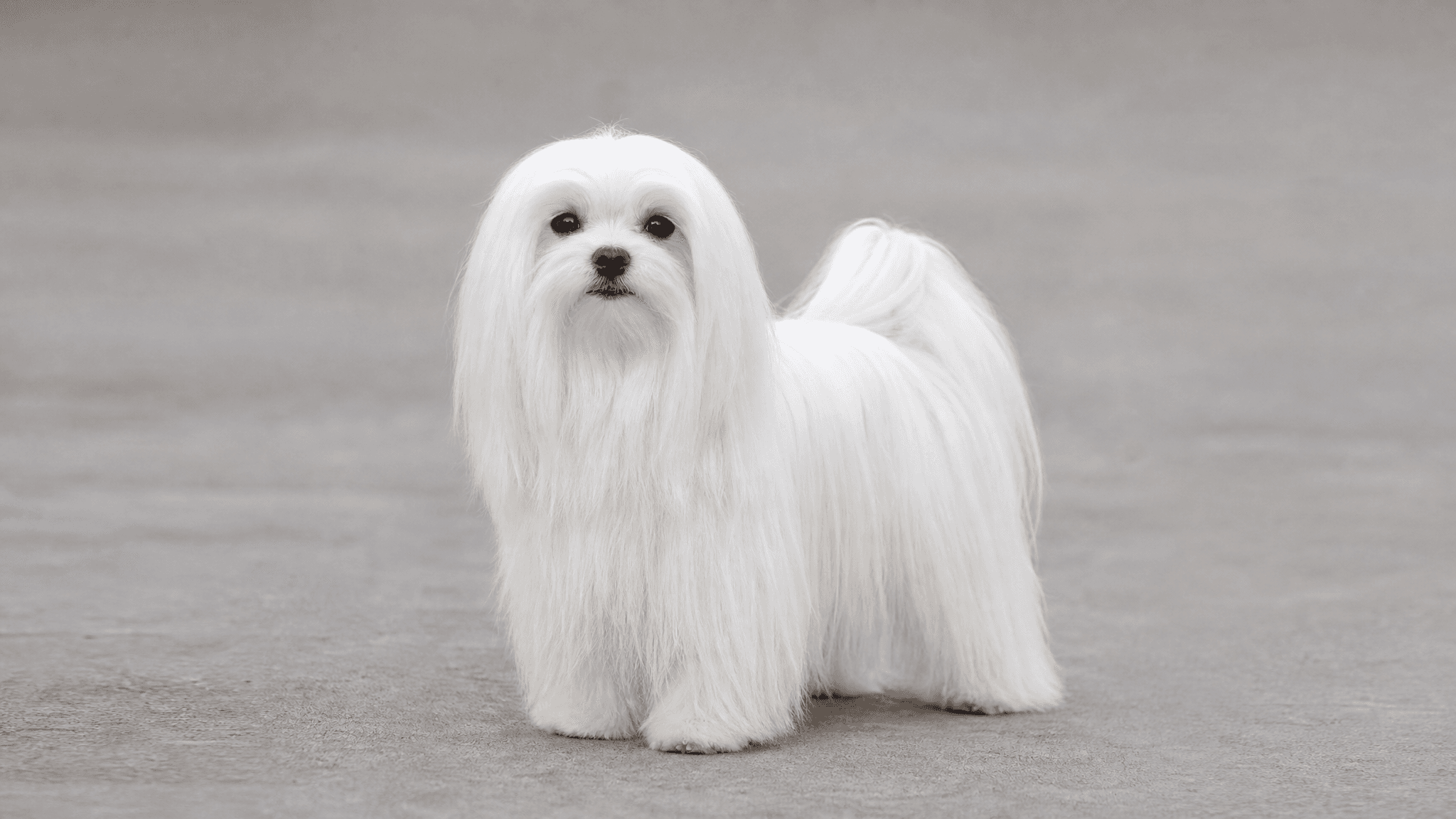
The Maltese is one of the oldest companion breeds in the world, with records dating back to Mediterranean civilizations over two thousand years ago. Bred exclusively as a companion dog for European aristocracy and royalty, it is distinguished by its white, silky coat that covers the body down to the ground and by its simultaneously affectionate and lively temperament. It is a breed considered hypoallergenic, as it practically does not shed.
Physical Characteristics
- Size
- Toy
- Height (male)
- 21–25 cm
- Height (female)
- 20–23 cm
- Weight (male)
- 3–4 kg
- Weight (female)
- 3–4 kg
- Life Expectancy
- 12–15 years
- Coat
- Long, straight, silky and shiny, without undercoat; covers the body entirely
- Common Colors
- Pure white; a slight ivory shade is tolerated by the standard
Temperament & Personality
The Maltese is an extraordinarily affectionate, cheerful, and sociable dog that forms very strong bonds with its owners. Despite its small size, it is brave and alert, traits that make it an excellent watchdog. It is intelligent and quickly learns tricks and basic commands. It can develop separation anxiety if left alone for long periods, making it more suitable for families who spend a lot of time at home.
Activity & Exercise
- Energy Level
- Moderate
- Recommended Daily Exercise
- 20–30 minutes
- Suitable for Apartment
- Yes
Grooming & Care
- Grooming Needs
- High
- Shedding
- Minimal
- Bathing Frequency
- Every 2–3 weeks
Health
- Common Health Issues
- Legg-Calvé-Perthes disease
- Patellar luxation
- Periodontal disease
- Portosystemic shunt
- White dog shaker syndrome
- Recommended Health Tests
- Cardiac examination
- Eye examination
- Liver function test
- Orthopedic evaluation
Compatibility
- With Children
- Good
- With Other Dogs
- Good
- With Cats
- Good
- For First-Time Owners
- Recommended
Is a Maltese right for you?
A Maltese may suit you if:
- You can provide 20 to 30 minutes of daily exercise and engaging mental stimulation.
- You enjoy teaching fun tricks and including your dog in daily family activities and outings.
- You are looking for an extraordinarily affectionate and brave companion who forms strong, lasting bonds.
- You are prepared to consistently train basic commands, as they are intelligent and learn quickly.
- You are willing to commit to regular daily brushing and professional grooming every 2-3 weeks.
- You can manage potential watchdog barking and prevent separation anxiety with ample companionship.
Think twice if:
- You expect perfect, instant obedience from a dog who is also an alert and independent watchdog.
- You must leave your dog alone for many hours each day due to your demanding work schedule.
- You have very young, boisterous children who may not understand a toy breed's delicate nature.
- You are unwilling to dedicate time to daily brushing and 20 to 30 minutes of daily activity.
- You are not prepared to create a safe, contained indoor environment for a tiny, curious companion.
- You are not prepared to gently handle a small, delicate breed during all stages of its life.
Maltese dogs offer immense joy and unwavering companionship, forming deep bonds with their families. While their gentle nature and minimal shedding are appealing, be prepared for their significant grooming needs and the potential for separation anxiety if left alone too often. With dedication, you'll gain a loving, lively friend for 12 to 15 years.
Training a Maltese
Maltese are bright, affectionate companions who thrive on positive reinforcement and strong bonds with their owners. Their intelligence means they learn quickly when training is fun, consistent, and reward-based, using tasty treats and enthusiastic praise. Keep sessions short and engaging, perhaps 5-10 minutes, several times a day, to match their moderate energy level. If training becomes harsh, repetitive, or inconsistent, your sensitive Maltese might become withdrawn, confused, or even stubborn, making progress much harder. Remember, they want to please you, but they also need clear, kind guidance to flourish.
Begin with:
- attention and response to name around distractions
- recall on a long line
- loose-leash walking
- leave it and drop it
- calm greetings without jumping
- settling on a mat or bed
- cooperative handling for grooming, ears, feet and teeth
- waiting at doors and gates
Alert Barking
Your brave and alert Maltese, with their keen senses, makes an excellent little watchdog. However, this can sometimes translate into excessive barking at every sound or visitor. To manage this, teach a "quiet" command by rewarding silence after a bark. You can also work on desensitizing them to common household noises or outside sounds by gradually exposing them to these stimuli at a low volume while rewarding calm behaviour.
When guests arrive, manage the situation by having your Maltese on a leash initially, rewarding them for calm greetings rather than allowing them to bark excitedly. Consistency is key to helping them understand when it's appropriate to alert you and when it's time to settle down. For more structured help with training, explore our training feature to build a consistent routine.
Leash Manners
Due to their small size and delicate frame, ensuring your Maltese walks politely on a leash is crucial for their safety and comfort. Even a little pull can put strain on their neck or make walks less enjoyable for both of you. Focus on positive reinforcement: reward every step they take on a loose leash with a treat and praise. A well-fitting harness, rather than a collar, can also provide more comfort and control for a toy breed during walks.
Practice short, frequent walks, keeping their recommended 20-30 minutes of daily exercise enjoyable and stress-free. If you're struggling with leash pulling, this guide offers a force-free plan to help your little companion learn excellent leash manners.
Separation Anxiety
Maltese form very strong bonds with their owners and are known to develop separation anxiety if left alone for long periods. This isn't just about being naughty; it's genuine distress. To help prevent this, gradually accustom your Maltese to short periods of alone time, starting with just a few minutes, always returning before they become anxious. Provide engaging puzzle toys or a special chew to keep them occupied while you're away.
Ensure they get their daily mental and physical stimulation before you leave, so they are more likely to rest. If you notice signs like excessive barking, destructive chewing, or house-soiling when you're gone, it's a clear signal they're struggling. Our guide on recognising stress signs can help you understand your Maltese's behaviour better, and remember, a Maltese is most suitable for families who spend a lot of time at home.
Maltese — Frequently Asked Questions
Do Maltese dogs shed?
Maltese are one of the lowest-shedding breeds — their long, silky white coat grows continuously and falls out very minimally, making them popular with people who have mild dog allergies. However, 'low-shedding' does not mean low-maintenance: their coat requires daily brushing to prevent painful tangles and matting, and professional grooming every 6–8 weeks. Many owners opt for a short 'puppy clip' for ease. Their coat needs proper care to stay healthy and mat-free.
Are Maltese good with children?
Maltese are gentle and loving but delicate — their tiny size makes them vulnerable to injury from rough play or accidental drops, and they can nip if handled roughly or startled. They're better suited to families with older, calmer children (aged 8+) who understand how to interact gently with a small dog. In the right family environment, a Maltese is a devoted, affectionate companion; in a household with boisterous toddlers, there's a real risk of injury to the dog.
Do Maltese dogs have health problems?
Maltese are generally healthy but prone to several small-breed conditions. Dental disease is common — their small jaws crowd the teeth, making daily brushing and regular dental cleans essential. Hypoglycaemia (low blood sugar) can affect puppies and very small adults. Luxating patellas, collapsing trachea (use a harness, never a neck collar), and liver shunts are also seen in the breed. White Shaker Syndrome — a condition causing whole-body tremors — is a Maltese-specific neurological condition that responds well to treatment.
Are Maltese dogs easy to train?
Maltese are intelligent and respond well to positive reinforcement, but housetraining is their biggest challenge — they have small bladders and are sensitive to cold and rain, which makes outdoor training less reliable. Many owners use indoor training pads alongside outdoor training. They're prone to 'small dog syndrome' if boundaries aren't set consistently from puppyhood. Beyond housetraining, they're quick learners who can pick up tricks and basic obedience easily when motivated with praise and small treats.
Do Maltese dogs have separation anxiety?
Maltese are classic companion dogs that bond intensely with their owners, which means separation can genuinely distress them. They're not suited to long hours alone and can develop anxiety-related behaviours (barking, destructiveness, or stress) when isolated for extended periods. Gradual alone-time training from puppyhood, enrichment toys, and ideally keeping their alone time to a few hours maximum all help. Some Maltese owners find that having a companion dog significantly helps their Maltese cope with solitude.
How long do Maltese dogs typically live?
Maltese are one of the longer-lived toy breeds, typically reaching 12–15 years and sometimes beyond. Proactive dental care is the single biggest factor in their longevity — untreated dental disease leads to pain, infection, and organ damage that significantly shortens their lives. Keeping them at a healthy weight, using a harness to protect the trachea, and annual vet check-ups that include dental assessments all help Maltese live comfortably into their teens.
Are Maltese dogs good for first-time owners?
Maltese can be a good choice for first-time owners who are prepared for the grooming commitment and patient with housetraining. Their small size makes them manageable, and their affectionate, responsive nature is rewarding. The key pitfalls for new Maltese owners are: not training consistently (leading to small dog syndrome), skipping dental care, and using a neck collar instead of a harness. Research these breed-specific needs in advance and the Maltese can be a wonderfully rewarding first dog.
How much exercise does a Maltese need?
Maltese need only moderate exercise — short walks of 15–20 minutes once or twice a day suit them perfectly, supplemented by indoor play. They're more active than many toy breeds and enjoy exploring, but their tiny legs mean long walks tire them quickly. In cold or wet weather, they dislike going out (and a dog coat helps), so indoor games and short garden time can substitute on bad-weather days. Mental stimulation through puzzle toys and training is just as important as physical activity for keeping a Maltese content.
Community
Talk to real Maltese owners
This guide covers the breed on paper. In the app, the Maltese community covers it in real life: photos from other owners, questions answered by people who live with the breed, and a directory of dogs you can browse.
- Photos & pollsSee what Maltese owners are sharing today.
- Questions & answersAsk anything and hear from people who own one.
- Dog directoryBrowse Malteses from around the world.
You join automatically when you add a Maltese to your profile.