Bolognese
Summary
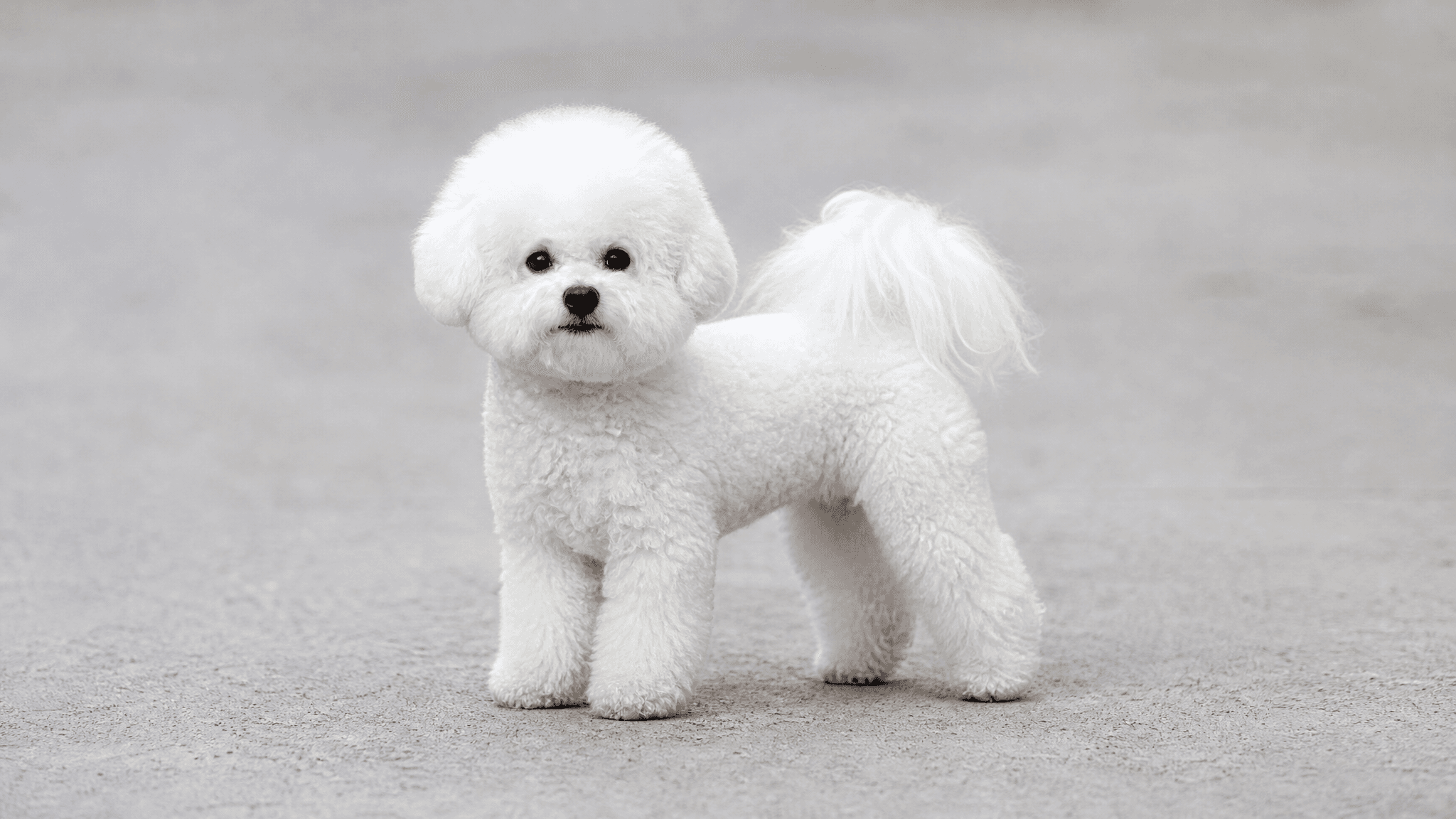
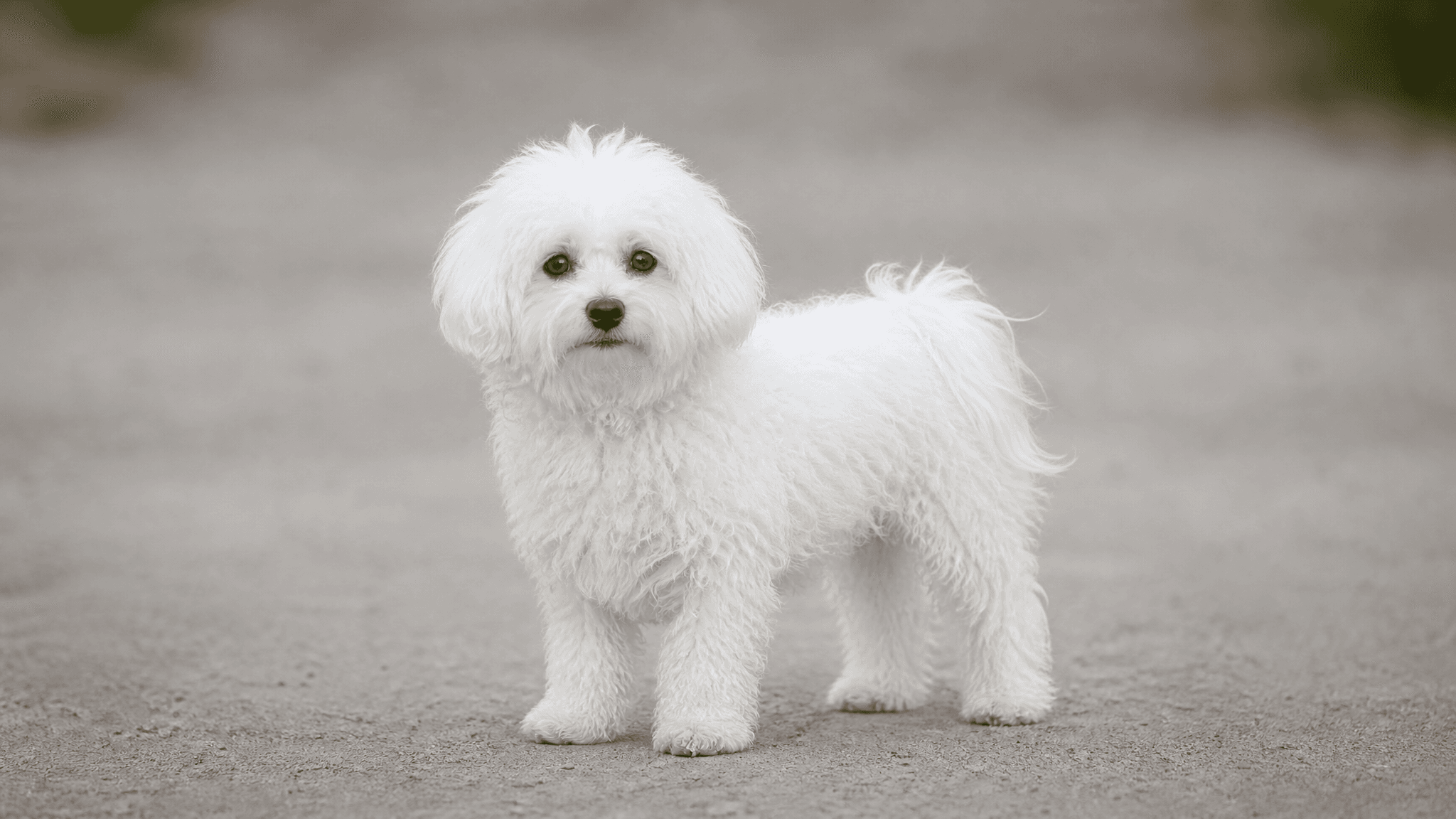
The Bolognese is an Italian companion breed originating from Bologna, much prized by Italian and Flemish nobility during the Renaissance. It is a calm, faithful, and devoted dog, distinguished by its white, flocked coat — formed by long tufts that create a slightly curly appearance. Unlike the Bichon Frisé, the Bolognese is rarely trimmed in formal presentation.
Physical Characteristics
- Size
- Small
- Height (male)
- 27–30 cm
- Height (female)
- 25–28 cm
- Weight (male)
- 2.5–4 kg
- Weight (female)
- 2.5–4 kg
- Life Expectancy
- 12–14 years
- Coat
- Long, flocked, with a wavy/curly appearance without excessive shine; single coat (without dense undercoat)
- Common Colors
- Pure white
Temperament & Personality
The Bolognese is a serene, well-balanced, and very affectionate dog with its family. It is reserved with strangers but never aggressive, which requires adequate early socialization. It appreciates the constant company of its owners and can develop separation anxiety if frequently left alone. It is intelligent and motivated, although less exuberant than other Bichons, preferring quiet closeness to intense play.
Activity & Exercise
- Energy Level
- Low to moderate
- Recommended Daily Exercise
- 20–30 minutes
- Suitable for Apartment
- Yes
Grooming & Care
- Grooming Needs
- High
- Shedding
- Minimal
- Bathing Frequency
- Every 3–4 weeks
Health
- Common Health Issues
- Eye problems
- Legg-Calvé-Perthes disease
- Patellar luxation
- Periodontal disease
- Recommended Health Tests
- Eye examination
- Orthopedic evaluation
Compatibility
- With Children
- Good
- With Other Dogs
- Good
- With Cats
- Good
- For First-Time Owners
- Recommended
Is a Bolognese right for you?
A Bolognese may suit you if:
- You can provide gentle daily walks of 20 to 30 minutes, along with engaging indoor play to satisfy their moderate energy.
- You enjoy a calm, quiet home environment and appreciate a devoted companion who thrives on close, constant company.
- You are drawn to a serene, affectionate dog with a gentle disposition that prefers quiet closeness over boisterous play.
- You are prepared to engage in consistent, positive reinforcement training and early socialization to nurture their intelligent nature.
- You are willing to commit to regular, high-frequency grooming, including brushing their unique flocked coat daily and bathing every 3-4 weeks.
- You are ready to manage their natural reservation with strangers through gentle introductions and prevent separation anxiety with your presence.
Think twice if:
- You expect an overly eager-to-please dog, as their motivation leans towards quiet companionship rather than constant performance.
- You frequently leave your dog alone for extended periods, as Bolognese thrive on companionship and can develop separation anxiety.
- You have very boisterous young children or large, energetic pets who might not understand the delicate nature of a small Bolognese.
- You are unwilling to commit to daily grooming sessions and regular professional care to maintain their distinctive, high-maintenance coat.
- You prefer a dog that thrives on independent outdoor exploration, as a Bolognese prefers constant family closeness over solitude.
- You are unprepared for the delicate handling and patient socialization required to help a reserved Bolognese feel comfortable with new people and experiences.
Bringing a Bolognese into your life means embracing a truly devoted and calm companion who offers boundless affection. While their gentle spirit and moderate exercise needs are appealing, their distinctive coat demands significant grooming dedication, and their deep bond with you means they thrive on constant companionship. Be prepared to invest in their care and presence, and you'll be rewarded with a loyal, loving friend for 12 to 14 years.
Training a Bolognese
Your sweet Bolognese is an intelligent and motivated companion who thrives on positive reinforcement and your loving attention. These sensitive souls learn best through short, upbeat training sessions filled with praise and tasty rewards, ideally lasting just 5-10 minutes to keep their focus. Consistency is key, but harsh corrections or impatience will quickly shut down their gentle spirit, making them anxious and unwilling to engage. Remember, they prefer quiet closeness, so a calm, reassuring approach will build a strong bond and make learning a joyful experience for both of you.
Begin with:
- Responding to name around mild distractions
- Recall on a long line
- Loose-leash walking basics
- Leave it and drop it cues
- Calm greetings without jumping
- Settling on their mat or bed
- Cooperative handling for grooming and health checks
- Waiting patiently at doors and gates
Meeting new people
Your Bolognese is naturally reserved with strangers, a trait that requires careful early socialization to ensure they grow into a confident adult. Instead of forcing interactions, allow your pup to approach new people at their own pace, rewarding calm curiosity with praise and treats. Encourage friends to offer treats gently, avoiding direct eye contact or sudden movements that might overwhelm your sensitive companion. Consistent positive experiences will help them feel safe and comfortable in new social situations.
Gentle leash manners
Even though your Bolognese is a small dog, learning to walk politely on a leash is essential for their safety and your enjoyment. Their sensitive nature means that harsh tugs or corrections will only make them anxious and less likely to cooperate. Focus on rewarding every step they take with a loose leash, making walks a positive experience. Keep their daily walks to the recommended 20-30 minutes, exploring interesting scents and sights. For more detailed guidance, check out our guide on stopping leash pulling.
Preventing separation anxiety
Bolognese dogs thrive on constant company and can easily develop separation anxiety if left alone too often. To prevent this, start by gradually increasing the time your pup spends by themselves, beginning with just a few minutes. Provide engaging puzzle toys or a long-lasting chew to keep them occupied, and make your departures and arrivals low-key. Watch for signs of stress, such as excessive barking or destructive chewing, which can indicate they're struggling. Our article How to Tell If Your Dog Is Stressed When You Leave offers helpful insights.
Bolognese — Frequently Asked Questions
What is the Bolognese?
The Bolognese is a delightful small companion breed with a rich history, originating from Bologna, Italy. They belong to the FCI Group 9, known as Bichons, and are truly special! What sets them apart is their distinctive white, flocked coat, which is formed by long tufts that create a charmingly slightly curly appearance. These calm, faithful, and devoted dogs are much loved for their serene presence and affectionate nature, making them wonderful additions to any home looking for a gentle, loving canine friend.
What was the Bolognese originally bred for?
The Bolognese was originally bred purely as a companion dog, a role they have excelled at for centuries! These charming pups were highly prized by Italian and Flemish nobility during the Renaissance, cherished for their gentle nature and delightful presence. They were truly lapdogs of luxury, offering comfort and companionship to their aristocratic owners. Their history as devoted companions means they thrive on human interaction and closeness, making them perfect for families seeking a loyal and affectionate furry friend to share their lives with.
How much exercise does a Bolognese need?
Despite their playful spirit, Bolognese dogs have a low to moderate energy level, making them quite adaptable to various living situations! They don't require extensive exercise, but a good 20 to 30 minutes of activity each day is perfect to keep them happy and healthy. This could be a couple of short walks around the neighborhood, some playtime in a secure yard, or even engaging indoor games. The key is consistent, gentle activity that allows them to stretch their legs and enjoy some quality time with you without overexertion.
Is the Bolognese a good family dog?
Absolutely! The Bolognese is a truly wonderful family dog, known for being serene, well-balanced, and incredibly affectionate with their loved ones. They thrive on constant company and form deep bonds with their family members, often preferring quiet closeness. While they can be reserved with strangers, they are never aggressive, making early and adequate socialization important to help them feel comfortable. Their devotion means they might develop separation anxiety if left alone too frequently, so they're best suited for homes where someone is usually around to shower them with love and attention.
Is the Bolognese easy to train?
Yes, the Bolognese is generally considered easy to train, especially with positive reinforcement and patience! They are intelligent and motivated, eager to please their owners, which makes training a rewarding experience. While they are less exuberant than some other Bichon breeds, preferring quiet closeness, their intelligence means they pick up commands well. Consistent, gentle training sessions, coupled with plenty of praise and treats, will help your Bolognese learn quickly and happily. Early socialization is also key to ensuring they grow into well-adjusted, confident companions.
What health issues are common in the Bolognese?
Like all breeds, Bolognese dogs can be prone to certain health conditions, and being aware of them helps you provide the best care! Some documented health concerns for this lovely breed include eye problems, which can range from minor irritations to more serious conditions. They can also be susceptible to Legg-Calvé-Perthes disease and Patellar luxation, both affecting their joints, as well as periodontal disease, which highlights the importance of good dental hygiene. Regular veterinary check-ups and a healthy lifestyle are key to helping your Bolognese live a long, happy life.
What is the Bolognese's coat like and how much grooming does it need?
The Bolognese boasts a truly unique and beautiful coat! It's famously white, flocked, and formed by long tufts that create a charmingly slightly curly appearance. Unlike their Bichon Frisé cousins, the Bolognese is rarely trimmed in formal presentation, which means maintaining its natural beauty requires regular attention. To prevent matting and keep their coat looking its best, daily brushing is essential. This not only keeps them comfortable but also strengthens your bond. Regular grooming, including baths and occasional professional care, will ensure their stunning coat remains healthy and tangle-free.
What is the typical lifespan of a Bolognese?
It's always wonderful to know how long you can expect to share your life with your beloved furry friend! The typical lifespan of a healthy Bolognese is generally between 12 and 14 years. With proper care, a balanced diet, regular veterinary check-ups, and plenty of love, many Bolognese dogs enjoy a long and vibrant life. Providing them with a safe, stimulating environment and addressing any health concerns promptly will help maximize their time with you, ensuring many years of cherished companionship and joy.
Community
Talk to real Bolognese owners
This guide covers the breed on paper. In the app, the Bolognese community covers it in real life: photos from other owners, questions answered by people who live with the breed, and a directory of dogs you can browse.
- Photos & pollsSee what Bolognese owners are sharing today.
- Questions & answersAsk anything and hear from people who own one.
- Dog directoryBrowse Bologneses from around the world.
You join automatically when you add a Bolognese to your profile.