Basset Fauve De Bretagne
Summary
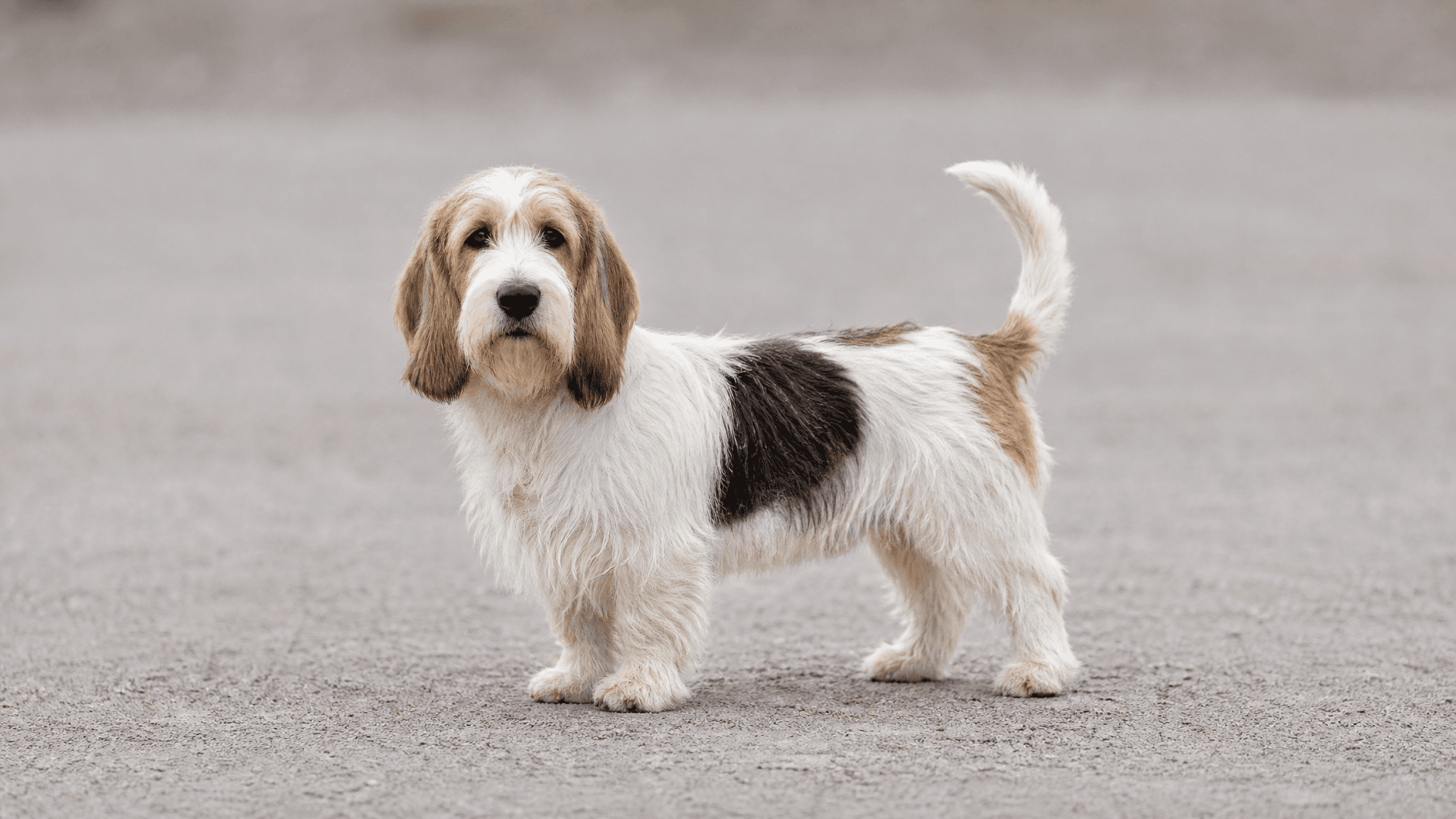
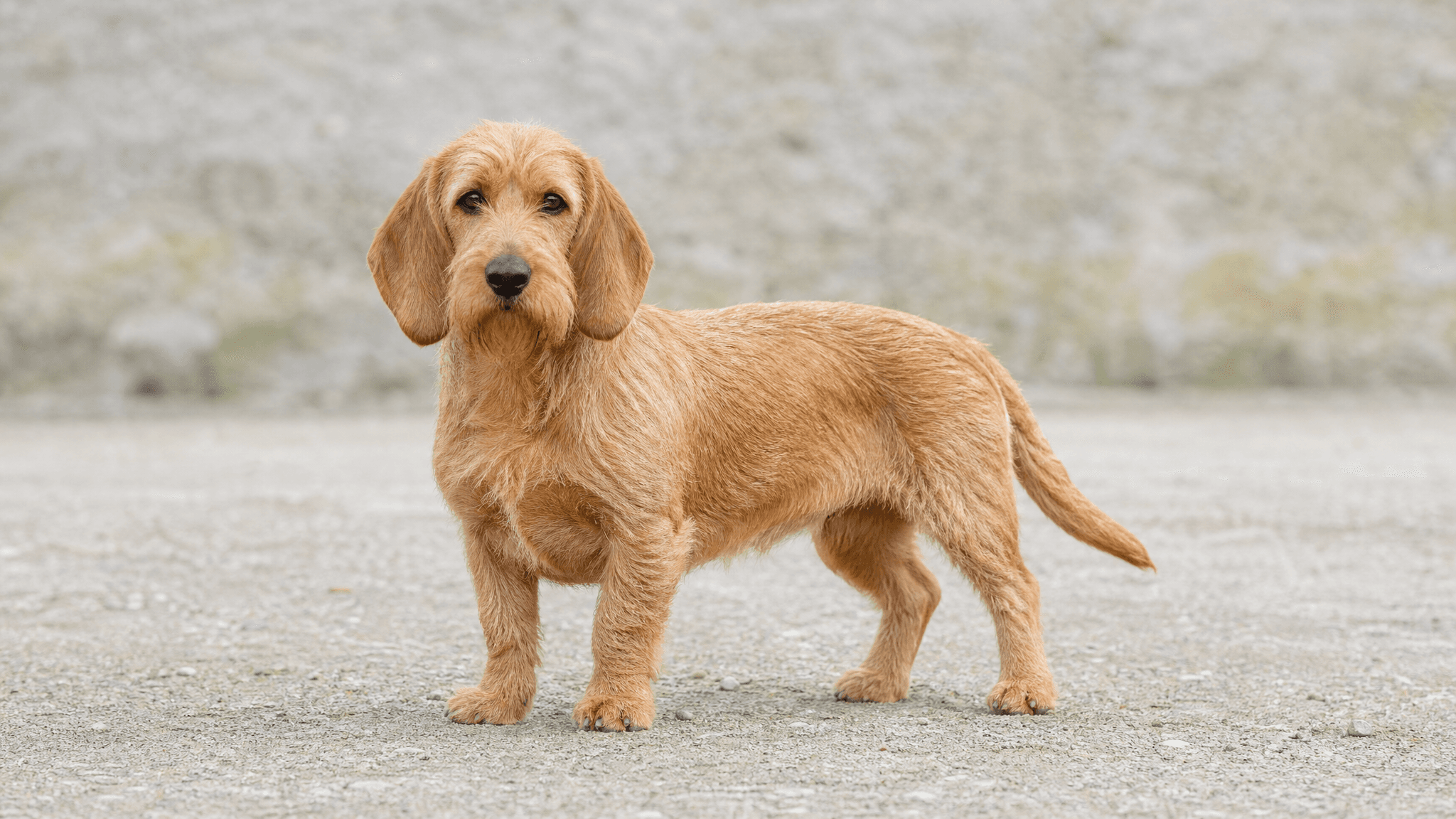
The Basset Fauve de Bretagne is the short-legged version of the Griffon Fauve de Bretagne, developed for hare hunting in the rugged terrain and scrubland of Brittany. Unlike many bassets, it is an agile dog and surprisingly fast for its size, with a rough coat that protects it from the thorny bushes of Brittany. It has become a popular companion dog in the UK and other countries, winning fans for its lively personality and practical dimensions.
Physical Characteristics
- Size
- Small
- Height (male)
- 32–38 cm
- Height (female)
- 30–36 cm
- Weight (male)
- 11–15 kg
- Weight (female)
- 9–13 kg
- Life Expectancy
- 12–14 years
- Coat
- Rough, dense, and woolly
- Common Colors
- Reddish fawn, wheaten fawn, or golden; never black
Temperament & Personality
The Basset Fauve de Bretagne is a cheerful, affectionate, and surprisingly agile dog. It has an outgoing and comical personality, is excellent with children, and very sociable. It is less lazy than many other bassets and can surprise its owner with its speed when following a trail.
Activity & Exercise
- Energy Level
- High
- Recommended Daily Exercise
- 45–60 minutes
- Suitable for Apartment
- Yes with exercise
Grooming & Care
- Grooming Needs
- Moderate
- Shedding
- Low to moderate
- Bathing Frequency
- Every 4 weeks
Health
- Common Health Issues
- Epilepsy
- Hip dysplasia
- Otitis
- Patellar luxation
- Skin problems (some are prone to allergies)
- Recommended Health Tests
- Epilepsy testing
- Orthopedic evaluation
Compatibility
- With Children
- Excellent
- With Other Dogs
- Excellent
- With Cats
- Good
- For First-Time Owners
- Recommended
Is a Basset Fauve de Bretagne right for you?
A Basset Fauve de Bretagne may suit you if:
- You can provide consistent daily opportunities for vigorous activity and mental engagement, like scent work or brisk walks, for 45-60 minutes.
- You enjoy an active, social lifestyle and appreciate a cheerful, comical companion who thrives on being part of family adventures.
- You are drawn to an affectionate, outgoing, and lively personality that brings a lot of joy and a touch of mischief to your home.
- You are prepared to engage in positive, consistent training, understanding their independent scent hound nature requires patience and creativity.
- You are willing to commit to moderate grooming, including regular brushing of their rough, dense coat and bathing every four weeks.
- You are prepared to manage a dog with a strong prey drive and an excellent nose, as they will follow interesting scents with enthusiasm.
Think twice if:
- You expect instant, unwavering obedience from your dog, as their independent scent hound instincts often take precedence over commands.
- You frequently leave your dog alone for long periods, as this sociable breed thrives on companionship and can become unhappy without it.
- You are not prepared to supervise interactions with very small, non-canine pets, as their prey drive can be stimulated by quick movements.
- You are unwilling to provide 45-60 minutes of daily vigorous exercise or commit to their moderate grooming needs, including regular coat care.
- You do not have a securely fenced yard or are unable to reliably keep a scent-driven dog safely contained when outdoors.
- You are not prepared for a lively, agile dog during their adolescent period, requiring consistent guidance and management of their energy.
The Basset Fauve de Bretagne offers a delightful mix of affectionate companionship and spirited independence. While their cheerful nature and compact size make them wonderful family members, their strong scent drive and need for consistent activity mean you'll be embracing a lively, engaging partner who always keeps life interesting.
Training a Basset Fauve de Bretagne
Your Basset Fauve de Bretagne is a bright, cheerful companion eager to learn, especially when their keen nose is involved! These agile scent hounds thrive on short, positive training sessions filled with delicious treats and engaging games. Keep things fun and varied, as repetition can quickly lead to boredom for such an intelligent and active breed. If training becomes dull or frustrating, your Fauve might disengage, choosing to follow a more interesting scent trail than your commands. Consistency and patience, coupled with understanding their natural instincts, will build a strong, joyful bond.
Begin with:
- Attention and response to name around distractions
- Recall on a long line
- Loose-leash walking
- Leave it and drop it
- Calm greetings without jumping
- Settling on a mat or bed
- Cooperative handling for grooming, ears, feet and teeth
- Waiting at doors and gates
Scent drive and recall
Your Basset Fauve de Bretagne is a true scent hound, bred to follow trails with incredible focus and speed. This strong prey drive means that once they've picked up an interesting scent, their world narrows, and your calls might become background noise. It's not defiance, but instinct taking over!
To counter this, make recall the most rewarding thing ever. Start practicing in a quiet, enclosed area, gradually adding distractions. Use a long line for safety during outdoor practice, and always celebrate enthusiastically with high-value treats and praise when they return. Consistent, positive reinforcement is key to building a reliable recall. For more detailed guidance, check out our guide on teaching recall.
Leash pulling
Despite their small size (males 32-38 cm, females 30-36 cm), Basset Fauves are surprisingly agile and strong, especially when a captivating scent pulls them forward. What starts as a gentle tug can quickly become a determined pull, making walks less enjoyable for both of you.
Focus on rewarding a loose leash from day one. When your Fauve pulls, stop walking until the leash slackens, then resume. Change direction frequently to keep them engaged with you, not just the ground. A comfortable, well-fitting harness can help manage pulling without putting pressure on their neck. For comprehensive strategies, read our tips on stopping leash pulling.
Boredom and mischief
Basset Fauves have a high energy level and need their recommended 45-60 minutes of daily exercise to stay happy and well-behaved. If they're under-exercised, under-stimulated, or left alone for too long without mental engagement, their cheerful and comical personality can turn to boredom, leading to unwanted behaviours.
To prevent this, ensure they get plenty of physical activity and mental enrichment. Incorporate puzzle toys, scent games, and regular training sessions into their routine. Vary your walking routes and explore new places to keep their keen nose stimulated. Remember, a tired Fauve is a happy Fauve! Our GPS Walks feature can help you track their activity and explore new routes.
Basset Fauve De Bretagne — Frequently Asked Questions
What is the Basset Fauve de Bretagne?
The Basset Fauve de Bretagne is a compact, rough-coated scent hound from the Brittany region of France — essentially a lower-legged, slower version of the Grand Fauve de Bretagne, bred to hunt game through dense undergrowth that larger hounds could not penetrate. Fauve refers to their characteristic fawn, wheaten, or golden-red coat colour. Despite their hunting origins, they are known for being cheerful, sociable, and surprisingly adaptable companions. They are one of the more people-oriented scenthound breeds, forming strong bonds with their family while retaining real scenthound drive outdoors.
Are Basset Fauve de Bretagne good family dogs?
Basset Fauves de Bretagne are excellent family dogs. They are warm-hearted, playful, and gentle with children — more energetic and robust than Basset Hounds, but equally affectionate. They are sociable with other dogs and generally good with other household pets when socialised early. Their cheerful, good-natured temperament makes them adaptable to various family types. They do need daily exercise and mental stimulation — a bored Basset Fauve will become vocal and inventively naughty — but their compact size and warm personality make them wonderful all-round companions.
How much exercise does a Basset Fauve de Bretagne need?
Despite their short legs, Basset Fauves de Bretagne need 45–60 minutes of exercise daily. They were bred to hunt all day through rough country and have considerably more stamina than their small size suggests. They enjoy long walks, exploring countryside, and off-leash running in a securely fenced area — their nose will have them following a scent trail straight through a gap in a fence if given the chance. They are not suited to minimal exercise; without adequate activity they become vocal and destructive. Scent games and nose work are wonderful mental stimulation for this breed.
Are Basset Fauve de Bretagne easy to train?
Basset Fauves de Bretagne are intelligent but characteristically independent — a typical scenthound trait. They are more biddable than many hound breeds and respond well to patient, positive, reward-based training, particularly when food-motivated. Their recall outdoors can be unreliable when they have picked up an interesting scent — they are built to follow their nose and will be genuinely absorbed in tracking. Early socialisation and puppy classes help. They are capable of good basic obedience and can enjoy nose work, tracking, and agility. Consistent, short, positive sessions work better than long, formal training.
What health issues affect the Basset Fauve de Bretagne?
The Basset Fauve de Bretagne is generally a hardy, healthy breed. Key concerns include ear infections — their long, pendulous ears restrict airflow, making them prone to yeast and bacterial infections; weekly ear checks and cleaning are important. Eye conditions including glaucoma and distichiasis (extra eyelashes) have been documented. Epilepsy occurs in some lines — DNA testing is increasingly available. Hypothyroidism has been noted. Their longer body relative to leg length means care should be taken to prevent spinal strain — avoid excessive jumping from heights, especially when young. Regular vet monitoring is recommended.
How long do Basset Fauve de Bretagne live?
Basset Fauves de Bretagne have an average lifespan of 12–14 years. Their generally robust constitution and relatively small gene pool (they remain a rare breed outside France) support good longevity in well-bred lines. Key factors include regular ear cleaning (preventing chronic infections), eye health monitoring, maintaining a healthy weight (important for their longer spinal structure), protecting from excessive jumping, annual vet check-ups, and sourcing from epilepsy-tested parents where possible. A well-cared-for Basset Fauve is a lively and healthy companion well into their early teens.
Do Basset Fauve de Bretagne bark a lot?
Basset Fauves de Bretagne are moderately vocal. Like most scenthounds, they have a full, melodious bay and will use it — especially when they have picked up a scent, when excited, or when bored. They are not generally obsessive barkers indoors, but an under-exercised or understimulated Basset Fauve will make their unhappiness known. Training a 'quiet' command from puppyhood, ensuring adequate daily exercise and enrichment, and making sure they are not left alone for long periods are the best ways to manage their vocalness. They are generally manageable in suburban settings with proper exercise.
Are Basset Fauve de Bretagne rare?
Yes — the Basset Fauve de Bretagne is relatively rare outside France, though they have dedicated followings in the UK, Scandinavia, and parts of continental Europe. In France they remain a working scenthound breed used for hunting. In other countries, they are primarily kept as companion dogs by enthusiasts who value their distinctive character and compact size. Finding a reputable breeder usually requires contacting the national breed club and being prepared for a waiting list. Their relative rarity means breeders tend to be passionate, dedicated, and serious about health screening.
Community
Talk to real Basset Fauve De Bretagne owners
This guide covers the breed on paper. In the app, the Basset Fauve De Bretagne community covers it in real life: photos from other owners, questions answered by people who live with the breed, and a directory of dogs you can browse.
- Photos & pollsSee what Basset Fauve De Bretagne owners are sharing today.
- Questions & answersAsk anything and hear from people who own one.
- Dog directoryBrowse Basset Fauve De Bretagnes from around the world.
You join automatically when you add a Basset Fauve De Bretagne to your profile.