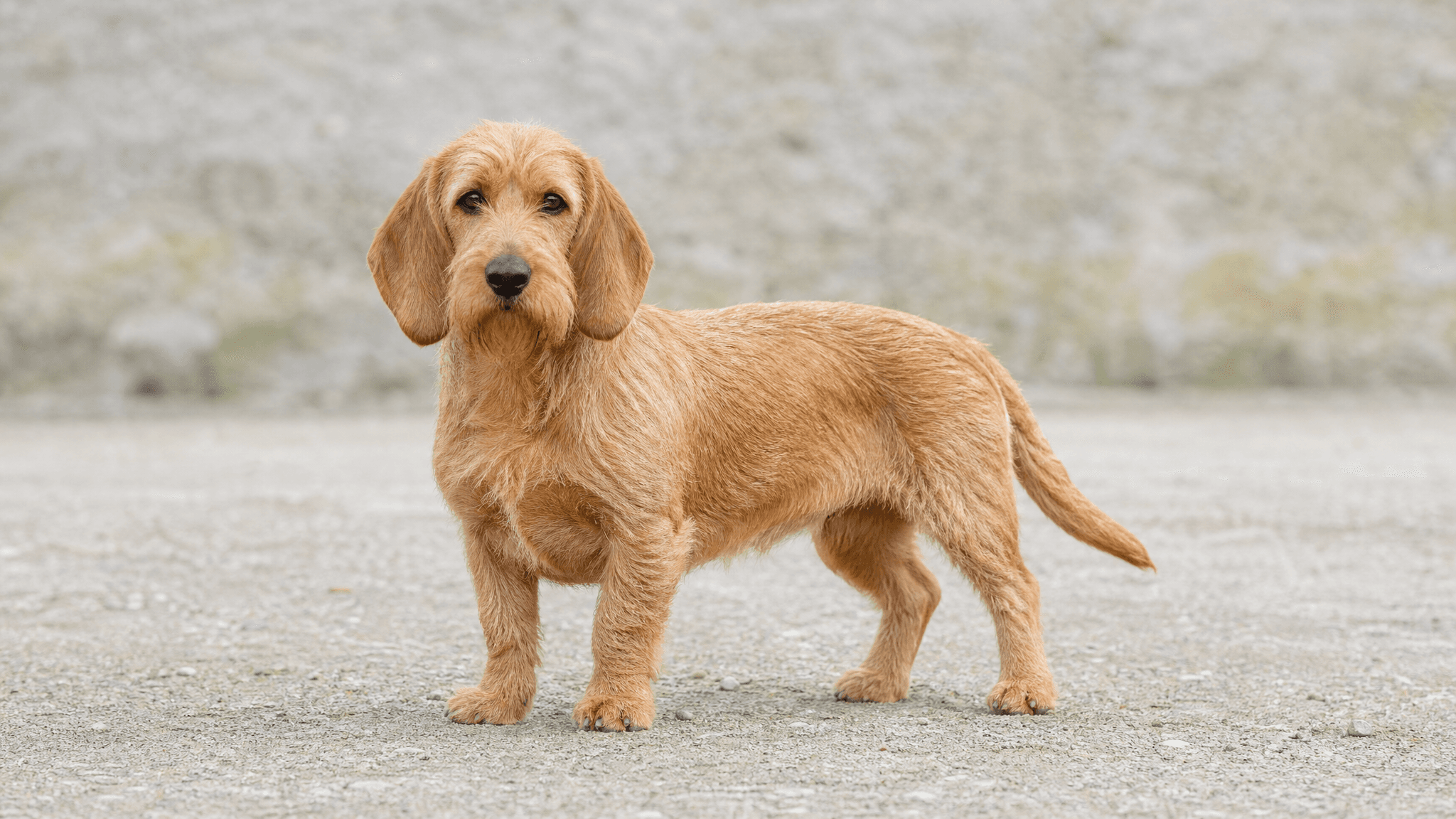
Petit Basset Griffon Vendeen
Summary
The Petit Basset Griffon Vendéen (PBGV) is the smallest of the Griffon Vendéen family, developed to hunt hare in the difficult and thorny terrain of the French Atlantic coast. Despite the name "petit," it is a dog with an immensely big personality — outgoing, noisy, and tireless. It has become one of the most popular bassets worldwide as a companion and show dog.
Physical Characteristics
- Size
- Small
- Height (male)
- 34–38 cm
- Height (female)
- 33–37 cm
- Weight (male)
- 9–11 kg
- Weight (female)
- 8–10 kg
- Life Expectancy
- 12–14 years
- Coat
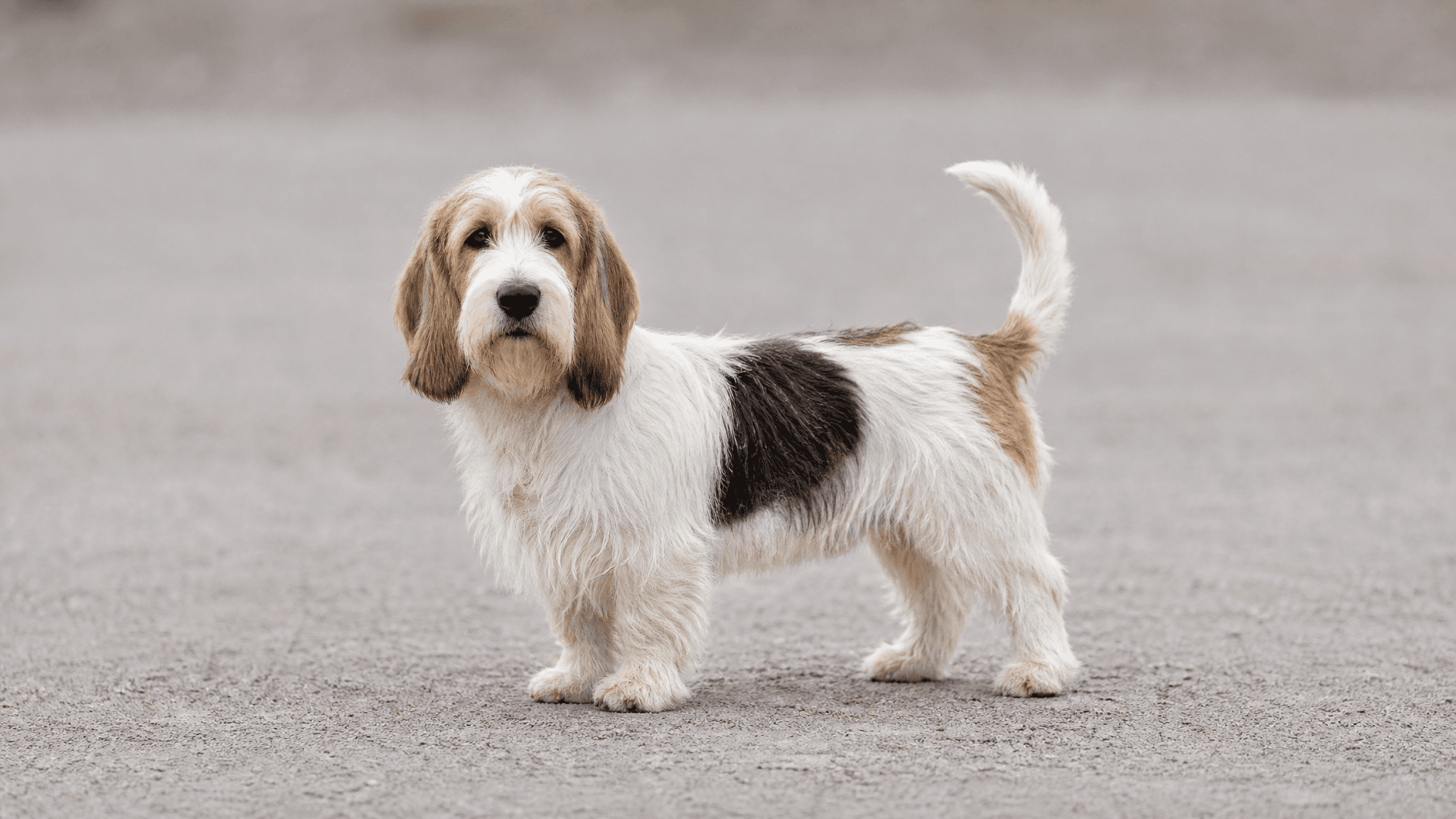
- Rough, harsh, and thick; soft undercoat
- Common Colors
- White with orange, lemon, tricolor, or black and white patches
Temperament & Personality
The PBGV is an exuberant, cheerful, and tirelessly curious dog. Its "big personality in a small body" is one of its most endearing characteristics. It is extremely sociable, loves playing with children and other dogs, and maintains a youthful energy throughout its life. However, it is stubborn and independent when following a trail.
Activity & Exercise
- Energy Level
- High
- Recommended Daily Exercise
- 45–60 minutes
- Suitable for Apartment
- Yes with exercise
Grooming & Care
- Grooming Needs
- Moderate
- Shedding
- Low to moderate
- Bathing Frequency
- Every 4 weeks
Health
- Common Health Issues
- Epilepsy
- Hip dysplasia
- Otitis
- PBGV disease (rare breed-specific autoimmune syndrome)
- Thyroid problems
- Recommended Health Tests
- Genetic testing
- Neurological examination
- Orthopedic evaluation
- Thyroid test
Compatibility
- With Children
- Excellent
- With Other Dogs
- Excellent
- With Cats
- Good
- For First-Time Owners
- Recommended
Is a Petit Basset Griffon Vendeen right for you?
A Petit Basset Griffon Vendeen may suit you if:
- You are prepared to provide 45 to 60 minutes of engaging daily exercise and mental challenges for a curious mind.
- You enjoy outdoor adventures, exploring new scents, and embracing their exuberant, cheerful spirit.
- You appreciate a big personality in a small, endlessly sociable, and playful companion who loves everyone.
- You are prepared to engage in consistent, positive reinforcement training to channel their independent spirit.
- You are prepared for moderate grooming, including regular brushing of their rough, thick coat and bathing every four weeks.
- You are prepared to manage a hound's natural inclination to follow interesting scents and express themselves with cheerful barks.
Think twice if:
- You expect immediate, perfect obedience, as their hound instincts make them wonderfully independent.
- You have a routine that requires long periods of time alone, as they thrive on companionship and activity.
- You prefer a quiet, reserved companion, as PBGVs are known for their outgoing, noisy, and tireless nature.
- You are unwilling to commit to 45-60 minutes of daily exercise or regular moderate grooming for their distinctive coat.
- You do not have a securely fenced yard or are unable to consistently manage their strong desire to explore scents.
- You are not prepared for a dog with a persistent, youthful energy that requires patient, firm guidance through all life stages.
The Petit Basset Griffon Vendéen offers immense joy with their cheerful, spirited nature and unwavering affection. While their independent hound instincts and need for engagement require a dedicated owner, the rewards of their playful companionship and unique personality are truly special. They thrive with families who appreciate their zest for life and are ready to embrace their charming quirks for 12 to 14 years.
Training a Petit Basset Griffon Vendeen
Your Petit Basset Griffon Vendéen, with their exuberant and tirelessly curious spirit, thrives on positive reinforcement and engaging, short training sessions. These scent hounds are motivated by delicious treats and exciting toys, making learning a joyful game. Keep sessions brief, fun, and varied to hold their attention, as their independent streak can lead to 'selective hearing' if they get bored or a more interesting scent captures their focus. If training becomes repetitive or harsh, they may become stubborn or simply tune you out, hindering progress.
Begin with:
- Responding to name amidst distractions
- Reliable recall, initially on a long line
- Loose-leash walking manners
- Leave it and drop it cues
- Calm greetings without jumping
- Settling quietly on a mat
- Cooperative grooming and handling
- Waiting patiently at thresholds
Scent-Driven Independence
As a true Scent Hound, your PBGV's nose is their world, and once they're on a captivating trail, their independence and stubbornness can make recall a significant challenge. It's crucial to understand that they aren't being disobedient; their instincts are simply incredibly powerful. Always walk your PBGV in secure, fenced areas or on a long line until their recall is absolutely bulletproof. Practice recall frequently in various environments, always making coming back to you the most rewarding choice with high-value treats and enthusiastic praise. Building a strong recall is paramount for their safety and your peace of mind.
Remember, their drive to explore with their nose means they might ignore you for a fascinating scent. Start recall training in low-distraction environments and gradually increase the challenge. Use a consistent cue and make yourself more exciting than any smell by being unpredictable and fun!
Exuberant Leash Pulling
PBGVs are high-energy, enthusiastic dogs, and their excitement to explore the world can often translate into pulling on the leash. Despite their small size, their strength and determination can make walks less enjoyable for both of you. Start loose-leash training early, rewarding every moment the leash is slack. If they pull, simply stop walking until the leash loosens, then resume. Consistency is key, and positive reinforcement with treats and praise for walking nicely will yield the best results. Consider using a front-clip harness for better control without causing discomfort.
For more detailed guidance, check out our guide on how to stop leash pulling. Remember, a well-exercised PBGV is less likely to pull out of sheer exuberance, so ensure they get their recommended 45-60 minutes of daily exercise.
Boredom Behaviors
A PBGV's 'tirelessly curious' and high-energy nature means they need both physical exercise and mental stimulation to be happy and well-behaved. If under-exercised, under-stimulated, or left alone for extended periods, they can become bored and resort to undesirable behaviors like excessive barking, destructive chewing, or digging. Ensure they receive their daily 45-60 minutes of exercise, which can include brisk walks, playtime in a secure yard, or engaging scent games. Our GPS Walks feature can help you track their activity.
Beyond physical activity, provide plenty of puzzle toys, chew items, and opportunities for 'nose work' to engage their keen sense of smell. Interactive play sessions with you are also vital for their social and mental well-being. A stimulated PBGV is a happy PBGV, less prone to mischief.
Petit Basset Griffon Vendeen — Frequently Asked Questions
What is the Petit Basset Griffon Vendeen?
The Petit Basset Griffon Vendéen, or PBGV, is a charming small hound hailing from France, specifically the Vendée region. Belonging to FCI Group 6 (Small-sized Hounds), this breed is renowned for its vibrant personality that truly belies its "petit" name. They're known for being outgoing, noisy, and tirelessly energetic, with a distinctive shaggy coat and an ever-wagging tail. It's truly a big personality packed into a delightful small body, making them one of the most popular bassets worldwide as a companion and show dog!
What was the Petit Basset Griffon Vendeen originally bred for?
The PBGV's history is rooted deeply in the French Atlantic coast, where they were originally bred for a very specific and challenging purpose: hunting hare. Their sturdy build, shaggy coat, and boundless energy made them perfectly suited to navigate the thorny, difficult terrain of their homeland. These little hounds were valued for their keen scenting abilities and their persistent, vocal nature, making them excellent companions for hunters tracking game through dense undergrowth. They truly are tireless workers at heart!
How much exercise does a Petit Basset Griffon Vendeen need?
Despite their small stature, Petit Basset Griffon Vendéens have a surprisingly high energy level and truly thrive on activity! To keep your PBGV happy and healthy, they need a good amount of daily exercise. We recommend at least 45 to 60 minutes of engaging physical activity each day. This could include brisk walks, playful romps in a securely fenced yard, or even participating in dog sports. Regular exercise helps channel their boundless enthusiasm positively and keeps them mentally stimulated and content.
Is the Petit Basset Griffon Vendeen a good family dog?
Absolutely! The Petit Basset Griffon Vendéen makes a wonderful addition to many families. They are known for their exuberant, cheerful, and extremely sociable nature, making them fantastic companions for children and often getting along famously with other pets. Their youthful energy and playful spirit mean they're always up for an adventure or a cuddle. With their "big personality in a small body," they bring so much joy and lively companionship to a loving home, maintaining their playful energy throughout their lives.
Is the Petit Basset Griffon Vendeen easy to train?
Training a Petit Basset Griffon Vendéen can be a delightful, yet sometimes challenging, experience! They are intelligent and eager to please, but their hound instincts mean they can be quite stubborn and independent, especially if they catch an interesting scent. Consistent, positive reinforcement methods work best, along with patience and a good sense of humor. Early socialization and puppy classes are highly recommended to help them grow into well-adjusted companions. Their cheerful nature makes the effort truly rewarding, even with their independent streak!
What health issues are common in the Petit Basset Griffon Vendeen?
Like all breeds, the Petit Basset Griffon Vendéen can be prone to certain health conditions, though many live long, healthy lives. Responsible breeders screen for common issues such as Epilepsy, Hip Dysplasia, and Thyroid problems. They can also be susceptible to Otitis, which are ear infections, so regular ear care is important. A rare breed-specific autoimmune syndrome known as PBGV disease has also been documented. Regular veterinary check-ups are key to catching any potential issues early and ensuring your furry friend stays in top shape.
What is the Petit Basset Griffon Vendeen's coat like and how much grooming does it need?
The Petit Basset Griffon Vendéen boasts a wonderfully shaggy, rough double coat that gives them their distinctive rustic charm. This coat is designed to protect them from harsh weather and thorny undergrowth. While it's not overly demanding, it does require regular grooming to keep it healthy and free of mats. Weekly brushing helps remove loose hair and dirt, and occasional hand-stripping may be needed to maintain the coat's texture and prevent excessive shedding. Regular ear cleaning is also important due to their floppy ears, helping to prevent otitis.
What is the typical lifespan of a Petit Basset Griffon Vendeen?
With proper care, nutrition, and regular veterinary attention, your beloved Petit Basset Griffon Vendéen can be a cherished member of your family for many years. The typical lifespan for this delightful breed is generally between 12 and 14 years. Providing them with a healthy lifestyle, plenty of exercise, mental stimulation, and lots of love will help ensure they live a full and happy life by your side, bringing their unique zest for life to every day and filling your home with joy.
Community
Talk to real Petit Basset Griffon Vendeen owners
This guide covers the breed on paper. In the app, the Petit Basset Griffon Vendeen community covers it in real life: photos from other owners, questions answered by people who live with the breed, and a directory of dogs you can browse.
- Photos & pollsSee what Petit Basset Griffon Vendeen owners are sharing today.
- Questions & answersAsk anything and hear from people who own one.
- Dog directoryBrowse Petit Basset Griffon Vendeens from around the world.
You join automatically when you add a Petit Basset Griffon Vendeen to your profile.