Cavalier King Charles Spaniel
Summary
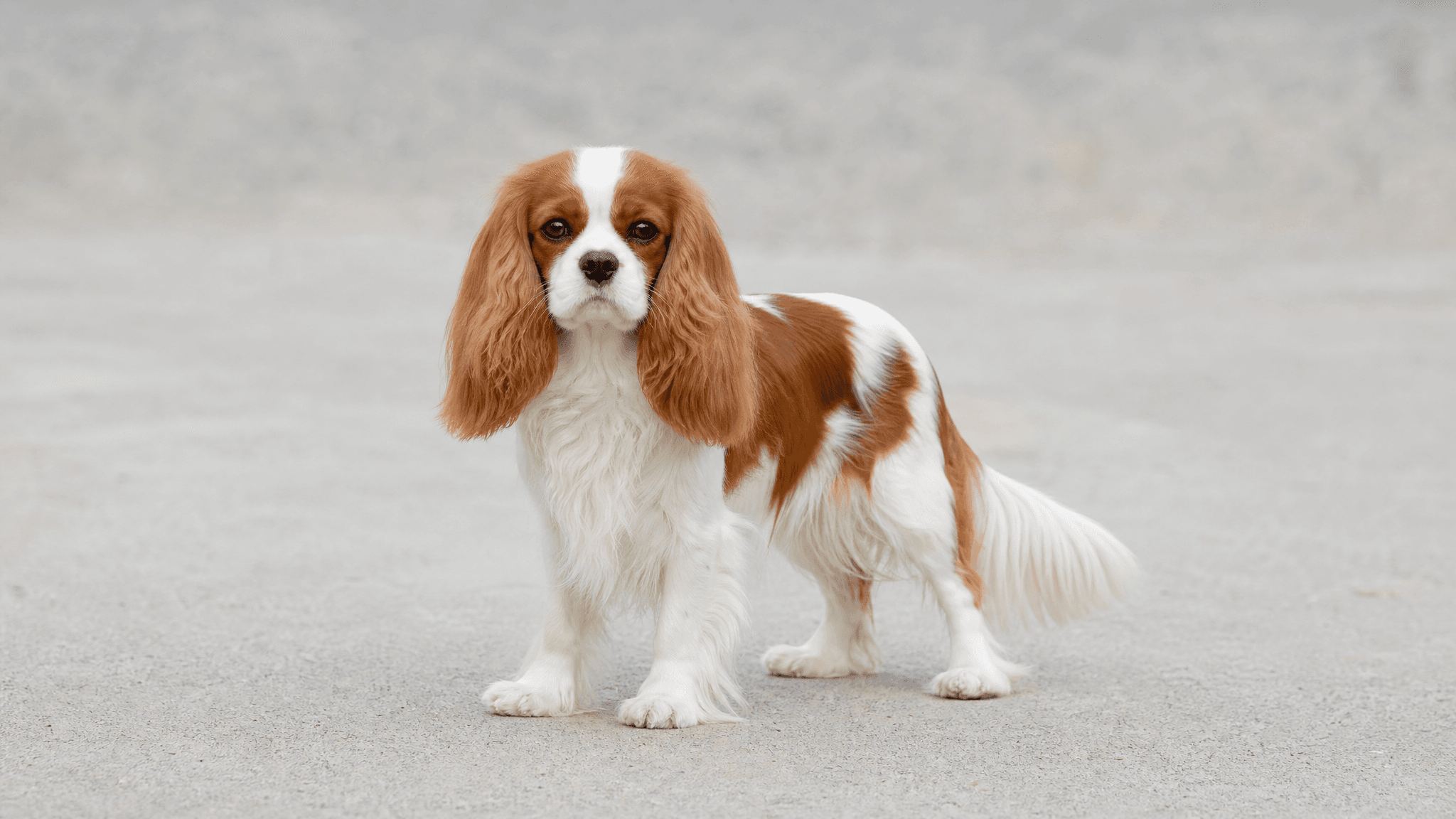
The Cavalier King Charles Spaniel is a recreation, developed in the 1920s–1930s, of the old English long-faced Spaniel that appears in 17th-century paintings — prior to the cross with the Pug that gave rise to the modern King Charles Spaniel. It is slightly larger than the King Charles and with a longer muzzle, which results in fewer respiratory problems. It is currently one of the most popular companion breeds in the world due to its exceptionally gentle and adaptable nature.
Physical Characteristics
- Size
- Small
- Height (male)
- 30–33 cm
- Height (female)
- 28–31 cm
- Weight (male)
- 5.9–8.2 kg
- Weight (female)
- 5.4–7.7 kg
- Life Expectancy
- 12–15 years
- Coat
- Silky, long, and slightly wavy; fringes on ears, paws, and tail
- Common Colors
- Blenheim (chestnut-red and white), Tricolor (black, white, and tan), Black and Tan (black and tan), Ruby (solid red)
Temperament & Personality
The Cavalier King Charles Spaniel is widely considered one of the most affectionate and gentle companion dogs in existence. It is sociable, adaptable, and rarely aggressive, getting along exceptionally well with children, the elderly, other dogs, and cats. It is intelligent and learns easily, although it is more motivated by human proximity than by task accomplishment. It combines the athletic instinct of a hunting Spaniel with the gentleness of a lap dog.
Activity & Exercise
- Energy Level
- Moderate
- Recommended Daily Exercise
- 40–60 minutes
- Suitable for Apartment
- Yes with exercise
Grooming & Care
- Grooming Needs
- Moderate
- Shedding
- Moderate to heavy
- Bathing Frequency
- Every 3–4 weeks
Health
- Common Health Issues
- Eye problems
- Heart disease
- Hip dysplasia
- Patellar luxation
- Syringomyelia and Chiari malformation (serious neurological condition, highly prevalent in the breed)
- Recommended Health Tests
- Annual cardiac exam (mandatory breeding protocol for responsible breeders)
- Eye examination
- MRI for syringomyelia
- Orthopedic evaluation
Compatibility
- With Children
- Excellent
- With Other Dogs
- Excellent
- With Cats
- Excellent
- For First-Time Owners
- Recommended
Is a Cavalier King Charles Spaniel right for you?
A Cavalier King Charles Spaniel may suit you if:
- You can commit to daily walks of 40-60 minutes and enjoy engaging your dog in gentle, stimulating play.
- You enjoy a sociable lifestyle and welcome a gentle companion who thrives on being part of family activities.
- You genuinely desire a deeply affectionate, gentle, and highly adaptable companion dog to share your home.
- You are prepared to use positive reinforcement training, motivated by your close bond, for an intelligent learner.
- You are prepared for moderate grooming, including regular brushing of their silky coat and attention to fringes.
- You appreciate a dog that thrives on human companionship and will happily follow you from room to room.
Think twice if:
- You expect a dog to be fiercely independent or consistently obey without a strong, affectionate bond.
- You frequently leave your dog alone for long periods, as this breed thrives on constant companionship.
- You prefer a dog that is independent and does not seek constant interaction with all family members.
- You are unwilling to commit to moderate daily exercise or regular grooming to prevent matting and manage shedding.
- You expect your dog to be content with minimal human interaction or unsupervised in a large yard.
- You are unprepared for the need to manage a dog that is highly sensitive and thrives on gentle, consistent handling.
Cavaliers offer unparalleled affection and gentle companionship, truly thriving when integrated into family life. While their moderate exercise and grooming needs are manageable, their deep desire for human presence means they are not suited to long hours alone. Embracing their need for closeness will reward you with a devoted, loving friend for 12 to 15 years.
Training a Cavalier King Charles Spaniel
Your Cavalier King Charles Spaniel is a true joy to train, eager to please and deeply motivated by your companionship. These intelligent little dogs thrive on positive reinforcement and short, joyful training sessions that feel like playtime with their favorite human. Because they are so attuned to their people, harsh corrections or impatience will quickly make them withdraw and lose confidence, hindering their learning. Instead, focus on gentle encouragement and making every interaction a positive one, and you'll build a strong, loving bond while teaching them wonderful manners.
Begin with:
- Attention and response to name around distractions
- Recall on a long line
- Loose-leash walking
- Leave it and drop it
- Calm greetings without jumping
- Settling on a mat or bed
- Cooperative handling for grooming, ears, feet and teeth
- Waiting at doors and gates
Recall and Curiosity
While your Cavalier is a devoted companion, their spaniel heritage means they can still be easily distracted by interesting scents or the sight of a scurrying leaf. This natural curiosity, combined with their desire to explore, can sometimes make recall a challenge, especially in busy environments. They are intelligent and learn easily, but their motivation for proximity to you might waver if something more immediately captivating grabs their attention.
To build a rock-solid recall, start in a quiet, enclosed area with minimal distractions. Use high-value treats and enthusiastic praise every single time your Cavalier comes when called, making it the most rewarding thing they can do. Gradually introduce more distractions as they improve, always ensuring success. Practicing on a long line is invaluable for safety and consistent practice.
Loose Leash Walking
Despite their small size, a Cavalier who pulls on the leash can still make walks less enjoyable for both of you. Their moderate energy level means they need their daily 40-60 minutes of exercise, and a pulling habit can make these outings frustrating. Because they are so gentle and sensitive, harsh leash corrections are counterproductive and can damage your bond.
Focus on positive reinforcement. Reward your Cavalier whenever the leash is slack, even for a single step. If they pull, stop walking immediately. Only resume when the leash loosens. Changing direction frequently can also encourage them to pay attention to you. Consistency is key, and with patience, your Cavalier will learn that a loose leash leads to fun adventures. You can find more advice in our article on stopping puppy pulling.
Alone Time Woes
Cavalier King Charles Spaniels are renowned as affectionate companion dogs, thriving on human company. This wonderful trait means they can be particularly prone to separation anxiety or distress if left alone for extended periods without proper preparation. They may express their unhappiness through barking, destructive chewing, or even house-soiling, not out of naughtiness, but genuine anxiety.
Start by gradually increasing the time you leave them alone, beginning with just a few minutes. Ensure they have had their daily exercise and a potty break before you leave. Provide engaging puzzle toys or long-lasting chews to keep them mentally stimulated. Avoid making a big fuss when you leave or return, keeping departures and arrivals calm and low-key. Understanding their signs of stress can help you adjust your routine; this guide can help you identify them.
Cavalier King Charles Spaniel — Frequently Asked Questions
What is the most important health concern for Cavalier King Charles Spaniels?
Mitral Valve Disease (MVD) is the defining health challenge of the breed — the vast majority of Cavaliers will develop this heart condition by the age of 10, and many develop it much earlier. It's a progressive condition that eventually leads to heart failure. Regular cardiac check-ups with a cardiologist from age one, buying from breeders who follow the Cavalier Health heart-screening protocol, and early treatment when a murmur is detected all make a genuine difference to quality and length of life.
Are Cavalier King Charles Spaniels good apartment dogs?
Cavaliers are among the best apartment breeds available — they're small, quiet, calm indoors, and perfectly happy with moderate exercise. They adore being close to their person and won't demand hours of strenuous activity. Their gentle, adaptable nature means they settle into apartment routines easily, as long as they get a couple of short-to-moderate walks per day and lots of cuddle time.
Do Cavaliers suffer from separation anxiety?
Cavaliers are bred to be companion dogs and can struggle significantly with being left alone — they thrive on human contact and may bark, pace, or become destructive when isolated. Gradual alone-time training from puppyhood is essential. Some do fine when properly trained, while others benefit from a companion dog or dog walker during the day. This breed is truly best suited to households where someone is home for most of the day.
What is syringomyelia in Cavaliers, and should I worry about it?
Syringomyelia (SM) is a painful neurological condition caused by the Cavalier's skull being too small for its brain — fluid-filled cavities form in the spinal cord, causing scratching, sensitivity to touch, and pain. It's unfortunately common in the breed. MRI screening of breeding parents and choosing breeders who test for both MVD and SM gives the best chance of a healthier puppy. Any Cavalier showing symptoms (especially phantom scratching) should see a neurologist promptly.
Are Cavaliers easy to train?
Cavaliers are gentle, people-pleasing dogs that respond beautifully to positive reinforcement — they genuinely want to make you happy. They're not as laser-focused as a Border Collie, but they learn basic obedience readily and enjoy trick training as a bonding activity. Their sensitive nature means they shut down completely under pressure, so calm, patient, reward-based training is the only approach that works well with them.
How much exercise does a Cavalier need?
Cavaliers are moderate exercisers — they enjoy and need around 30–45 minutes of daily walking and enjoy off-leash play when safe. They're adaptable and happy to join you on longer hikes occasionally, but don't require intense workouts. Be mindful of temperature as their spaniel faces can make them more sensitive to heat than most dogs. A comfortable walk in the morning and evening suits most Cavaliers perfectly.
Are Cavaliers good family dogs?
Cavaliers are superb family dogs — gentle, patient, and delighted to be involved in family life. They're soft-natured enough to be safe around very young children and adaptable enough to fit into most family routines. They do best in families where they won't be left alone for long hours, as their companion breed nature means they genuinely need human presence to be content. Given that, they repay with unconditional love and joyful companionship.
How long do Cavalier King Charles Spaniels typically live?
Cavaliers typically live 9–14 years, though the cardiac disease burden means many live closer to the lower end of that range. With early heart-screening, prompt treatment of MVD when detected, and proper general care, many Cavaliers live well into their early-to-mid teens. Choosing puppies from health-screened parents is one of the single most impactful decisions you can make for a long and comfortable life together.
Community
Talk to real Cavalier King Charles Spaniel owners
This guide covers the breed on paper. In the app, the Cavalier King Charles Spaniel community covers it in real life: photos from other owners, questions answered by people who live with the breed, and a directory of dogs you can browse.
- Photos & pollsSee what Cavalier King Charles Spaniel owners are sharing today.
- Questions & answersAsk anything and hear from people who own one.
- Dog directoryBrowse Cavalier King Charles Spaniels from around the world.
You join automatically when you add a Cavalier King Charles Spaniel to your profile.