Dandie Dinmont Terrier
Summary
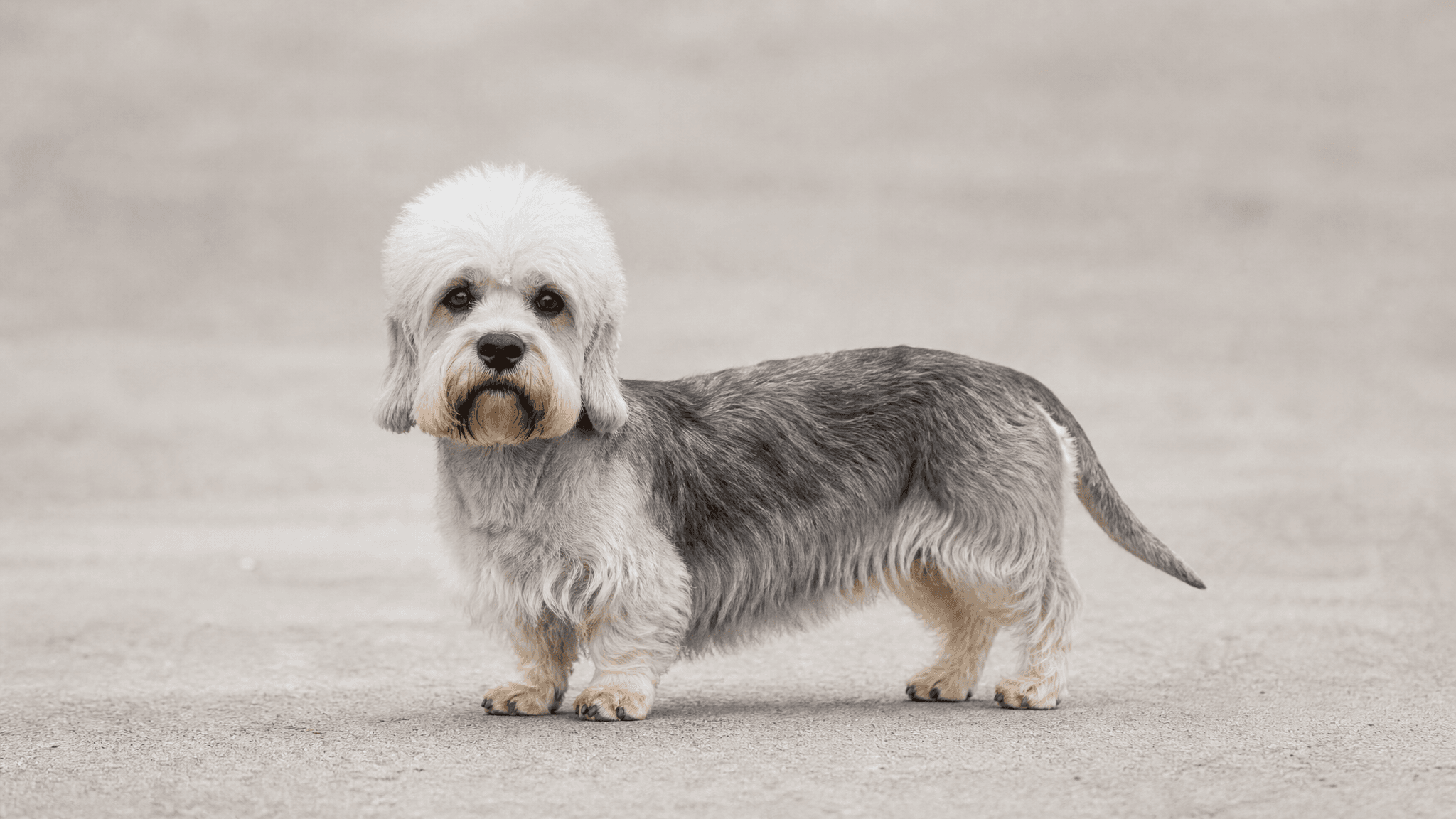
The Dandie Dinmont Terrier is one of the most original and unmistakable breeds in the canine world: a long body, short legs, pendant ears, and a magnificent topknot of soft hair on the head. Its name is unique in cynology — it is the only breed named after a fictional character, the farmer Dandie Dinmont from Sir Walter Scott's novel "Guy Mannering" (1815). Developed on the Scottish-English border, it was used to hunt otter and badger.
Physical Characteristics
- Size
- Small
- Height (male)
- 20–28 cm
- Height (female)
- 20–28 cm
- Weight (male)
- 8–11 kg
- Weight (female)
- 8–11 kg
- Life Expectancy
- 12–15 years
- Coat
- double and mixed; about 2/3 hard hair and 1/3 soft hair; depth of 5 cm; soft hair topknot on the head
- Common Colors
- only two accepted colors: pepper (blue-black to light silver-grey) and mustard (reddish-brown to light fawn)
Temperament & Personality
Despite its almost comical appearance, the Dandie Dinmont is a dog of firm and courageous character. It is the "most docile of terriers" according to breed enthusiasts, but this should not be confused with submissiveness — it is determined, independent, and very capable of defending itself if needed. With the family it is very affectionate, calm at home, and patient with children. A discreet but effective guardian.
Activity & Exercise
- Energy Level
- Moderate
- Recommended Daily Exercise
- 30–45 minutes
- Suitable for Apartment
- Yes
Grooming & Care
- Grooming Needs
- High
- Shedding
- Low to moderate
- Bathing Frequency
- Every 4–6 weeks
Health
- Common Health Issues
- Cancer (mast cell tumors, hemangiosarcoma, lymphoma)
- Glaucoma
- Hypothyroidism problems
- Spinal problems
- Recommended Health Tests
- Eye examination
- Spinal evaluation in symptomatic animals
Compatibility
- With Children
- Good
- With Other Dogs
- Moderate
- With Cats
- Good
- For First-Time Owners
- Acceptable
Is a Dandie Dinmont Terrier right for you?
A Dandie Dinmont Terrier may suit you if:
- You are prepared to provide 30 to 45 minutes of daily exercise and engaging mental challenges.
- You enjoy a calm home life but appreciate a spirited companion for outdoor adventures.
- You appreciate a dog with a courageous, independent spirit that is still affectionate and patient with family.
- You are ready to commit to consistent, positive training to guide a determined terrier mind.
- You are willing to perform regular grooming, including stripping and caring for its unique topknot.
- You understand and can manage a terrier's natural instincts for digging and exploring.
Think twice if:
- You expect unwavering obedience from a dog, as this breed possesses a strong independent streak.
- You often leave your dog alone for long periods, as Dandies thrive on companionship.
- You are unprepared for potential challenges introducing your Dandie to other dogs.
- You are unwilling to commit to daily walks and the consistent grooming schedule this breed requires.
- You do not have a securely fenced yard or are unable to supervise outdoor playtime.
- You are not prepared to guide a spirited, independent terrier through its formative years with patience.
The Dandie Dinmont Terrier is a unique blend of courage and affection. While they are known as the "most docile of terriers" and are wonderful family companions, their independent spirit and hunting heritage mean they aren't for every household. They ask for consistent care and understanding, and in return, offer a lifetime of devoted, charming companionship that truly enriches your home.
Training a Dandie Dinmont Terrier
Dandie Dinmont Terriers are wonderfully intelligent and, despite their independent streak, very eager to please the people they love. They learn best through short, fun, and consistent positive reinforcement sessions, especially when treats or engaging toys are involved. Their "most docile of terriers" reputation means they respond well to gentle guidance, but their determined nature quickly surfaces if training becomes repetitive, harsh, or confusing. Inconsistent handling will lead to a Dandie making its own decisions, which might not always align with yours!
Begin with:
- Attention to name around distractions
- Recall on a long line
- Loose-leash walking
- Leave it and drop it
- Calm greetings without jumping
- Settling on a mat or bed
- Cooperative handling for grooming, ears, feet, and teeth
- Waiting at doors and gates
Prey Drive and Recall
Dandie Dinmont Terriers were originally bred to hunt otter and badger, giving them a strong, innate prey drive. This means that squirrels, rabbits, or even a rustling leaf can capture their attention completely, making them temporarily deaf to your calls. A rock-solid recall is paramount for their safety, especially in unfenced areas. Start practicing in a quiet, secure space and gradually introduce distractions.
To build a reliable recall, always make coming to you the most rewarding experience possible. Use high-value treats and enthusiastic praise. Consider using a long line in open spaces to give them freedom while maintaining control, and practice regularly. For more detailed guidance, check out our guide on teaching recall.
Leash Pulling
Despite their small size (typically 8-11 kg and 20-28 cm tall), Dandie Dinmont Terriers are surprisingly strong and determined. If they decide they want to investigate something, they can pull with considerable force, making walks less enjoyable for both of you. Early and consistent training is key to teaching them good leash manners.
Focus on rewarding loose-leash walking from day one. If your Dandie starts to pull, stop immediately. Only resume walking when the leash slackens. A front-clip harness can also be a helpful tool to discourage pulling without causing discomfort. For a comprehensive approach, our article How to Stop a Puppy Pulling on the Leash offers excellent tips that apply to all ages.
Boredom Behaviors
While Dandie Dinmonts are known for being calm at home and are suitable for apartment living, they are still terriers with a moderate energy level. If they don't receive their recommended 30-45 minutes of daily exercise and sufficient mental stimulation, they can become bored. Boredom often leads to undesirable behaviors like excessive barking, digging, or destructive chewing.
Keep your Dandie engaged with a variety of activities. Incorporate short, fun training sessions into your day, use puzzle toys to challenge their minds, and provide appropriate chew toys. Regular walks and playtime are essential, but mental enrichment is just as important for these clever dogs. Our training feature can help you build a consistent routine to keep your Dandie happy and stimulated.
Dandie Dinmont Terrier — Frequently Asked Questions
What is the Dandie Dinmont Terrier?
The Dandie Dinmont Terrier is a truly unique and unmistakable small-sized terrier originating from the Scottish-English border in the United Kingdom. They are part of the FCI Group 3 (Small-Sized Terriers) and are easily recognized by their distinctive appearance: a long body, short legs, charming pendant ears, and a magnificent topknot of soft hair adorning their head. What's even more fascinating is their name; they are the only breed in cynology named after a fictional character, the farmer Dandie Dinmont from Sir Walter Scott's novel "Guy Mannering." These charming dogs are full of character!
What was the Dandie Dinmont Terrier originally bred for?
Hailing from the rugged Scottish-English border, the Dandie Dinmont Terrier was originally developed for a very specific and demanding purpose: to be a tenacious and effective hunter. These brave little dogs were highly valued for their ability to hunt otter and badger, tasks that required immense courage, determination, and a keen sense of smell. Their unique build, with a long body and short legs, allowed them to navigate dense undergrowth and enter the burrows of their prey. This rich history speaks volumes about their inherent spirit and resilience, even today.
How much exercise does a Dandie Dinmont Terrier need?
Despite their small size, Dandie Dinmont Terriers have a moderate energy level and enjoy their daily outings! To keep your Dandie happy and healthy, we recommend providing them with about 30–45 minutes of exercise each day. This doesn't necessarily mean intense, high-impact activities; a good brisk walk around the neighborhood, some playtime in a securely fenced yard, or even a fun game of fetch will suffice. Consistent daily activity helps them stay physically fit and mentally stimulated, ensuring they remain the calm and affectionate companions you adore at home.
Is the Dandie Dinmont Terrier a good family dog?
Absolutely! The Dandie Dinmont Terrier makes a wonderful addition to many families. They are known for being very affectionate with their loved ones and are typically calm and settled when at home. Breed enthusiasts often describe them as the "most docile of terriers," and they are remarkably patient with children, making them suitable companions for families. While they possess a firm and courageous character, they are not prone to submissiveness, maintaining an independent spirit. With proper introductions, they can also coexist peacefully with other pets, especially if socialized from a young age.
Is the Dandie Dinmont Terrier easy to train?
Training a Dandie Dinmont Terrier can be a rewarding experience, though it requires consistency and understanding of their unique terrier temperament. While they are considered the "most docile of terriers" and are quite intelligent, they also possess a determined and independent spirit. This means they are not easily swayed and are very capable of defending themselves if needed, which can sometimes translate to a stubborn streak in training. Positive reinforcement methods, patience, and early socialization are key to success. With a firm yet gentle hand, your Dandie will learn quickly and become a well-behaved companion.
What health issues are common in the Dandie Dinmont Terrier?
Like all breeds, Dandie Dinmont Terriers can be prone to certain health conditions, and being aware of these can help you provide the best care. Some documented health concerns in the breed include various forms of cancer, such as mast cell tumors, hemangiosarcoma, and lymphoma. They can also be susceptible to glaucoma, which affects eye health, and hypothyroidism problems. Additionally, spinal problems are a concern for the breed. Regular veterinary check-ups and a healthy lifestyle are crucial for early detection and management, helping your beloved Dandie live a long and happy life.
What is the Dandie Dinmont Terrier's coat like and how much grooming does it need?
The Dandie Dinmont Terrier boasts a truly unique and charming coat, most notably its magnificent topknot of soft hair on the head, which gives them their distinctive and endearing appearance. While the curated data highlights this beautiful feature, like many terriers, their double coat typically requires regular grooming to keep it healthy and looking its best. This usually involves consistent brushing to prevent mats and remove loose hair, along with occasional hand-stripping or trimming to maintain the characteristic texture and shape of their coat. Dedicated attention ensures your Dandie always looks dapper and feels comfortable.
What is the typical lifespan of a Dandie Dinmont Terrier?
One of the wonderful qualities of the Dandie Dinmont Terrier is their relatively long lifespan, allowing you many years of cherished companionship! You can typically expect your Dandie to live between 12 and 15 years, provided they receive proper care, a balanced diet, regular exercise, and consistent veterinary attention throughout their lives. Maintaining their health through preventative measures and addressing any health concerns promptly will contribute significantly to them reaching the upper end of this impressive age range. They truly are a long-term commitment of love and joy!
Community
Talk to real Dandie Dinmont Terrier owners
This guide covers the breed on paper. In the app, the Dandie Dinmont Terrier community covers it in real life: photos from other owners, questions answered by people who live with the breed, and a directory of dogs you can browse.
- Photos & pollsSee what Dandie Dinmont Terrier owners are sharing today.
- Questions & answersAsk anything and hear from people who own one.
- Dog directoryBrowse Dandie Dinmont Terriers from around the world.
You join automatically when you add a Dandie Dinmont Terrier to your profile.