Norfolk Terrier
Summary
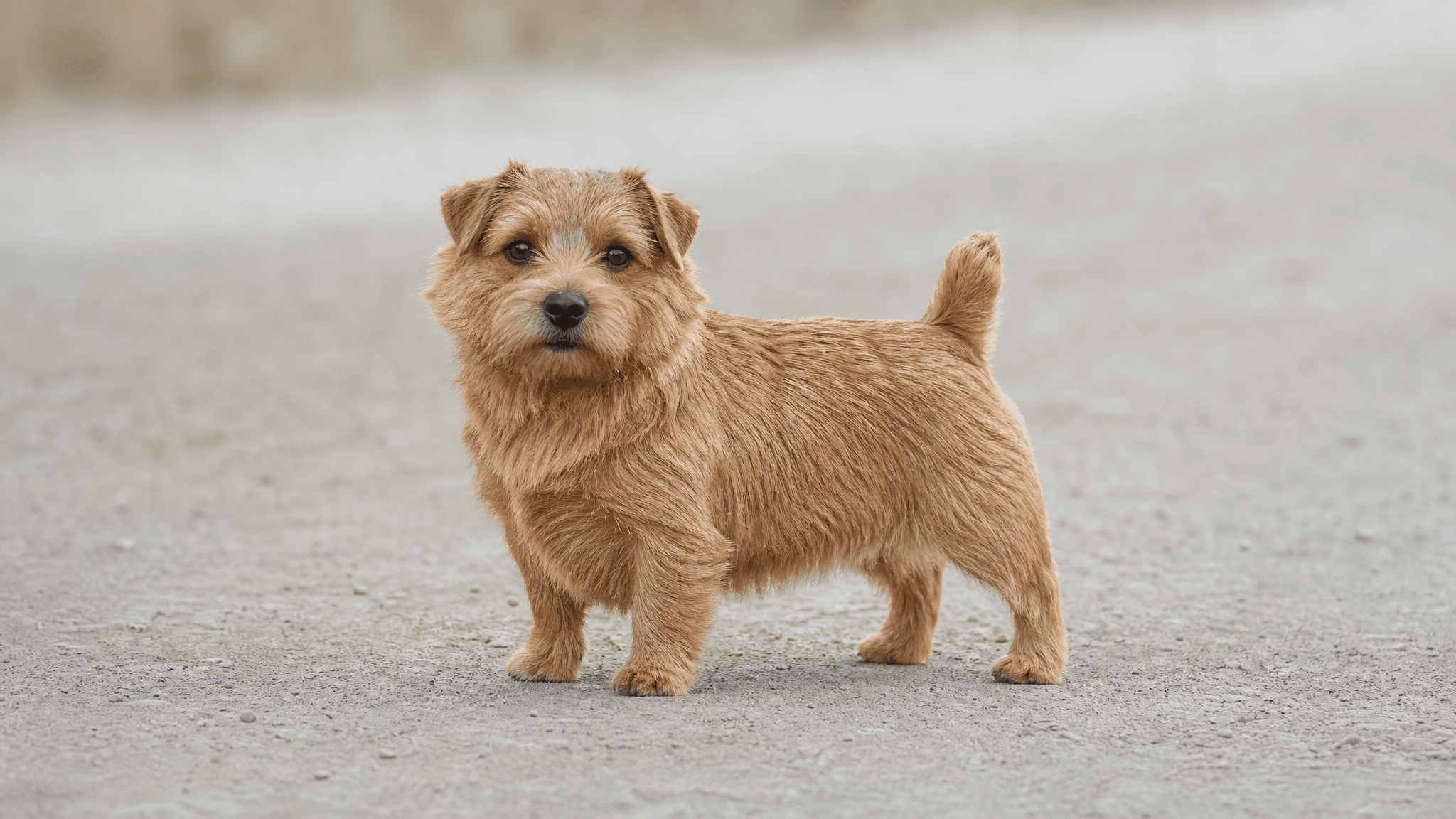
The Norfolk Terrier is the "drop-eared sibling" of the Norwich Terrier — they were the same breed until 1964, when they were formally separated based solely on ear shape (the Norfolk has ears folded forward; the Norwich has erect ears). Like the Norwich, it was developed in East Anglia (Norfolk and Suffolk) to hunt fox, rat, and badger, and was initially popular as a mascot among Cambridge students. It is one of the smallest working terriers.
Physical Characteristics
- Size
- Small
- Height (male)
- 23–25 cm
- Height (female)
- 23–25 cm
- Weight (male)
- 5–6 kg
- Weight (female)
- 5–6 kg
- Life Expectancy
- 12–15 years
- Coat
- hard, rough, lying flat; longer and thicker on the neck and shoulders
- Common Colors
- red, wheaten, black-and-tan, or grizzle; no white markings
Temperament & Personality
The Norfolk is "a little devil" for its size — small in body but with considerable personality. It is cheerful, affectionate, rarely quarrelsome with other dogs (unusual in terriers), very active, and adaptable. It is an ideal companion for those who want a real terrier but in a compact format and with a more sociable temperament. Its resilience, cheerfulness, and good disposition make it a favorite of many families.
Activity & Exercise
- Energy Level
- High
- Recommended Daily Exercise
- 30–45 minutes
- Suitable for Apartment
- Yes
Grooming & Care
- Grooming Needs
- Moderate
- Shedding
- Minimal
- Bathing Frequency
- Every 4–6 weeks
Health
- Common Health Issues
- Cardiac problems
- Epilepsy
- Hip dysplasia
- Respiratory problems (mild brachycephalic obstructive syndrome)
- Recommended Health Tests
- Cardiac examination
- Joint evaluation
- Respiratory evaluation
Compatibility
- With Children
- Excellent
- With Other Dogs
- Excellent
- With Cats
- Moderate
- For First-Time Owners
- Recommended
Is a Norfolk Terrier right for you?
A Norfolk Terrier may suit you if:
- You can provide consistent daily exercise, enjoying active walks and engaging play for at least 30-45 minutes.
- You enjoy a varied lifestyle that includes outdoor adventures and cozy indoor companionship.
- You appreciate a spirited, affectionate companion with a big personality in a small package.
- You are prepared to invest in consistent, positive training to channel their intelligent terrier instincts.
- You are willing to commit to regular brushing and occasional professional grooming to maintain their distinctive coat.
- You are ready to manage their natural terrier instincts for digging, chasing, and vocal alerts with patience.
Think twice if:
- You expect instant, unwavering obedience from a dog, as terriers have an independent streak.
- You have a routine that requires leaving a dog alone for long periods each day without engagement.
- You are unwilling to carefully introduce and supervise them with household cats, given their prey drive.
- You are seeking a low-maintenance dog regarding exercise or coat care, as they need daily activity and regular grooming.
- You do not have a securely fenced yard or are unprepared for diligent leash walking to prevent chasing small critters.
- You are not prepared for a spirited, sometimes boisterous companion who requires consistent guidance during adolescence.
Living with a Norfolk Terrier is a delightful dance between their affectionate nature and their spirited terrier independence. While they offer immense joy and companionship in a compact form, they thrive with an owner who appreciates their zest for life and is ready to channel their clever, sometimes mischievous, personality with consistent love and guidance.
Training a Norfolk Terrier
Norfolk Terriers are intelligent, cheerful, and highly motivated by positive reinforcement, especially tasty treats and engaging play. Their "little devil" personality means they thrive on short, fun, and varied training sessions that keep their bright minds engaged. Repetitive drills will quickly bore them, leading to a lack of focus or even mischievous antics. Consistency and patience are key; harsh corrections or frustration will only make this sensitive yet resilient breed shut down or become more stubborn. Keep it light, positive, and always end on a high note!
Begin with:
- Attention and response to name around distractions
- Recall on a long line
- Loose-leash walking
- Leave it and drop it
- Calm greetings without jumping
- Settling on a mat or bed
- Cooperative handling for grooming, ears, feet and teeth
- Waiting at doors and gates
Recall and prey drive
Norfolk Terriers were bred to hunt fox, rat, and badger, so their prey drive is strong. This instinct can make recall challenging, especially outdoors. Even though they are small, their focus on a scent or movement can be intense, making them prone to ignoring your calls when something more exciting catches their attention.
Start recall training in a secure, distraction-free area, building up to more complex environments. Always use a long line in unfenced areas until their recall is rock-solid, and make coming back to you the most rewarding thing ever with high-value treats and enthusiastic praise. Consider our guide on teaching a reliable recall.
Leash pulling
Despite their small size (5-6 kg), Norfolk Terriers are active and energetic, and can pull surprisingly hard on the leash when excited or on the trail of an interesting scent. Their enthusiasm for exploration can quickly turn a pleasant walk into a tug-of-war, especially if they are not getting enough mental and physical exercise.
Focus on teaching loose-leash walking from day one. Use a front-clip harness to gently redirect them, and reward them frequently for walking nicely by your side. Consistency is crucial, as is ensuring they get their recommended 30-45 minutes of daily exercise to burn off energy. Our guide on stopping leash pulling can help you establish good habits.
Boredom behaviors
Norfolk Terriers are high-energy and intelligent, thriving on activity and mental stimulation. If under-exercised, under-stimulated, or left alone for extended periods, they can resort to digging, chewing, or excessive barking to entertain themselves. This is their "little devil" personality manifesting in less desirable ways, often leading to frustration for both dog and owner.
Ensure your Norfolk gets their daily 30-45 minutes of varied exercise, including walks and playtime. Provide plenty of puzzle toys and chew items to keep their minds and mouths busy when you can't actively engage with them. Regular, short training sessions also provide excellent mental enrichment and help strengthen your bond.
Norfolk Terrier — Frequently Asked Questions
What is the Norfolk Terrier?
The Norfolk Terrier is a delightful small-sized terrier originating from the United Kingdom, specifically East Anglia. Often called the "drop-eared sibling" of the Norwich Terrier, they were once considered the same breed until their formal separation in 1964 based purely on ear shape. Don't let their compact size fool you; these little companions possess a considerable personality! They are known for being cheerful, affectionate, and remarkably adaptable, making them one of the smallest yet most spirited working terriers in the FCI Group 3.
What was the Norfolk Terrier originally bred for?
Originally developed in the rural landscapes of East Anglia, the Norfolk Terrier was a true working dog with a very important job. These plucky little terriers were specifically bred to hunt vermin, including fox, rat, and badger, showcasing their incredible tenacity and courage. Beyond their working prowess, they also found popularity as charming mascots among Cambridge students, highlighting their sociable and engaging nature even in their early history. Their purpose was clear: to be a brave and effective companion in the field.
How much exercise does a Norfolk Terrier need?
Despite their small stature, Norfolk Terriers are very active dogs with a high energy level, so they definitely need regular opportunities to burn off some steam! We recommend providing your Norfolk Terrier with a good 30 to 45 minutes of exercise each day. This could include brisk walks, playful romps in a secure yard, or engaging in fun games of fetch. Consistent daily activity will help keep your Norfolk happy, healthy, and well-behaved, ensuring they get the mental and physical stimulation they thrive on.
Is the Norfolk Terrier a good family dog?
Absolutely! The Norfolk Terrier is often described as an ideal companion, known for its cheerful, affectionate, and adaptable nature. They are generally very sociable and, unusually for terriers, are rarely quarrelsome with other dogs, which is a wonderful trait for a multi-pet household. Their resilient and good-dispositioned temperament makes them a fantastic addition to families, including those with children. With proper introductions and supervision, a Norfolk Terrier can truly thrive as a beloved and engaging member of your family, bringing joy and lively companionship.
Is the Norfolk Terrier easy to train?
Norfolk Terriers are intelligent and possess a considerable personality, often earning them the affectionate nickname "a little devil" for their spirited nature! While they are adaptable and have a good disposition, their terrier independence means consistent, positive reinforcement training is key. They respond best to fun, engaging sessions that keep their bright minds stimulated. Early socialization and training will help channel their resilience and cheerfulness into a well-mannered companion. With patience and consistency, you'll find your Norfolk Terrier eager to learn and please, making training a rewarding experience.
What health issues are common in the Norfolk Terrier?
Like all breeds, Norfolk Terriers can be prone to certain health conditions, and being aware of these can help you provide the best care. Some documented health concerns for the breed include cardiac problems, epilepsy, and hip dysplasia. They can also experience respiratory problems, particularly a mild form of brachycephalic obstructive syndrome, due to their facial structure. Regular veterinary check-ups, a healthy diet, and appropriate exercise are crucial for monitoring and managing these potential issues, ensuring your Norfolk enjoys a long and vibrant life by your side.
What is the Norfolk Terrier's coat like and how much grooming does it need?
The Norfolk Terrier typically sports a wiry, weather-resistant coat that is characteristic of many terrier breeds. This type of coat helps protect them from the elements, especially given their history as working dogs. To keep their coat in top condition and maintain its texture, regular grooming is essential. This usually involves hand-stripping a few times a year, rather than clipping, to remove dead hair and encourage new growth. Brushing a couple of times a week will also help keep their coat tidy and minimize shedding, ensuring your Norfolk always looks their best!
What is the typical lifespan of a Norfolk Terrier?
Norfolk Terriers are known for their robust health and can be wonderful companions for many years! You can generally expect your beloved Norfolk Terrier to live a happy and fulfilling life for approximately 12 to 15 years. Providing them with a balanced diet, consistent exercise, regular veterinary care, and plenty of love and mental stimulation will contribute significantly to their longevity and overall well-being. Cherish every moment with these spirited little dogs; they truly bring so much joy and companionship into our lives!
Community
Talk to real Norfolk Terrier owners
This guide covers the breed on paper. In the app, the Norfolk Terrier community covers it in real life: photos from other owners, questions answered by people who live with the breed, and a directory of dogs you can browse.
- Photos & pollsSee what Norfolk Terrier owners are sharing today.
- Questions & answersAsk anything and hear from people who own one.
- Dog directoryBrowse Norfolk Terriers from around the world.
You join automatically when you add a Norfolk Terrier to your profile.