Majorca Mastiff
Summary
The Ca de Bou ("Bull Dog" in Catalan) is the breed from the Balearic Islands, probably developed from crosses between local guard dogs and English dogs brought by traders during the period of British rule of Majorca (1708–1802). It was used in the old local bullfights to restrain bulls, an activity now banned in the Balearics.
Physical Characteristics
- Size
- Medium
- Height (male)
- 55–58 cm
- Height (female)
- 52–55 cm
- Weight (male)
- 35–38 kg
- Weight (female)
- 30–34 kg
- Life Expectancy
- 10–12 years
- Coat
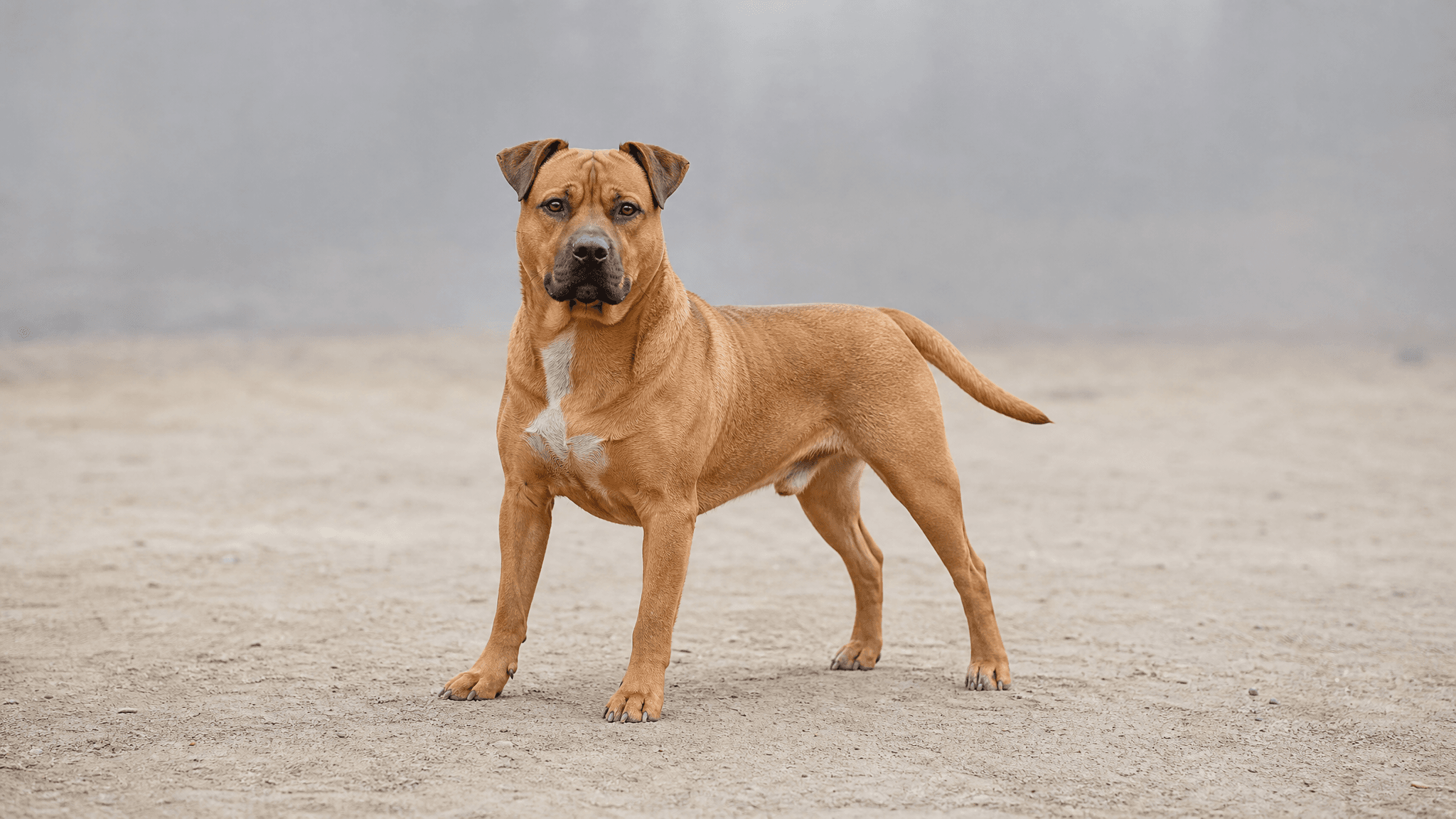
- Short, hard, and coarse
- Common Colors
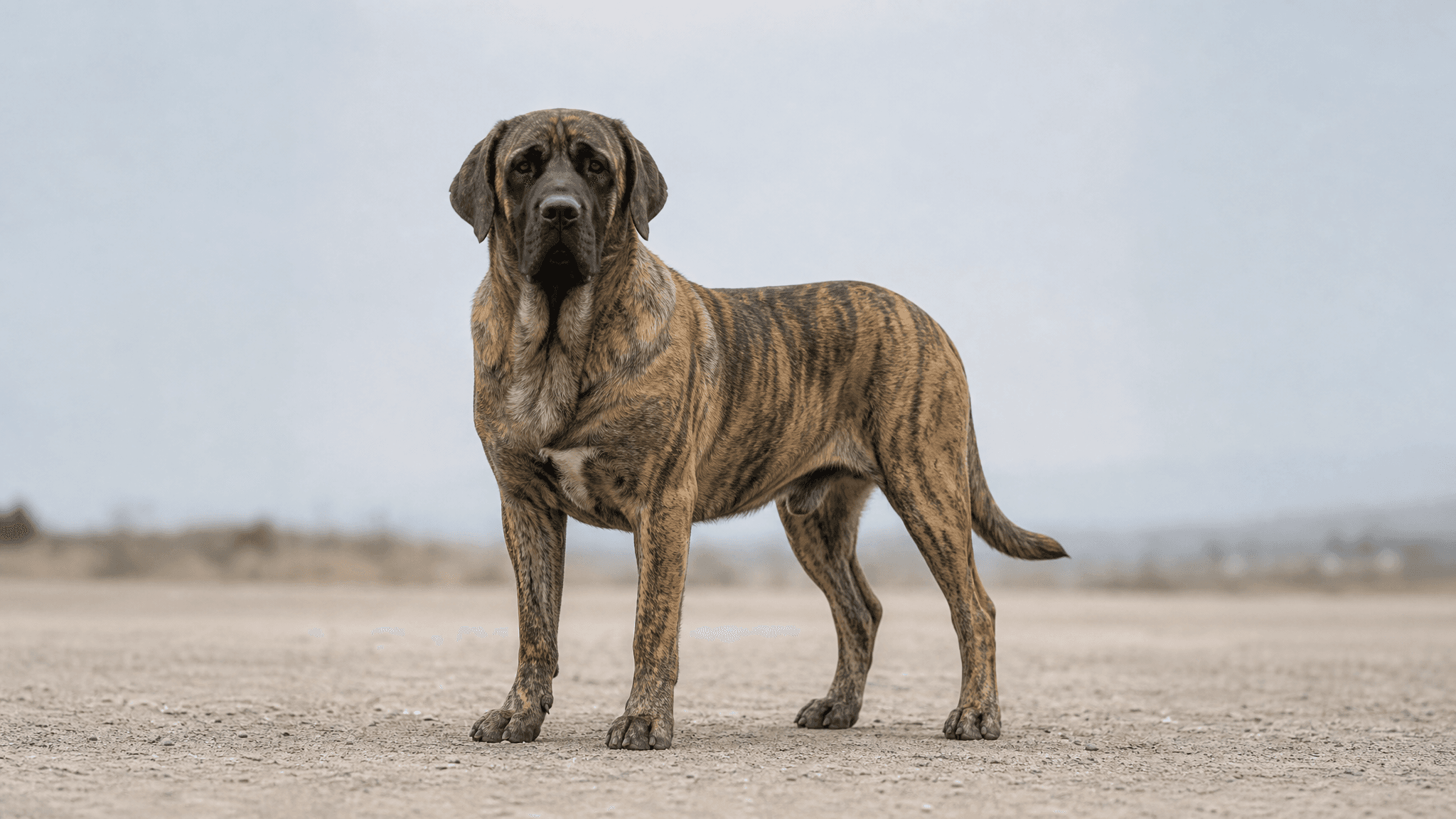
- Brindle, fawn, black; black mask accepted
Temperament & Personality
The Ca de Bou is a calm and sociable dog with people it knows well, but with strong guarding instincts that make it reserved with strangers. It is courageous and determined — essential characteristics for its historical function. It needs early socialisation to learn to coexist with other animals and people. With its family's children, it tends to be gentle and protective.
Activity & Exercise
- Energy Level
- Moderate
- Recommended Daily Exercise
- 60–90 minutes
- Suitable for Apartment
- Not recommended
Grooming & Care
- Grooming Needs
- Low
- Shedding
- Moderate
- Bathing Frequency
- Every 6–8 weeks
Health
- Common Health Issues
- Heart problems (murmurs)
- Hip dysplasia
- Recommended Health Tests
- Cardiac examination
- Hip radiography
Compatibility
- With Children
- Moderate
- With Other Dogs
- Can be difficult
- With Cats
- Can be difficult
- For First-Time Owners
- Not recommended
Is a Majorca Mastiff right for you?
A Majorca Mastiff may suit you if:
- You can provide 60-90 minutes of moderate daily exercise and engaging mental stimulation.
- You enjoy a calm, sociable companion who thrives within a dedicated family environment.
- You appreciate a courageous and determined dog with natural protective instincts.
- You are prepared for consistent early socialization and ongoing, firm training.
- You are happy with a short, coarse coat that requires low grooming and moderate shedding.
- You are willing to manage a dog that is naturally reserved with strangers due to its guarding nature.
Think twice if:
- You expect immediate and unquestioning obedience from a dog with an independent will.
- You frequently leave your dog alone for long periods, as they thrive on companionship.
- You have other dogs, cats, or very young children without extensive socialization plans.
- You are unwilling to commit to daily exercise and consistent, patient training.
- You live in an apartment or cannot provide a securely fenced outdoor space for a medium-sized dog.
- You are not prepared to physically and mentally handle a powerful, determined dog through its adolescence.
The Majorca Mastiff offers unwavering loyalty and a calm, protective presence to its devoted family. However, their powerful instincts and independent spirit demand a committed owner who understands their unique needs. With the right guidance and socialization, they become magnificent, gentle guardians, but they are not a breed for the faint of heart or first-time owners.
Training a Majorca Mastiff
The Majorca Mastiff, or Ca de Bou, is a courageous and determined learner. They thrive on positive reinforcement, clear expectations, and a handler who is calm and consistent. Short, engaging training sessions, perhaps 5-10 minutes each, several times a day, work best to keep their focus. They are motivated by praise, play, and high-value treats. Inconsistency or harsh methods will quickly lead to a stubborn and resistant dog, as their strong will means they won't respond well to heavy-handed approaches, potentially causing them to shut down or become defensive.
Begin with:
- Attention and response to name around distractions
- Recall on a long line
- Loose-leash walking
- Leave it and drop it
- Calm greetings without jumping
- Settling on a mat or bed
- Cooperative handling for grooming
- Waiting at doors and gates
Guarding instincts and reactivity
The Ca de Bou's strong guarding instincts, while valuable in their historical role, mean they are naturally reserved with strangers and can be difficult with other dogs and cats. Early and continuous positive socialization is crucial. Introduce your puppy to a wide variety of sights, sounds, people, and friendly, vaccinated dogs in a controlled, positive way. Focus on rewarding calm behaviour in new situations.
If your adult dog shows signs of reactivity, work with a professional trainer to implement counter-conditioning and desensitization techniques, always prioritizing safety and positive experiences. Consistent, calm leadership helps them feel secure and less compelled to guard excessively.
Leash pulling and reactivity
Given their medium size and determined nature, a Majorca Mastiff can be a powerful puller on the leash. This is compounded by their potential difficulty with other dogs, leading to reactive lunging. Start loose-leash training early, using positive reinforcement to reward walking calmly by your side. A front-clip harness can be very helpful for managing their strength while you work on training. For specific guidance on managing pulling, check out our guide.
If your dog is reactive to other dogs or people on walks, focus on creating distance and rewarding calm focus on you. Our reactive dog training plan offers more in-depth strategies for managing and improving these behaviours.
Boredom and destructive behaviour
Majorca Mastiffs have a moderate energy level and require 60-90 minutes of daily exercise. If their physical and mental needs aren't met, their intelligence and determination can lead to boredom-related behaviours like excessive barking, digging, or destructive chewing. Ensure they receive consistent daily walks and opportunities for mental enrichment through puzzle toys, training games, and scent work.
Since they are not recommended for apartment living, they thrive with space to explore safely. Consistent training using our training feature can help keep their minds engaged and prevent unwanted habits from forming, ensuring they are happy and well-behaved companions.
Majorca Mastiff — Frequently Asked Questions
What is the Perro Dogo Mallorquín (Majorca Mastiff)?
The Perro Dogo Mallorquín, also known as the Ca de Bou or Majorca Mastiff, is a fascinating medium-sized breed hailing from the beautiful Balearic Islands of Spain. Its name, "Ca de Bou," translates to "Bull Dog" in Catalan, hinting at its historical roots. This breed belongs to FCI Group 2, which encompasses Mastiff-type dogs, reflecting its powerful and robust build. They are known for their strong, muscular physique and a calm yet alert demeanor, making them quite distinctive among their canine companions.
What was the Perro Dogo Mallorquín (Majorca Mastiff) originally bred for?
The Perro Dogo Mallorquín has a truly unique and powerful history! Originating during the period of British rule in Majorca (1708–1802), this breed was developed from crosses between local guard dogs and English dogs brought by traders. Their primary original purpose was quite specific: they were historically used in the local bullfights to help restrain bulls. While this activity is now thankfully banned in the Balearics, their courageous and determined nature, essential for their historical function, still shines through today, making them a breed with a remarkable past.
How much exercise does a Perro Dogo Mallorquín (Majorca Mastiff) need?
Despite their robust appearance, Perro Dogo Mallorquíns have a moderate energy level and require a good amount of daily activity to stay happy and healthy. We recommend providing your Majorca Mastiff with 60 to 90 minutes of exercise each day. This could include brisk walks, playtime in a securely fenced yard, or even some engaging training sessions. Consistent exercise helps keep their bodies strong and their minds stimulated, preventing boredom and promoting overall well-being for your beloved companion.
Is the Perro Dogo Mallorquín (Majorca Mastiff) a good family dog?
The Perro Dogo Mallorquín can certainly be a wonderful family dog, especially with proper socialization! They are known to be calm and sociable with people they know well, and with their family's children, they tend to be gentle and protective, which is truly heartwarming. However, due to their strong guarding instincts, they can be reserved with strangers. Early and consistent socialization is absolutely key to help them learn to coexist happily with other animals and people, ensuring they grow into well-adjusted and loving members of your household.
Is the Perro Dogo Mallorquín (Majorca Mastiff) easy to train?
Training a Perro Dogo Mallorquín requires consistency and a positive approach, but it's definitely achievable! They are intelligent dogs with a courageous and determined temperament, which means they respond well to clear guidance. Early socialization is incredibly important to help them develop into well-mannered adults, learning to interact appropriately with various people, places, and other animals. While they might have a strong will, their desire to please their family, combined with patient and consistent training methods, will help them thrive and become a well-behaved companion.
What health issues are common in the Perro Dogo Mallorquín (Majorca Mastiff)?
Like all breeds, the Perro Dogo Mallorquín can be prone to certain health conditions, and being aware of these can help you provide the best care. Documented health concerns for this breed include heart problems, such as murmurs, which are important to monitor with regular veterinary check-ups. Additionally, hip dysplasia is another condition to be mindful of. Responsible breeders will screen their dogs for these issues, and maintaining a healthy diet and appropriate exercise throughout your dog's life can contribute significantly to their overall well-being and longevity.
What is the Perro Dogo Mallorquín (Majorca Mastiff)'s coat like and how much grooming does it need?
The Perro Dogo Mallorquín typically boasts a short, smooth, and dense coat that is quite easy to maintain. This low-maintenance coat is one of their charming features! They don't require extensive grooming, making them a great choice for those who prefer a simpler routine. A weekly brush with a rubber grooming mitt or a soft bristle brush is usually sufficient to remove loose hairs and keep their coat looking shiny and healthy. Occasional baths, as needed, will help keep them clean and smelling fresh.
What is the typical lifespan of a Perro Dogo Mallorquín (Majorca Mastiff)?
It's wonderful to consider the potential years you'll share with your Perro Dogo Mallorquín! With proper care, a healthy diet, regular exercise, and consistent veterinary attention, these magnificent dogs typically enjoy a lifespan of 10 to 12 years. Providing them with a loving environment, mental stimulation, and addressing any health concerns promptly will help ensure they live a full, happy, and healthy life as a cherished member of your family for many years to come.
Community
Talk to real Majorca Mastiff owners
This guide covers the breed on paper. In the app, the Majorca Mastiff community covers it in real life: photos from other owners, questions answered by people who live with the breed, and a directory of dogs you can browse.
- Photos & pollsSee what Majorca Mastiff owners are sharing today.
- Questions & answersAsk anything and hear from people who own one.
- Dog directoryBrowse Majorca Mastiffs from around the world.
You join automatically when you add a Majorca Mastiff to your profile.