Spanish Mastiff
Summary
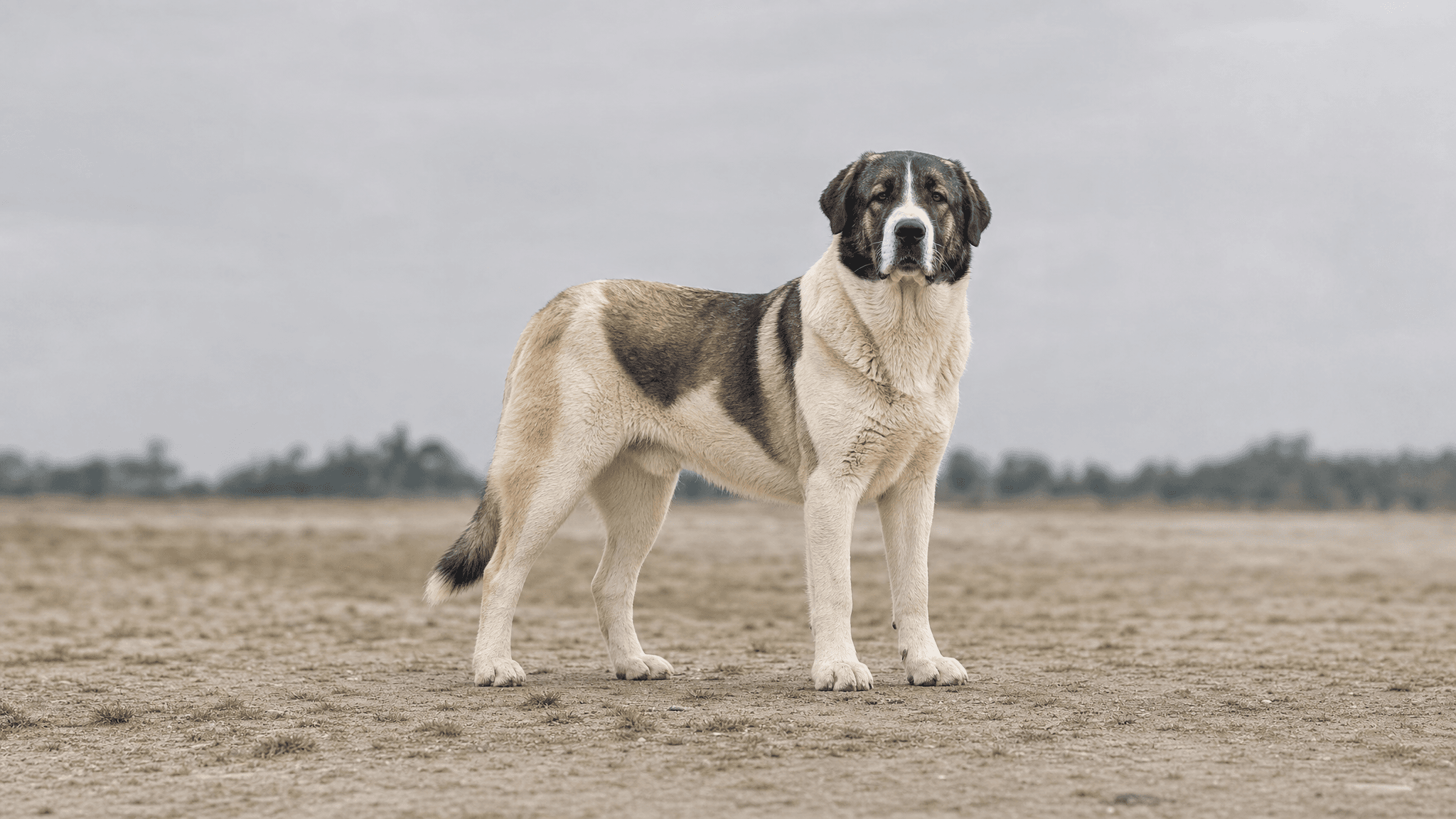
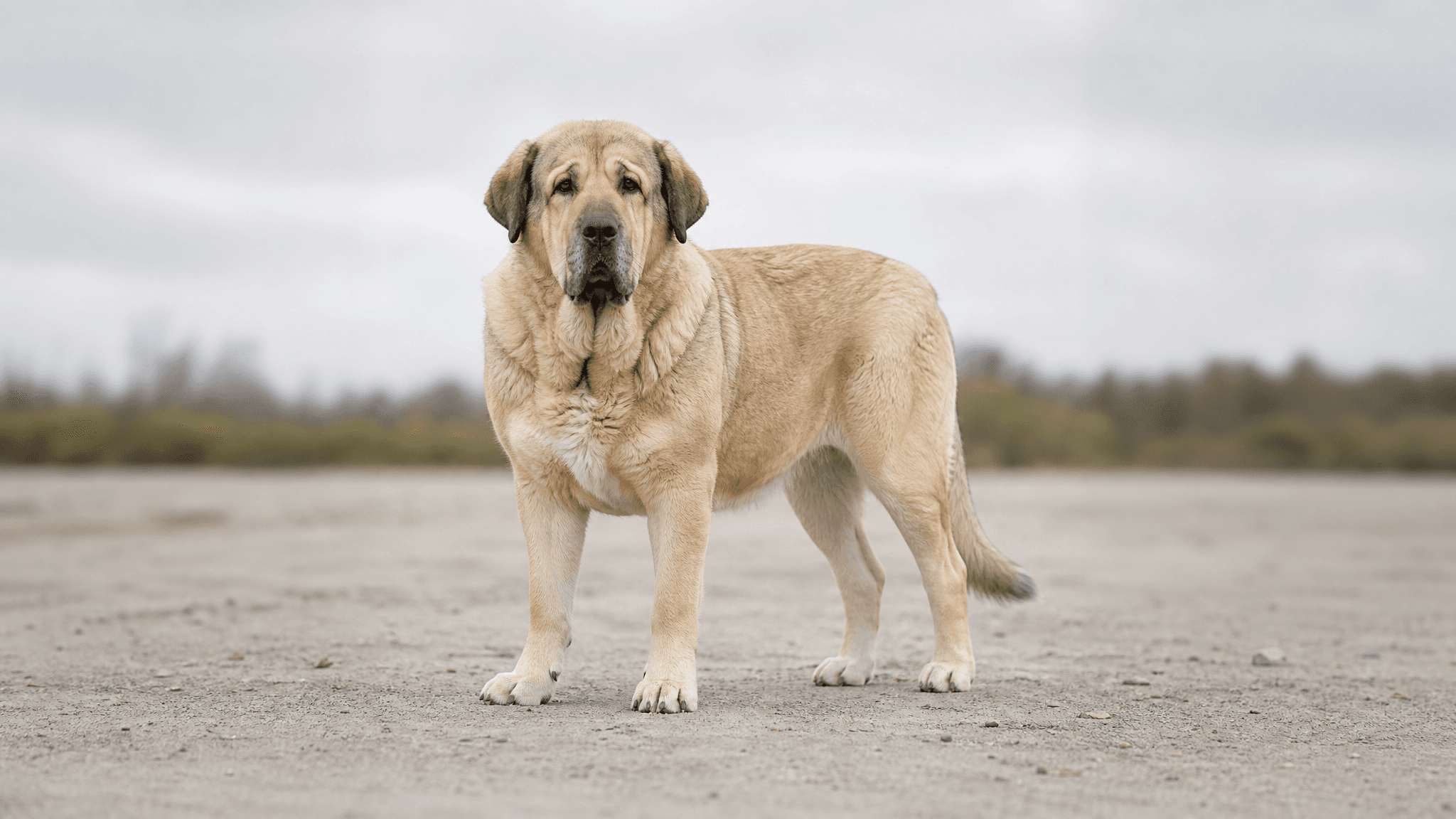
The Spanish Mastiff is one of the largest dogs in the world and one of the oldest flock guardians of the Iberian Peninsula, with historical references dating back to the Middle Ages. It accompanied the great transhumance drives across the Spanish Meseta, protecting sheep flocks from wolf attacks. Its enormous mass, loose skin, and balanced character make it an exceptional guardian.
Physical Characteristics
- Size
- Giant
- Height (male)
- 77 cm
- Height (female)
- 72 cm
- Weight (male)
- 90–130 kg
- Weight (female)
- 52–100 kg
- Life Expectancy
- 10–12 years
- Coat
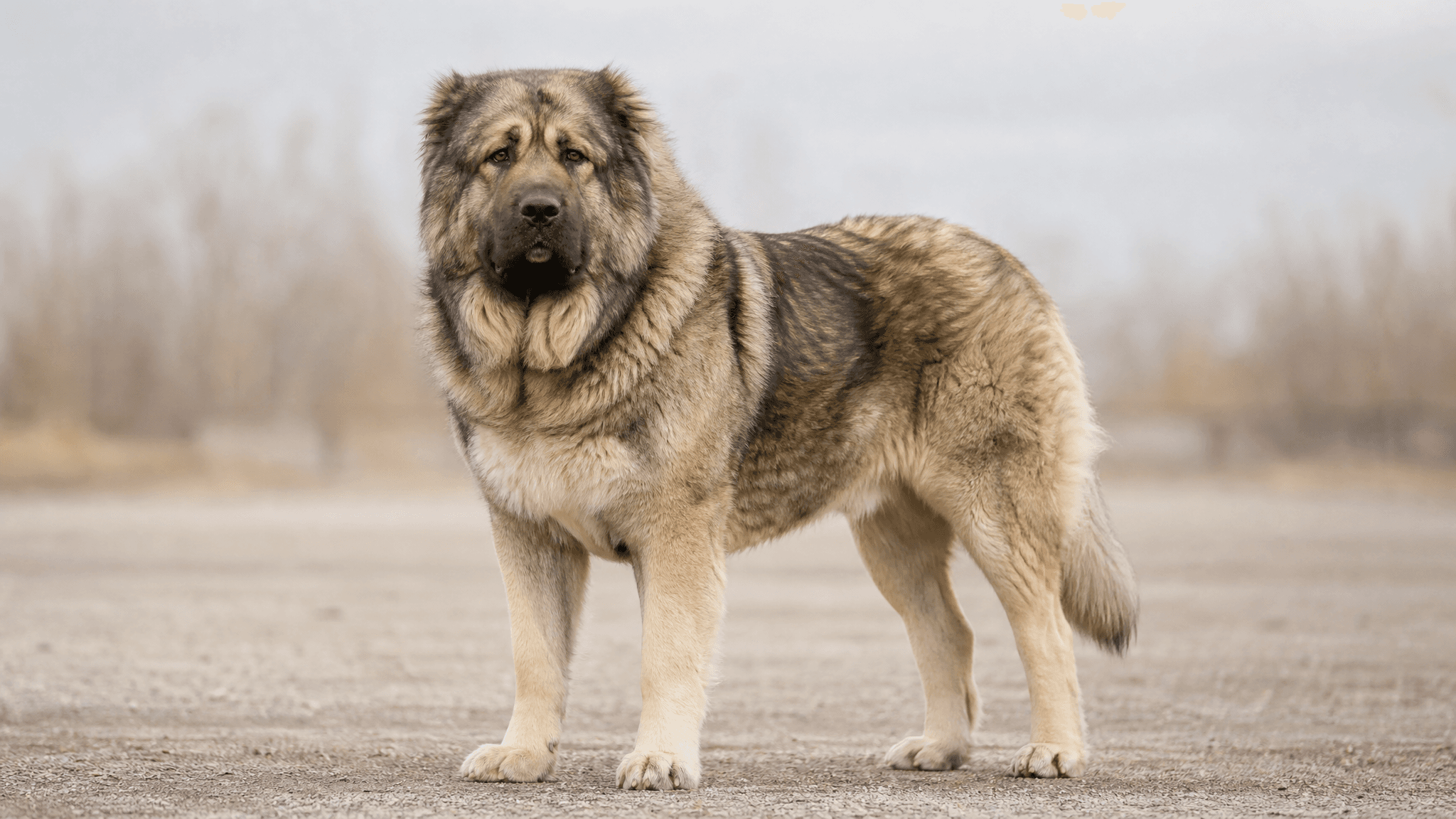
- Medium, dense, semi-long
- Common Colors
- Fawn, yellow, black, brown, red, brindle, black and white, brown and white
Temperament & Personality
The Spanish Mastiff is a calm and calculating guardian. It is not an agitated dog — it is serene, majestic, and very self-assured. With its family, it is affectionate and gentle, but with strangers it always maintains a cautious distance. It needs space and is not suited for urban life. With other flock dogs, it is generally peaceful; with strange dogs, it can be dominant.
Activity & Exercise
- Energy Level
- Moderate
- Recommended Daily Exercise
- 60–90 minutes
- Suitable for Apartment
- No
Grooming & Care
- Grooming Needs
- Moderate
- Shedding
- Heavy
- Bathing Frequency
- Every 6–8 weeks
Health
- Common Health Issues
- Gastric torsion
- Heart problems (murmurs)
- Hip and elbow dysplasia
- Recommended Health Tests
- Cardiac examination
- Hip and elbow X-rays
Compatibility
- With Children
- Good
- With Other Dogs
- Moderate
- With Cats
- Moderate
- For First-Time Owners
- Not recommended
Is a Spanish Mastiff right for you?
A Spanish Mastiff may suit you if:
- You are prepared to provide 60 to 90 minutes of moderate daily exercise, allowing them to patrol and observe.
- You enjoy a quiet, spacious rural or semi-rural lifestyle where your dog can fulfill its natural guardian instincts.
- You appreciate a serene, self-assured companion with a majestic presence and a naturally protective nature towards its family.
- You are committed to consistent, positive reinforcement training from an early age to guide a naturally independent giant.
- You are ready for moderate grooming, including regular brushing to manage its heavy shedding and dense, semi-long coat.
- You are willing to manage a dog with natural guarding instincts, including caution with strangers and potential dominance with unfamiliar dogs.
Think twice if:
- You expect immediate, eager obedience, as this breed's independent guardian nature means they often think for themselves.
- You frequently leave your dog alone for long periods, as these giants thrive on companionship and can develop issues if isolated.
- You are unwilling to carefully introduce and supervise interactions with other pets, especially unfamiliar dogs, due to their potential dominance.
- You are not prepared for 60-90 minutes of daily exercise or the regular brushing required to manage their heavy shedding coat.
- You live in an apartment or do not have a securely fenced, spacious property for a dog of its giant size and guardian needs.
- You are not ready to handle a powerful, giant-sized dog through its adolescent phase, which requires strength and consistent guidance.
Living with a Spanish Mastiff is a unique journey. They offer unwavering, serene companionship and protection, a truly majestic presence. However, their independent guardian spirit and immense size demand a committed owner who understands their specific needs for space, socialization, and consistent guidance. It's a rewarding relationship for those prepared to embrace their noble, self-assured nature fully.
Training a Spanish Mastiff
Your Spanish Mastiff is a majestic and self-assured learner, not one to be rushed or agitated. Their calm, calculating nature means they thrive on consistent, clear guidance and positive reinforcement, responding best to a handler they trust and respect. Short, frequent training sessions that end on a high note will be most effective. If training is inconsistent or uses harsh methods, this intelligent giant will quickly decide to make its own rules, which can lead to a very large, independent dog that is challenging to manage for even experienced owners.
Begin with:
- Attention to name around distractions
- Recall on a long line
- Loose-leash walking
- Leave it and drop it
- Calm greetings without jumping
- Settling on a mat or bed
- Cooperative handling for grooming, ears, feet and teeth
- Waiting at doors and gates
Guarding Instinct
Your Spanish Mastiff is a natural guardian, deeply rooted in its history of protecting flocks from wolves. This inherent trait means they are naturally cautious with strangers and can be dominant with unfamiliar dogs. To ensure your gentle giant is well-adjusted, early and consistent socialization is crucial. Introduce them to a variety of people, sounds, and controlled environments from a young age, always ensuring positive experiences.
Reward calm and polite interactions, and manage initial meetings with new people or dogs carefully to build confidence and trust. Focus on positive reinforcement when they encounter new situations, helping them understand that new experiences can be safe and rewarding.
Managing a Giant
With males weighing up to 130 kg and females up to 100 kg, a Spanish Mastiff pulling on the leash is not just inconvenient, it's a serious safety concern. Training for loose-leash walking must begin early and be consistently reinforced.
Use a comfortable, well-fitting harness rather tags rather than a flat collar to prevent neck strain and provide better control. Practice in low-distraction environments first, gradually increasing the challenge, always rewarding your dog for walking calmly by your side. For detailed guidance, check out this guide on stopping leash pulling.
Boredom and Independence
Despite their serene demeanor, Spanish Mastiffs are calculating and need mental and physical stimulation to prevent unwanted behaviors. If under-exercised or left alone for too long, they can become bored, leading to destructive chewing, excessive barking, or developing undesirable guarding habits.
Ensure your Mastiff receives their recommended 60-90 minutes of daily exercise, which can include walks, supervised play in a secure yard, or mental games. Provide puzzle toys and engage in regular, short training sessions to keep their intelligent minds active. Remember, a well-exercised and mentally stimulated Mastiff is a happy and well-behaved companion.
Spanish Mastiff — Frequently Asked Questions
What is the Mastín Español (Spanish Mastiff)?
The Mastín Español, or Spanish Mastiff, is a magnificent giant breed originating from Spain, belonging to the FCI Group 2 (Mountain type). These impressive dogs are renowned for being among the largest in the world, characterized by their enormous mass, distinctive loose skin, and a wonderfully balanced character. They exude a serene, majestic, and very self-assured presence, embodying the ancient spirit of the Iberian Peninsula. Their calm demeanor and imposing stature make them truly unique and captivating companions.
What was the Mastín Español (Spanish Mastiff) originally bred for?
The Spanish Mastiff boasts a rich history as one of the oldest flock guardians of the Iberian Peninsula, with its lineage traceable back to the Middle Ages. These noble dogs were originally bred for a vital purpose: to accompany the great transhumance drives across the Spanish Meseta. Their primary role was to valiantly protect sheep flocks from the formidable threat of wolf attacks. Their immense size, courage, and unwavering loyalty made them exceptional guardians, ensuring the safety of their charges through challenging journeys and harsh landscapes for centuries.
How much exercise does a Mastín Español (Spanish Mastiff) need?
Despite their giant size, the Spanish Mastiff has a moderate energy level and doesn't require an excessive amount of strenuous activity. To keep your gentle giant happy and healthy, they typically need about 60 to 90 minutes of exercise each day. This can include leisurely walks, supervised playtime in a securely fenced yard, or exploring new scents. While they enjoy their outdoor time, they are not high-strung dogs and are usually content with a steady, unhurried pace, making them wonderful companions for those who appreciate a more relaxed routine.
Is the Mastín Español (Spanish Mastiff) a good family dog?
Absolutely! The Spanish Mastiff can be a truly wonderful family dog, especially with the right environment and socialization. With their own family, they are known to be incredibly affectionate and gentle, forming deep bonds. They maintain a cautious distance with strangers, reflecting their guardian instincts. While generally peaceful with other flock dogs, they can be dominant with strange dogs, so careful introductions are key. They thrive in homes with ample space, as urban life isn't ideal for their needs, making them perfect for a more rural or spacious setting.
Is the Mastín Español (Spanish Mastiff) easy to train?
Training a Spanish Mastiff requires patience, consistency, and a deep understanding of their unique temperament. They are intelligent, calm, and calculating guardians, possessing a serene, majestic, and very self-assured nature. While not agitated, they are independent thinkers, bred to make their own decisions in protecting flocks. Positive reinforcement methods work best, building on their natural desire to please their family. Early socialization and consistent, gentle guidance are crucial to harness their potential and ensure they grow into well-behaved, confident companions.
What health issues are common in the Mastín Español (Spanish Mastiff)?
Like many giant breeds, the Spanish Mastiff can be prone to certain health concerns that potential owners should be aware of. Some of the documented health issues common in the breed include gastric torsion, a serious condition requiring immediate veterinary attention. They can also experience heart problems, such as murmurs, which should be regularly monitored. Additionally, hip and elbow dysplasia are concerns due to their large size and rapid growth, making regular veterinary check-ups and a balanced diet essential for their long-term well-being.
What is the Mastín Español (Spanish Mastiff)'s coat like and how much grooming does it need?
The Spanish Mastiff typically sports a relatively short to medium-length coat that is dense and lies close to their body, complementing their impressive mass and loose skin. While they are not high-maintenance in terms of grooming, regular care is still important to keep them looking their best. Weekly brushing will help remove loose hair, minimize shedding, and keep their coat healthy and shiny. Occasional baths, as needed, will help maintain their cleanliness, especially given their outdoor activities, ensuring they remain comfortable and well-groomed.
What is the typical lifespan of a Mastín Español (Spanish Mastiff)?
The Spanish Mastiff, with proper care, nutrition, and regular veterinary attention, typically enjoys a lifespan of 10 to 12 years. As a giant breed, their longevity is quite respectable, offering many years of loyal companionship and gentle guardianship to their families. Providing a high-quality diet, appropriate exercise within their moderate energy levels, and proactive health monitoring for common breed-specific concerns can significantly contribute to ensuring your beloved Mastiff lives a full, healthy, and happy life by your side.
Community
Talk to real Spanish Mastiff owners
This guide covers the breed on paper. In the app, the Spanish Mastiff community covers it in real life: photos from other owners, questions answered by people who live with the breed, and a directory of dogs you can browse.
- Photos & pollsSee what Spanish Mastiff owners are sharing today.
- Questions & answersAsk anything and hear from people who own one.
- Dog directoryBrowse Spanish Mastiffs from around the world.
You join automatically when you add a Spanish Mastiff to your profile.