Buldogue Campeiro
Summary
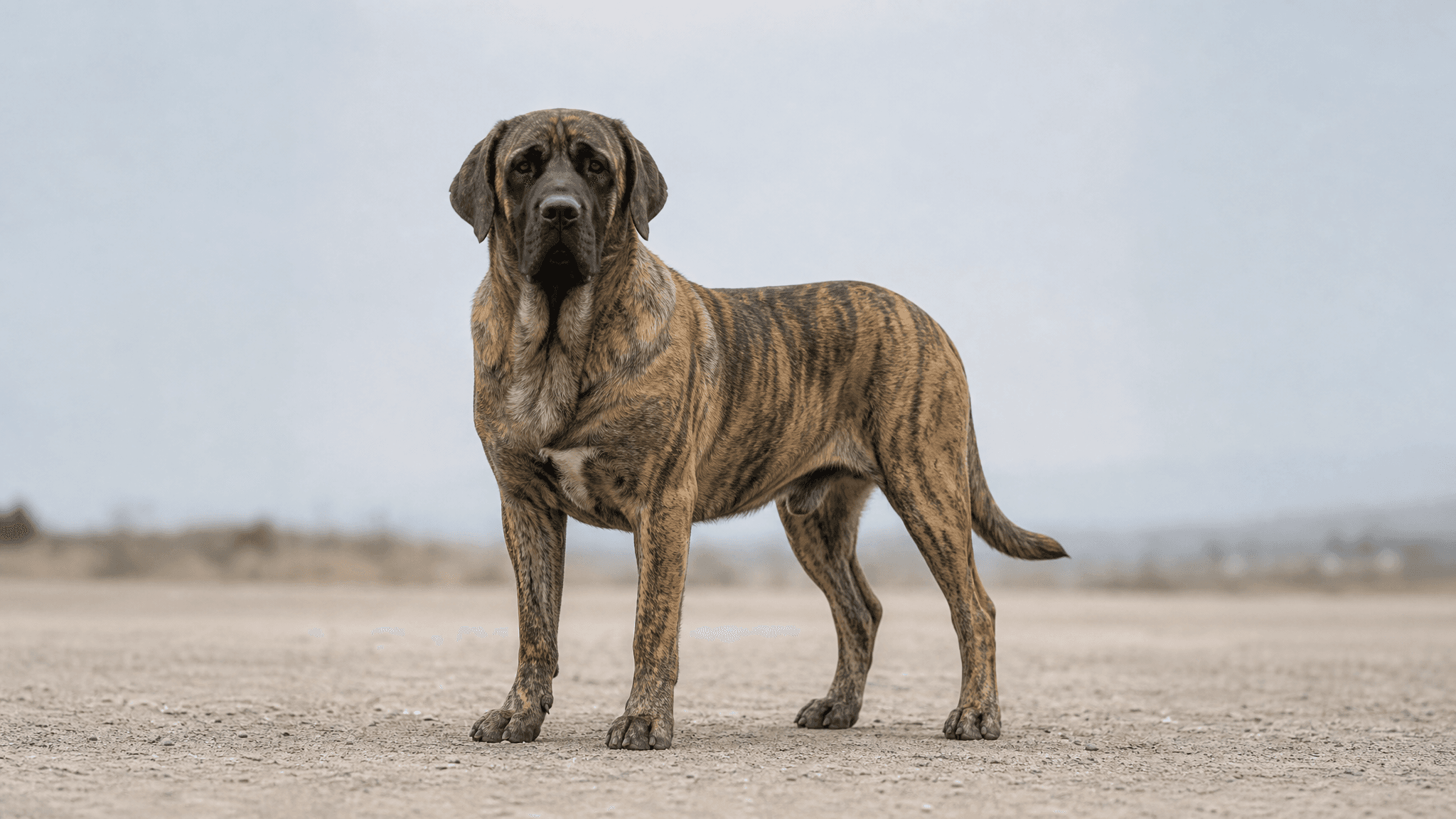
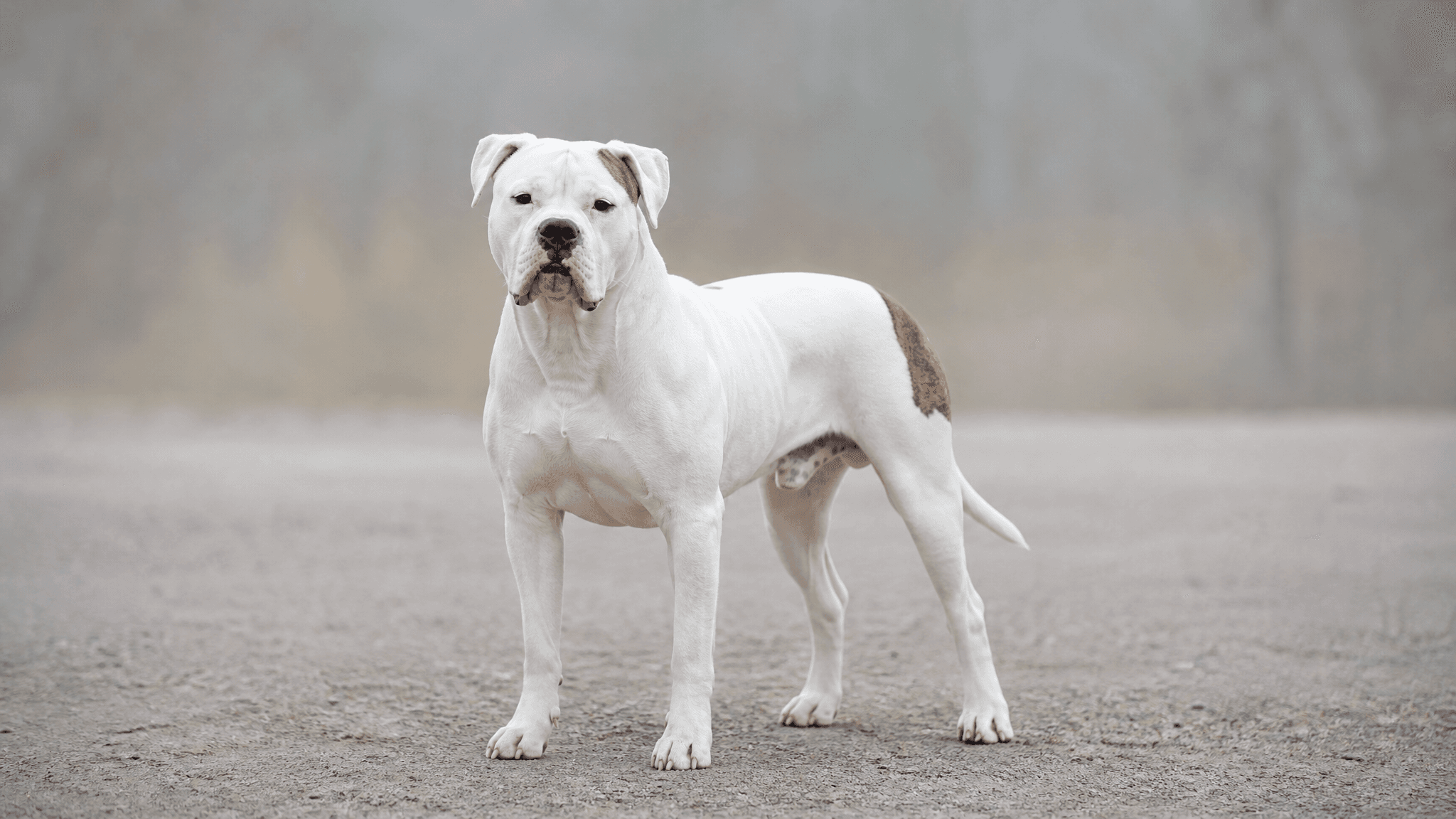
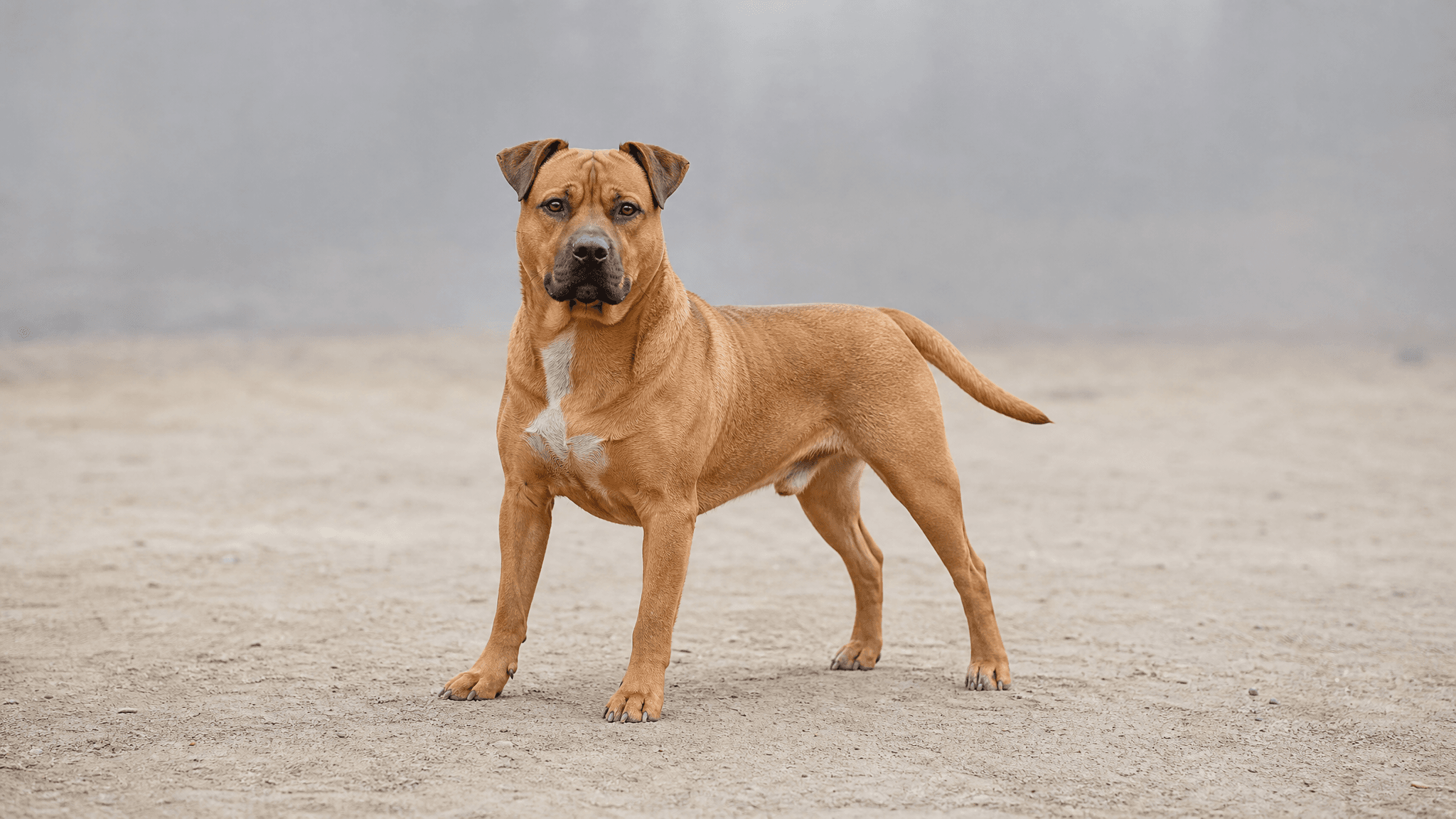
The Campeiro Bulldog is a rustic and functional Bulldog from southern Brazil, descended from the bulldogs brought by European colonisers and adapted to rural work on the plains of Paraná and Santa Catarina. It was used to restrain and brand wild cattle — a function similar to that of the Cão de Fila de São Miguel in the Azores. It is a recently FCI-recognised breed, more athletic and functional than the modern English Bulldog.
Physical Characteristics
- Size
- Medium
- Height (male)
- 50–56 cm
- Height (female)
- 48–54 cm
- Weight (male)
- 36–42 kg
- Weight (female)
- 31–37 kg
- Life Expectancy
- 10–12 years
- Coat
- Short, smooth, dense
- Common Colors
- Fawn, brindle, brown, with or without white markings; any colour except merle
Temperament & Personality
The Campeiro Bulldog is courageous, tenacious, and with strong guarding instincts. With its family, it is loyal and affectionate, but can be aggressive with other dogs — especially of the same sex. It needs early socialisation. It is more active and athletic than the English Bulldog, having retained the functional capacity that rural work demanded.
Activity & Exercise
- Energy Level
- Moderate to high
- Recommended Daily Exercise
- 60–90 minutes
- Suitable for Apartment
- Not recommended
Grooming & Care
- Grooming Needs
- Low
- Shedding
- Moderate
- Bathing Frequency
- Every 6–8 weeks
Health
- Common Health Issues
- Hip dysplasia
- Respiratory problems (mild brachycephalic obstructive syndrome)
- Recommended Health Tests
- Hip radiography
- Respiratory evaluation
Compatibility
- With Children
- Moderate
- With Other Dogs
- Can be difficult
- With Cats
- Moderate
- For First-Time Owners
- Not recommended
Is a Buldogue Campeiro right for you?
A Buldogue Campeiro may suit you if:
- You are ready to provide at least an hour of daily exercise and engaging activities for a robust companion.
- You enjoy an active, hands-on lifestyle, perhaps with opportunities for structured work or engaging outdoor adventures.
- You appreciate a loyal, courageous, and affectionate family guardian with a strong, protective spirit.
- You are committed to consistent, early socialization and firm, positive training to shape a well-mannered adult.
- You prefer a low-maintenance grooming routine, only requiring occasional bathing and brushing for their short coat.
- You are prepared to manage and guide a dog with natural guarding tendencies and a strong prey drive.
Think twice if:
- You expect unwavering obedience and a dog that is easily swayed, as they possess an independent, tenacious spirit.
- You have a busy schedule that requires leaving your dog alone for long periods, as they thrive on family companionship.
- You have other dogs, especially of the same sex, or very young children, without a clear plan for careful integration.
- You are unable to commit to at least an hour of vigorous daily activity to keep a high-energy dog content.
- You live in an apartment or lack a securely fenced yard, as this breed needs ample space to thrive.
- You are not prepared for the strength and robust handling required to manage a powerful, medium-sized dog through adolescence.
The Buldogue Campeiro is a truly special companion, offering unwavering loyalty and a protective spirit to the right family. While their rustic charm and affectionate nature are endearing, they are not a dog for the faint of heart. Their strong will and inherent guarding instincts require consistent, experienced guidance and early socialization. Embrace their unique blend of athleticism and tenacity, and you'll gain a devoted, courageous friend for life.
Training a Buldogue Campeiro
Training a Buldogue Campeiro is a rewarding journey that thrives on consistency, positive reinforcement, and a clear, confident leader. These courageous and tenacious dogs are deeply loyal to their families and respond best to engaging, short training sessions filled with praise and high-value treats. Their intelligence means they learn quickly, but their strong will requires a handler who is patient and firm without being harsh. Inconsistency or overly strict methods can lead to frustration and a breakdown in trust, making training much more difficult for both you and your Campeiro.
Begin with:
- Attention and response to name around distractions
- Recall on a long line
- Loose-leash walking
- Leave it and drop it
- Calm greetings without jumping
- Settling on a mat or bed
- Cooperative handling for grooming, ears, feet and teeth
- Waiting at doors and gates
Guarding Instincts and Focus
The Buldogue Campeiro possesses strong guarding instincts and a history of working with cattle, which translates into a high prey drive and a tendency to be wary of strangers or other dogs. This can make training challenging, as their focus can easily shift to perceived threats or moving objects. Early and consistent socialization from puppyhood is crucial to help them develop appropriate responses to new environments, people, and other animals. Always supervise interactions and use positive reinforcement to reward calm, attentive behavior.
When encountering distractions, redirect your Campeiro's attention back to you with a cheerful voice and a high-value treat. Practice 'look at me' exercises in various environments. If you notice signs of reactivity towards other dogs, our guide on training a reactive dog can offer valuable strategies. Remember, patience and consistency are key to managing these powerful instincts.
Leash Pulling and Strength
Given their sturdy build and athletic nature, a Buldogue Campeiro can exert considerable strength on the leash, making walks challenging if not properly trained. Their moderate to high energy level means they need their recommended 60-90 minutes of daily exercise, and you want these walks to be enjoyable for both of you. Start loose-leash training early, rewarding every step your Campeiro takes without pulling. Use a front-clip harness or head halter for better control, rather than a collar that puts pressure on their throat.
Consistency is vital. If your Campeiro pulls, stop walking immediately until the leash slackens, then resume. This teaches them that pulling gets them nowhere. For more detailed guidance, check out our tips to stop leash pulling. Regular, engaging walks are essential, but the quality of the walk matters as much as the quantity.
Boredom and Destructive Behavior
A Buldogue Campeiro with its moderate to high energy needs ample physical exercise and mental stimulation. Without their daily 60-90 minutes of activity and engaging tasks, they can quickly become bored, leading to undesirable behaviors like excessive barking, chewing on inappropriate items, or digging. Their intelligence and tenacity mean they need a 'job' or regular mental challenges to stay content and well-behaved. This breed is not suited for apartment living precisely because of these needs.
To prevent boredom, incorporate training sessions, puzzle toys, and interactive games into their routine. Consider activities that tap into their natural instincts, like scent work or controlled 'find it' games. A consistent routine and plenty of appropriate outlets for their energy will help keep your Campeiro happy and prevent destructive tendencies. Our training feature can help you build a consistent and enriching routine.
Buldogue Campeiro — Frequently Asked Questions
What is the Buldogue Campeiro?
The Buldogue Campeiro is a truly special breed hailing from the sunny plains of southern Brazil. This medium-sized, rustic, and functional bulldog belongs to the FCI Group 2, often referred to as the Mastiff type. Descended from bulldogs brought by European colonisers, the Campeiro has adapted beautifully to its environment. Unlike some of its more sedentary bulldog relatives, the Campeiro is known for being more active and athletic, a testament to its working heritage. It's a robust companion with a strong build and a loyal heart, embodying the spirit of its Brazilian homeland.
What was the Buldogue Campeiro originally bred for?
The Buldogue Campeiro has a fascinating history rooted in the rural landscapes of Paraná and Santa Catarina in southern Brazil. This breed was originally developed for demanding work on cattle farms, specifically to restrain and brand wild cattle. Their tenacity and strength were invaluable for this challenging task, much like the Cão de Fila de São Miguel in the Azores. This functional purpose shaped them into the athletic and capable dogs we know today, distinguishing them from the modern English Bulldog by retaining their incredible working capacity and rustic charm.
How much exercise does a Buldogue Campeiro need?
Despite their sturdy build, Buldogue Campeiros have a moderate to high energy level and truly enjoy being active! To keep your Campeiro happy and healthy, they typically need about 60 to 90 minutes of exercise each day. This can include brisk walks, playtime in a secure yard, or even some engaging training sessions. Their athletic nature, inherited from their working past, means they thrive on regular activity. Ensuring they get enough physical and mental stimulation will help them be well-behaved and content companions in your home.
Is the Buldogue Campeiro a good family dog?
Absolutely! With their family, Buldogue Campeiros are incredibly loyal and affectionate companions, forming strong bonds with their human pack. They possess strong guarding instincts, making them excellent protectors of their home. However, it's important to remember they can be aggressive with other dogs, especially those of the same sex, so early and consistent socialisation is absolutely crucial. With proper introductions and ongoing guidance, they can integrate well into a family, but always supervise interactions with children and other pets to ensure everyone's safety and happiness.
Is the Buldogue Campeiro easy to train?
The Buldogue Campeiro is an intelligent and courageous breed, but their tenacious spirit and strong guarding instincts mean that consistent, early training and socialisation are key. While they are loyal and affectionate with their family, their independent nature requires a confident and patient leader. They respond best to positive reinforcement methods and clear boundaries. Starting training from a young age helps channel their natural drive and ensures they grow into well-adjusted, obedient adults. With dedication, you'll find them to be very capable and rewarding students!
What health issues are common in the Buldogue Campeiro?
Like all breeds, the Buldogue Campeiro can be prone to certain health conditions, and being aware of them helps ensure your furry friend lives their best life. Documented health concerns for this robust breed include hip dysplasia, a condition affecting the hip joints, and respiratory problems, often manifesting as a mild brachycephalic obstructive syndrome due to their head structure. Regular veterinary check-ups, a healthy diet, and appropriate exercise are vital for monitoring and managing these potential issues, helping your Campeiro stay strong and vibrant for years to come.
What is the Buldogue Campeiro's coat like and how much grooming does it need?
The Buldogue Campeiro typically boasts a short, smooth coat that is wonderfully low-maintenance, perfectly suiting their rustic and functional heritage. This makes them an excellent choice for owners who prefer a dog with straightforward grooming needs. A quick brush once a week is usually sufficient to remove loose hairs and keep their coat looking shiny and healthy. Occasional baths will keep them clean, but their practical coat doesn't demand extensive pampering, allowing you more time for adventures and cuddles with your beloved companion!
What is the typical lifespan of a Buldogue Campeiro?
It's wonderful to think about the many happy years you'll share with your Buldogue Campeiro! These sturdy and loyal companions typically enjoy a lifespan of 10 to 12 years. Providing them with a loving home, a balanced diet, regular exercise, and consistent veterinary care will help ensure they live a full and healthy life. Cherish every moment with your Campeiro, as they bring so much joy and companionship to their families throughout their years.
Community
Talk to real Buldogue Campeiro owners
This guide covers the breed on paper. In the app, the Buldogue Campeiro community covers it in real life: photos from other owners, questions answered by people who live with the breed, and a directory of dogs you can browse.
- Photos & pollsSee what Buldogue Campeiro owners are sharing today.
- Questions & answersAsk anything and hear from people who own one.
- Dog directoryBrowse Buldogue Campeiros from around the world.
You join automatically when you add a Buldogue Campeiro to your profile.