American Bulldog
Summary
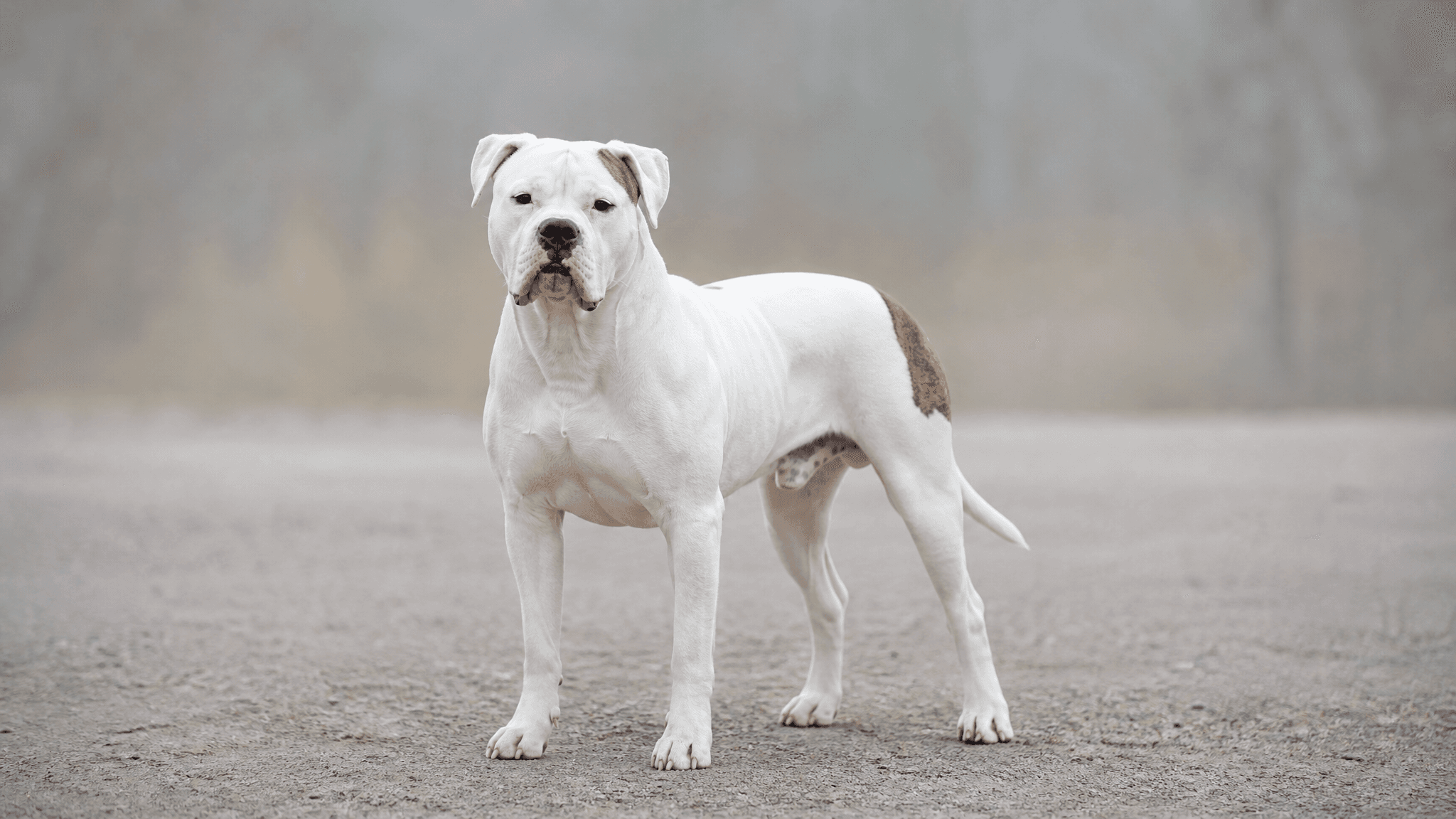
The American Bulldog is a muscular American working bulldog preserved as a farm, catch, and guardian dog. It is not FCI-recognized but is recognized by other kennel organizations.
Physical Characteristics
- Size
- Large
- Height (male)
- 56–68.5 cm
- Height (female)
- 51–63.5 cm
- Weight (male)
- 34–45.5 kg
- Weight (female)
- 27–36.5 kg
- Life Expectancy
- 10–12 years
- Coat
- Short, close, stiff to the touch, and glossy
- Common Colors
- White, white with patches, brindle, fawn, brown, red, or black markings; merle is not accepted in major standards
Temperament & Personality
The American Bulldog is confident, loyal, athletic, playful, and protective. It can be affectionate with family but requires early training, socialization, and physical outlets.
Activity & Exercise
- Energy Level
- High
- Recommended Daily Exercise
- 60–90 minutes
- Suitable for Apartment
- Possible with intense exercise
Grooming & Care
- Grooming Needs
- Low
- Shedding
- Moderate
- Bathing Frequency
- Every 6–8 weeks
Health
- Common Health Issues
- Brachycephalic airway issues in some lines
- Cherry eye
- Elbow dysplasia
- Hip dysplasia
- Skin allergies
- Recommended Health Tests
- Cardiac examination
- Elbow evaluation
- Eye examination
- Hip evaluation
Compatibility
- With Children
- Good
- With Other Dogs
- Moderate
- With Cats
- Moderate
- For First-Time Owners
- Not recommended
Is an American Bulldog right for you?
An American Bulldog may suit you if:
- You are prepared to provide 60 to 90 minutes of vigorous exercise daily to satisfy their high energy.
- You enjoy an active lifestyle that includes engaging your dog in sports, training, or outdoor adventures.
- You appreciate a confident, loyal, and protective companion who forms strong bonds with their family.
- You are committed to consistent early training and extensive socialization to shape their strong will.
- You are comfortable with minimal grooming, as their short, stiff coat requires only occasional bathing.
- You are willing to manage their natural protective instincts with proper guidance and positive reinforcement.
Think twice if:
- You expect a dog with inherent biddability, as their confident nature requires patient, consistent leadership.
- You have a routine that leaves a dog alone for long periods, as they thrive on companionship and activity.
- You are unwilling to diligently socialize your dog with other pets, as their interactions can be moderate.
- You are unable to commit to daily vigorous exercise, as their high energy level demands consistent physical outlets.
- You live in a small apartment without easy access to safe, expansive areas for their intense daily exercise.
- You are not prepared for a large, strong dog that requires firm, consistent handling, especially during adolescence.
An American Bulldog offers unwavering loyalty and a playful spirit, but their confident and protective nature demands a dedicated owner. They are not a breed for the faint of heart or first-time owners, requiring consistent training, early socialization, and significant daily exercise. While challenging, the right family will find an incredibly devoted and athletic companion for 10-12 years.
Training an American Bulldog
American Bulldogs are intelligent, confident, and eager to please their family, making them responsive to positive reinforcement. They thrive on engaging, short training sessions that incorporate play and mental stimulation, as their high energy and athletic nature mean they learn best when physically and mentally challenged. Inconsistency or a lack of sufficient physical and mental outlets can lead to frustration and undesirable behaviors, so a firm yet gentle approach with clear boundaries is key to harnessing their loyalty and drive.
Begin with:
- attention and response to name around distractions
- recall on a long line
- loose-leash walking
- leave it and drop it
- calm greetings without jumping
- settling on a mat or bed
- cooperative handling for grooming, ears, feet and teeth
- waiting at doors and gates
Prey Drive and Guarding
American Bulldogs were bred as "catch and guardian dogs," meaning they possess strong prey drive and protective instincts. This can make recall challenging, especially if they spot a squirrel or another small animal. Start recall training in a low-distraction environment and gradually increase the challenge, always using high-value rewards. For their protective nature, early and extensive socialization is crucial to ensure they distinguish between real threats and everyday situations.
Channel their natural guarding instincts positively by teaching them to "guard" a specific spot or item on command, rather to allow them to decide what needs protecting. This helps build impulse control and reinforces your role as the leader.
Pulling on Leash
An American Bulldog is a large, muscular dog, weighing up to 45.5 kg, with high energy. This combination means they can easily pull an unprepared owner off their feet. Consistent loose-leash walking training from day one is essential. Use a front-clip harness or head halter for better control, and practice frequently in varied environments.
Remember, your American Bulldog needs 60-90 minutes of exercise daily, so ensure walks are not just for training but also for fulfilling their physical needs. A tired dog is often a better-behaved dog on the leash.
Under-Stimulated Behavior
With their high energy and intelligence, American Bulldogs require significant mental and physical stimulation. If under-exercised or left alone for extended periods without enrichment, they can become bored and resort to destructive behaviors like chewing furniture or excessive barking. Provide plenty of appropriate chew toys, puzzle feeders, and regular interactive play sessions.
Consider enrolling in advanced training classes or dog sports like obedience or agility to keep their minds engaged. A consistent routine that includes their recommended daily exercise and mental challenges will help prevent these issues and ensure a happy, well-adjusted companion.
American Bulldog — Frequently Asked Questions
Is the American Bulldog a good family pet?
American Bulldogs can be loyal and loving family dogs in the right household. They form deep bonds with their people and are typically gentle with children they're raised alongside. However, they are a powerful, confident breed that requires an experienced owner who can provide consistent leadership and early socialisation. Without proper training and structure, their stubbornness and strength can become difficult to manage.
Are American Bulldogs aggressive?
American Bulldogs are not inherently aggressive, but they are confident, dominant, and strong — which can be a problem without proper guidance. They have strong prey drive and can be reactive toward other dogs, particularly of the same sex. Early and ongoing socialisation is critical. A well-trained, well-socialised American Bulldog is typically calm and self-assured, not aggressive. Poor breeding, lack of training, or neglect are far more common causes of behavioural issues.
How much exercise does an American Bulldog need?
American Bulldogs need 60–90 minutes of vigorous exercise daily. They are athletic, muscular dogs with high stamina that thrive with activities like running, fetch, and agility. Without sufficient exercise, they become bored, restless, and destructive. However, because of their brachycephalic tendencies (shorter muzzle than other bulldogs, but still present), monitor them carefully in hot weather and avoid over-exertion on humid days. A securely fenced yard is ideal.
Are American Bulldogs easy to train?
American Bulldogs are intelligent but notoriously stubborn. They are capable of learning complex commands but will test boundaries regularly, especially in adolescence. Firm, consistent positive reinforcement from an early age is essential. They need a confident handler who establishes clear rules without resorting to harsh punishment — which typically backfires. Early obedience classes are strongly recommended to establish good habits and proper responses to the owner's cues.
Do American Bulldogs drool a lot?
American Bulldogs do drool, though generally less than their English Bulldog or Mastiff cousins. The amount varies by individual — some drool very little, while others (particularly those with looser jowls) can be quite slobbery around food, water, or exercise. Keeping a small towel handy is wise. Excessive or sudden drooling can indicate dental problems, nausea, or heat stress and warrants a vet visit.
What health issues are American Bulldogs prone to?
American Bulldogs are prone to several conditions. Hip and elbow dysplasia are common given their muscular build, so OFA certification of parents is important. They can develop cherry eye (prolapsed third eyelid gland), entropion (inward-rolling eyelids), and skin fold dermatitis. Some lines have mild brachycephalic traits leading to breathing difficulties in heat. Neuronal ceroid lipofuscinosis (NCL) is a genetic neurological disease that affects some lines — DNA testing identifies carriers.
How long do American Bulldogs live?
American Bulldogs typically live 10–12 years. Their lifespan is influenced by genetics, diet, exercise, and preventive healthcare. Maintaining a healthy weight is particularly important — obesity puts strain on their joints and heart. Regular vet check-ups, dental care, and appropriate vaccinations all contribute to a longer, healthier life. Dogs from health-tested lines with responsible breeding practices tend to live toward the upper end of this range.
Are American Bulldogs good with other dogs?
American Bulldogs can coexist peacefully with other dogs, but they often have a dominant streak and can be selective or same-sex aggressive without early socialisation. Introducing them carefully to other dogs from puppyhood helps enormously. They tend to do best as the only dog or with a well-matched companion of a different sex. Dog parks can be risky without solid recall and impulse control training. Always supervise interactions with unfamiliar dogs.
Community
Talk to real American Bulldog owners
This guide covers the breed on paper. In the app, the American Bulldog community covers it in real life: photos from other owners, questions answered by people who live with the breed, and a directory of dogs you can browse.
- Photos & pollsSee what American Bulldog owners are sharing today.
- Questions & answersAsk anything and hear from people who own one.
- Dog directoryBrowse American Bulldogs from around the world.
You join automatically when you add a American Bulldog to your profile.