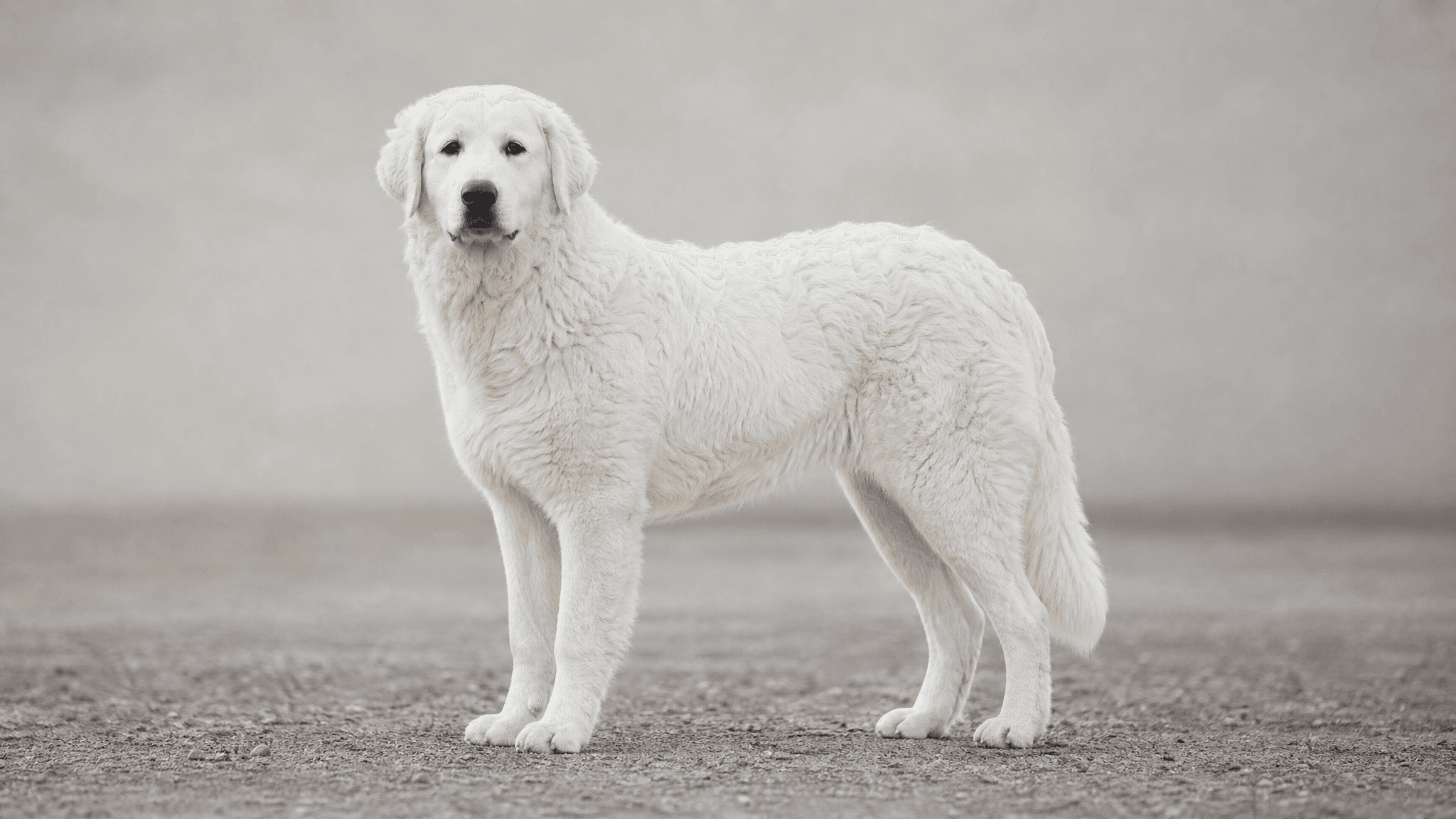
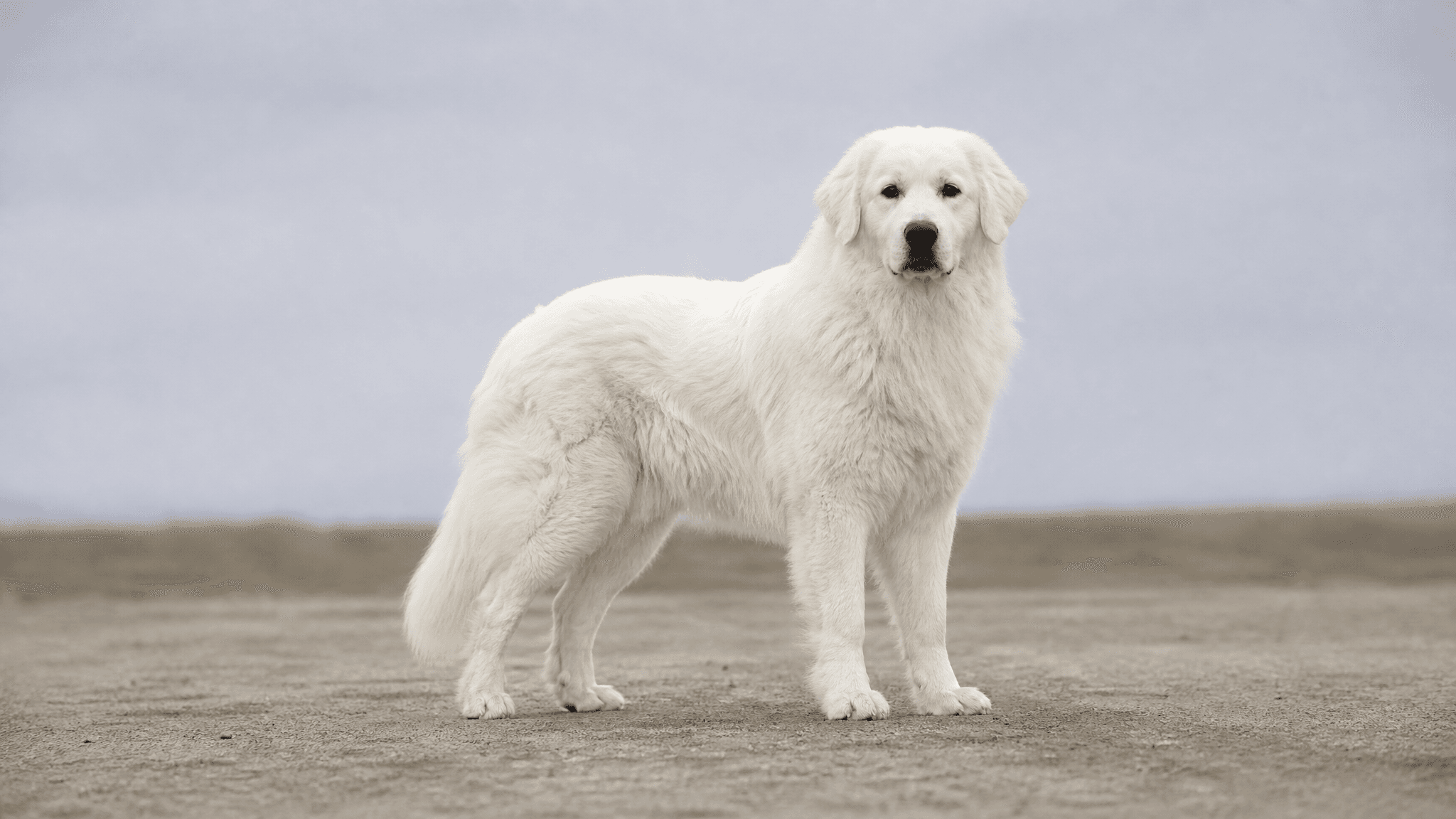
Komondor
Summary
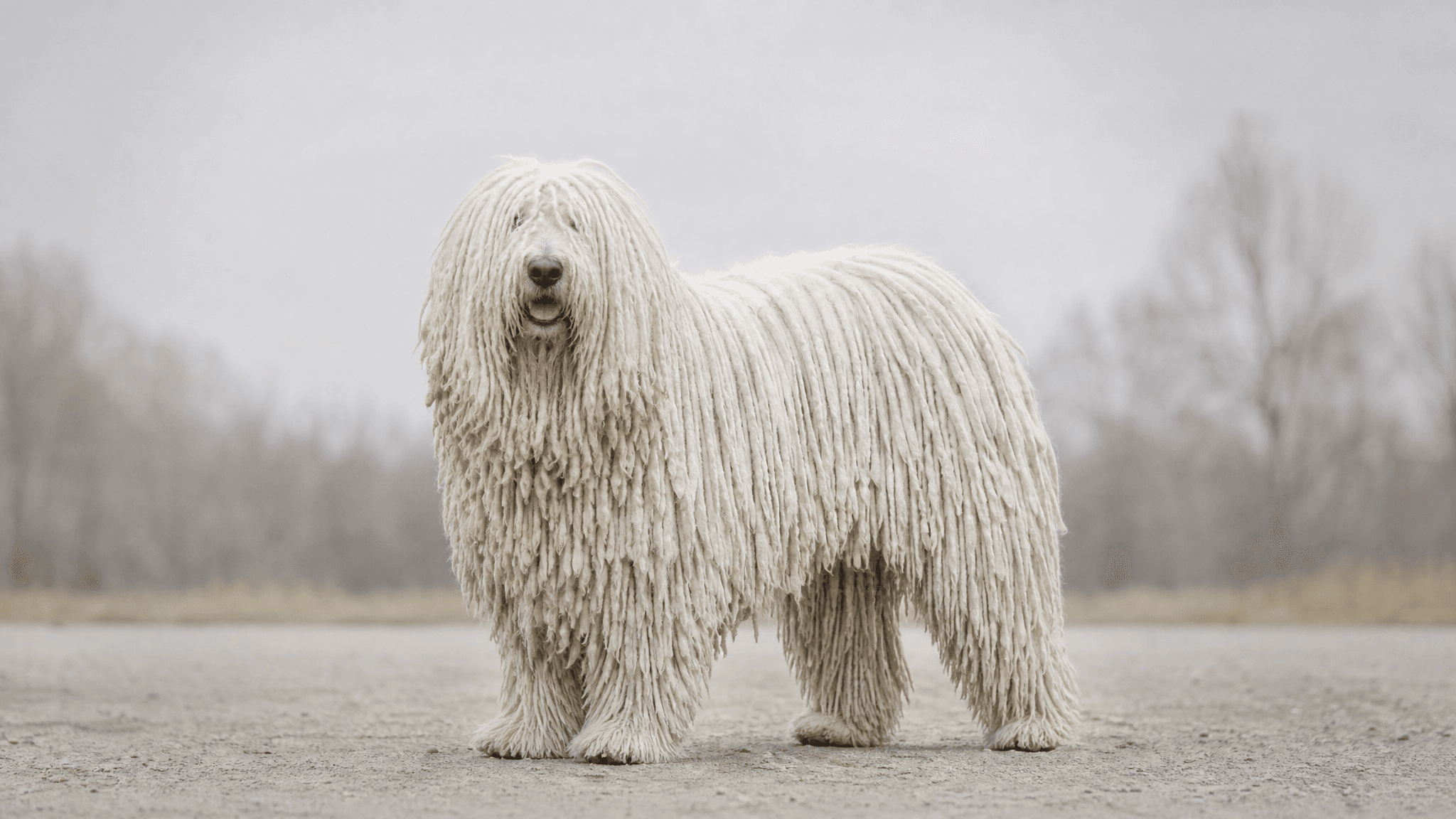
The Komondor is one of the most impressive and easily recognizable dogs in the world, thanks to its heavy white coat formed by natural cords that can reach over 20 cm in length. Native to Hungary, where it is one of the national breeds, it was developed over centuries to guard flocks of sheep from wolves and bears on the Hungarian plains. Its white coat allowed it to blend in with the sheep, making it invisible to predators.
Physical Characteristics
- Size
- Large to giant
- Height (male)
- 80 cm
- Height (female)
- 70 cm
- Weight (male)
- 50–61 kg
- Weight (female)
- 36–50 kg
- Life Expectancy
- 10–12 years
- Coat
- Very long, thick, forming natural cords (like dreadlocks); woolly undercoat
- Common Colors
- White exclusively
Temperament & Personality
The Komondor is a natural guardian, serious and determined, with an independence of character that reflects centuries of autonomous work. It is deeply loyal to its family and flock, but distrustful of strangers and other dogs — it can be aggressive if it feels its territory is threatened. It is not a breed for first-time owners; it requires intensive socialization and an experienced owner who establishes leadership from the start.
Activity & Exercise
- Energy Level
- Moderate
- Recommended Daily Exercise
- 60–90 minutes
- Suitable for Apartment
- Not recommended
Grooming & Care
- Grooming Needs
- Very high
- Shedding
- Minimal
- Bathing Frequency
- Every 12 weeks
Health
- Common Health Issues
- Ear infections
- Gastric torsion
- Hip and elbow dysplasia
- Recommended Health Tests
- OFA certification for hip and elbow dysplasia
Compatibility
- With Children
- Good
- With Other Dogs
- Can be difficult
- With Cats
- Moderate
- For First-Time Owners
- Not recommended
Is a Komondor right for you?
A Komondor may suit you if:
- You are prepared to provide 60 to 90 minutes of daily exercise to keep their moderate energy level satisfied.
- You enjoy engaging with a dog whose natural guarding instincts make them a vigilant and protective companion.
- You appreciate a serious, independent, and deeply loyal companion who forms strong bonds with their family.
- You are an experienced dog owner ready for the commitment of intensive socialization and consistent training.
- You are dedicated to the very high grooming needs of their unique corded coat, including regular bathing every 12 weeks.
- You understand and are prepared to manage a dog with a strong territorial instinct and natural wariness of strangers.
Think twice if:
- You expect instant obedience or a highly biddable nature, as their independent character means they think for themselves.
- You have a routine that requires leaving your dog alone for long periods, as Komondors thrive on family presence.
- You have other dogs in the household, as Komondors can be difficult with canine companions and may require careful introductions.
- You are unwilling to commit to the very high grooming demands of their distinctive corded coat or their daily exercise needs.
- You live in an apartment or do not have a securely fenced large outdoor space for this large to giant breed.
- You are not prepared for the consistent, firm, and experienced handling required to guide a strong-willed adolescent Komondor.
Bringing a Komondor into your life means embracing a truly unique and ancient guardian. While their majestic presence and unwavering loyalty are incredibly rewarding, their independent spirit and intensive care needs demand an experienced, dedicated owner. They aren't just pets; they are partners who thrive with understanding and consistent guidance, offering a profound bond to those prepared for the journey.
Training a Komondor
Komondors are intelligent, but their independent guardian nature means they learn best through positive reinforcement and clear, consistent leadership. Harsh corrections or inconsistent training will quickly erode their trust and lead to a stubborn, uncooperative dog, potentially exacerbating their natural wariness of strangers and other dogs. Keep training sessions short, fun, and rewarding, focusing on building a strong bond. They thrive on praise and tasty treats, which reinforce good choices and make learning a joyful experience for both of you. Remember, an experienced owner is recommended for this serious and determined breed.
Begin with:
- Responding to name around distractions
- Recall on a long line
- Loose-leash walking politely
- Leave it and drop it cues
- Calm greetings without jumping
- Settling on a mat or bed
- Cooperative handling for grooming
- Waiting at doors and gates
Guardian Instincts
Your Komondor's deep-seated guardian instinct, honed over centuries to protect flocks, means they are naturally distrustful of strangers and other dogs. This can manifest as reactivity or territorial aggression if not managed carefully. Intensive, positive socialization from a young age is paramount, exposing them to a wide variety of sights, sounds, people, and well-behaved dogs in a controlled, safe manner. Always advocate for your Komondor, ensuring they feel secure and never forced into uncomfortable interactions.
When encountering new people or dogs, keep a respectful distance and reward calm behavior. Teach a 'look at me' cue to redirect their attention before they become overly focused on a potential 'threat'. Remember, their job was to deter, not necessarily to befriend, so patience and understanding are key to helping them navigate a modern world. For more help, check out our guide on reactive dogs.
Leash Pulling
A Komondor's substantial size and strength, with males reaching up to 61 kg and 80 cm tall, make loose-leash walking a non-negotiable skill. An independent dog pulling on the leash can quickly become unmanageable, especially if they decide to investigate something or react to a perceived threat. Start training in a quiet environment and gradually introduce distractions.
Use a comfortable, well-fitting harness that discourages pulling, and consistently reward every step taken on a loose leash. If they pull, stop walking immediately and only resume when the leash is slack. Consistency is vital; every time they pull and get to move forward, the behavior is reinforced. For more help, check out our tips for leash training.
Boredom Behaviors
Despite their moderate energy level, requiring 60-90 minutes of daily exercise, Komondors are not suitable for apartment living and thrive with space to patrol. If under-exercised, under-stimulated, or left alone for long periods, their independent nature can lead to undesirable behaviors. This might include excessive barking at perceived intruders, destructive chewing as they seek an outlet for their energy, or even attempts to 'rearrange' your home.
Ensure your Komondor receives their full daily exercise, combining walks with mental stimulation like puzzle toys or scent work. Provide a secure yard for them to observe their territory, but don't rely solely on it for exercise. Regular training sessions and interactive play will keep their intelligent minds engaged and prevent boredom from setting in. Consider using our training feature for consistent routines.
Komondor — Frequently Asked Questions
What is the Komondor?
The Komondor is a truly magnificent and easily recognizable large to giant breed, originating from Hungary. Belonging to the FCI Group 1 (Sheepdogs), this ancient guardian is famous for its unique, heavy white coat, which naturally forms long cords that can reach over 20 cm! This distinctive appearance wasn't just for show; it allowed them to blend seamlessly with their flock of sheep, offering incredible camouflage against predators on the vast Hungarian plains. They are truly a sight to behold!
What was the Komondor originally bred for?
The Komondor's history is deeply rooted in its role as a formidable protector. For centuries, these incredible dogs were specifically bred on the Hungarian plains to guard valuable flocks of sheep. Their primary mission was to defend against dangerous predators like wolves and bears, a task they performed with unwavering dedication. Their distinctive white, corded coat wasn't just beautiful; it served as perfect camouflage, allowing them to blend in with the sheep and surprise any lurking threats. They are true heroes of the pasture!
How much exercise does a Komondor need?
Even though Komondors are large dogs, they actually have a moderate energy level, so they don't need an excessive amount of exercise. A good 60 to 90 minutes of daily activity is usually sufficient to keep them happy and healthy. This could include a couple of brisk walks, some supervised playtime in a securely fenced yard, or even a bit of light training. Remember, consistent daily activity is key to their well-being, helping them stay physically fit and mentally stimulated without overdoing it!
Is the Komondor a good family dog?
The Komondor is a deeply loyal and protective guardian to its family, but their strong instincts mean they're not typically suited for every household. While they adore their own human family, they can be quite distrustful of strangers and other dogs, potentially showing aggression if they feel their territory or loved ones are threatened. Intensive socialization from a young age is absolutely crucial, and they thrive with experienced owners who understand their independent, protective nature. With the right guidance, they can be wonderful, devoted companions, but they require careful management around new people and pets.
Is the Komondor easy to train?
Training a Komondor requires patience, consistency, and an experienced hand! These intelligent dogs possess a serious, determined, and independent character, reflecting their history of autonomous work as guardians. They were bred to think for themselves, which means they aren't always eager to please in the traditional sense. While they are very capable of learning, they need an owner who can establish clear leadership and provide consistent, positive reinforcement. They are not recommended for first-time dog owners, as their strong will and protective instincts need careful, knowledgeable guidance to flourish into well-behaved companions.
What health issues are common in the Komondor?
Like all breeds, Komondors can be prone to certain health conditions, and being aware of them helps us provide the best care! Some of the more common concerns for this wonderful breed include ear infections, which can be managed with regular cleaning and vet check-ups, especially given their unique coat. They can also be susceptible to gastric torsion, often called bloat, which is a serious condition requiring immediate veterinary attention. Additionally, hip and elbow dysplasia, common in many large breeds, are something to be mindful of. Regular vet visits and a healthy lifestyle are key to their well-being!
What is the Komondor's coat like and how much grooming does it need?
The Komondor's most striking feature is undoubtedly its magnificent, heavy white coat, which naturally forms into long, felt-like cords that can grow over 20 cm! This unique coat isn't just beautiful; it historically provided protection from predators and the elements. While it looks impressive, it does require specific grooming. Unlike many breeds, Komondors are not brushed; instead, their cords need to be separated regularly to prevent matting and ensure proper air circulation. This specialized grooming, though not daily, is essential to keep their coat healthy, clean, and free from debris, making them quite a commitment!
What is the typical lifespan of a Komondor?
It's always wonderful to know how long we can expect to share our lives with our beloved canine friends! For the majestic Komondor, you can typically expect them to be a cherished part of your family for around 10 to 12 years. Providing them with a loving home, a balanced diet, regular veterinary care, and plenty of mental and physical stimulation will help ensure they live a full, happy, and healthy life by your side. Every year with these loyal guardians is a true gift!
Community
Talk to real Komondor owners
This guide covers the breed on paper. In the app, the Komondor community covers it in real life: photos from other owners, questions answered by people who live with the breed, and a directory of dogs you can browse.
- Photos & pollsSee what Komondor owners are sharing today.
- Questions & answersAsk anything and hear from people who own one.
- Dog directoryBrowse Komondors from around the world.
You join automatically when you add a Komondor to your profile.