Polish Tatra Shepherd
Summary
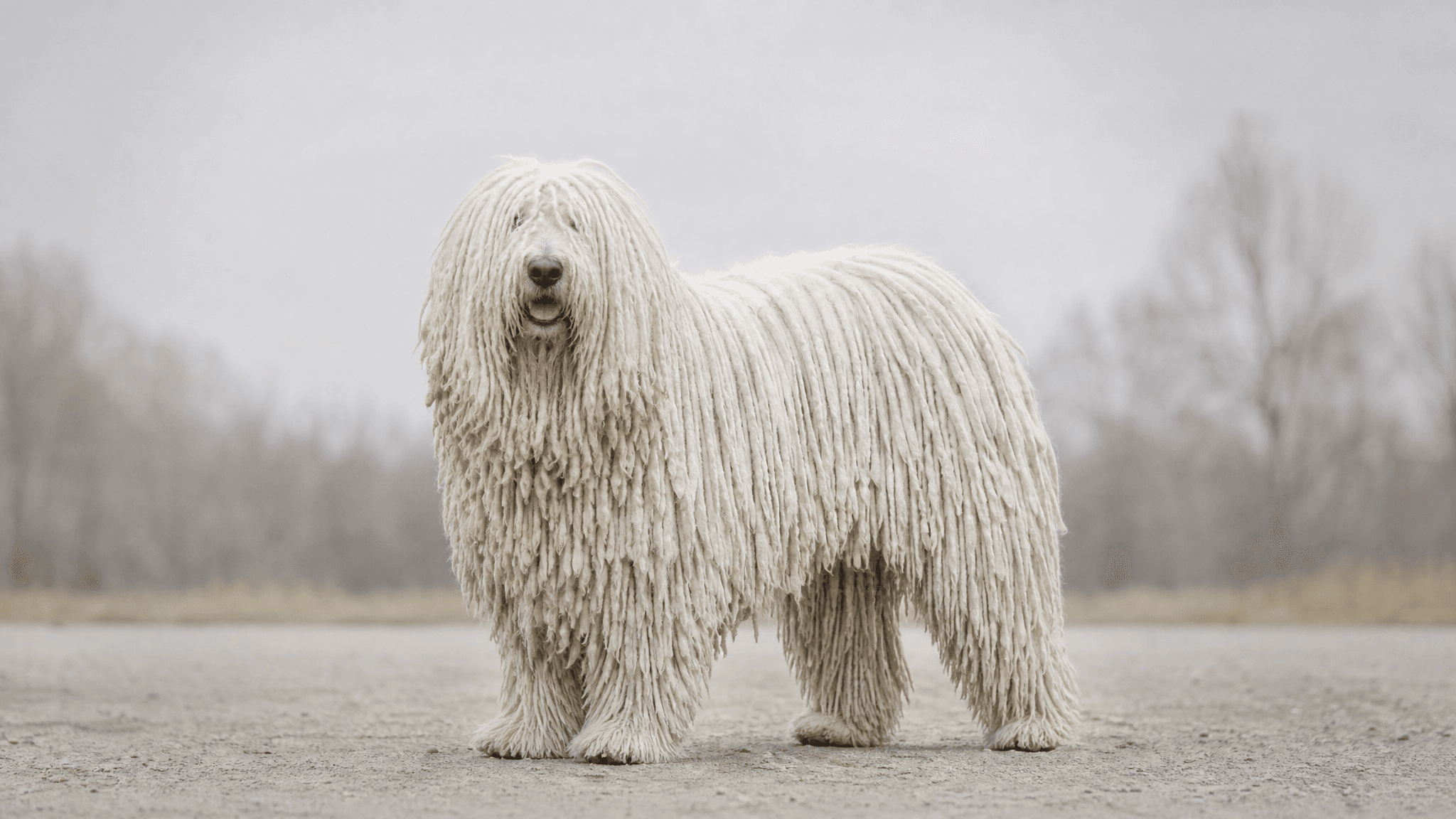
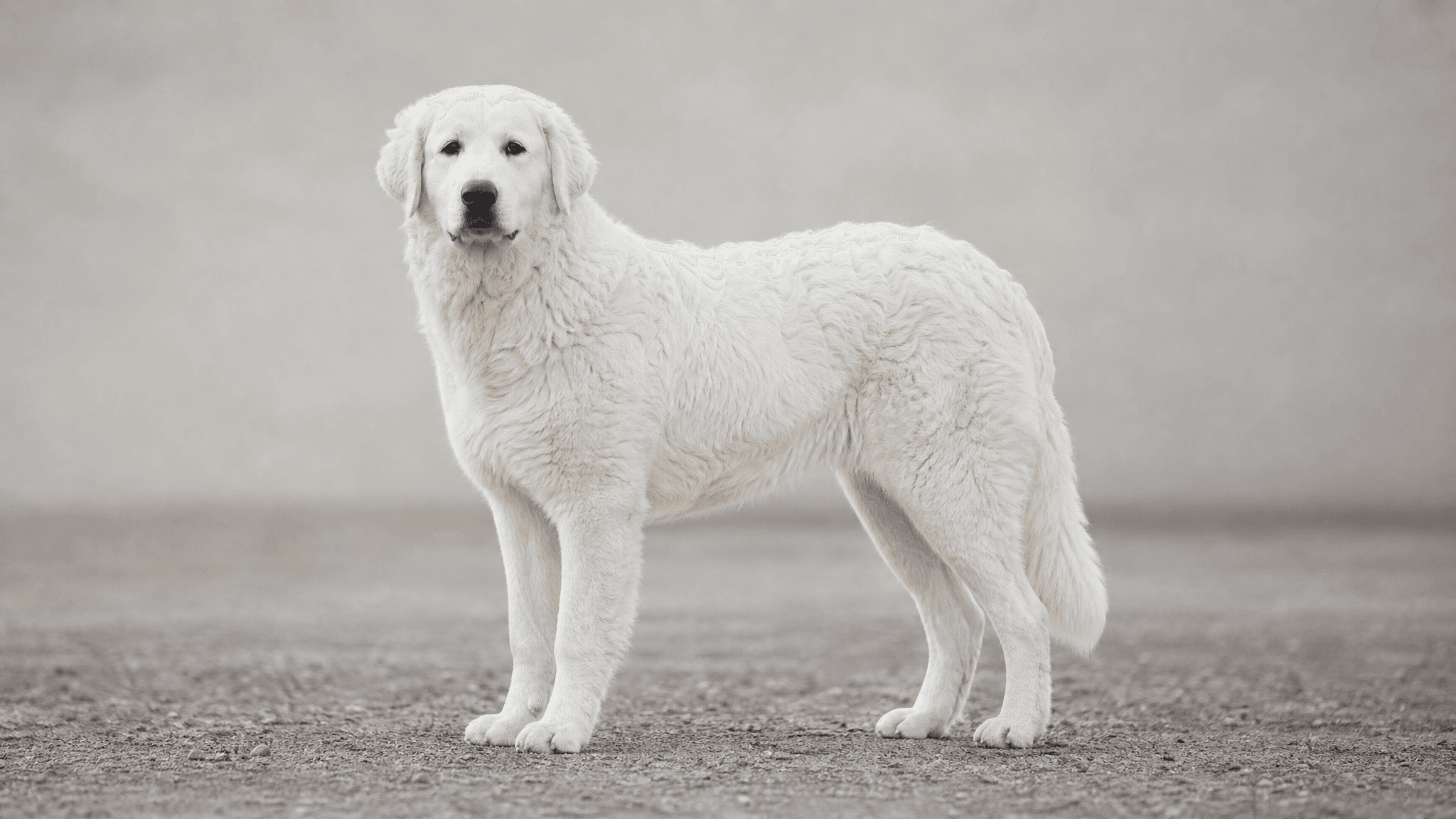
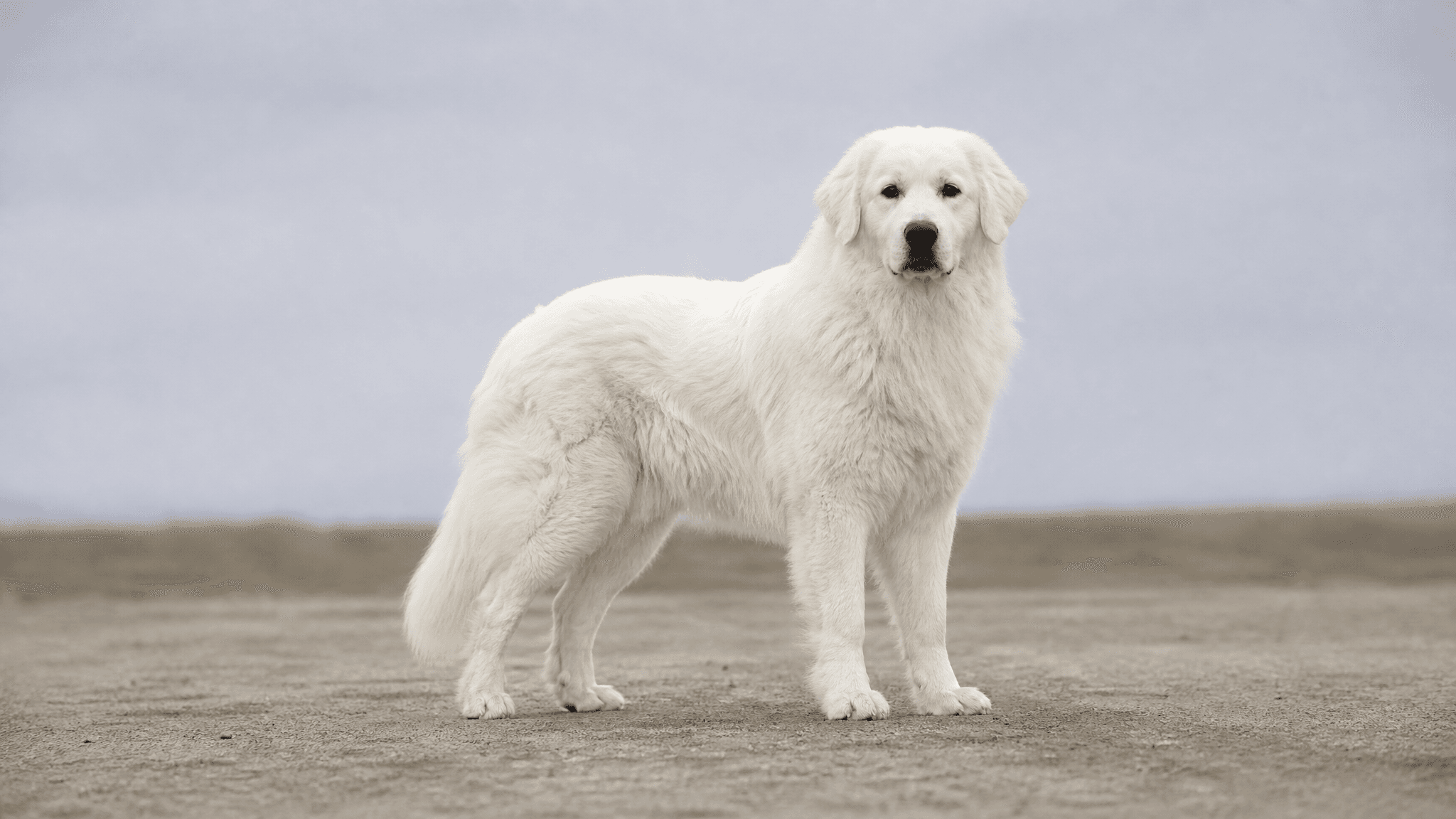
The Polish Tatra Sheepdog, known in Polish as Owczarek Podhalański, is a powerful livestock guardian originating from the Tatra mountains in southern Poland, where it protects sheep and goats from wolves, bears and lynxes. Like most alpine guardians, it is white — so as not to be confused with predators in the dark. It is a large breed, with an imposing presence and an exceptionally developed protective instinct.
Physical Characteristics
- Size
- Large to giant
- Height (male)
- 65–70 cm
- Height (female)
- 60–65 cm
- Weight (male)
- 45–70 kg
- Weight (female)
- 35–55 kg
- Life Expectancy
- 10–12 years
- Coat
- Long, dense, slightly wavy; very dense undercoat; almost woolly texture
- Common Colors
- White exclusively
Temperament & Personality
The Polish Tatra Sheepdog is a serious, serene and measured guardian that only acts when it senses its flock or family is in danger. With its family it is gentle and affectionate, especially with children. However, its instinctive distrust of strangers and unfamiliar animals requires very careful and early socialization. It is an independent-thinking breed, which can make training a challenge.
Activity & Exercise
- Energy Level
- Moderate
- Recommended Daily Exercise
- 60–90 minutes
- Suitable for Apartment
- Not recommended
Grooming & Care
- Grooming Needs
- High
- Shedding
- Heavy
- Bathing Frequency
- Every 4–6 weeks
Health
- Common Health Issues
- Gastric torsion
- Hip dysplasia
- Recommended Health Tests
- OFA orthopedic evaluation
Compatibility
- With Children
- Good
- With Other Dogs
- Moderate
- With Cats
- Moderate
- For First-Time Owners
- Not recommended
Is a Polish Tatra Shepherd right for you?
A Polish Tatra Shepherd may suit you if:
- You can provide 60 to 90 minutes of daily exercise and engaging mental challenges to satisfy their guardian instincts.
- You enjoy a lifestyle that allows for purposeful outdoor activities where their protective nature can be fulfilled.
- You appreciate a calm, independent, and gentle companion who is deeply affectionate with their family, especially children.
- You are prepared to commit to consistent, patient training and extensive early socialization to guide their independent spirit.
- You are willing to dedicate significant time to their high grooming needs, including regular brushing of their dense, long coat.
- You are prepared to manage a strong protective instinct and natural wariness towards unfamiliar people and animals.
Think twice if:
- You expect immediate, eager obedience from a dog, as this independent breed thinks for itself.
- You have a routine that requires leaving your dog alone for long periods, as they thrive on family presence.
- You are unwilling to carefully manage interactions with unfamiliar animals due to their moderate compatibility with other pets.
- You are not prepared for the significant commitment of daily exercise and extensive, regular grooming.
- You live in an apartment or lack a securely fenced, spacious outdoor area for a large, protective dog.
- You are a first-time dog owner or not confident in handling a large, strong, and independently minded adolescent dog.
The Polish Tatra Shepherd is a magnificent, loyal guardian, offering serene companionship and deep affection to its family. However, their independent spirit and innate protective instincts demand a dedicated owner prepared for consistent training and extensive socialization. Embracing their unique needs will unlock a truly rewarding partnership with this impressive breed.
Training a Polish Tatra Shepherd
Your Polish Tatra Shepherd is a thoughtful and independent learner, motivated by praise and gentle encouragement rather than harsh commands. Keep training sessions short, positive, and consistent, focusing on building a strong bond and trust. These intelligent dogs respond best to a patient approach, as their independent nature means they can be challenging. If training is inconsistent or overly forceful, they may become resistant or simply ignore commands, undermining the partnership crucial for this serious and serene breed.
Begin with:
- Attention to name around distractions
- Recall on a long line
- Loose-leash walking
- Leave it and drop it
- Calm greetings without jumping
- Settling on a mat or bed
- Cooperative handling for grooming
- Waiting at doors and gates
Guarding Instinct
Their inherent protective instinct means your Tatra will naturally be wary of strangers and unfamiliar animals. Early and continuous socialization is absolutely critical to help them distinguish between a genuine threat and a normal encounter. Introduce them to a wide variety of people, sights, and sounds from a young age, always ensuring positive experiences. Reward calm, neutral behavior generously.
Continue this exposure throughout their lives, always managing situations to prevent them from feeling overwhelmed or needing to 'guard.' If you notice any concerning reactions, our Behaviour AI feature can help you understand and work on these specific tendencies with expert guidance.
Managing Strength on Leash
Given their large to giant size and impressive strength (males can weigh up to 70 kg!), a Polish Tatra Shepherd can easily pull an unprepared owner off their feet. Loose-leash walking is a non-negotiable skill to teach from puppyhood. Start training in low-distraction environments and gradually increase the complexity, always rewarding your dog for walking politely by your side.
Consistent practice with positive reinforcement, using a comfortable harness that discourages pulling, is key. For a detailed plan, check out our guide on how to stop a puppy pulling on the leash. Remember, patience and consistency will pay off immensely.
Boredom and Independence
The Polish Tatra Shepherd is an independent thinker with a moderate energy level, requiring 60-90 minutes of daily exercise to stay content. Without sufficient physical and mental stimulation, their intelligence and guardian instincts can lead to undesirable behaviors like excessive barking, digging, or destructive chewing. They are not suited for apartment living and thrive with space and a 'job' to do, even if it's just supervising their family.
Engage their minds with puzzle toys, scent work, or advanced obedience training. Regular, varied walks and opportunities to explore safely will also help. Our Training feature can help you build a consistent routine that keeps their minds and bodies active, preventing boredom-related issues.
Polish Tatra Shepherd — Frequently Asked Questions
What is the Polski Owczarek Podhalanski (Polish Tatra Shepherd)?
The Polski Owczarek Podhalanski, also known as the Polish Tatra Shepherd, is a magnificent and powerful livestock guardian dog originating from the Tatra mountains in southern Poland. They belong to FCI Group 1 (Sheepdogs) and are truly impressive, ranging from large to giant in size. Known for their striking white coats, which historically helped them blend in with their flocks and avoid confusion with predators, they possess an imposing presence. These serene and serious guardians are defined by their exceptionally developed protective instinct, always ready to watch over their family or "flock" with unwavering dedication. They are truly a sight to behold!
What was the Polski Owczarek Podhalanski (Polish Tatra Shepherd) originally bred for?
Historically, the Polski Owczarek Podhalanski was bred for a very important and demanding job: protecting livestock. Originating from the rugged Tatra mountains of Poland, these brave dogs were essential companions to shepherds, guarding their flocks of sheep and goats against formidable predators like wolves, bears, and lynxes. Their imposing size and fearless nature made them incredibly effective at deterring threats. This deep-rooted protective instinct is still very much a part of their character today, making them vigilant and dedicated guardians of their homes and families. They truly embody their ancient heritage!
How much exercise does a Polski Owczarek Podhalanski (Polish Tatra Shepherd) need?
Despite their large size, Polski Owczarek Podhalanskis have a moderate energy level, meaning they don't require constant, high-intensity activity. However, they still need a good amount of daily exercise to stay happy and healthy! We recommend providing them with 60 to 90 minutes of activity each day. This could include long, leisurely walks, supervised playtime in a securely fenced yard, or even some mental stimulation with training sessions. Consistent daily exercise helps keep their bodies fit and their minds engaged, preventing boredom and ensuring they remain the calm, serene companions we adore.
Is the Polski Owczarek Podhalanski (Polish Tatra Shepherd) a good family dog?
Yes, the Polski Owczarek Podhalanski can be a wonderful family dog, especially with children, towards whom they are typically gentle and affectionate. They form strong bonds with their human "flock" and are incredibly loyal. However, their natural protective instincts mean they have an instinctive distrust of strangers and unfamiliar animals. This makes very careful and early socialization absolutely crucial. Introducing them positively to a variety of people, places, and other pets from a young age will help them grow into well-adjusted companions, ensuring they understand who is friend and who might be a perceived threat. With proper guidance, they are devoted family members.
Is the Polski Owczarek Podhalanski (Polish Tatra Shepherd) easy to train?
Training a Polski Owczarek Podhalanski can be a rewarding experience, but it does come with its unique challenges! These dogs are intelligent, but they are also independent thinkers, a trait developed from centuries of making their own decisions while guarding flocks. This independence means they might not always respond to commands with immediate obedience, as they prefer to assess situations themselves. Consistency, patience, and positive reinforcement are key. Early socialization and firm, fair leadership are essential to guide their strong will. While not the easiest breed to train for absolute obedience, their loyalty and desire to protect make them dedicated partners once they understand their role.
What health issues are common in the Polski Owczarek Podhalanski (Polish Tatra Shepherd)?
Like all breeds, Polski Owczarek Podhalanskis can be prone to certain health conditions, and it's good to be aware of them. Two documented health concerns in the breed are gastric torsion, also known as bloat, and hip dysplasia. Gastric torsion is a serious condition where the stomach twists, and it requires immediate veterinary attention. Hip dysplasia is a genetic condition affecting the hip joints, which can lead to arthritis and discomfort. Responsible breeders screen their dogs for these conditions, and regular veterinary check-ups, a healthy diet, and appropriate exercise can help manage and potentially mitigate risks, ensuring your furry friend stays as healthy as possible.
What is the Polski Owczarek Podhalanski (Polish Tatra Shepherd)'s coat like and how much grooming does it need?
The Polski Owczarek Podhalanski boasts a beautiful, thick double coat, typically a striking white color, which historically helped them blend in with their sheep. This dense coat provides excellent protection against harsh weather conditions. While stunning, it does require regular grooming to keep it healthy and free of mats. Brushing them several times a week, especially during shedding seasons, will help remove loose fur and prevent tangles. They don't typically need frequent bathing, as their coat is somewhat self-cleaning, but occasional baths will help maintain their pristine appearance. Regular grooming also offers a wonderful opportunity for bonding with your gentle giant!
What is the typical lifespan of a Polski Owczarek Podhalanski (Polish Tatra Shepherd)?
Polski Owczarek Podhalanskis are generally robust and healthy dogs, and with proper care, they typically enjoy a good lifespan. You can expect your beloved Polish Tatra Shepherd to be a loyal companion for approximately 10 to 12 years. Providing them with a high-quality diet, consistent veterinary care, regular exercise, and plenty of love and mental stimulation will contribute greatly to their overall well-being and longevity. Cherishing these years with your magnificent guardian will create countless wonderful memories, as they truly become an integral and protective part of your family.
Community
Talk to real Polish Tatra Shepherd owners
This guide covers the breed on paper. In the app, the Polish Tatra Shepherd community covers it in real life: photos from other owners, questions answered by people who live with the breed, and a directory of dogs you can browse.
- Photos & pollsSee what Polish Tatra Shepherd owners are sharing today.
- Questions & answersAsk anything and hear from people who own one.
- Dog directoryBrowse Polish Tatra Shepherds from around the world.
You join automatically when you add a Polish Tatra Shepherd to your profile.