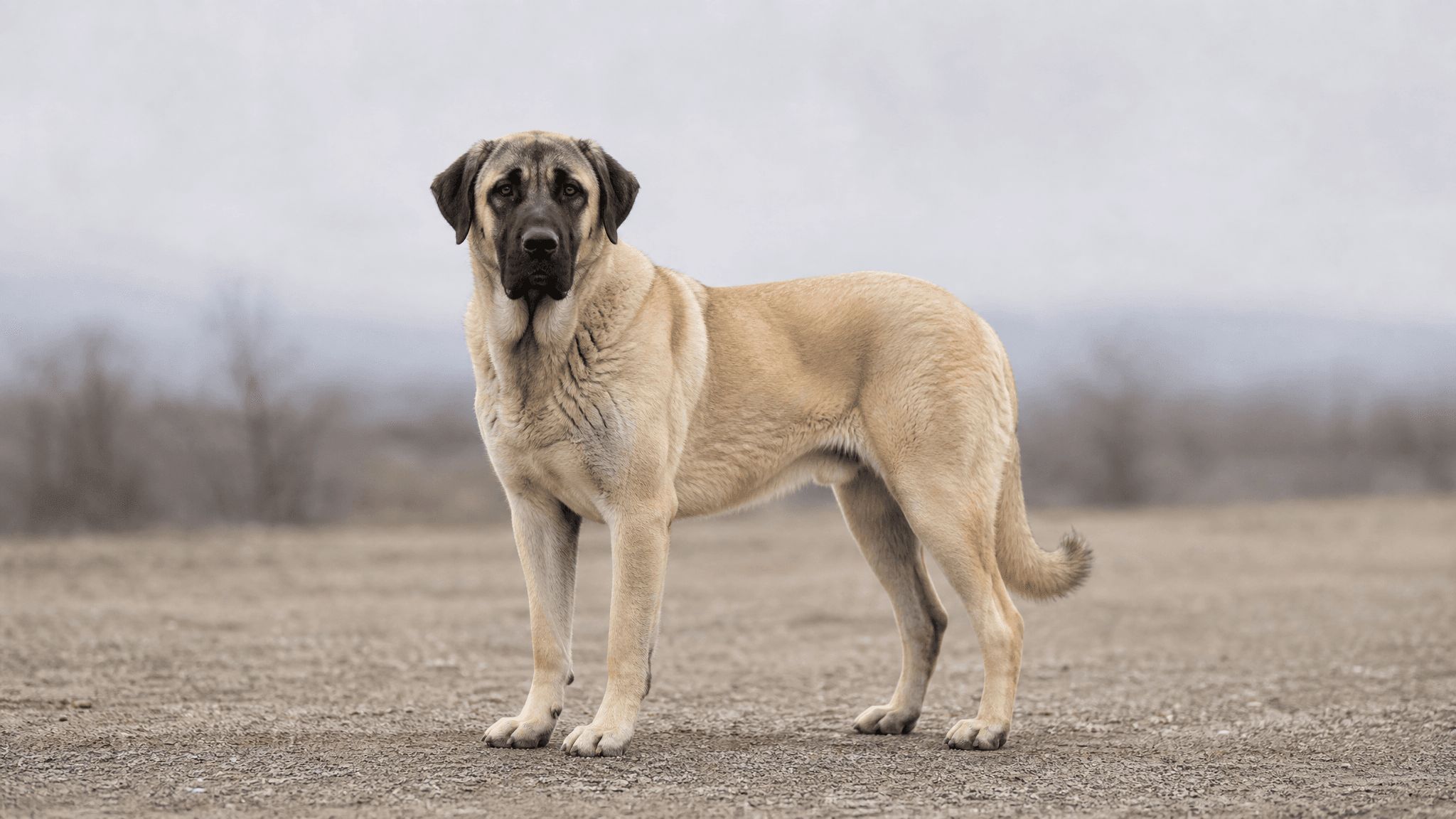
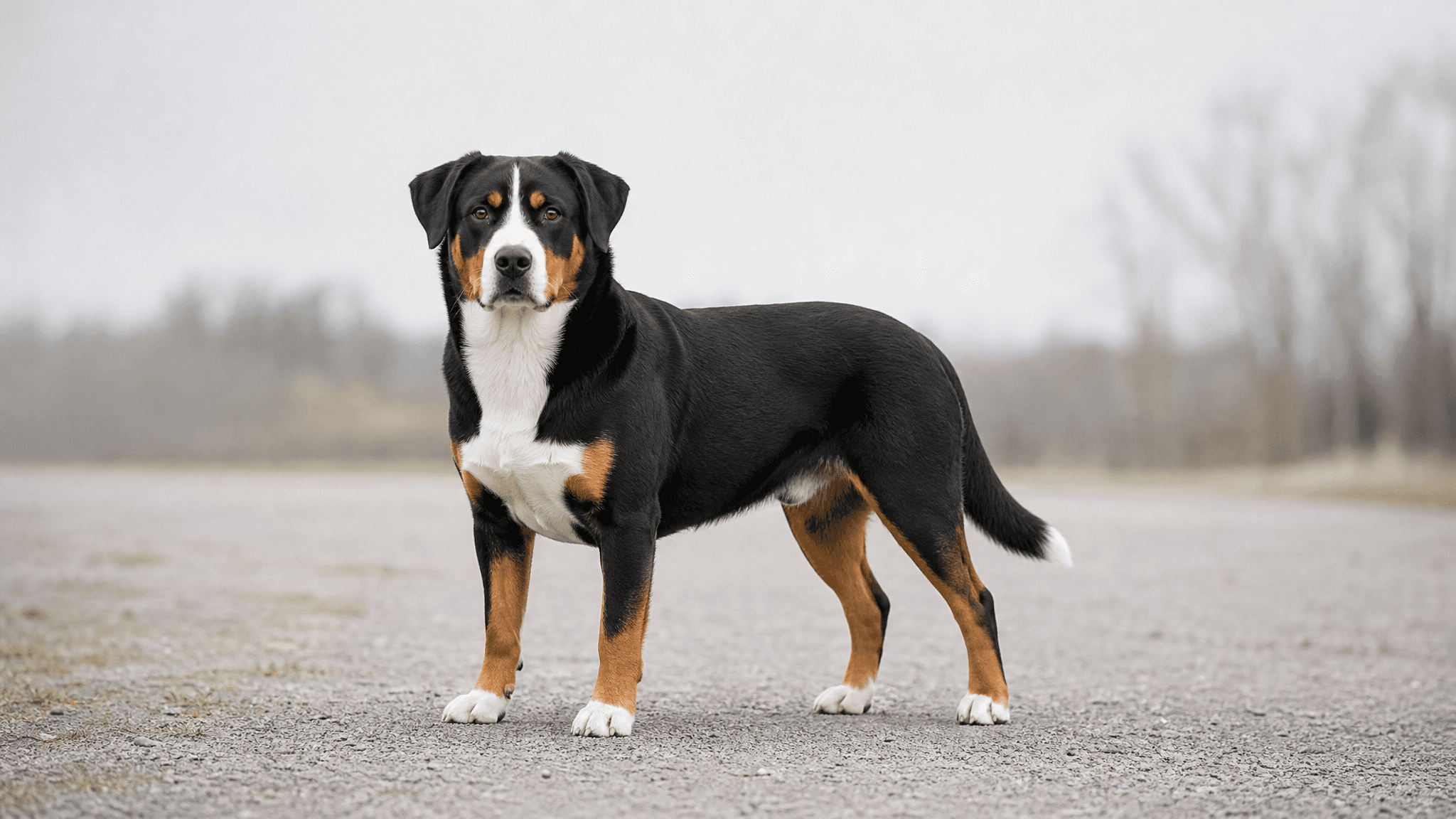
Karst Shepherd Dog
Summary
The Karst Shepherd Dog is the national breed of Slovenia, originating from the Slovenian karst plateau — a landscape of limestone, caves, and pastures that shaped over centuries a dog adapted to difficult terrain and harsh climate. It is very similar to the Šarplaninac but was recognised as a distinct breed by the FCI. It is used in Slovenia as a flock and property guard dog.
Physical Characteristics
- Size
- Medium to large
- Height (male)
- 57–63 cm
- Height (female)
- 54–60 cm
- Weight (male)
- 30–42 kg
- Weight (female)
- 25–37 kg
- Life Expectancy
- 11–13 years
- Coat
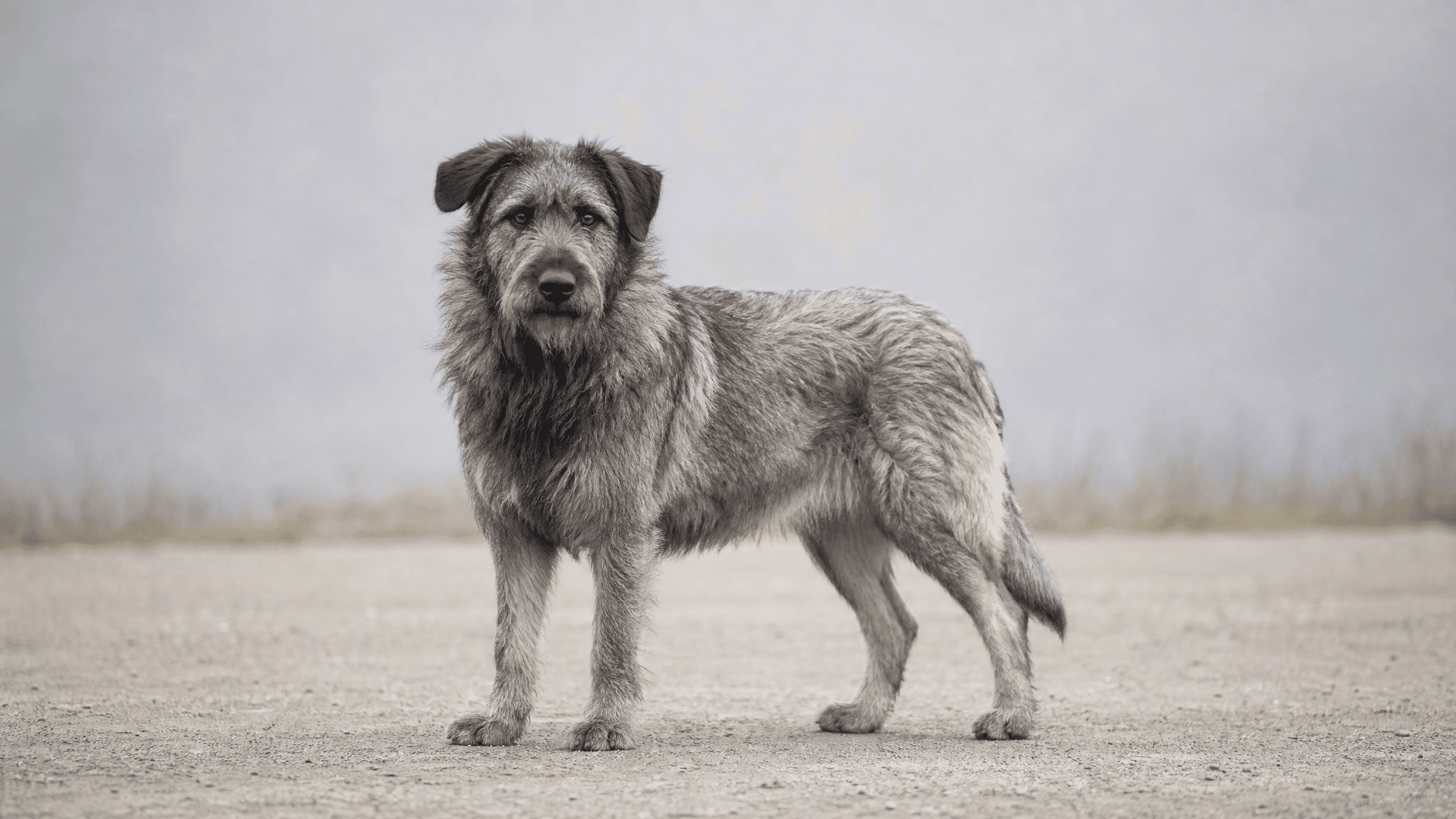
- Semi-long (6–10 cm), coarse, dense, with mane on the neck
- Common Colors
- Iron-grey (the most typical colour), dark grey, light grey; dark mask accepted
Temperament & Personality
The Karst Shepherd Dog has a firm and individually marked temperament — it is intelligent and courageous but also stubborn and reserved. With its family, it is loyal and affectionate; with strangers, it is suspicious. It needs early socialisation to avoid excessively defensive behaviours. It is an excellent natural guardian that responds better to positive reinforcement than authoritarian methods.
Activity & Exercise
- Energy Level
- Moderate to high
- Recommended Daily Exercise
- 60–90 minutes
- Suitable for Apartment
- Not recommended
Grooming & Care
- Grooming Needs
- Moderate
- Shedding
- Heavy
- Bathing Frequency
- Every 6–8 weeks
Health
- Common Health Issues
- Eye problems
- Hip dysplasia
- Recommended Health Tests
- Eye examination
- Hip radiography
Compatibility
- With Children
- Moderate
- With Other Dogs
- Moderate
- With Cats
- Can be difficult
- For First-Time Owners
- Not recommended
Is a Karst Shepherd Dog right for you?
A Karst Shepherd Dog may suit you if:
- You can provide 60 to 90 minutes of daily exercise and engaging mental challenges for an intelligent companion.
- You enjoy a life where your dog can actively participate in guarding your property or engaging in outdoor adventures.
- You appreciate a dog with a firm, intelligent, and courageous temperament, offering unwavering loyalty to its family.
- You are prepared to commit to early, consistent socialization and positive reinforcement training to shape a well-adjusted companion.
- You are willing to manage moderate grooming needs and heavy seasonal shedding of a dense, semi-long coat.
- You understand and are prepared to manage a natural guardian instinct, including reserved behavior towards strangers.
Think twice if:
- You expect immediate and unquestioning obedience from a dog, as this breed possesses a strong, independent will.
- You have a routine that requires your dog to be left alone for long periods, which can lead to distress for this companion.
- You have young children or other small pets like cats, as their natural guarding instincts may require careful management.
- You are unable to provide consistent daily exercise or commit to regular grooming for a heavily shedding, energetic dog.
- You live in an apartment or lack a securely fenced outdoor space suitable for a medium-to-large guardian breed.
- You are a first-time dog owner seeking an easily managed companion, as this breed requires experienced, patient handling.
The Karst Shepherd Dog offers deep loyalty and a formidable protective presence, a true guardian spirit. Yet, their independent and reserved nature demands a committed owner who understands their unique temperament. With the right guidance and an environment that respects their heritage, they become an affectionate, unwavering companion, but they are certainly not a dog for everyone.
Training a Karst Shepherd Dog
The Karst Shepherd Dog is a highly intelligent and courageous learner, but their inherent stubbornness and reserved nature mean training requires a gentle, consistent hand. They thrive on positive reinforcement and affection from their family, responding poorly to harsh or authoritarian methods. Keep training sessions short, engaging, and fun to maintain their focus. If training lacks consistency, is too repetitive, or uses force, your Karst Shepherd may become resistant, withdrawn, or develop excessive defensive behaviors, making progress much harder.
Begin with:
- Attention to name around distractions
- Recall on a long line
- Loose-leash walking
- Leave it and drop it
- Calm greetings without jumping
- Settling on a mat or bed
- Cooperative handling for grooming, ears, feet and teeth
- Waiting at doors and gates
Guarding Instincts and Reactivity
Karst Shepherds are natural guardians with strong protective instincts. This can manifest as suspicion towards strangers and reactivity towards perceived threats, including other dogs or moving objects like cyclists. Early, positive socialization is crucial to help them discern real threats from everyday occurrences.
To manage this, focus on teaching a strong "watch me" command and rewarding calm behavior in the presence of triggers. Practice controlled exposure to new sights and sounds, always keeping your dog under threshold. Reinforce a reliable recall, especially given their potential prey drive, so you can confidently call them away from distractions.
Leash Pulling and Strength
Given their medium to large size and inherent strength (males 30-42 kg, females 25-37 kg), a Karst Shepherd can easily pull an unprepared owner off balance. Their stubborn streak means they won't simply comply with force. Start loose-leash training early, using positive reinforcement to reward walking calmly by your side.
Invest in appropriate equipment like a front-clip harness or head halter if needed, as these can help manage pulling without causing discomfort or pain. Consistency is key; every walk is a training opportunity. If they pull, stop walking until the leash loosens, then continue, rewarding frequently for a slack leash.
Destructive Behaviour from Boredom
Karst Shepherds have a moderate to high energy level and require 60-90 minutes of daily exercise. If their physical and mental needs aren't met, their intelligence and energy can manifest as boredom, leading to unwanted behaviors like excessive barking, destructive chewing, or digging. They are not recommended for apartment living for this reason.
Ensure a consistent routine of engaging walks, playtime, and mental stimulation through puzzle toys or training games. Provide a safe, designated space for them, and consider enrichment activities like scent work to tire their minds. A bored Karst Shepherd is a creative Karst Shepherd, and often not in a way you'll appreciate! You can track your walks and find new routes with our GPS Walks feature.
Karst Shepherd Dog — Frequently Asked Questions
What is the Kraski Ovcar (Karst Shepherd Dog)?
The Kraski Ovcar, also known as the Karst Shepherd Dog, is a magnificent medium to large-sized breed hailing from the rugged Slovenian karst plateau. This national treasure of Slovenia has been shaped over centuries by its challenging environment of limestone, caves, and pastures, resulting in a dog perfectly adapted to difficult terrain and harsh climates. Recognized by the FCI in Group 2 (Mountain type), it shares similarities with the Šarplaninac but stands proudly as its own distinct breed, embodying strength and resilience and making a wonderful, protective companion.
What was the Kraski Ovcar (Karst Shepherd Dog) originally bred for?
Historically, the Kraski Ovcar was primarily bred for a vital role: protecting flocks and property. Originating from the demanding Slovenian karst plateau, these dogs developed an innate ability to guard livestock against predators and keep watch over their homes, a tradition that continues in Slovenia today. Their robust build and alert nature made them indispensable companions for shepherds, ensuring the safety of their charges in challenging landscapes. They are truly natural guardians, deeply rooted in their protective heritage and always ready to watch over their loved ones.
How much exercise does a Kraski Ovcar (Karst Shepherd Dog) need?
The Kraski Ovcar has a moderate to high energy level, so they definitely appreciate regular activity to keep them happy and healthy! We recommend providing them with 60 to 90 minutes of exercise each day. This could include brisk walks, engaging playtime in a secure yard, or even some hiking adventures if you're up for it. Consistent exercise helps to channel their energy positively and keeps their minds stimulated, preventing boredom and ensuring they remain well-adjusted companions who are a joy to be around.
Is the Kraski Ovcar (Karst Shepherd Dog) a good family dog?
With their own family, Kraski Ovcar dogs are wonderfully loyal and affectionate companions, forming deep bonds. However, they are naturally reserved and suspicious of strangers, a trait that makes them excellent guardians but requires careful management in a family setting. Early and consistent socialisation is absolutely crucial to help them develop into well-adjusted adults, especially around children and other pets. With proper introductions and ongoing positive experiences, they can integrate beautifully into a loving home, though their protective instincts will always be present, making them vigilant family protectors.
Is the Kraski Ovcar (Karst Shepherd Dog) easy to train?
The Kraski Ovcar is a highly intelligent and courageous breed, but they also possess a strong, independent spirit that can sometimes manifest as stubbornness. They respond much better to positive reinforcement methods rather than harsh or authoritarian approaches, thriving on encouragement and reward-based training. Consistency, patience, and understanding their reserved nature are key to successful training. Early socialisation and consistent, gentle guidance will help harness their intelligence and ensure they become well-behaved and confident members of your family, eager to please their beloved people.
What health issues are common in the Kraski Ovcar (Karst Shepherd Dog)?
Like many breeds, the Kraski Ovcar can be prone to certain health conditions, and it's always good to be aware of these so you can provide the best care. Documented health concerns for this wonderful breed include eye problems and hip dysplasia. Responsible breeders will screen their dogs for these conditions, and regular veterinary check-ups are essential to monitor your dog's health throughout their life. Staying informed and proactive is the best way to help your Kraski Ovcar live a long, healthy, and happy life by your side, full of vitality.
What is the Kraski Ovcar (Karst Shepherd Dog)'s coat like and how much grooming does it need?
The Kraski Ovcar possesses a robust coat, well-suited to the harsh climates of its native Slovenian karst plateau. Typically, mountain breeds like this have a dense, weather-resistant double coat designed for protection against the elements. Regular grooming is important to keep their coat healthy and free of mats, especially during shedding seasons. Brushing a few times a week will help remove loose hair and dirt, distribute natural oils, and keep them looking their best. It's also a wonderful opportunity for bonding and checking in on your furry friend's well-being!
What is the typical lifespan of a Kraski Ovcar (Karst Shepherd Dog)?
With proper care, a healthy diet, and regular veterinary check-ups, the Kraski Ovcar typically enjoys a good, long life. You can generally expect your beloved companion to be with you for around 11 to 13 years. Providing them with a loving home, appropriate exercise, mental stimulation, and addressing any health concerns promptly will contribute significantly to their longevity and overall well-being, ensuring many wonderful years together filled with loyalty and affection. They truly become cherished members of the family.
Community
Talk to real Karst Shepherd Dog owners
This guide covers the breed on paper. In the app, the Karst Shepherd Dog community covers it in real life: photos from other owners, questions answered by people who live with the breed, and a directory of dogs you can browse.
- Photos & pollsSee what Karst Shepherd Dog owners are sharing today.
- Questions & answersAsk anything and hear from people who own one.
- Dog directoryBrowse Karst Shepherd Dogs from around the world.
You join automatically when you add a Karst Shepherd Dog to your profile.