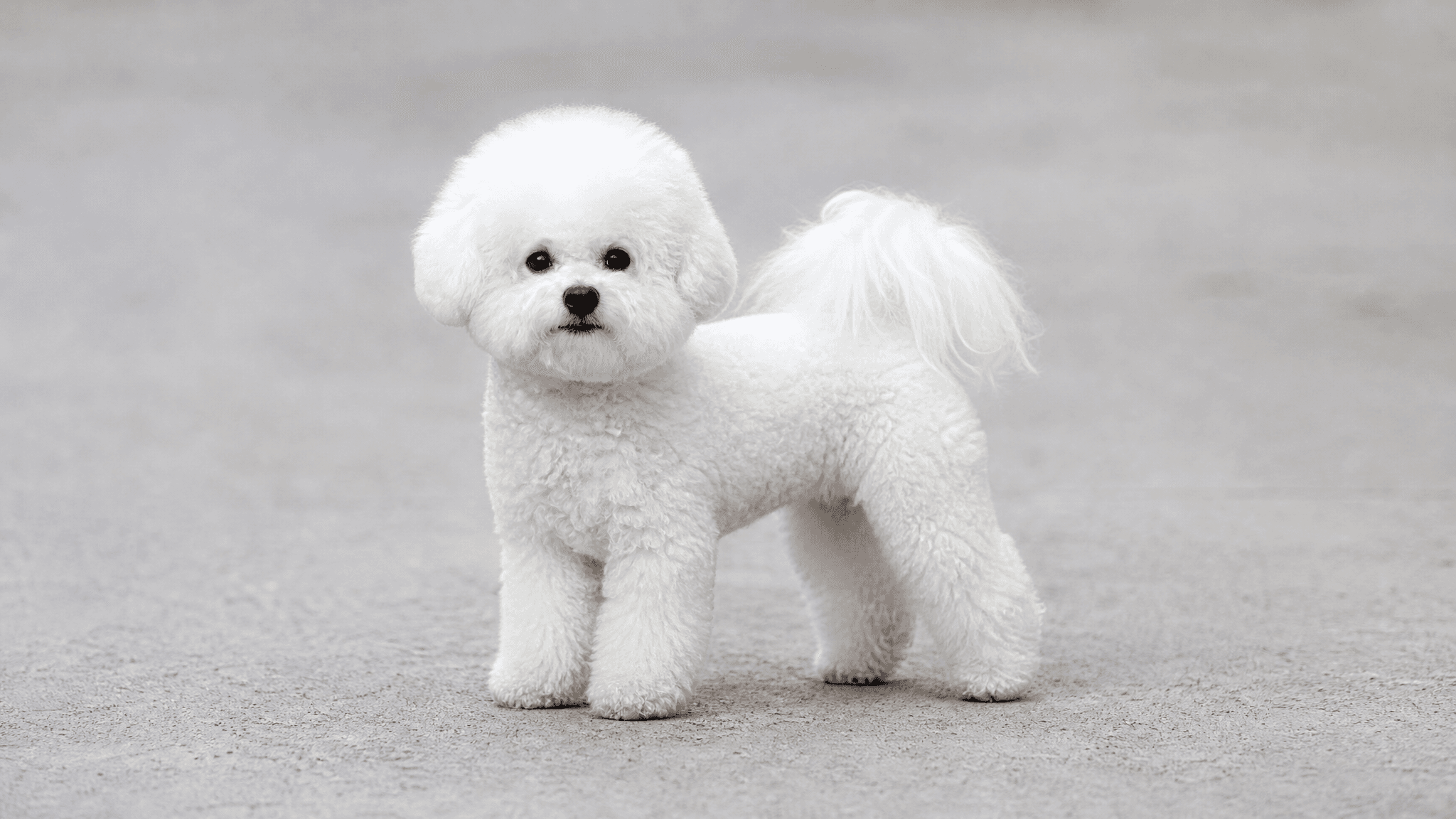
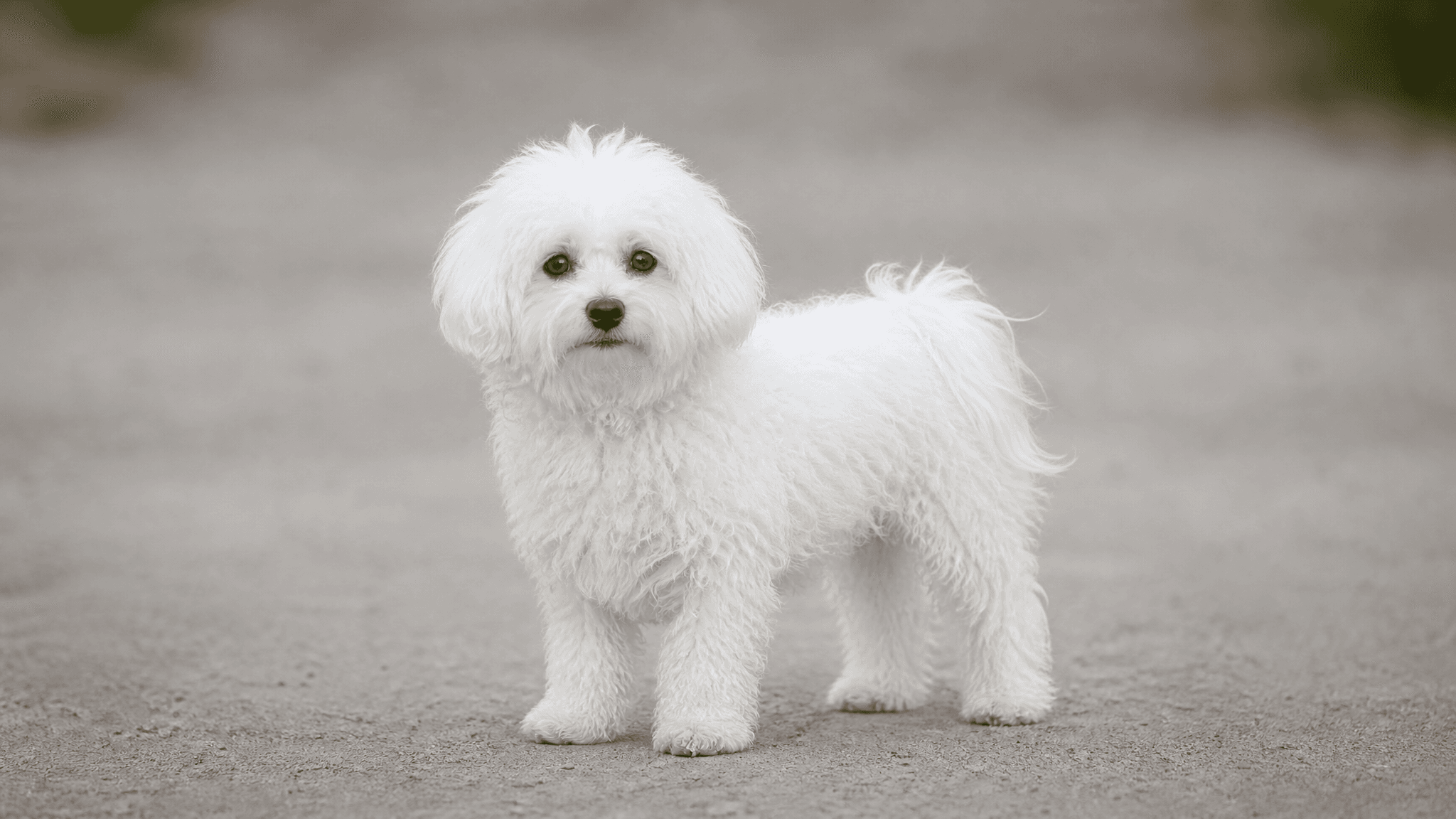
Havanese

Summary
The Havanese is the only native breed of Cuba and the country's national dog. Descended from Bichons brought by European settlers to the Caribbean, it adapted to the tropical climate and developed a silky but heat-resistant coat. It is an extraordinarily expressive, cheerful, and talented dog, widely used in variety shows for its ease in learning tricks.
Physical Characteristics
- Size
- Small
- Height (male)
- 23–27 cm
- Height (female)
- 21–25 cm
- Weight (male)
- 4–6 kg
- Weight (female)
- 3–5.5 kg
- Life Expectancy
- 14–16 years
- Coat
- Long (can be straight or wavy), silky and abundant; double coat but adapted to warm climates
- Common Colors
- All colors are accepted — white, black, chocolate, tobacco, havana, blue, parti-color (bicolor/tricolor)
Temperament & Personality
The Havanese is one of the most sociable and versatile companion dogs in existence. It is intelligent, playful, and extraordinarily affectionate with the entire family, including children and other animals. Its outgoing nature and natural talent for showmanship make it a great partner for obedience, agility, and trick activities. Without adequate stimulation, it can develop anxiety behaviors and bark excessively.
Activity & Exercise
- Energy Level
- Moderate to high
- Recommended Daily Exercise
- 30–45 minutes
- Suitable for Apartment
- Yes
Grooming & Care
- Grooming Needs
- High
- Shedding
- Moderate
- Bathing Frequency
- Every 2–3 weeks
Health
- Common Health Issues
- Cataracts
- Congenital deafness
- Hip dysplasia
- Hypothyroidism
- Patellar luxation
- Progressive retinal atrophy (PRA)
- Recommended Health Tests
- Cardiac examination
- Eye examination
- Orthopedic evaluation
Compatibility
- With Children
- Excellent
- With Other Dogs
- Excellent
- With Cats
- Good
- For First-Time Owners
- Recommended
Is a Havanese right for you?
A Havanese may suit you if:
- You can provide 30-45 minutes of daily exercise and engage them with stimulating games and activities.
- You enjoy an interactive lifestyle and seek a cheerful partner for obedience, agility, or learning fun tricks.
- You appreciate an intelligent, playful, and extraordinarily affectionate companion who thrives on family involvement.
- You are prepared to invest in consistent, positive training to nurture their natural talent and sociable nature.
- You are willing to commit to high grooming needs, including regular brushing and bathing every 2-3 weeks, to maintain their beautiful coat.
- You are ready to embrace a dog with an outgoing personality and a natural talent for showmanship.
Think twice if:
- You expect a dog that is always perfectly biddable, as their intelligence is often paired with a charmingly independent spirit.
- You have a routine that frequently leaves a dog alone for extended periods, as Havanese crave companionship and can develop anxiety without it.
- You are unprepared for a dog that will enthusiastically involve itself with all family members, including children and other pets.
- You are unwilling to dedicate time to their moderate to high energy needs or their significant grooming requirements.
- You expect a dog that can be left unsupervised in an uncontained outdoor space, as these small companions thrive indoors.
- You are not prepared to patiently guide a clever and sometimes mischievous dog through their adolescent phases.
- You are not ready for a long-term commitment, as a Havanese will be a beloved family member for 14-16 years.
The Havanese is a truly delightful and devoted companion, bringing immense joy and laughter to a loving home. While their affectionate nature and intelligence are captivating, they thrive on consistent companionship and mental engagement. This breed offers a wonderful bond, but asks for your active participation in return, ensuring their cheerful spirit remains bright.
Training a Havanese
Your Havanese is a bright, eager-to-please companion who absolutely thrives on positive reinforcement and engaging interaction. These intelligent, playful pups are natural show-offs, making training a joyful experience when approached with patience and consistency. Keep sessions short, fun, and varied to hold their attention, always ending on a high note. They are incredibly sensitive, so harsh corrections or a frustrated handler will quickly dampen their spirit and make them withdraw. Remember, a Havanese learns best when they feel connected and valued, turning training into a delightful bonding activity for both of you. Neglecting their need for mental stimulation can lead to unwanted anxiety behaviors.
Begin with:
- Attention and response to name around distractions
- Recall, on a long line at first
- Loose-leash walking
- Leave it and drop it
- Calm greetings without jumping
- Settling on a mat or bed
- Cooperative handling for grooming, ears, feet and teeth
- Waiting at doors and gates
Distress When Alone
Your Havanese is a true companion dog, deeply attached to their family. While this makes them wonderfully affectionate, it also means they can struggle with being left alone, potentially developing anxiety behaviors if not taught independence gradually. Start with very short absences, even just stepping out of sight for a minute, and slowly increase the duration. Provide engaging puzzle toys or a long-lasting chew to keep them occupied, and ensure they've had their recommended 30-45 minutes of daily exercise before you leave. Our guide on stress signs can help you recognize early indicators.
Consider crate training as a safe den for them, and make sure their environment is comfortable and secure. Consistent routines and positive associations with your departure can make a significant difference in helping your Havanese feel secure and calm when you're not around.
Loose-Leash Walking
Despite their small size, Havanese have moderate to high energy and can develop a habit of pulling on the leash, especially when excited by new sights and smells. This isn't about strength, but about enthusiasm! To teach them polite leash manners, always reward them with praise or a small treat when the leash is slack. If they pull, simply stop walking until the leash loosens, then resume. Consistency is key.
For persistent pullers, a front-clip harness can be a helpful tool, as it redirects their momentum back towards you without discomfort. Remember to keep walks engaging and varied, and consider our guide on stopping leash pulling for more detailed strategies.
Mental Stimulation Needs
Your intelligent and playful Havanese needs more than just physical exercise; their bright minds crave mental challenges too! Without adequate daily stimulation, which includes their recommended 30-45 minutes of physical activity, they can become bored and resort to unwanted behaviors like excessive barking, destructive chewing, or constant attention-seeking. They truly excel at learning tricks and enjoy activities like obedience or agility, which taps into their natural showmanship.
Incorporate short, fun training sessions throughout the day, use puzzle feeders for their meals, and rotate their toys to keep things interesting. Engaging their minds will not only prevent boredom but also strengthen your bond and keep your Havanese a happy, well-adjusted companion. Our training feature can help you build a consistent routine.
Havanese — Frequently Asked Questions
What is the Havanese?
The Havanese is a truly special little dog, known as the only native breed of Cuba and proudly serving as the country's national dog! Descended from charming Bichons brought to the Caribbean by European settlers, they've beautifully adapted to the tropical climate, developing a unique silky yet heat-resistant coat. These small, cheerful companions are extraordinarily expressive and talented, belonging to the FCI Group 9 (Bichons). They bring so much joy and personality wherever they go, making them wonderful additions to any family.
What was the Havanese originally bred for?
Originally, the Havanese was bred to be the ultimate companion dog, gracing the laps and homes of European settlers in the Caribbean. Their ancestors, the Bichons, were transformed by the Cuban environment, evolving into the delightful Havanese we know today. Beyond their role as affectionate family members, their natural intelligence and eagerness to please made them stars! They were widely celebrated for their ease in learning tricks and were frequently featured in variety shows, showcasing their incredible talent and charming personalities to delighted audiences.
How much exercise does a Havanese need?
Despite their small size, Havanese have a moderate to high energy level and truly enjoy staying active! To keep your Havanese happy and healthy, aim for about 30–45 minutes of exercise each day. This can be a mix of playful romps in the yard, engaging walks around the neighborhood, or even some fun indoor games. They love interactive play and mental stimulation, so incorporating training sessions or puzzle toys can also be a fantastic way to meet their exercise needs and keep their bright minds engaged.
Is the Havanese a good family dog?
Absolutely, the Havanese is renowned for being one of the most sociable and versatile companion dogs you could wish for! They are incredibly affectionate with every member of the family, including children and other pets, making them outstanding family dogs. Their intelligent, playful, and outgoing nature means they thrive on interaction and love being involved in all family activities. You'll find them to be extraordinarily loving and adaptable, eager to share their joy and warmth with everyone they meet, truly embodying the spirit of a devoted family member.
Is the Havanese easy to train?
You'll be delighted to know that the Havanese is generally very easy to train! They are highly intelligent, eager to please, and possess a wonderfully playful and outgoing temperament. Their natural talent for showmanship truly shines, making them fantastic partners for a variety of activities like obedience, agility, and learning fun tricks. However, because they are so social and thrive on interaction, it's important to provide adequate mental and physical stimulation. Without it, these sensitive souls can sometimes develop anxiety behaviors, so consistent, positive training and engagement are key to their well-being.
What health issues are common in the Havanese?
Havanese are generally a robust and healthy breed, often enjoying long and vibrant lives! While specific health issues are not universally common across the breed, like all purebred dogs, they can occasionally be predisposed to certain genetic conditions. Responsible breeding practices are crucial in minimizing these risks, and a reputable breeder will always provide health clearances for their dogs. Regular veterinary check-ups, a balanced diet, and plenty of love and exercise are the best ways to help ensure your Havanese stays happy and healthy throughout their wonderful life with you.
What is the Havanese's coat like and how much grooming does it need?
The Havanese boasts a truly distinctive and beautiful coat! It's silky to the touch, surprisingly lightweight, and wonderfully heat-resistant, a perfect adaptation to their Cuban origins. This flowing coat is part of their charm, but it does require regular attention to keep it looking its best and prevent matting. Daily brushing is highly recommended to maintain its silky texture, remove loose hair, and prevent tangles. Many owners also opt for professional grooming every few weeks or learn to trim their Havanese themselves to manage the length and keep them comfortable.
What is the typical lifespan of a Havanese?
You'll be happy to hear that Havanese dogs typically enjoy a wonderfully long and healthy life! On average, a Havanese can live anywhere from 14 to 16 years, often becoming cherished companions for well over a decade. Providing them with excellent nutrition, regular veterinary care, plenty of exercise, and, of course, an abundance of love and attention will contribute greatly to their longevity. These delightful dogs truly become integral family members, bringing joy and laughter for many, many years.
Community
Talk to real Havanese owners
This guide covers the breed on paper. In the app, the Havanese community covers it in real life: photos from other owners, questions answered by people who live with the breed, and a directory of dogs you can browse.
- Photos & pollsSee what Havanese owners are sharing today.
- Questions & answersAsk anything and hear from people who own one.
- Dog directoryBrowse Havaneses from around the world.
You join automatically when you add a Havanese to your profile.