Coton De Tulear
Summary
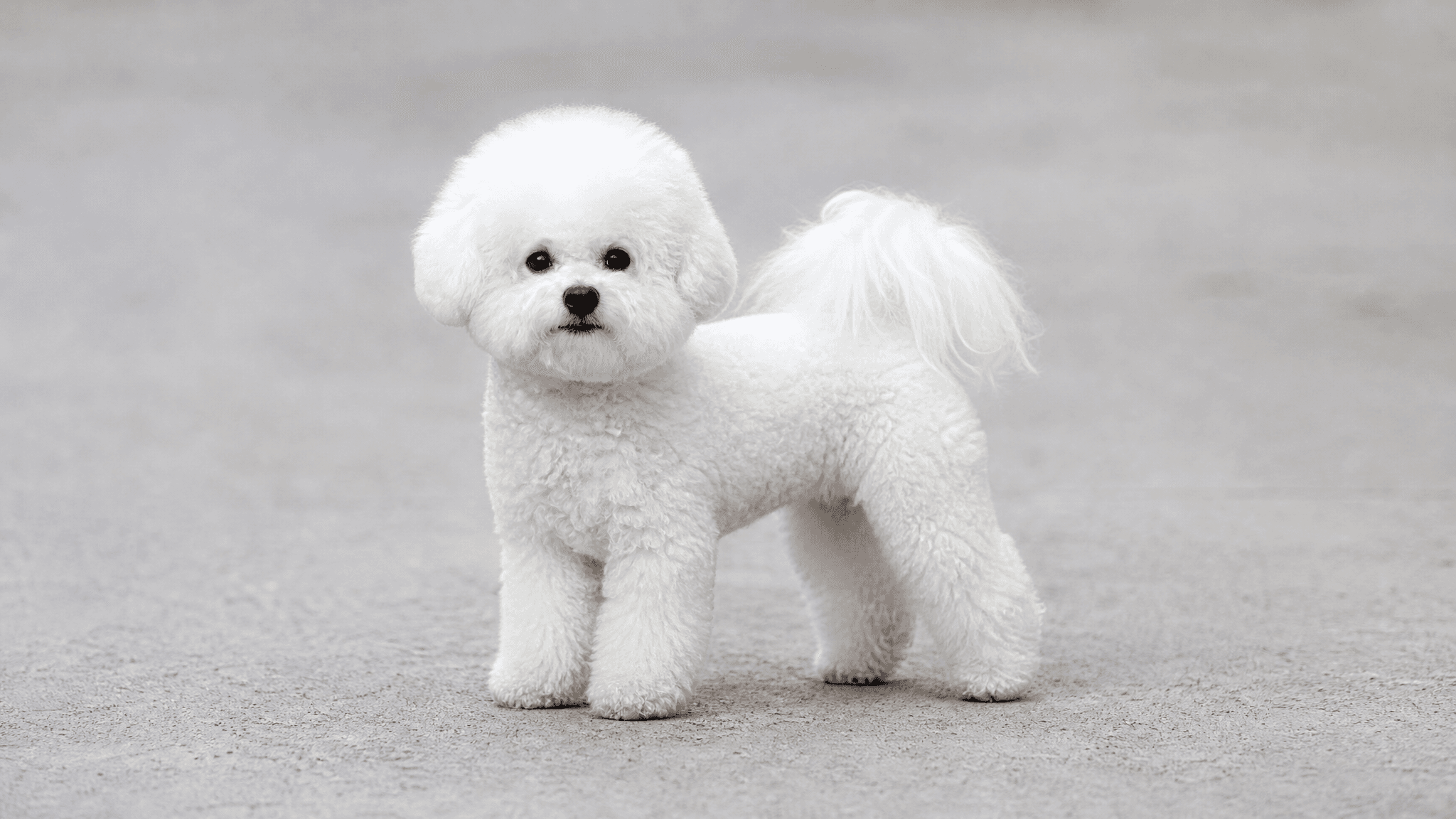
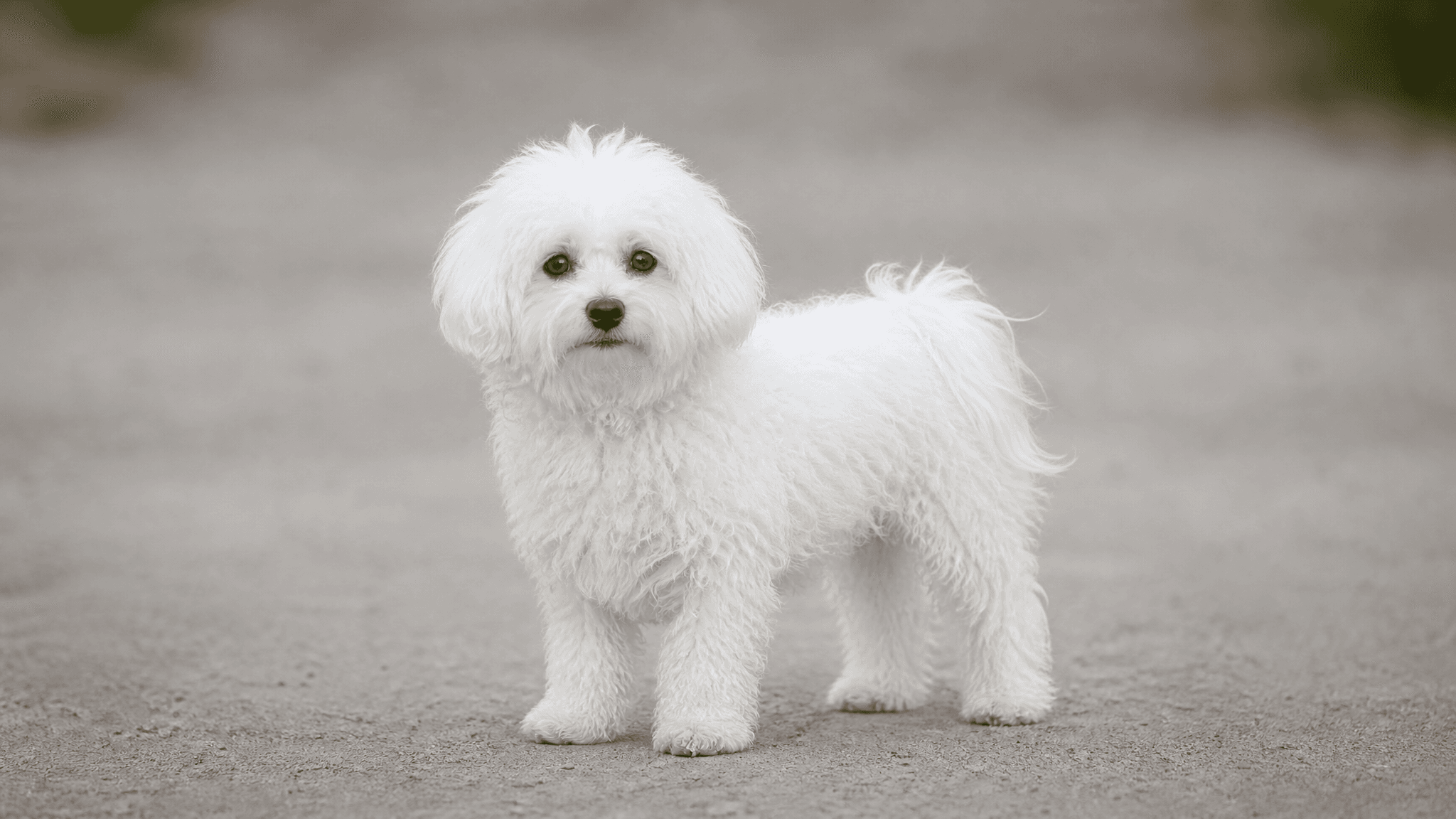
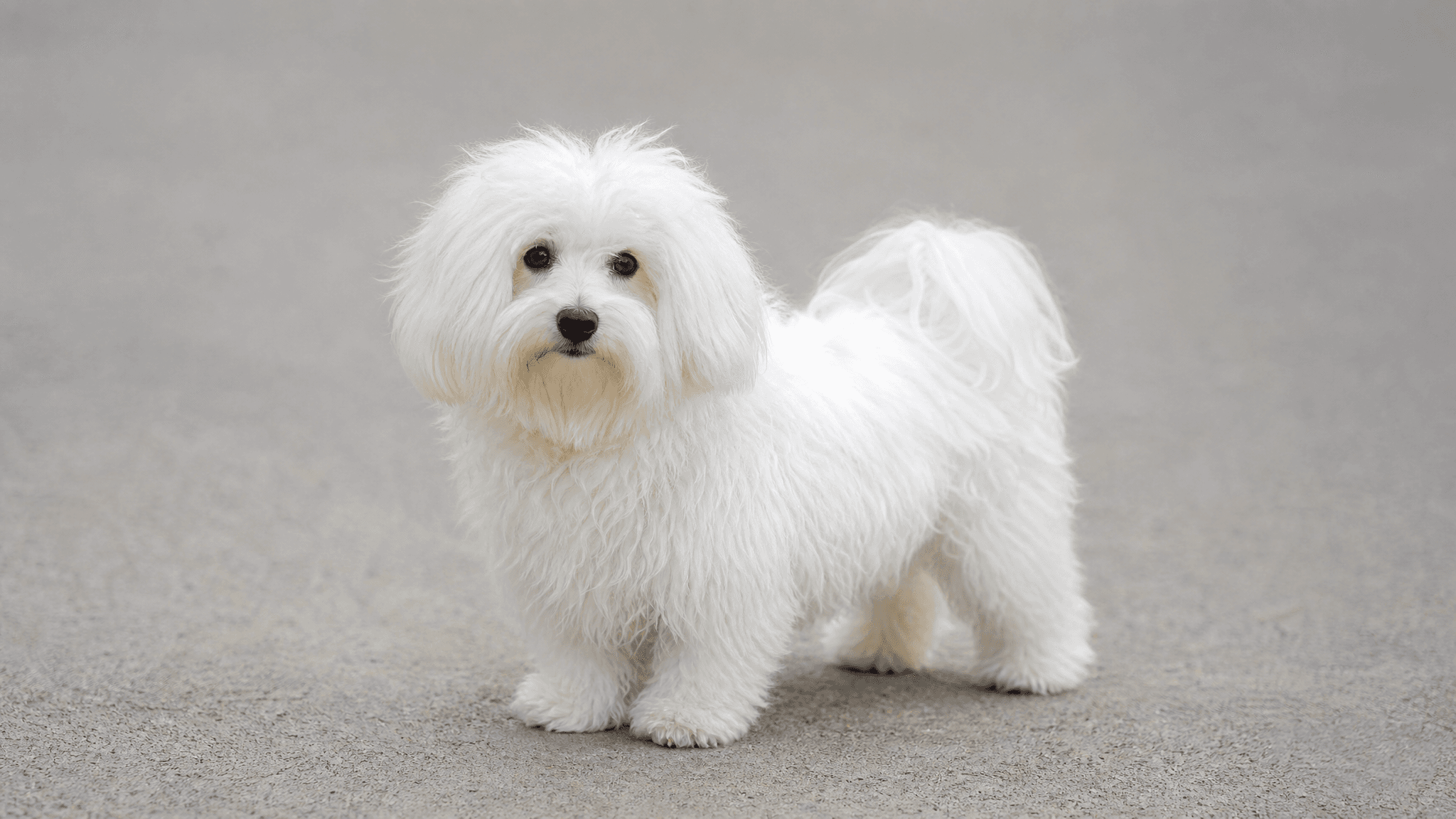
The Coton de Tuléar, called the "Royal Dog of Madagascar," owes its name to the port city of Tuléar (Toliara) and the cotton-like, unique texture of its coat. It is believed that its ancestors arrived on the island with European traders several centuries ago. It is one of the breeds with the highest life expectancy among companion dogs and is distinguished by its exceptionally balanced temperament and its surprising physical resilience for its size.
Physical Characteristics
- Size
- Small
- Height (male)
- 26–28 cm
- Height (female)
- 23–25 cm
- Weight (male)
- 4–6 kg
- Weight (female)
- 3.5–5 kg
- Life Expectancy
- 15–19 years
- Coat
- Long, dense, and wavy, with a cotton-like texture — dry and not silky; practically no undercoat
- Common Colors
- White; cream or black patches may appear in puppies, which typically disappear with age
Temperament & Personality
The Coton de Tuléar is a lively, intelligent dog with a marked sense of humor — breeders frequently describe it as a "clown." It is very affectionate with its family and easily adapts to different lifestyles, as long as it has company. It enjoys both active play sessions and relaxation moments on the couch. It is a communicative dog that uses unique vocalizations and facial expressions to interact with its owners.
Activity & Exercise
- Energy Level
- Moderate
- Recommended Daily Exercise
- 30 minutes
- Suitable for Apartment
- Yes
Grooming & Care
- Grooming Needs
- Moderate to high
- Shedding
- Minimal
Health
- Common Health Issues
- Degenerative myelopathy
- Eye problems
- Hip dysplasia
- Intervertebral disc disease (IVDD)
- Patellar luxation
- Recommended Health Tests
- Eye examination
- Genetic test for degenerative myelopathy
- Orthopedic evaluation
Compatibility
- With Children
- Excellent
- With Other Dogs
- Excellent
- With Cats
- Good
- For First-Time Owners
- Recommended
Is a Coton de Tulear right for you?
A Coton de Tulear may suit you if:
- You enjoy engaging your dog in daily playful activities and short walks to meet their moderate energy needs.
- You appreciate a companion who adapts well to various home environments, from active outings to cozy couch snuggles.
- You are charmed by a lively, intelligent dog with a playful "clown-like" personality and unique ways of communicating.
- You are prepared to invest time in positive reinforcement training to nurture their intelligence and good manners.
- You are ready for regular grooming to maintain their distinctive cotton-like coat, preventing mats and keeping them comfortable.
- You will delight in their expressive nature, including their charming vocalizations and facial expressions.
Think twice if:
- You expect unwavering obedience at all times, as their intelligent, playful nature can sometimes lead to charming independence.
- You frequently leave your dog alone for long periods, as Cotons are highly social and can develop distress without companionship.
- You are not prepared to supervise interactions with very young children or boisterous pets, due to their small size and delicate build.
- You are unwilling to dedicate time to daily short walks and regular grooming sessions to keep their unique coat healthy and tangle-free.
- You are not prepared to provide a consistently engaging and secure indoor environment for a small, curious, and highly social dog.
- You are not ready for the commitment of managing a lively companion through a potentially long lifespan of 15-19 years, including their playful adolescent phase.
The Coton de Tulear offers immense joy with their affectionate, clown-like personality and adaptability. While their moderate exercise needs and apartment suitability make them flexible companions, they truly thrive on constant companionship and consistent grooming. Be prepared for a long, devoted relationship with a dog who will fill your life with laughter, but also requires your dedicated time and care.
Training a Coton de Tulear
The Coton de Tulear, with its lively intelligence and charming sense of humor, thrives on positive reinforcement and engaging interactions. These 'clowns' learn best through short, fun training sessions filled with praise, treats, and affection, as they are highly motivated by their bond with you. Inconsistency or harsh methods will quickly lead to disengagement or them using their cleverness to avoid tasks, making training feel like a game of wits rather than cooperation. Keep it light, consistent, and always end on a high note to build a strong, trusting relationship with your adaptable companion.
Begin with:
- Attention and response to name around distractions
- Recall on a long line
- Loose-leash walking
- Leave it and drop it
- Calm greetings without jumping
- Settling on a mat or bed
- Cooperative handling for grooming, ears, feet and teeth
- Waiting at doors and gates
Separation Anxiety
Cotons are companion dogs through and through, thriving on company and connection. Their affectionate nature means they can struggle when left alone, potentially developing separation anxiety. This isn't just a puppy phase; it can be a lifelong challenge given their impressive 15-19 year lifespan.
To prevent this, start training for alone time early and gradually. Begin with very short absences, making sure your Coton is calm and comfortable before you leave. Provide engaging puzzle toys or a long-lasting chew to create a positive association with your departure. Practice coming and going without fanfare, so your exits become less significant. Understanding the signs of stress can help you tailor your approach.
Leash Manners
Despite their small size (typically 3.5-6 kg), a Coton de Tulear can still pull on the leash, making walks less enjoyable for both of you. Their moderate energy level means they need their daily 30 minutes of exercise, and a pulling habit can make this feel like a chore rather than a pleasure. Their sensitive nature also means harsh corrections are counterproductive.
Focus on positive reinforcement for loose-leash walking. Reward every step your Coton takes with a slack leash, using high-value treats and praise. If they pull, simply stop walking until the leash loosens, then resume. Consistency is key. For more detailed guidance, check out our guide on stopping leash pulling.
Boredom Behaviors
Cotons are intelligent and communicative dogs, often described as having a marked sense of humor. If they aren't sufficiently exercised or mentally stimulated, or if they lack company, they can channel their cleverness into undesirable behaviors. This might manifest as excessive barking, destructive chewing, or persistent attention-seeking.
Ensure your Coton receives their recommended 30 minutes of daily exercise, making it engaging with play and exploration. Incorporate mental stimulation through puzzle toys, training games, and interactive play sessions. Rotate toys to keep things fresh. Remember, a tired Coton is a well-behaved Coton, and a mentally stimulated one is even better!
Coton De Tulear — Frequently Asked Questions
What is the Coton de Tulear?
The Coton de Tulear, often called the "Royal Dog of Madagascar," is a charming small breed whose name comes from the port city of Tuléar and its unique, cotton-like coat. These delightful dogs are believed to have descended from ancestors brought to the island by European traders centuries ago. They belong to FCI Group 9, known for companion and toy dogs. Cotons are celebrated for their exceptionally balanced temperament, lively intelligence, and surprising physical resilience for their size, making them wonderful companions.
What was the Coton de Tulear originally bred for?
The Coton de Tulear's history is as charming as the breed itself! While their exact origins are shrouded in a bit of mystery, it's widely believed that their ancestors arrived on the island of Madagascar with European traders several centuries ago. They quickly became cherished companions, particularly among the Malagasy royalty and nobility, earning them the affectionate title "Royal Dog of Madagascar." Essentially, they were bred to be delightful and affectionate companions, a role they still excel at today, bringing joy and warmth to their families.
How much exercise does a Coton de Tulear need?
Despite their lively spirit, Cotons have a moderate energy level and don't require an excessive amount of exercise. About 30 minutes of daily activity is usually perfect to keep your Coton happy and healthy! This could be a pleasant walk around the neighborhood, some playful romping in a secure yard, or engaging in indoor games. They love to be involved in family activities, so even a good play session with their favorite people can contribute to their daily exercise needs. The key is consistent, enjoyable movement.
Is the Coton de Tulear a good family dog?
Absolutely! The Coton de Tulear makes a wonderful family dog. They are incredibly affectionate with their families and thrive on companionship, easily adapting to various lifestyles as long as they're included. Their balanced temperament means they enjoy both active play sessions with children and quiet cuddle times on the couch. With proper socialization, Cotons generally get along well with other pets too. They're known for their gentle nature and patience, making them a joyful addition to homes with respectful children and other furry friends.
Is the Coton de Tulear easy to train?
Yes, the Coton de Tulear is generally considered quite easy to train! They are lively and intelligent dogs with a keen desire to please their people. Their marked sense of humor often leads breeders to describe them as "clowns," making training sessions fun and engaging. Cotons are also very communicative, using unique vocalizations and facial expressions, which helps in understanding their needs. Positive reinforcement methods work best with these sensitive and smart pups, and early socialization will help them grow into well-adjusted, delightful companions.
What health issues are common in the Coton de Tulear?
Like all breeds, Cotons can be prone to certain health conditions, though they are generally a robust breed. Some documented health concerns to be aware of include degenerative myelopathy, various eye problems, hip dysplasia, intervertebral disc disease (IVDD), and patellar luxation. Responsible breeding practices, regular veterinary check-ups, and maintaining a healthy lifestyle with proper nutrition and exercise can help mitigate risks and ensure your Coton lives a long, happy life. Always choose a reputable breeder who screens their dogs for these conditions.
What is the Coton de Tulear's coat like and how much grooming does it need?
The Coton de Tulear's coat is truly one of its most distinctive features! It's famously described as having a unique, cotton-like texture – soft, fluffy, and very appealing to touch. This beautiful coat, while non-shedding, does require regular attention to prevent matting. Daily brushing is highly recommended to keep it tangle-free and pristine. Many Coton owners also opt for professional grooming every few weeks to maintain a manageable length and ensure their pup always looks their best. With consistent care, their coat remains a stunning hallmark of the breed.
What is the typical lifespan of a Coton de Tulear?
One of the many wonderful qualities of the Coton de Tulear is their impressive longevity! They are known to be one of the breeds with the highest life expectancy among companion dogs. A typical Coton de Tulear can enjoy a long and happy life, often living between 15 and 19 years. With proper care, a balanced diet, regular exercise, and consistent veterinary attention, your beloved Coton can be a cherished member of your family for many, many years, bringing endless joy and companionship.
Community
Talk to real Coton De Tulear owners
This guide covers the breed on paper. In the app, the Coton De Tulear community covers it in real life: photos from other owners, questions answered by people who live with the breed, and a directory of dogs you can browse.
- Photos & pollsSee what Coton De Tulear owners are sharing today.
- Questions & answersAsk anything and hear from people who own one.
- Dog directoryBrowse Coton De Tulears from around the world.
You join automatically when you add a Coton De Tulear to your profile.